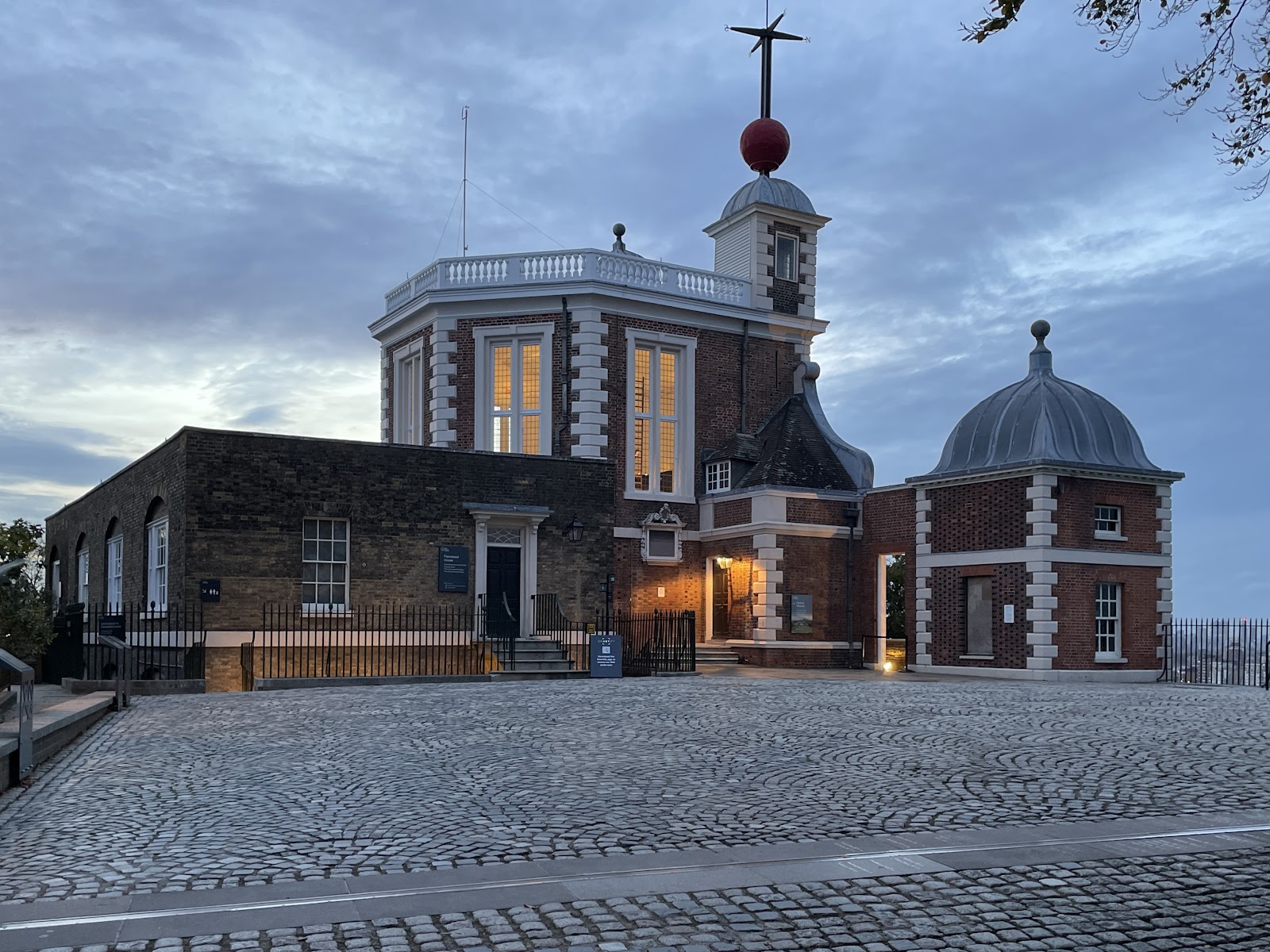
You've reached the Observatory, and inside it are four clocks that represent one of the great underdog victories in the history of anything. This is the story of a carpenter who took on the entire scientific establishment of Britain, was right, and had to fight them for forty years to admit it.
Start with the problem. For centuries, ships could work out how far NORTH they were — latitude — from the sun and stars. Easy. But how far EAST or WEST — longitude — was a nightmare, and getting it wrong killed people by the thousand. In seventeen oh-seven, a British fleet miscalculated its position and smashed into the rocks of the Scilly Isles; around two thousand sailors drowned in a single night. So the government did something dramatic: it offered a fortune — up to twenty thousand pounds, millions in today's money — to anyone who could crack it.
Every clever man in the country assumed the answer was in the stars, in complicated astronomy. And then a self-taught village carpenter named Joh
n Harrison turned up and said: no, it's a clock. The theory was simple and brilliant. If you have a clock that keeps perfect London time on your ship, you compare it to local noon wherever you are, and the difference tells you your longitude exactly. The problem was that no clock on Earth could keep good time on a rolling, pitching, temperature-swinging ship. Pendulums are useless at sea. So Harri