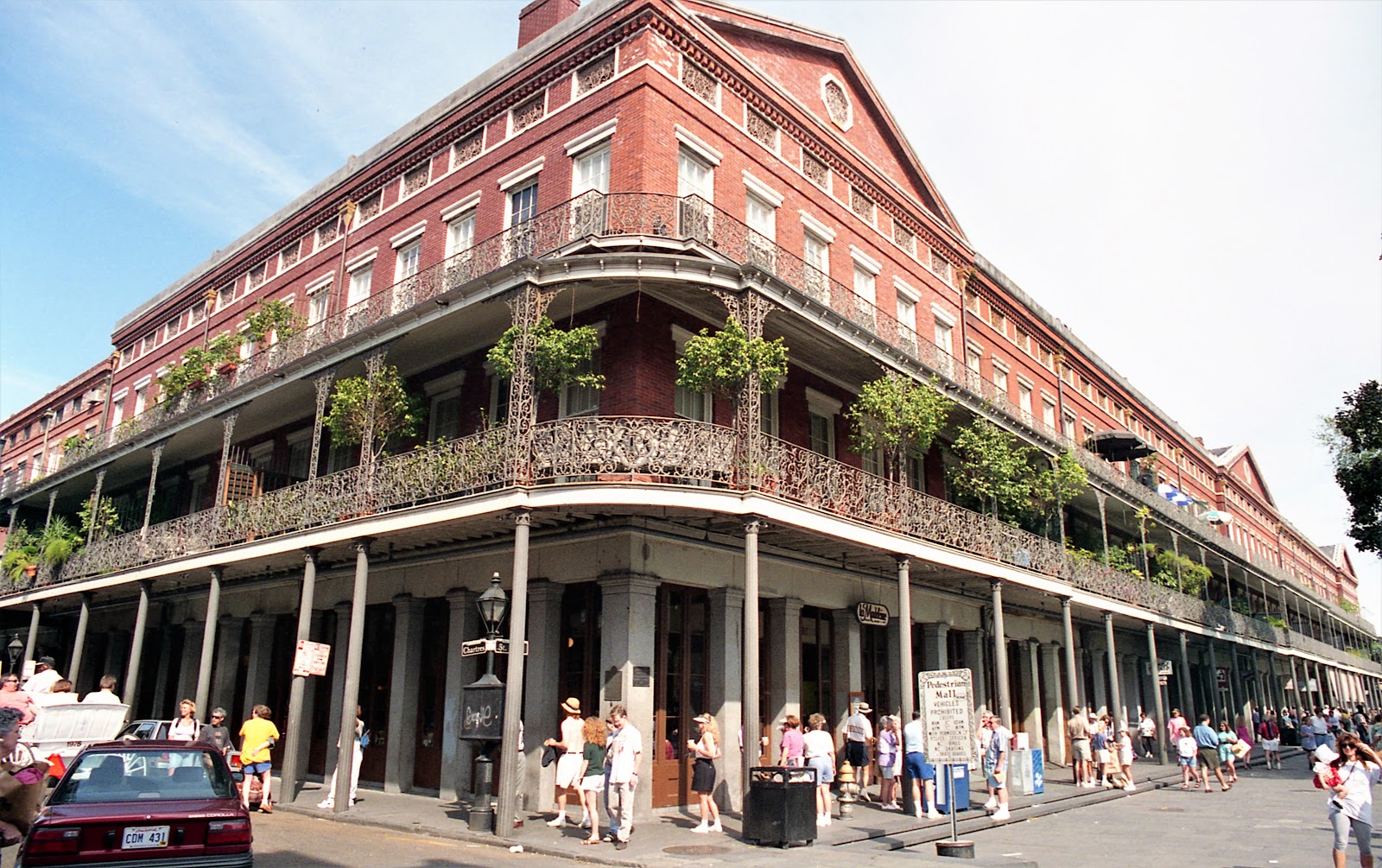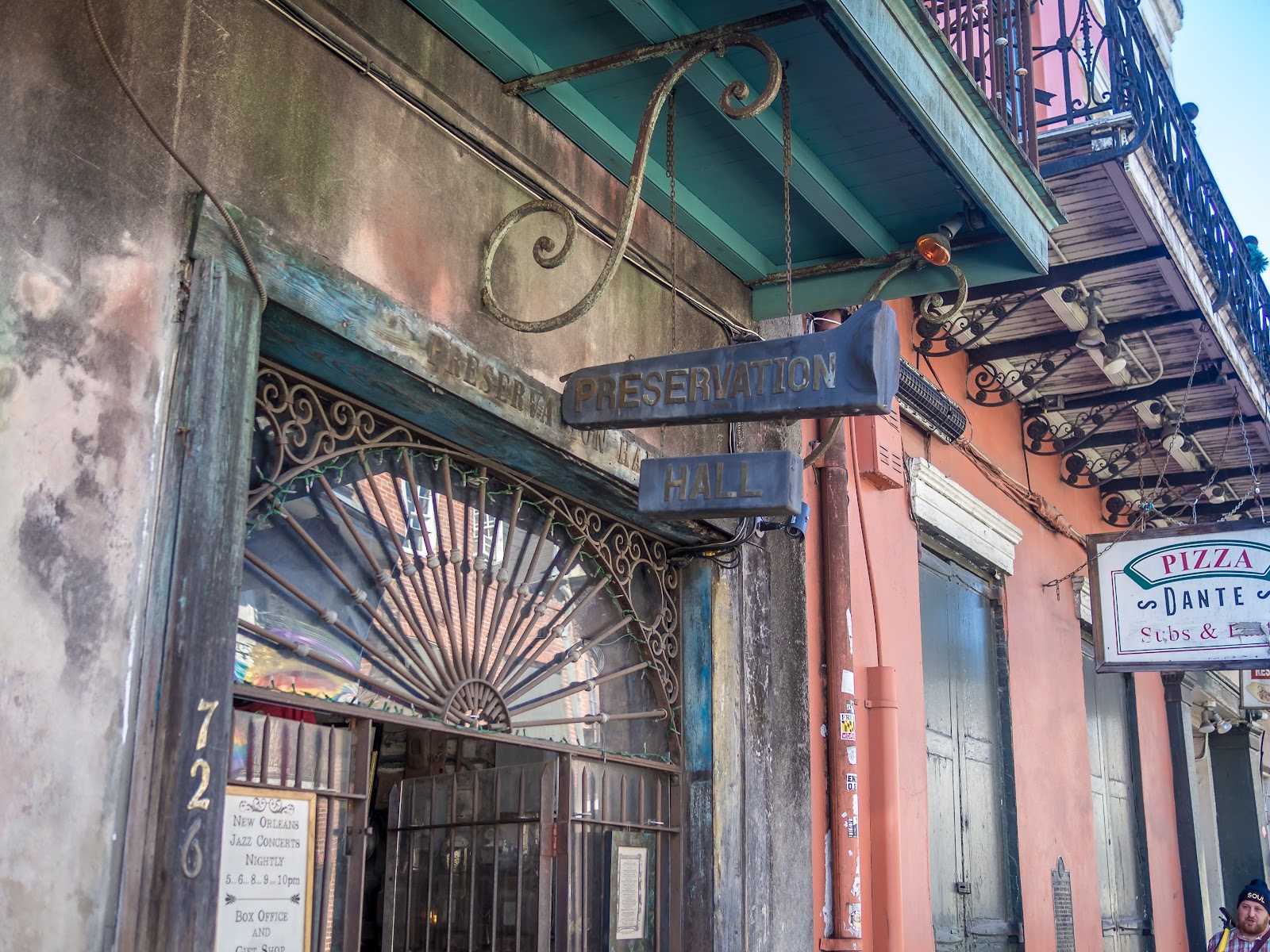
In December 1960, Allan Jaffe married Sandra Smolen in Philadelphia. They went on a honeymoon through Mexico City, stopped in New Orleans, and followed musicians to an art gallery at 726 St. Peter Street run by Larry Borenstein. Borenstein had been letting elderly jazz musicians play informal sessions because he liked the music more than his own paintings.
In September 1961, Borenstein handed nightly operations to Jaffe — a tuba player with a Wharton business degree. The deal was profit-or-loss. A handshake.
The timing mattered. Traditional New Orleans jazz was genuinely dying. The musicians who invented it were in their sixties through nineties, living in poverty, with no venues and no audiences. Jaffe hired them and paid them. He kept the room simple — no distractions, no booze, no improvements. Just music.
Song request prices: one dollar for traditional tunes, two dollars for everything else, five dollars for "When the Saints Go Marching In" — which the musicians called "The Mons
ter."
Sweet Emma Barrett was the most famous musician here. Self-taught pianist with a "pile-driver attack." Red skull cap. Bell garters. In 1967, she had a stroke that paralyzed her left side. She played piano from a wheelchair with one hand for sixteen more years until her death in 1983 at age 85.
Jaffe died of cancer in 1987. His son Ben graduated from Oberlin College and took over. The band