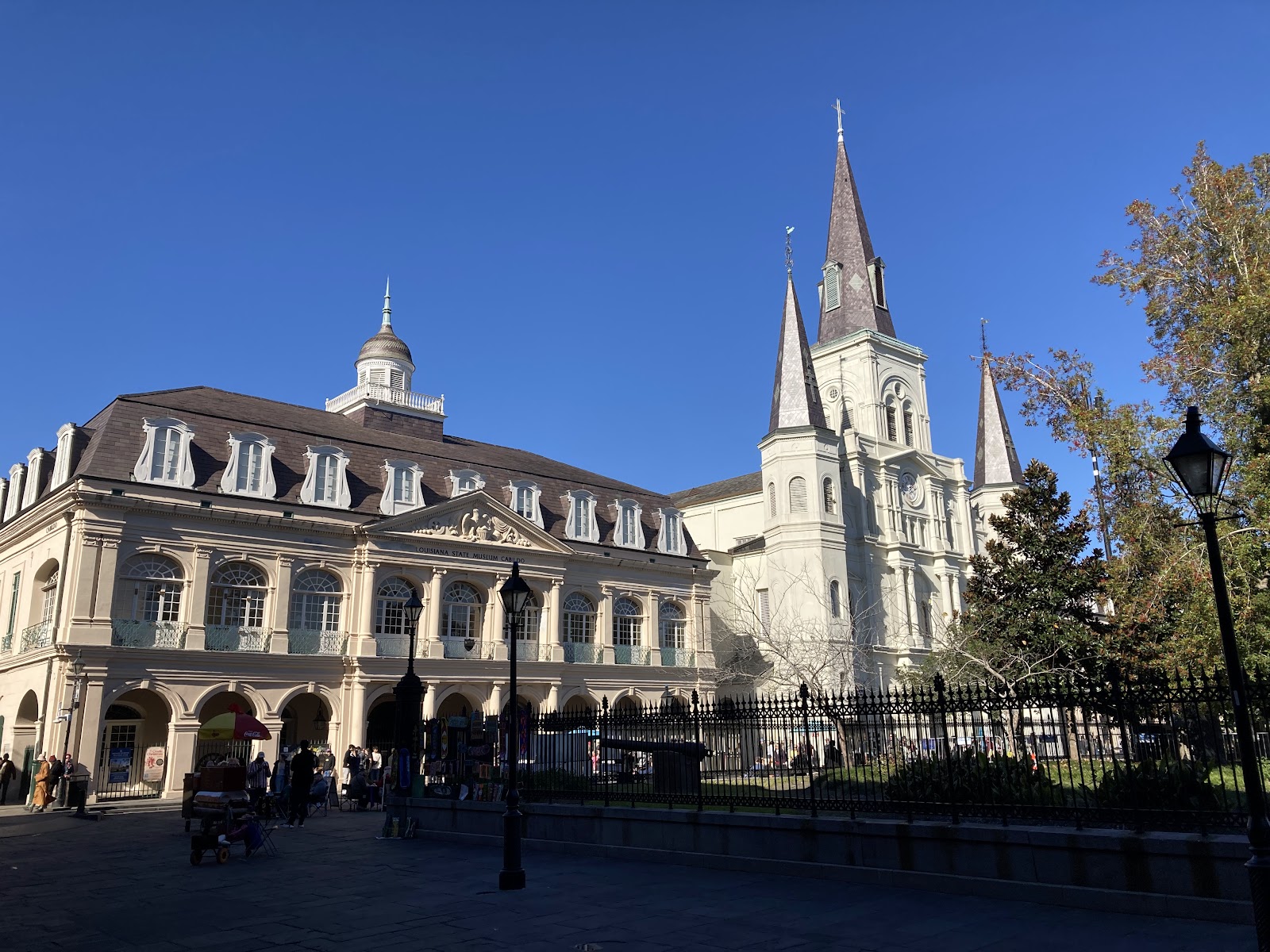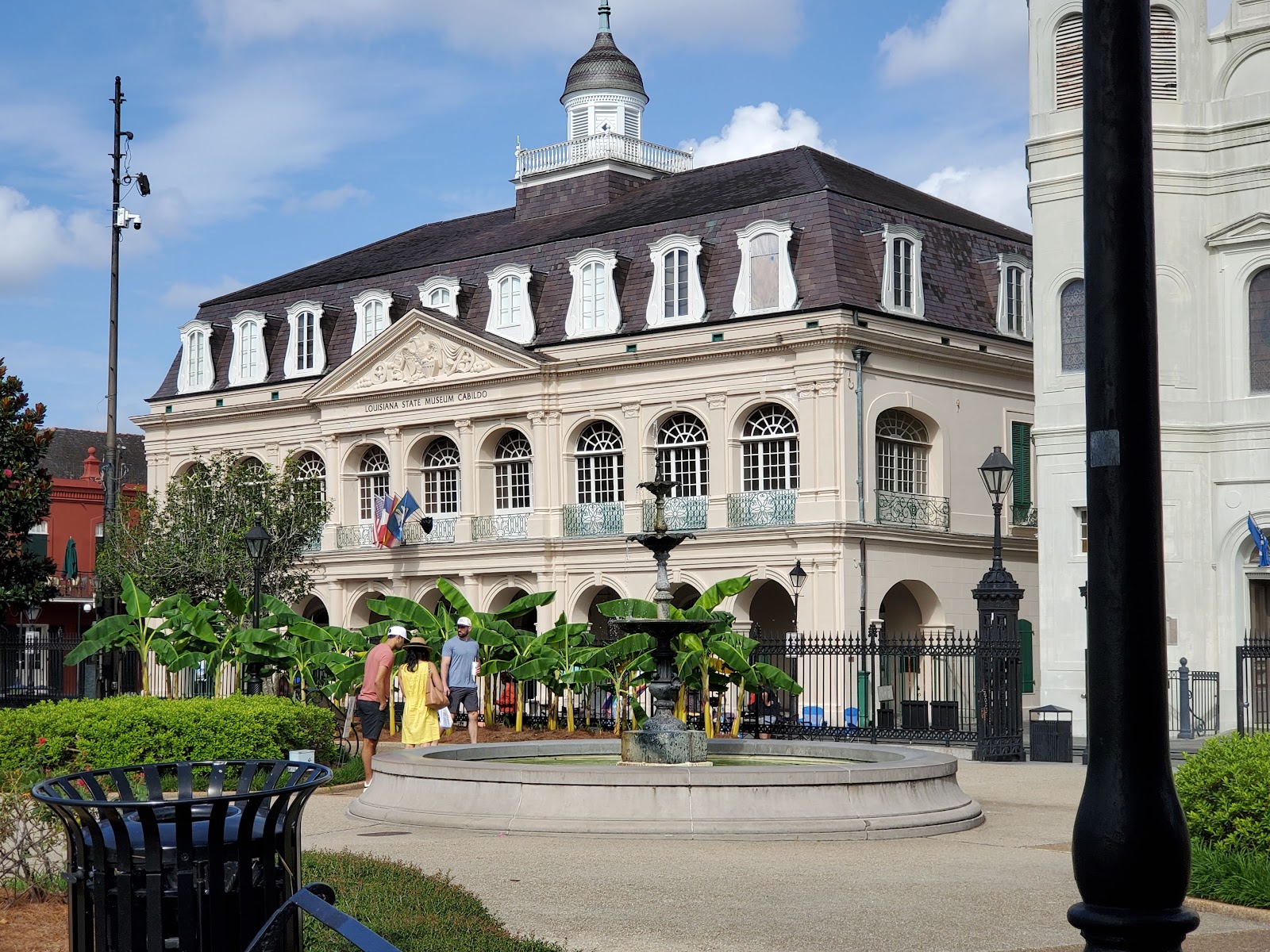
The Cabildo was finished in 1799 and hosted the Louisiana Purchase signing in 1803. But the story that matters more happened on the second floor, where the Louisiana Supreme Court used to meet.
Homer Plessy was a shoemaker from the Treme neighborhood. He was one-eighth Black and seven-eighths white — he looked white. On June 7, 1892, he bought a first-class ticket on the East Louisiana Railroad and sat in the whites-only car. He had to TELL the conductor he was Black.
It was planned civil disobedience. The Comite des Citoyens organized the test case to challenge the Separate Car Act. The conductor J.J. Dowling was informed in advance. A private detective waited to make the arrest. Sixty-three years before Rosa Parks.
The Louisiana Supreme Court ruled against Plessy right here in the Cabildo. The U.S. Supreme Court ruled 7-1 in Plessy v. Ferguson (1896) — racial segregation was constitutional if "equal." Justice John Marshall Harlan, a former slave owner from Kentucky, was the lone d
issenter: "Our Constitution is color-blind."
It wasn't overturned until Brown v. Board of Education in 1954. Plessy went back to making shoes. He died in 1925 at age 62. In January 2022, Louisiana officially pardoned him. Descendants of both Plessy and Judge Ferguson stood together at the ceremony.
— From the tour: The French Quarter Cheat Code