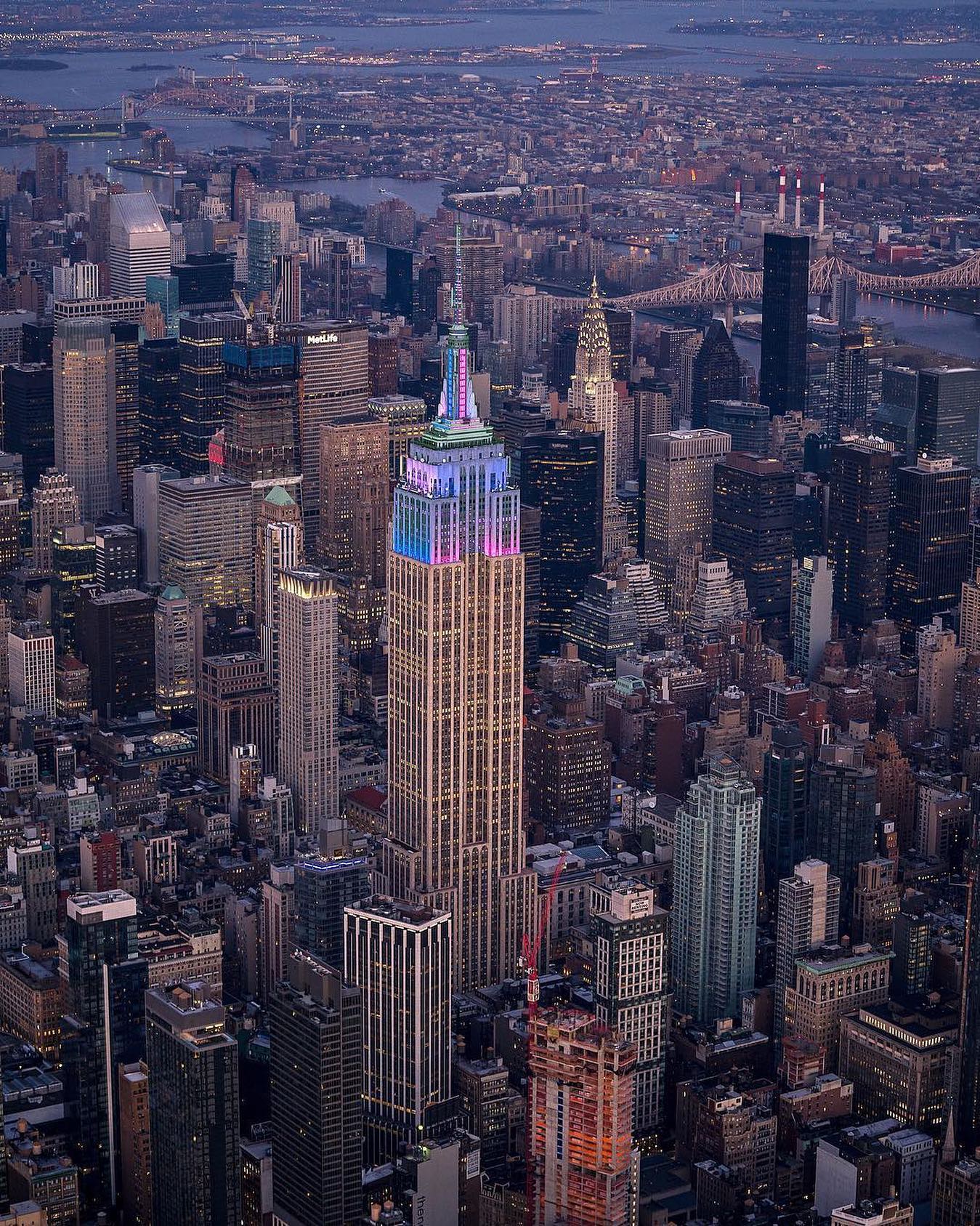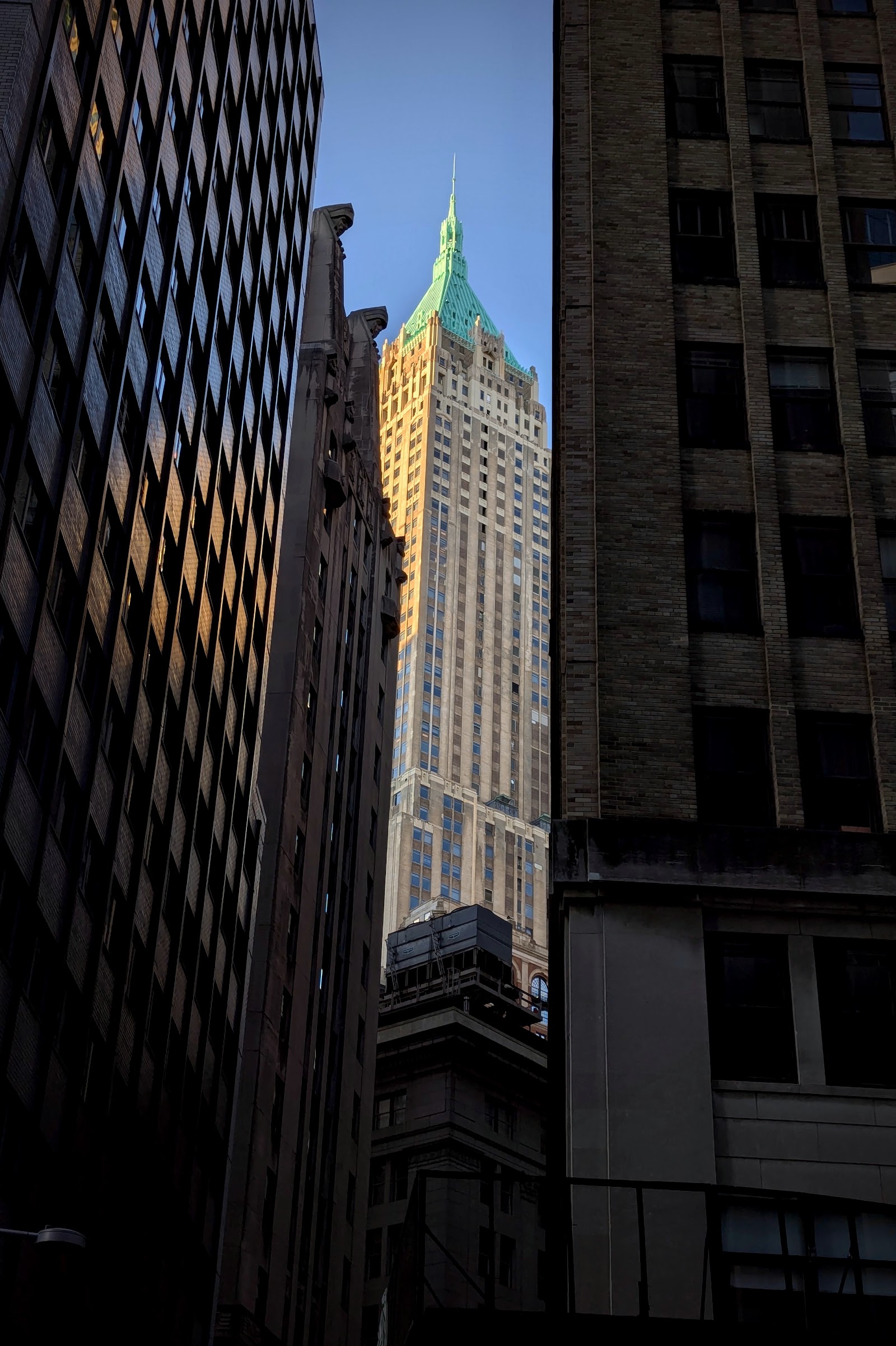
The tower above you with the green pyramid on top went up in eleven months in nineteen twenty-nine, and for about four weeks it was the tallest building in the world. It lost the title to the Chrysler Building, whose architect — a former partner of this one's — had a hundred-and-eighty-five-foot steel spire hidden inside his own fire shaft, waiting.
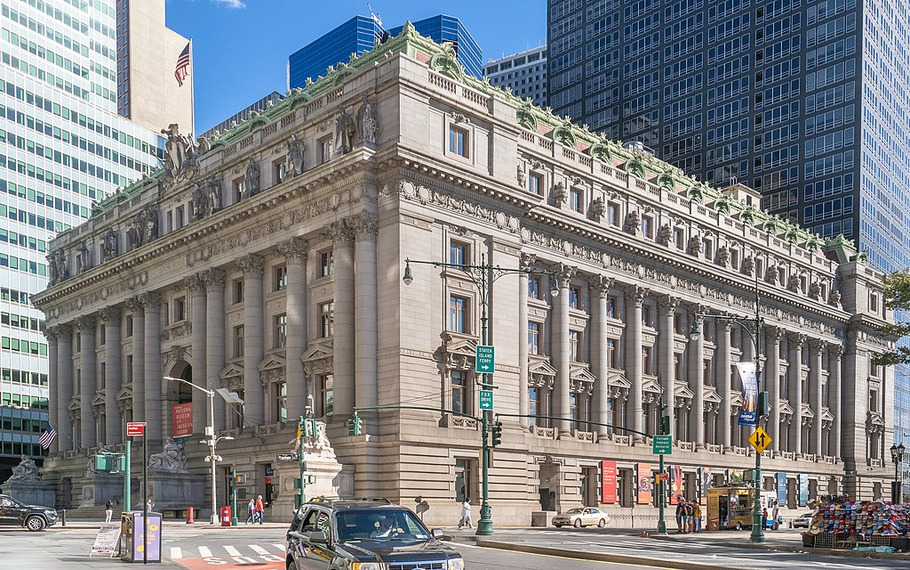
It was built as the headquarters of the Bank of the Manhattan Company. That bank is where the story is.
Yellow fever hit New York over and over through the seventeen nineties. The worst outbreak killed about two thousand people in a city of sixty thousand. Everyone knew it had something to do with the water, which was foul — the city drank out of a pond that tanneries and slaughterhouses emptied into.
So in seventeen ninety-nine, Aaron Burr proposed a private company to bring clean water into the city. It was a good idea and a badly needed one, and Hamilton did not just nod at it from a distance. He sat on the city committee that recomme
nded the plan, and he went up to Albany to help push the charter through the legislature. This is the part people forget: before any of the rest of it, Hamilton and Burr were partners.
Then Burr added a clause near the end of the charter, in the language of a lawyer who doesn't want to be interrupted. Any money left over, it said, could be used in other monied transactions not inconsistent with t