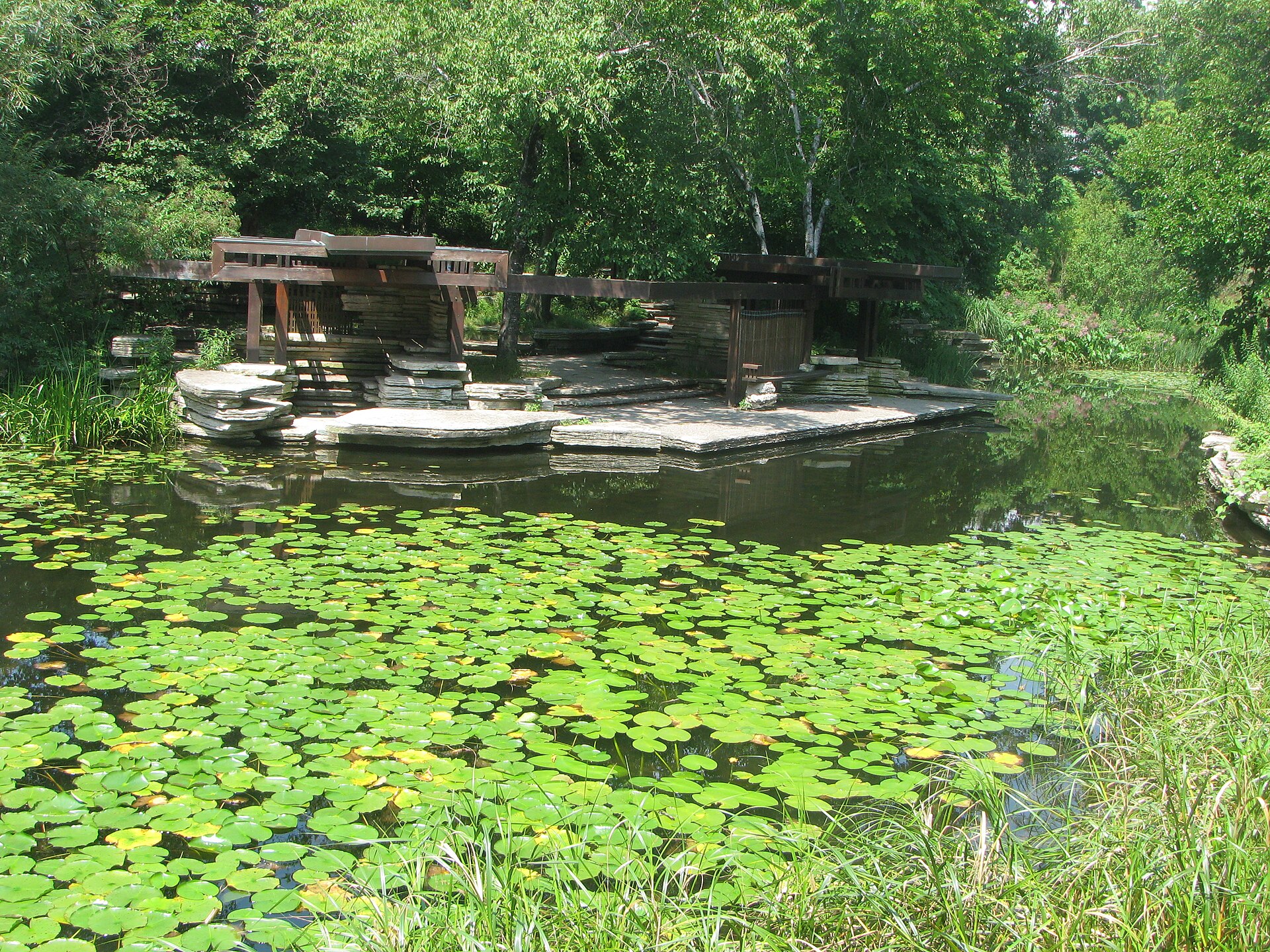
Stop for a second and listen. Somewhere up in the trees along this water there is a noise like somebody dragging a rusted gate open.
Now look up into the branches for hunched gray shapes sitting very still. Those are black-crowned night herons. They are endangered in the state of Illinois, and this is the last breeding colony left in the entire state.
Nobody brought them here. They chose it.
Around two thousand seven, roughly a hundred of them turned up at the south edge of the zoo and started building nests. The colony has grown every year since. Recent counts have run past seven hundred birds.
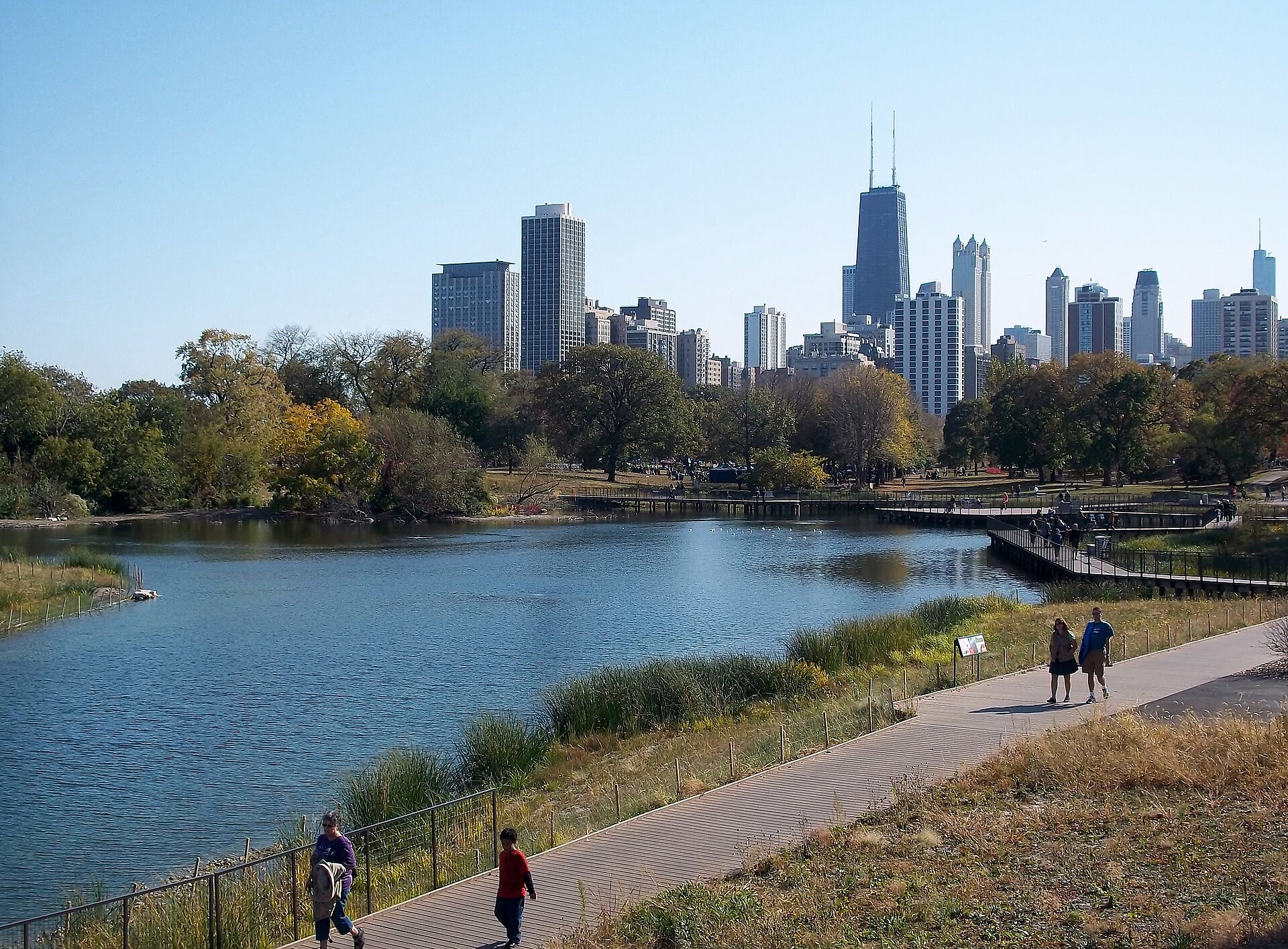
The reason is real estate. Raccoons, coyotes and skunks eat heron eggs, and all three of those get managed very carefully in a place that has a zoo in it. So the safest ground in Illinois for a wild endangered bird turned out to be a tree over a busy public footpath. Surrounded by tourists. Next to a zoo full of predators behind glass.
They are not exhibits. Nobody feeds them, nobody keeps
them, and no fence is involved anywhere. They fly out to fish the lagoons and the lake, then come back to a tree above a footpath. The zoo's entire contribution to this arrangement is competent raccoon management.
They are also loud. A colony of several hundred night herons, sorting out nesting arrangements above a public path, sounds roughly like a scrapyard with opinions.
The water they're fi