Chicago Attractions
Chicago reversed a river, invented the skyscraper, survived a fire that killed three hundred people, and came back meaner. There's a reason people have been telling stories about this city for a hundred and fifty years.
Explore by Neighborhood
The Loop
The heart of downtown Chicago, ringed by the elevated train tracks
Lincoln Park
Chicago's largest park and the neighborhood around it
Museum Campus
A 57-acre lakefront park housing three of Chicago's biggest museums — all built on landfill, because Chicago's answer to everything is "just add more land
Must-See in Chicago
Adler Planetarium
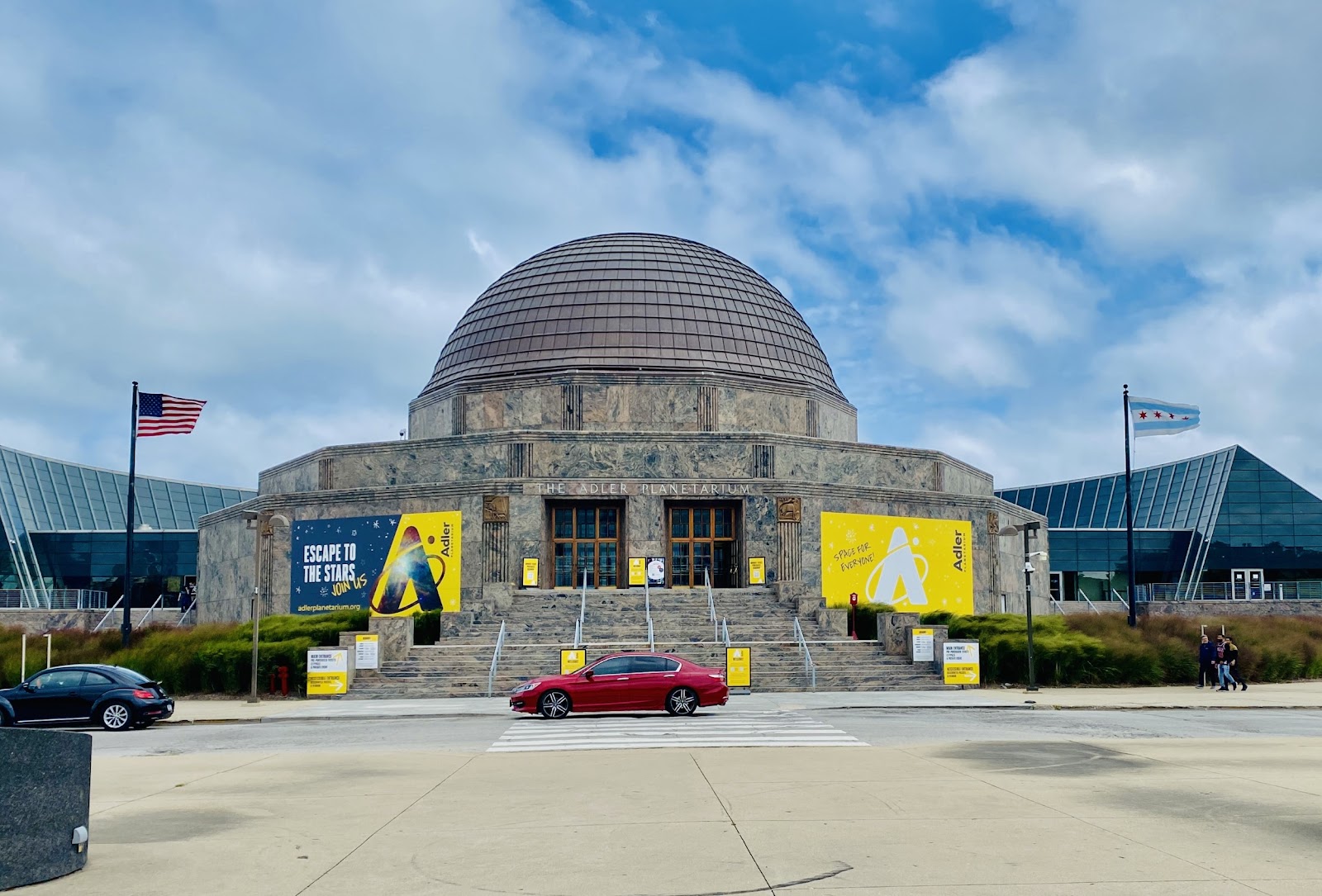
Your brain is going to file the building at the end of this peninsula as a nineteen-thirties idea of a flying saucer. Close enough.
Cloud Gate
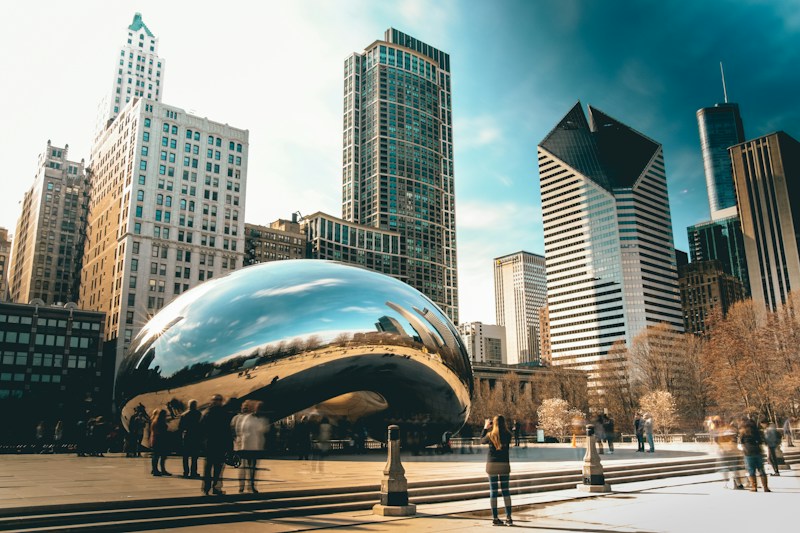
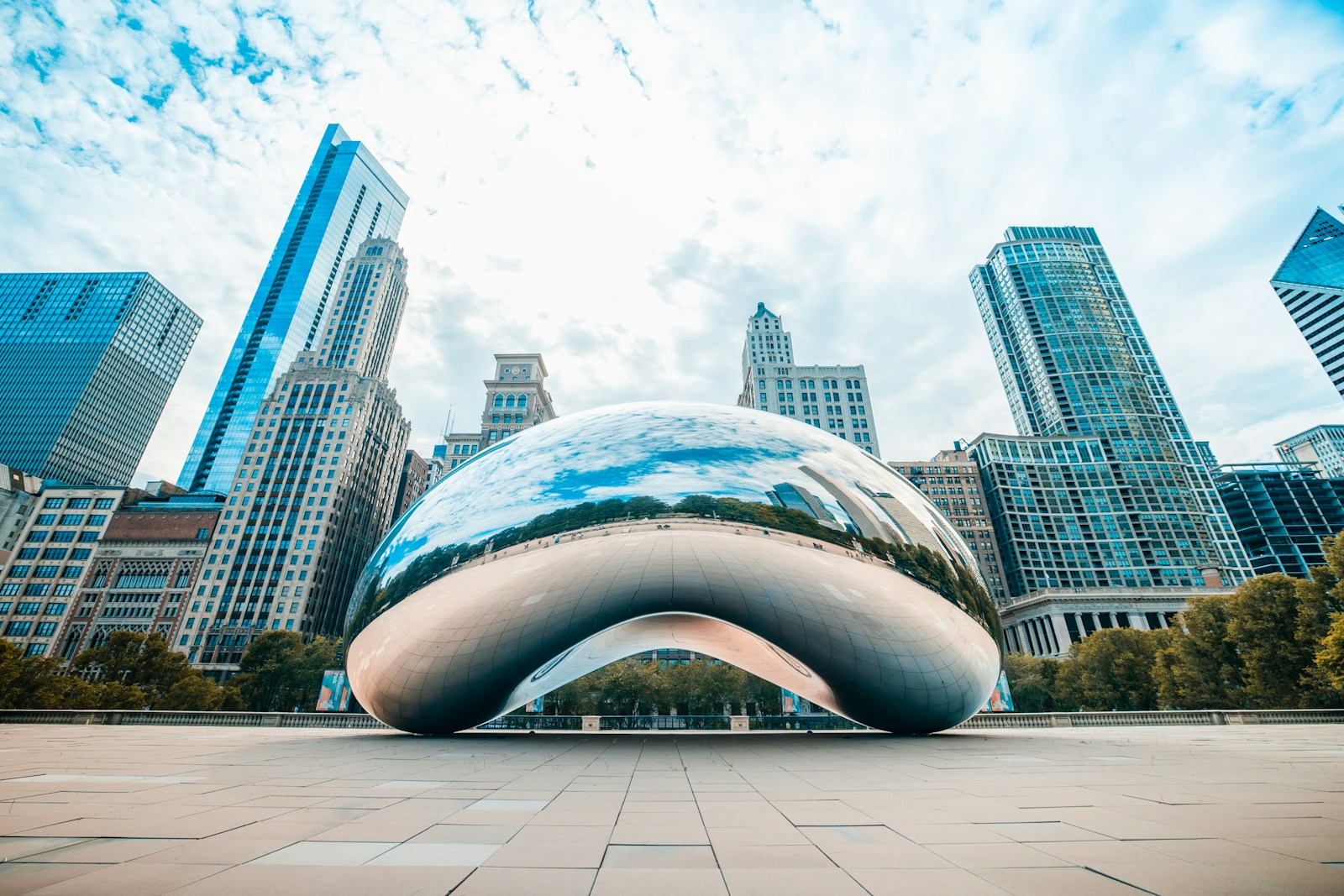
You already know it's a bean. Everybody knows it's a bean. Its name is Cloud Gate, the sculptor is Anish Kapoor, and he has spent roughly twenty years being quietly furious that the city looked at his masterwork and named it after a…
Shedd Aquarium
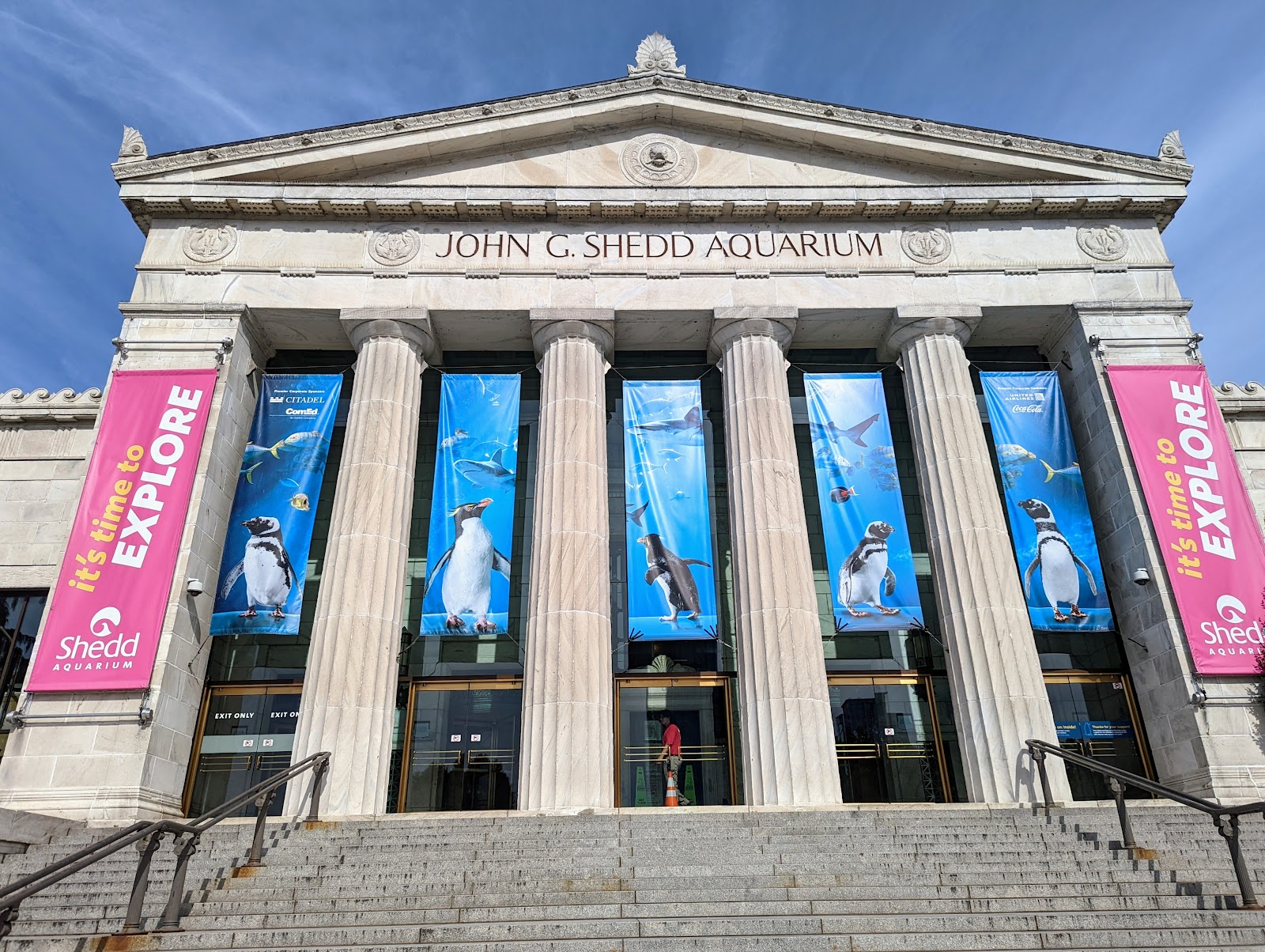
The Shedd Aquarium is a Greek temple covered in seafood. Get close to the trim around the doors and windows and the classical restraint falls apart.
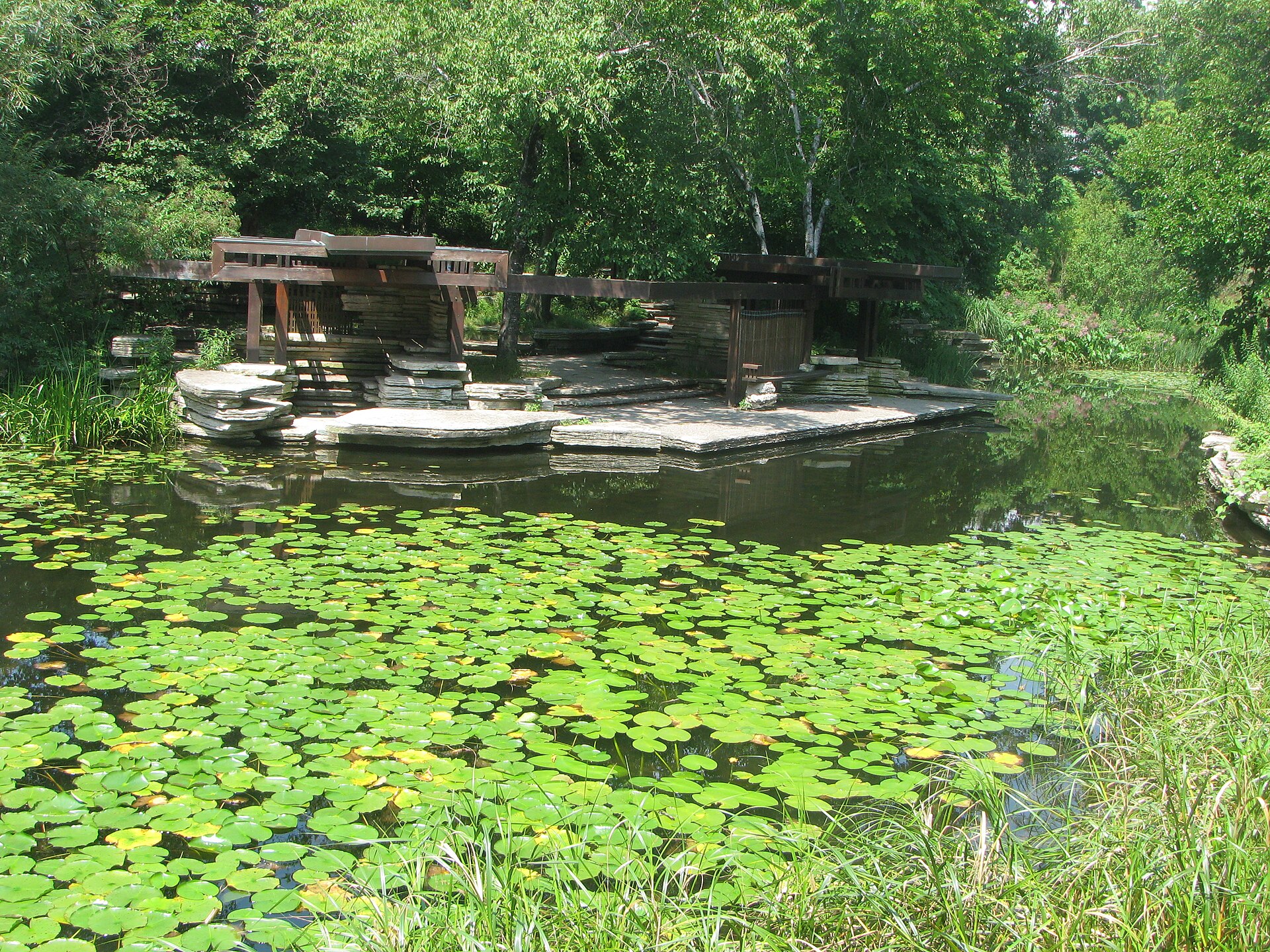
The Alfred Caldwell Lily Pool
Come through the gate and listen to what happens to the sound. The traffic drops away. That was designed. The stone walls and the tree canopy were shaped to do precisely that.
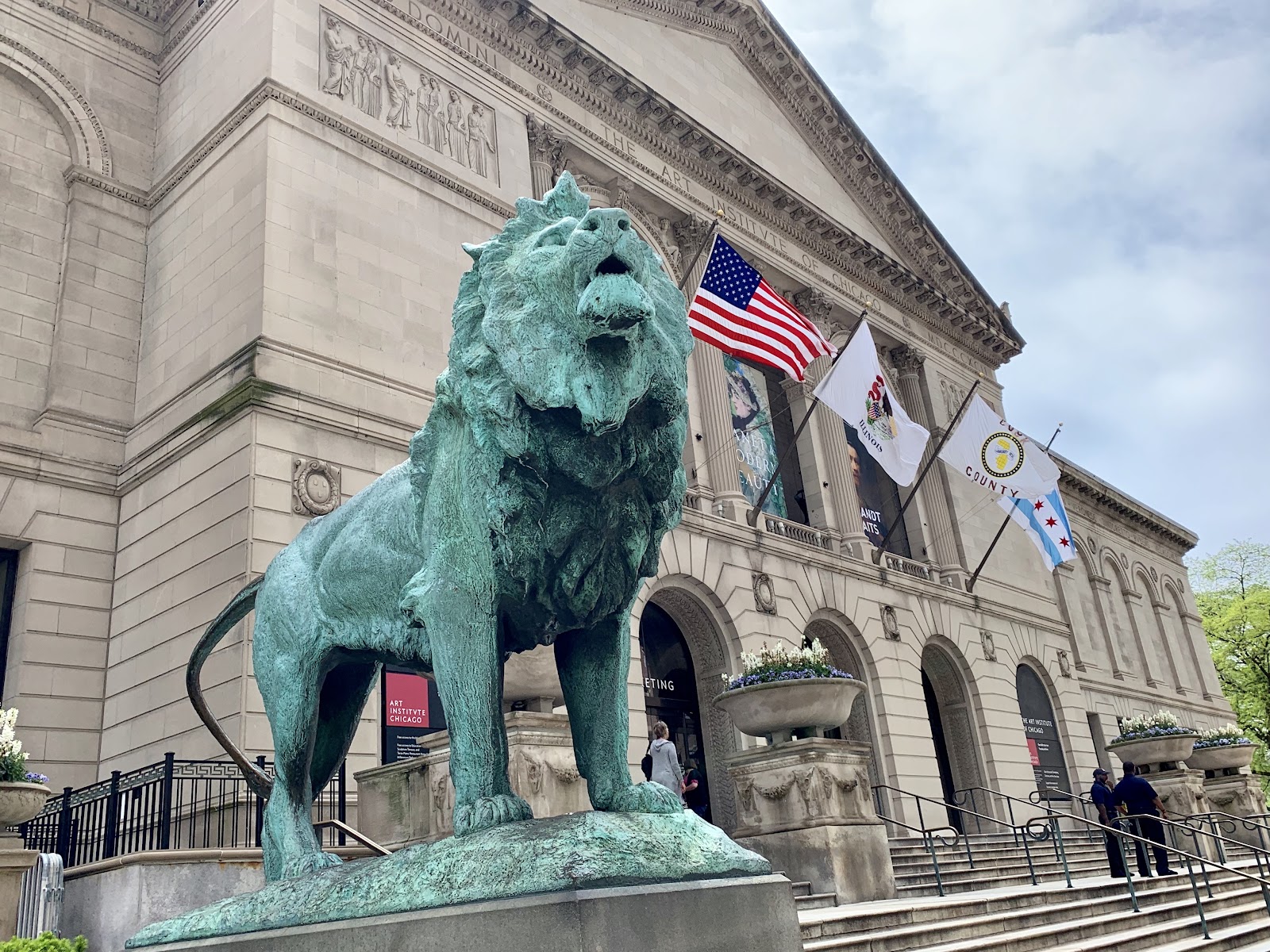
The Art Institute Lions
The lions. One on each side of the stairs, bronze gone dark green except where the weather has scrubbed it back to gold, and both of them ignoring you completely. These are the meeting point for the entire city.
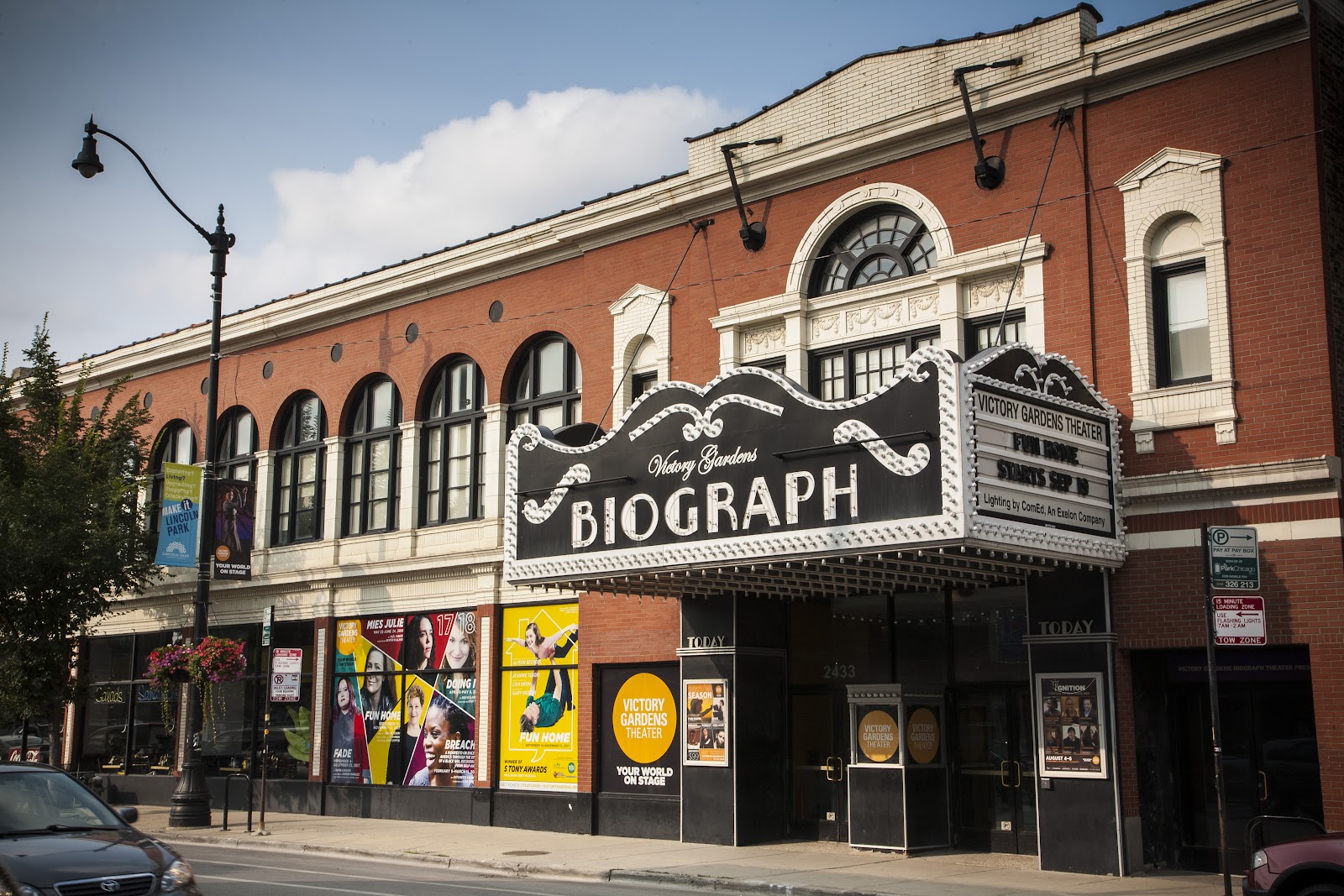
The Biograph Theater
The Biograph, and its restored marquee, look frozen in the summer of nineteen thirty-four. That's deliberate, and there's a reason.
Landmarks
Adler Planetarium
Your brain is going to file the building at the end of this peninsula as a nineteen-thirties idea of a flying saucer. Close enough.
Shedd Aquarium
The Shedd Aquarium is a Greek temple covered in seafood. Get close to the trim around the doors and windows and the classical restraint falls apart.
The Art Institute Lions
The lions. One on each side of the stairs, bronze gone dark green except where the weather has scrubbed it back to gold, and both of them ignoring you completely. These are the meeting point for the entire city.
The Biograph Theater
The Biograph, and its restored marquee, look frozen in the summer of nineteen thirty-four. That's deliberate, and there's a reason.
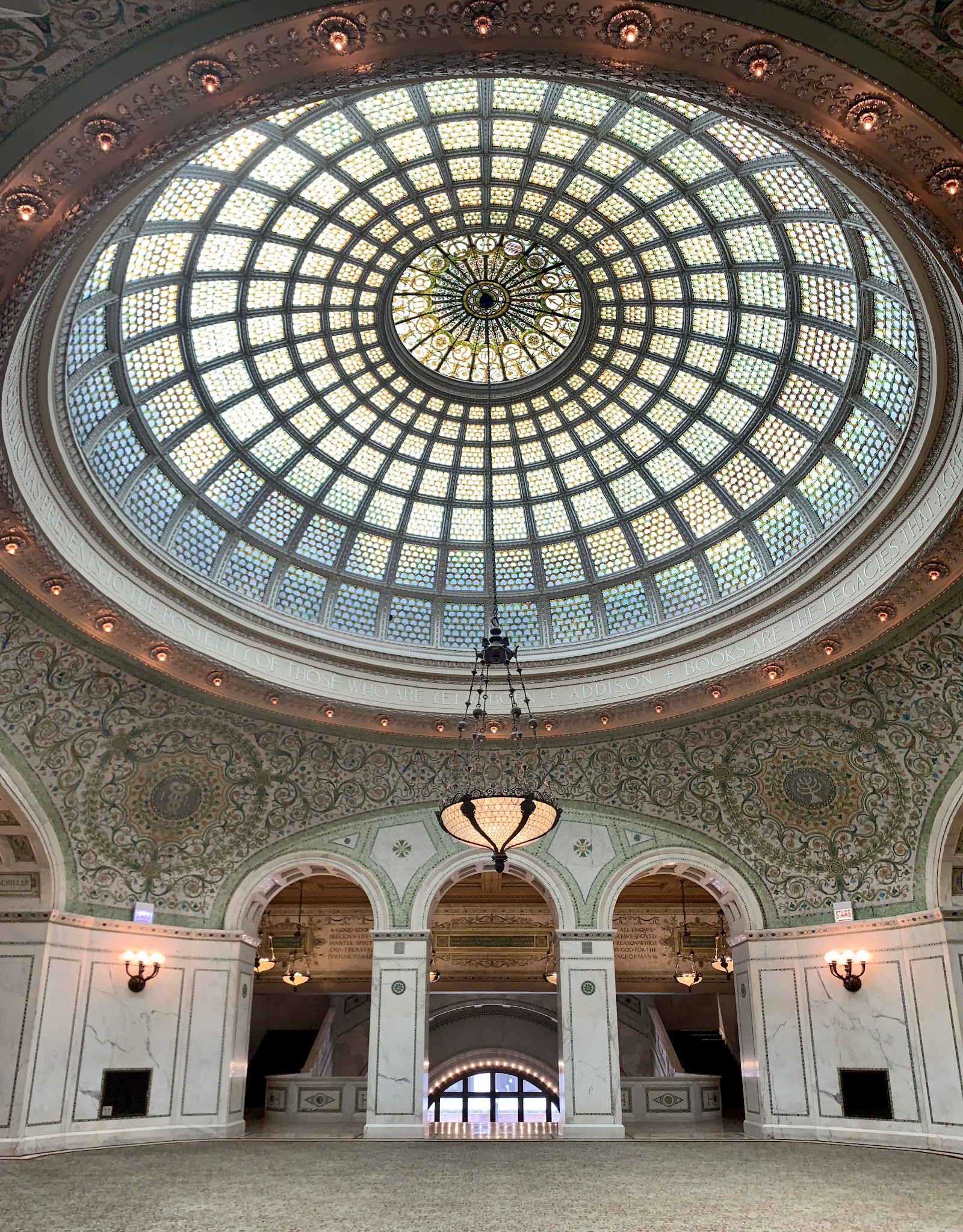
The Chicago Cultural Center
Go inside this one. Walk in, climb the marble stairs, and look up. There's a stained glass dome up there thirty-eight feet across, made of about thirty thousand pieces of glass in two hundred and forty-three sections.
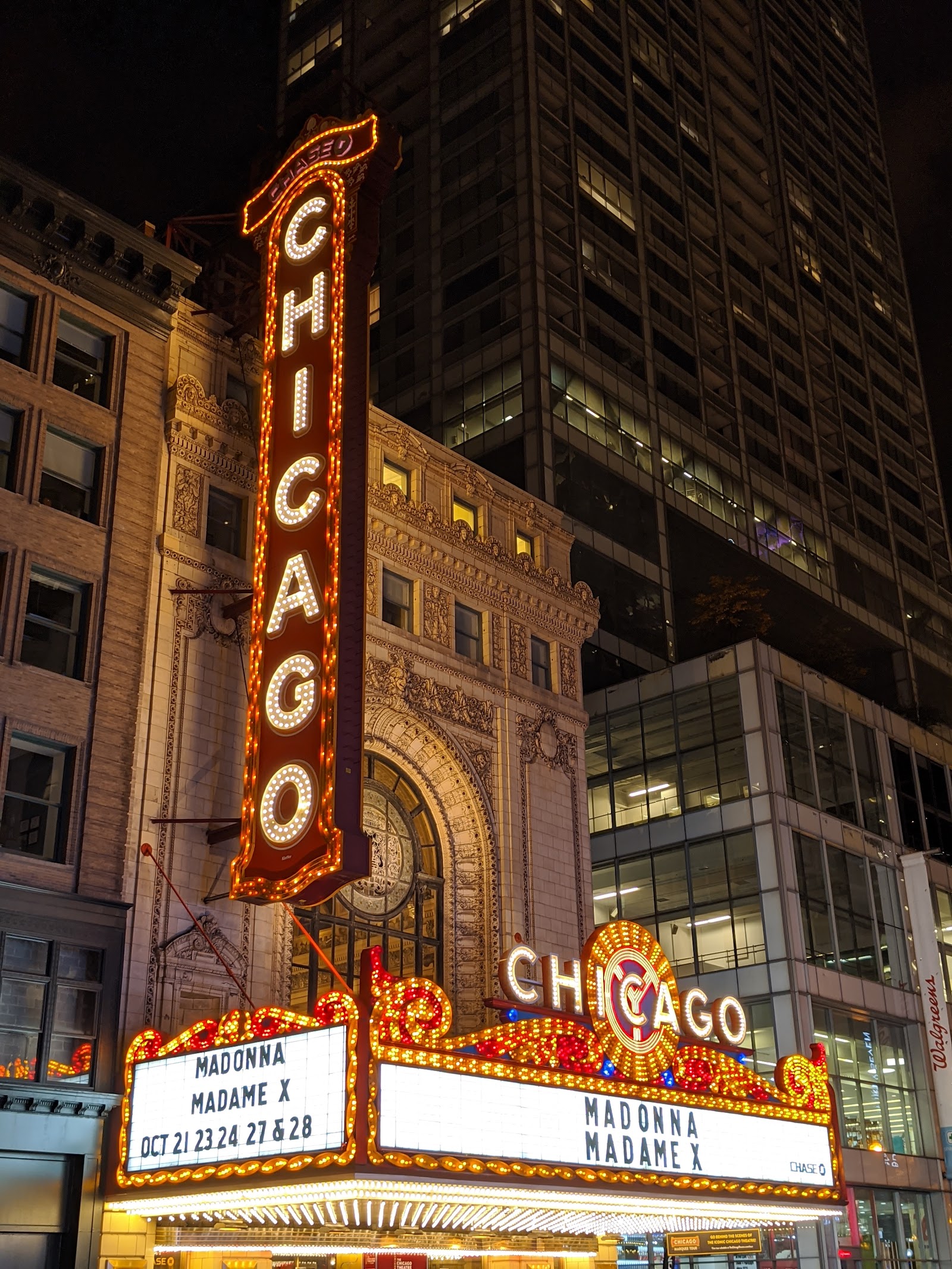
The Chicago Theatre
Six stories of red letters spelling out the name of the city, hung off the front of a building on State Street. That sign is the shorthand for Chicago in roughly every film, news broadcast, and postcard ever made.
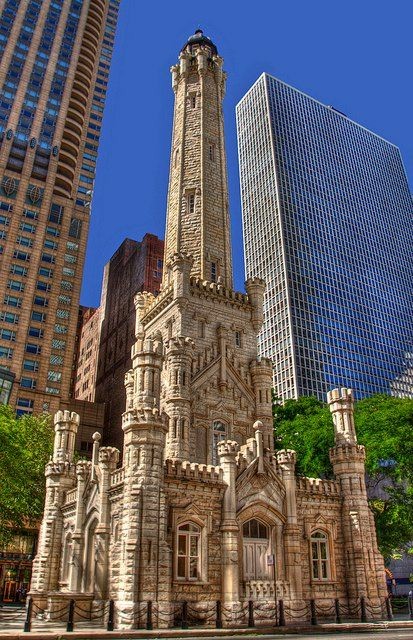
The Chicago Water Tower
The little stone castle stranded in the middle of Michigan Avenue is the Chicago Water Tower. Yellow limestone, turrets, battlements, tiny pointed caps on every corner. It looks like somebody lost a castle and left it on the sidewalk.
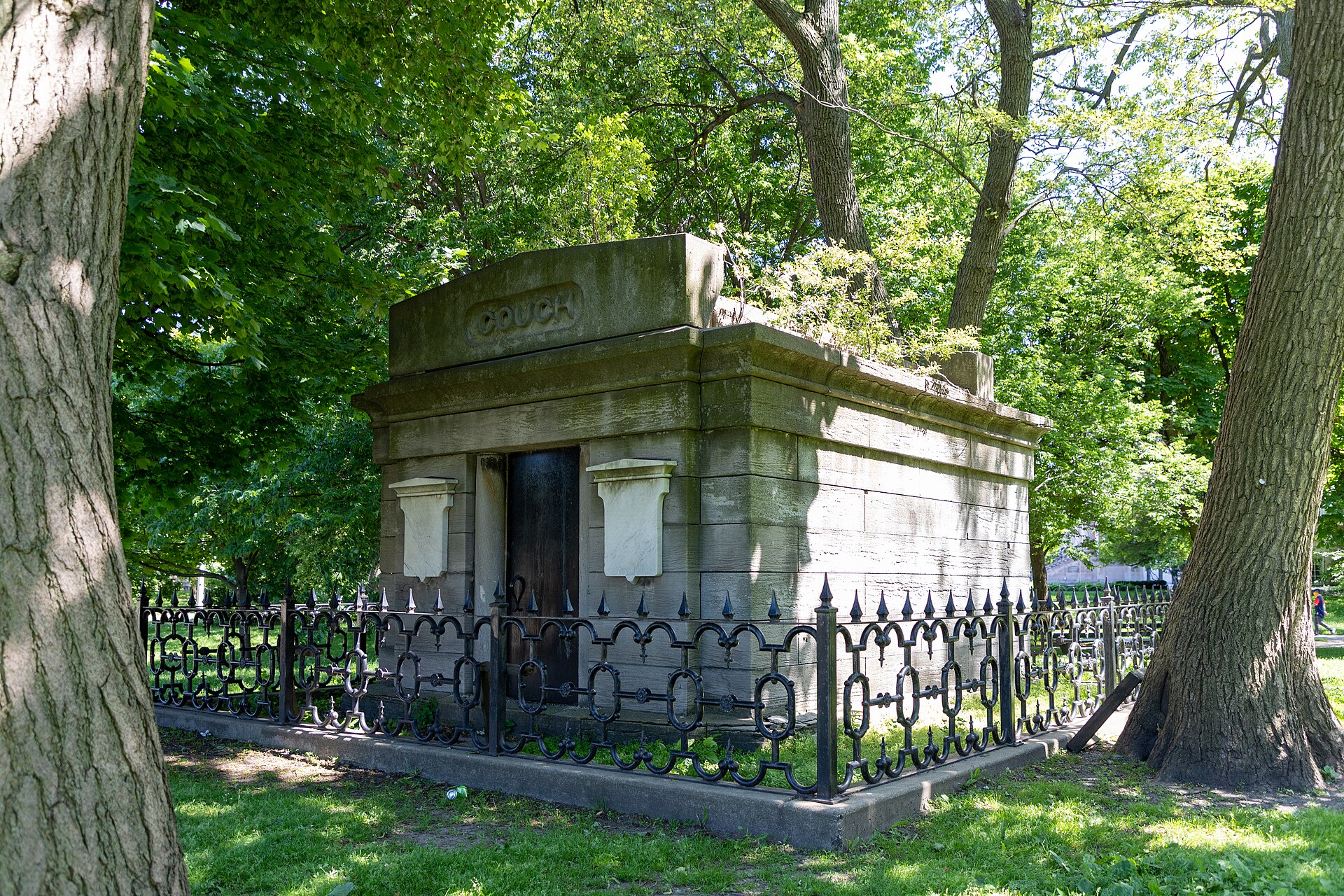
The Couch Tomb
The small stone building in the grass — columns across the front, iron door that does not open — is a tomb. It is still occupied. And it is the last one left out of about thirty-five thousand.
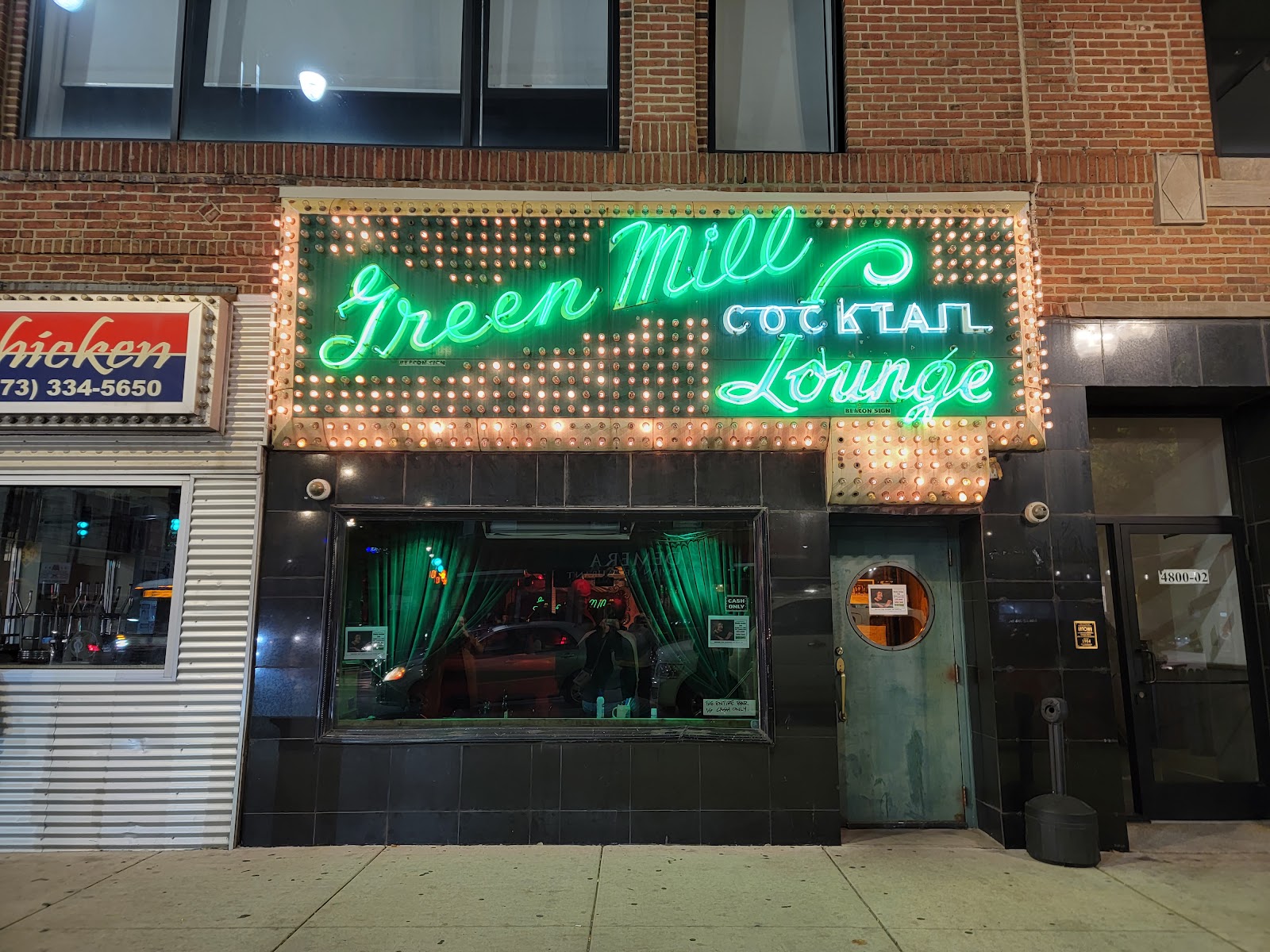
The Green Mill Cocktail Lounge
The Green Mill. That crescent-moon sign has been hanging over this corner since nineteen ten, and the room behind it has barely changed. Same long mahogany bar, same booths, same low green light.
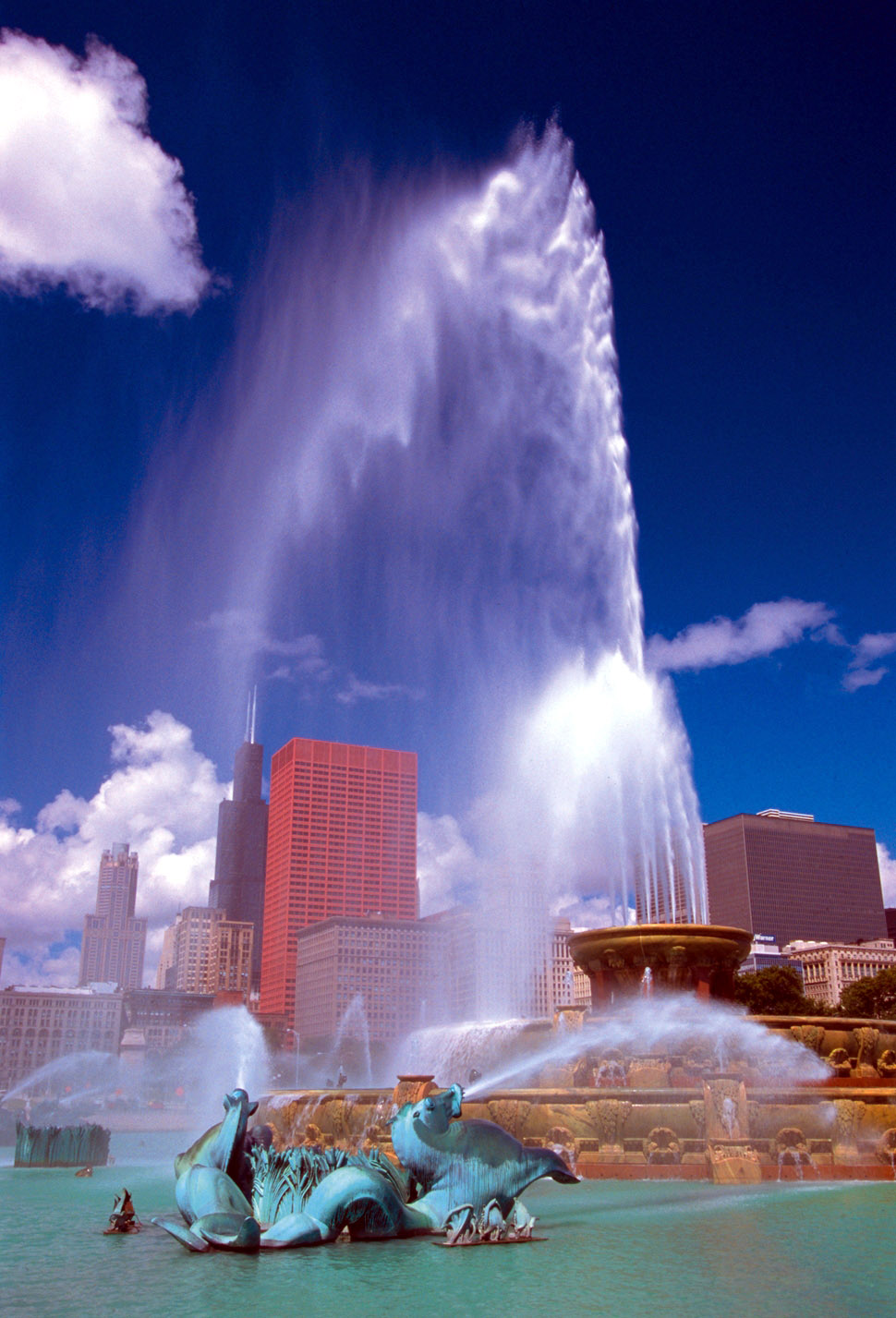
Buckingham Fountain
That enormous pink marble wedding cake in front of you is Buckingham Fountain, and every part of it is pointed at the lake on purpose. Start with the four bronze sea horses. They aren't decoration and they aren't Greek.
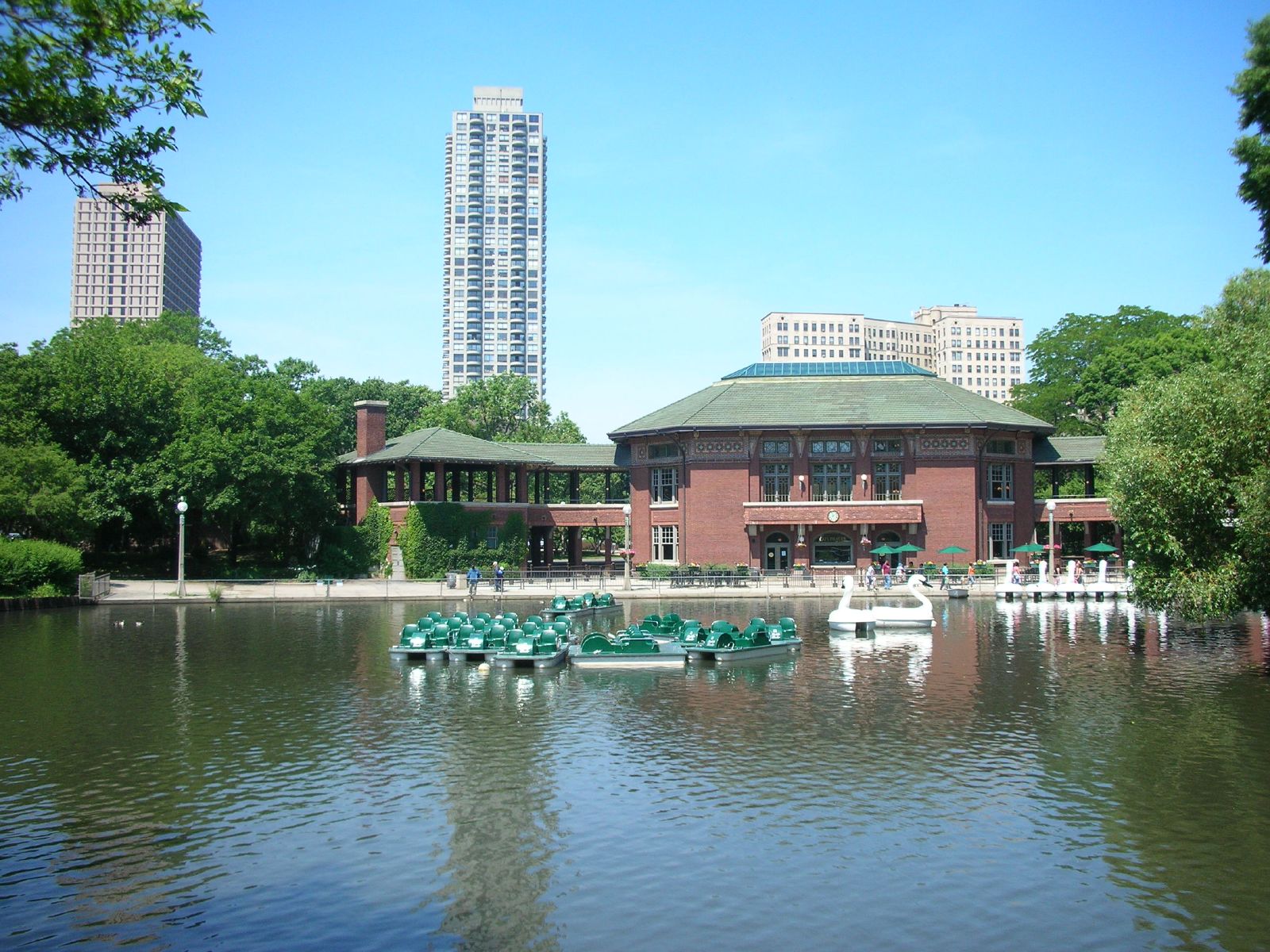
Café Brauer
The long brick building with the green tile roof and the eaves that stick way out past the walls is Café Brauer. Prairie School, nineteen oh-eight, and it is aimed straight at the water.
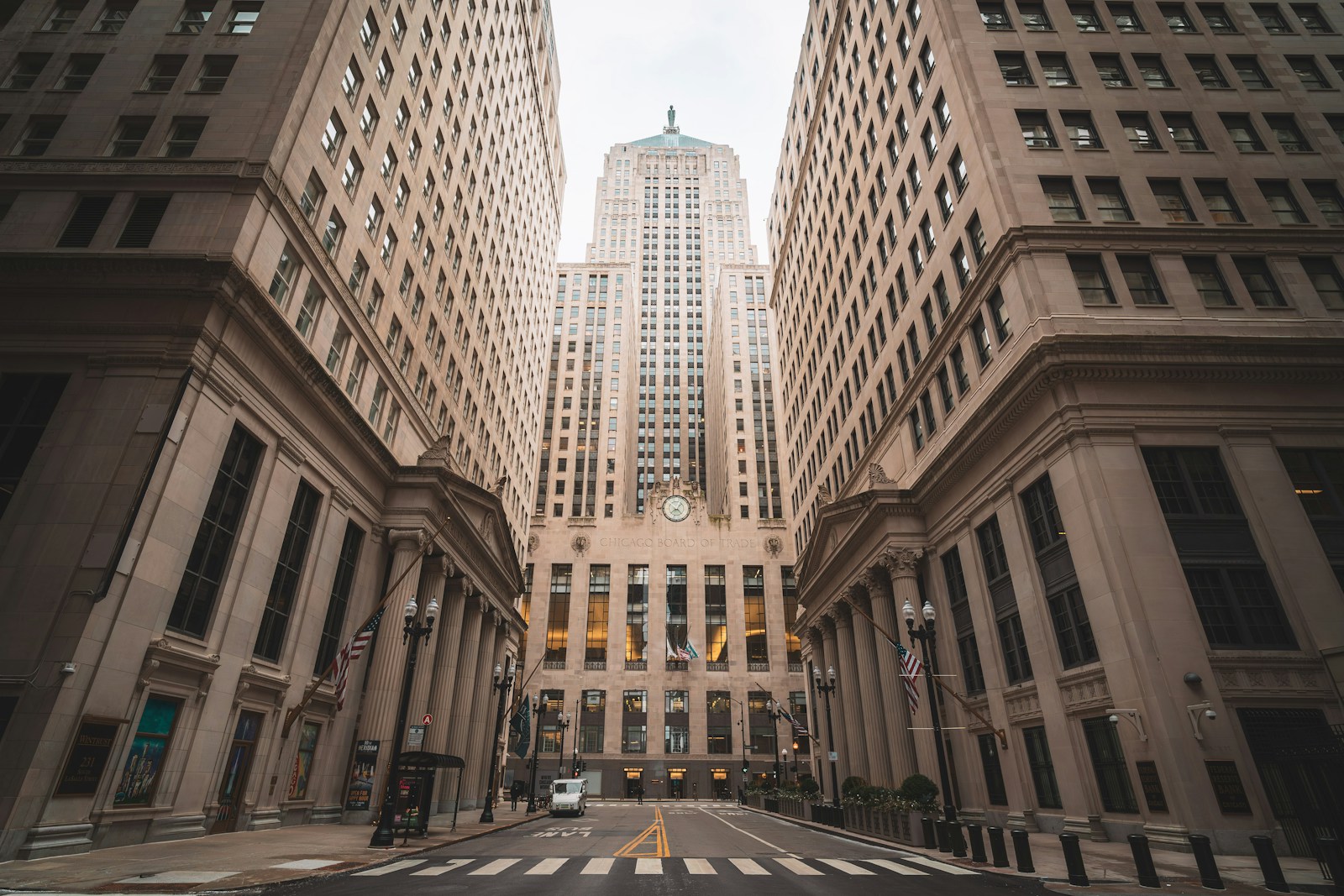
Chicago Board of Trade
LaSalle Street ends here. Every bank and every trading house up that canyon lines up in two walls of stone, and at the bottom of the corridor the Chicago Board of Trade stands across the whole opening like a cork in a bottle.
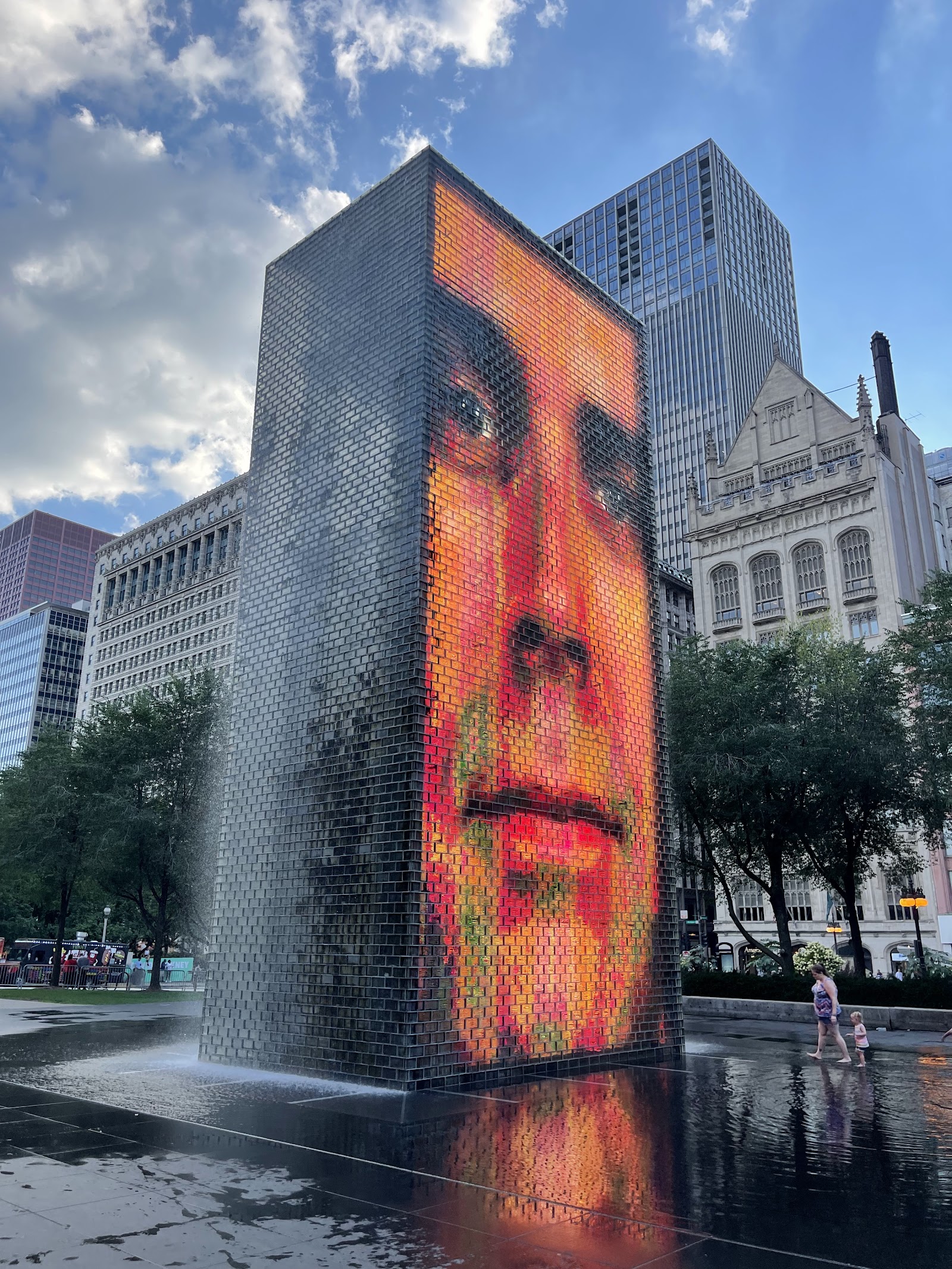
Crown Fountain
Two towers of glass block, fifty feet tall, facing each other across a long black granite floor with a quarter inch of water lying on it. And on the inward face of each tower, a person. Enormous. Blinking. Looking at you.
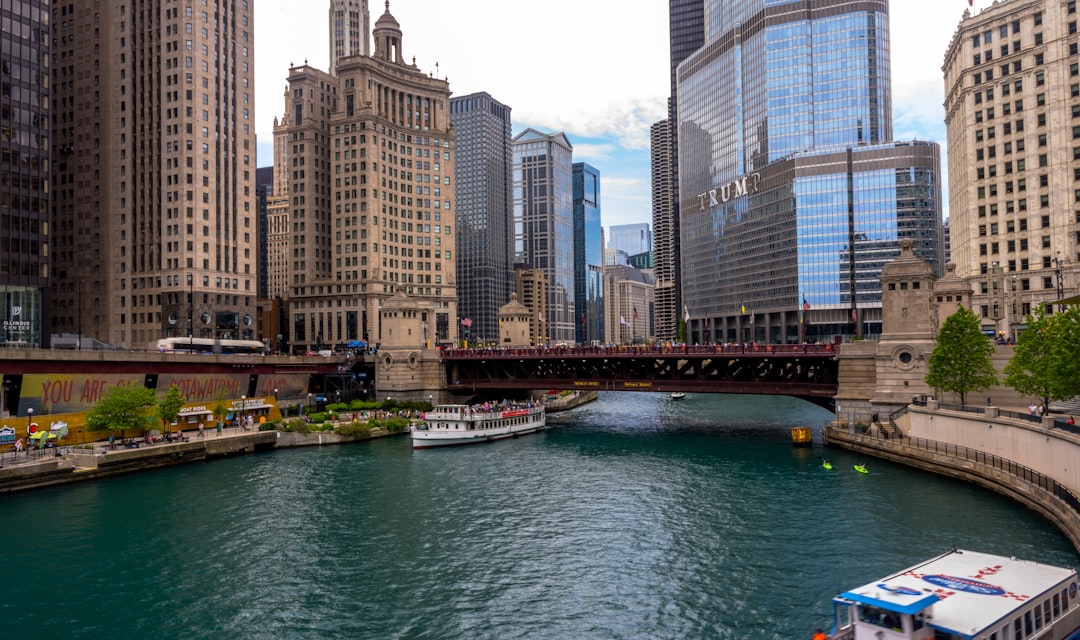
DuSable Bridge and the River Mouth
Four little stone houses sit at the corners of this bridge, and there are bronze plaques set flat into the pavement. This is the mouth of the Chicago River.
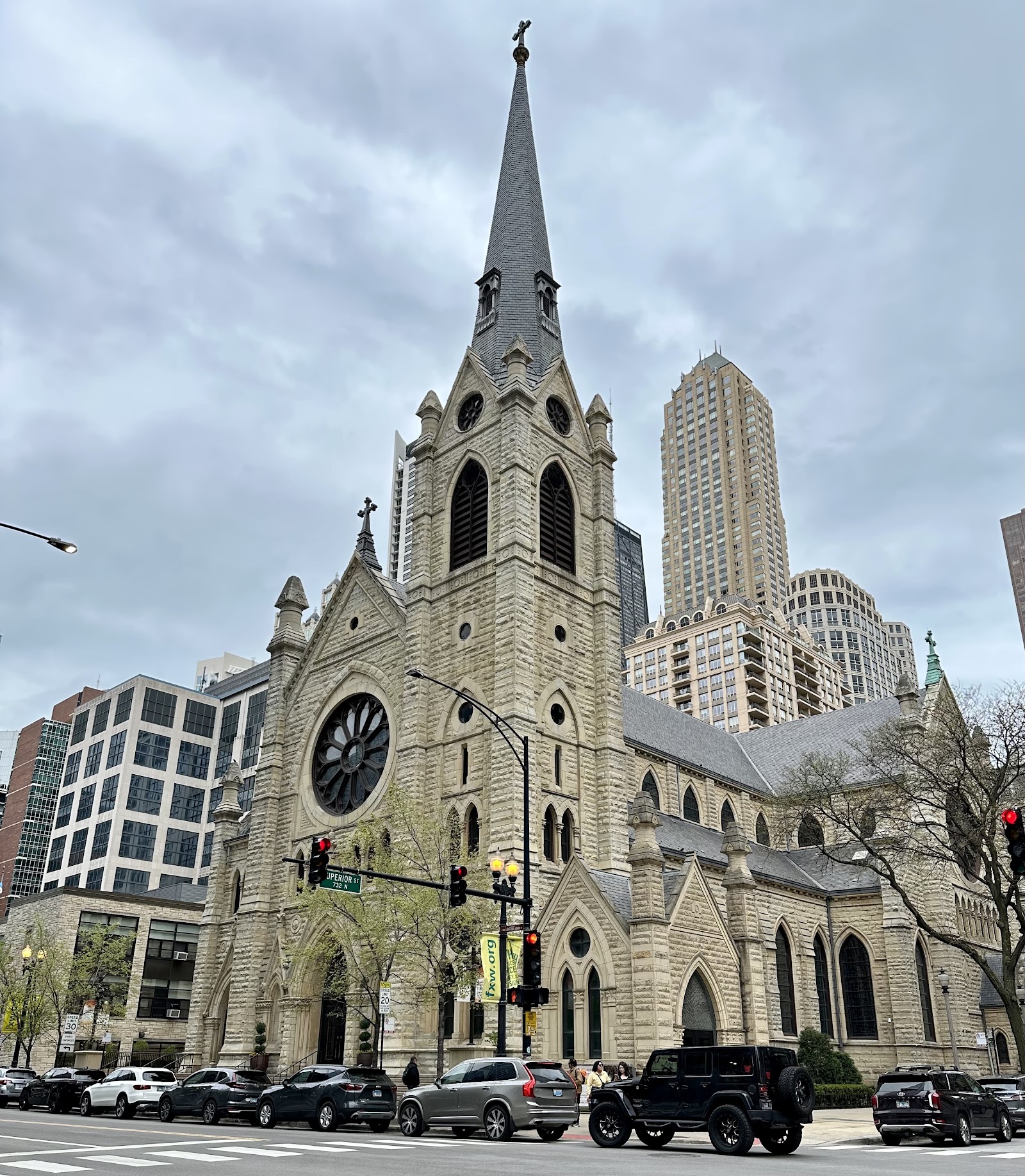
Holy Name Cathedral
Look up. Holy Name Cathedral — the seat of the whole Chicago archdiocese, and one of the most beautiful buildings in the city.
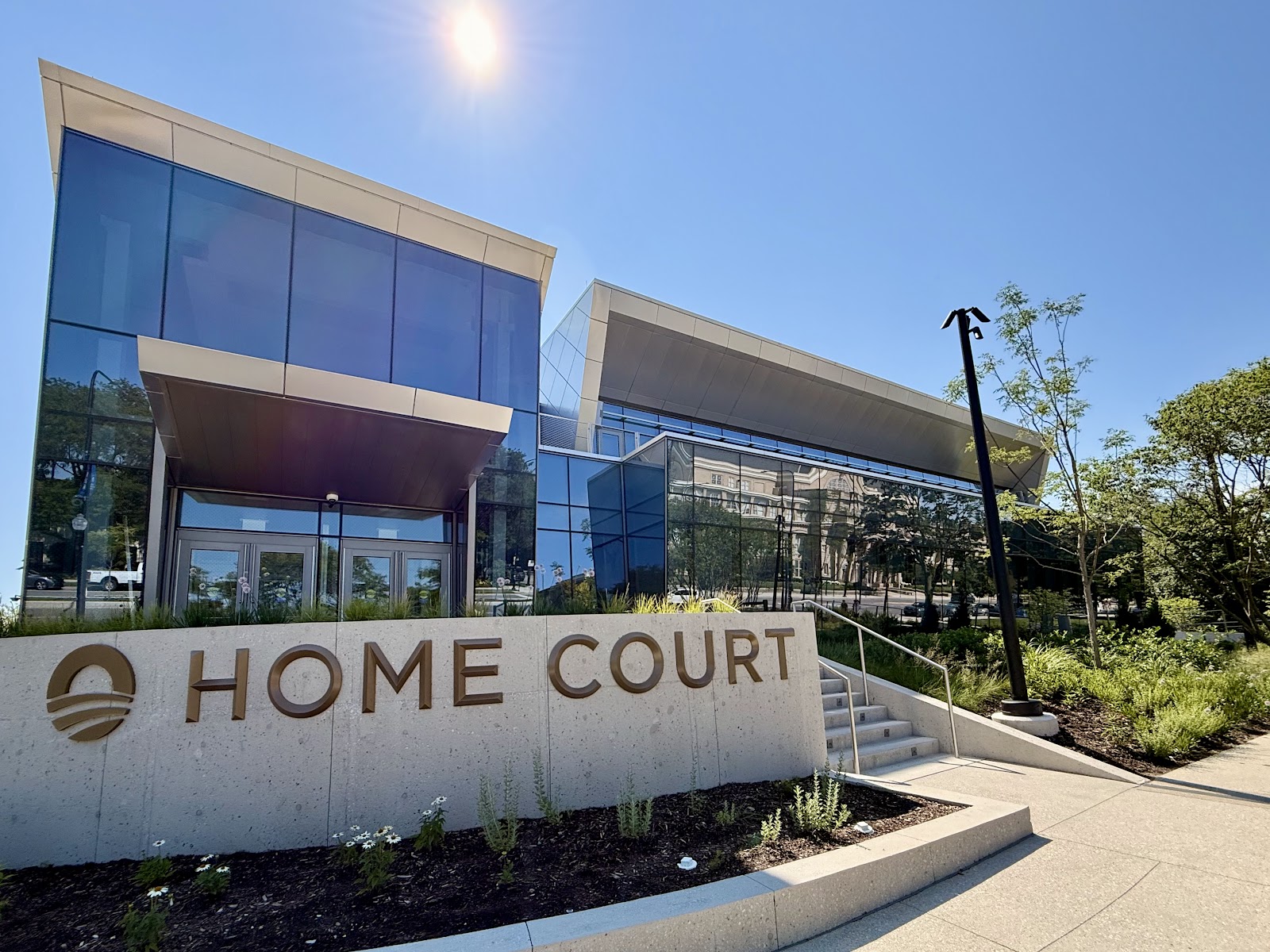
Home Court
Home Court. Sixty thousand square feet, and inside it is a full N-B-A regulation basketball court. Free. Open to the public, seven days a week, noon till eight.
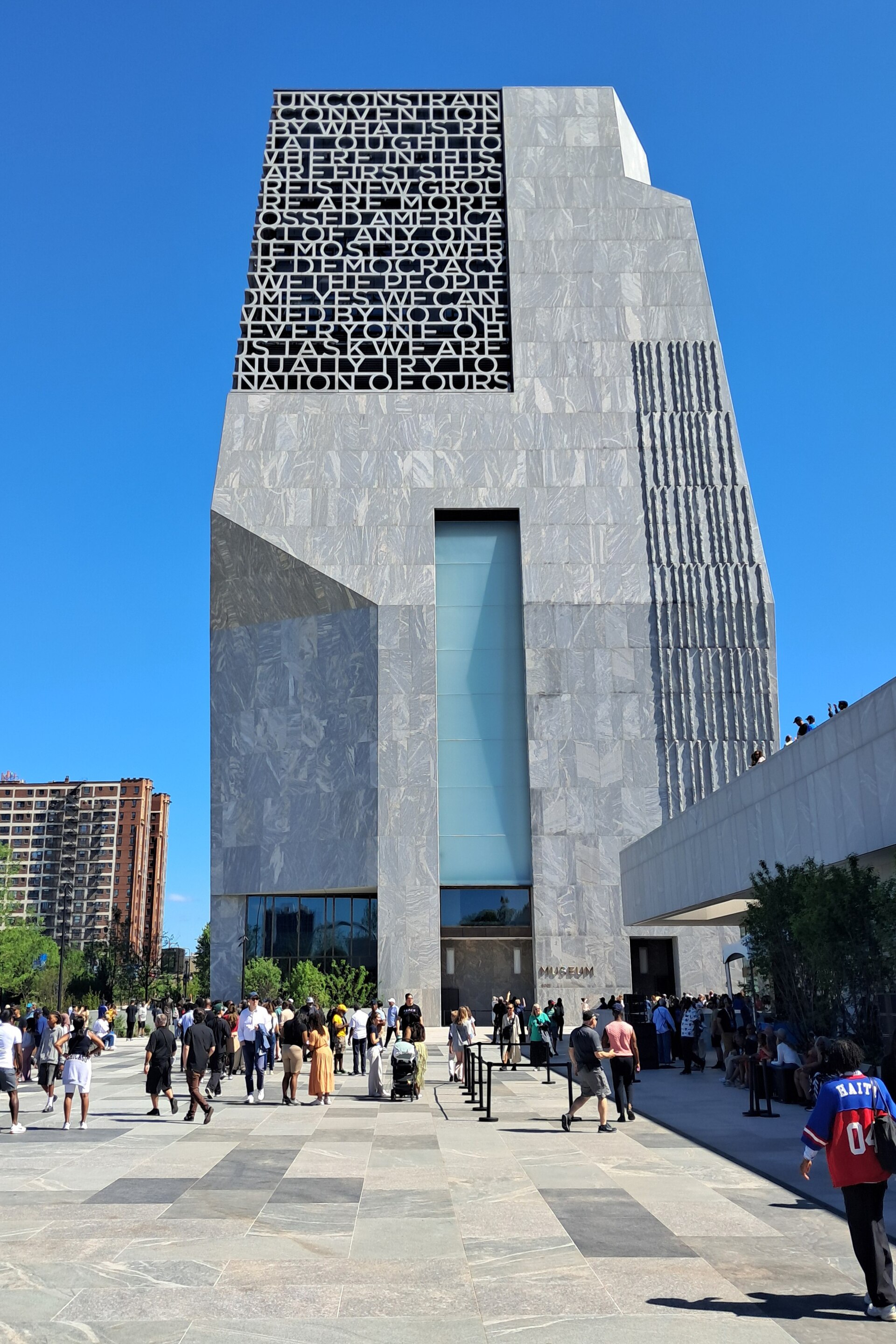
John Lewis Plaza
John Lewis Plaza — the open stone square you're standing in. Somewhere near you there's a long wooden beam, thirty-four feet of it, hand-carved and left out in the weather. That's by Martin Puryear, and he called it Bending the Arc.
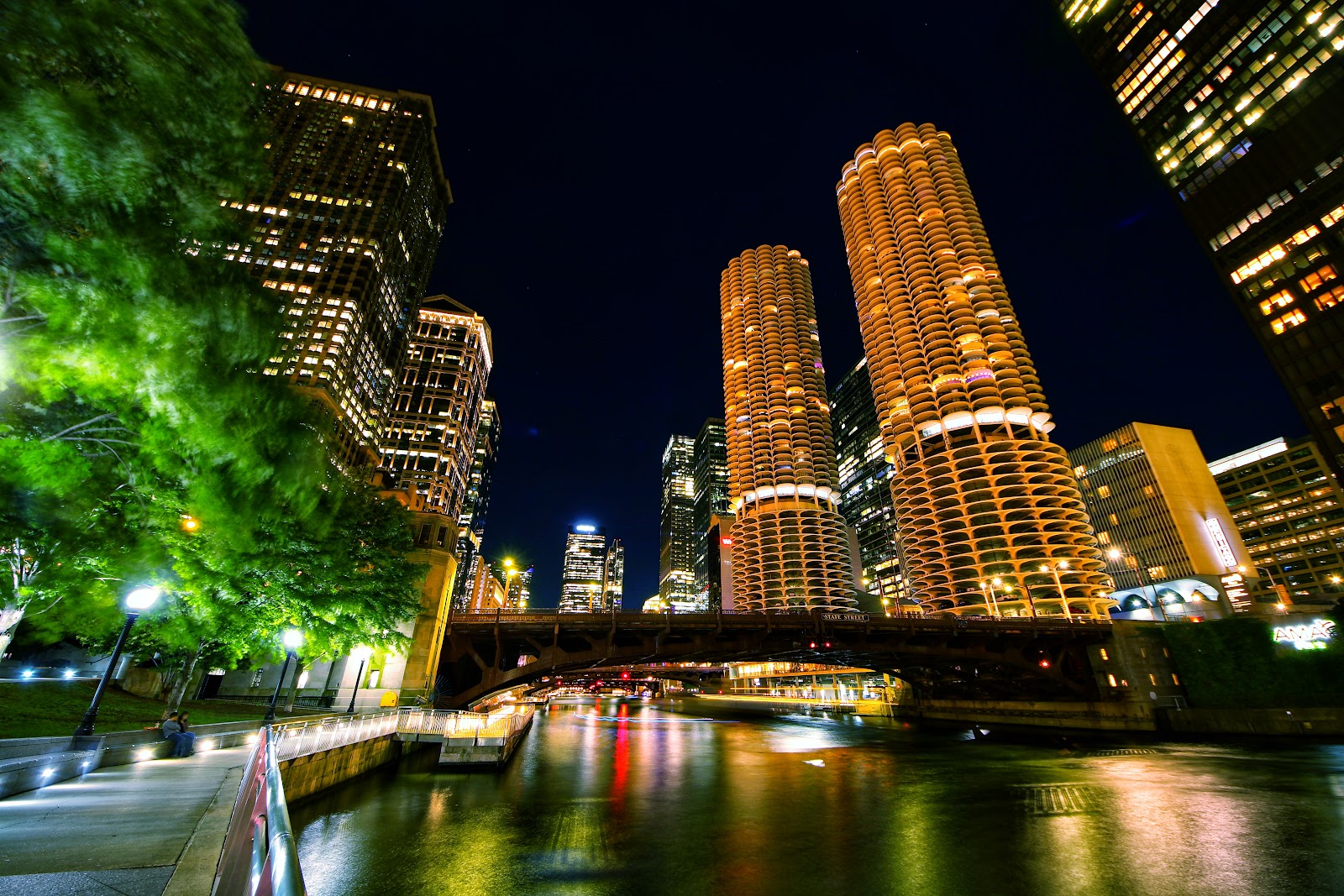
Marina City
Two round concrete towers with scalloped edges, sixty-five stories each, sitting right on the water. Everyone calls them the corn cobs.
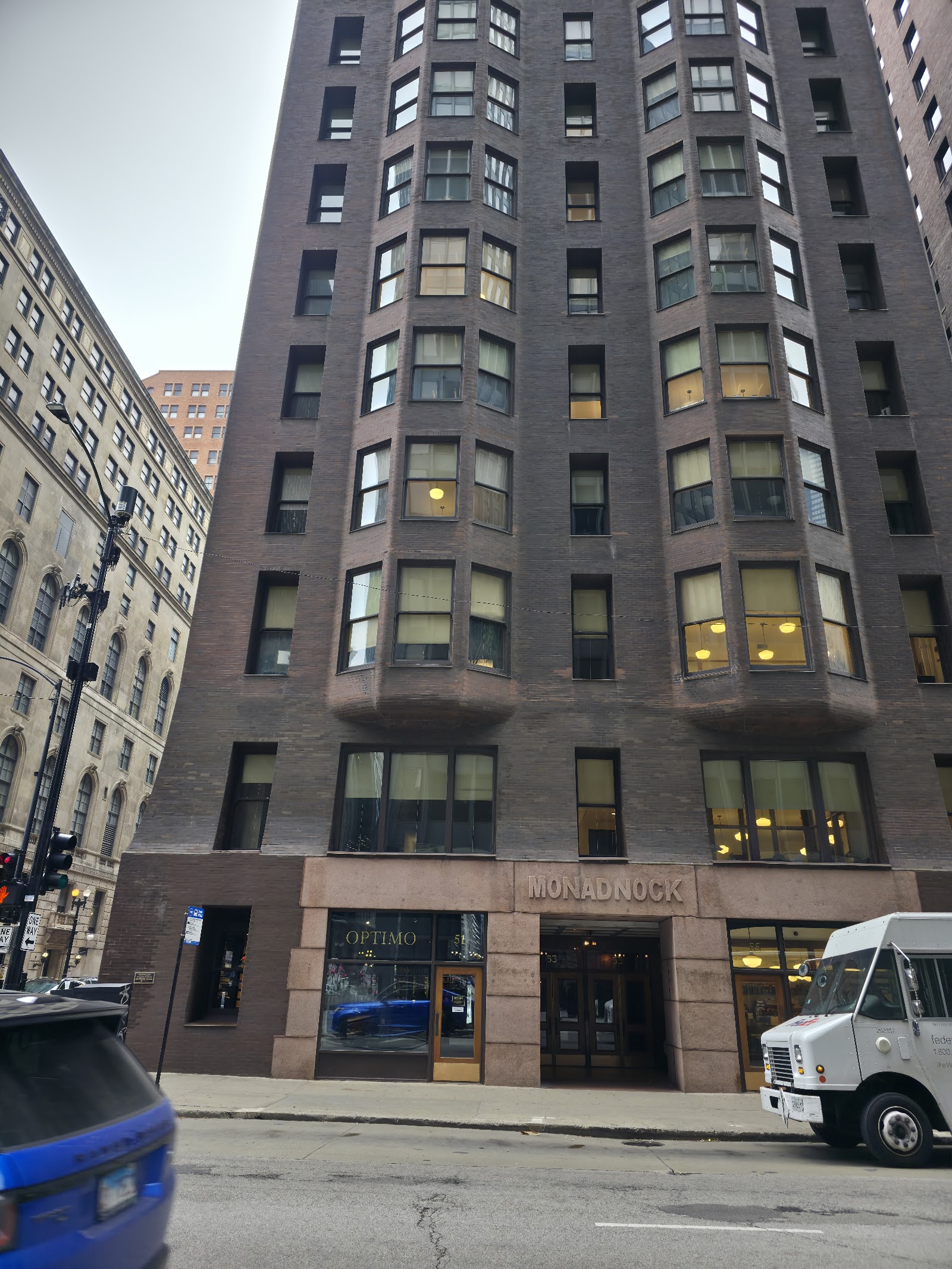
Monadnock Building
The long dark brown slab in front of you is the Monadnock Building, and it has the visual charisma of a very serious brick. I mean that with real affection. It might be the most consequential brick anyone ever laid.
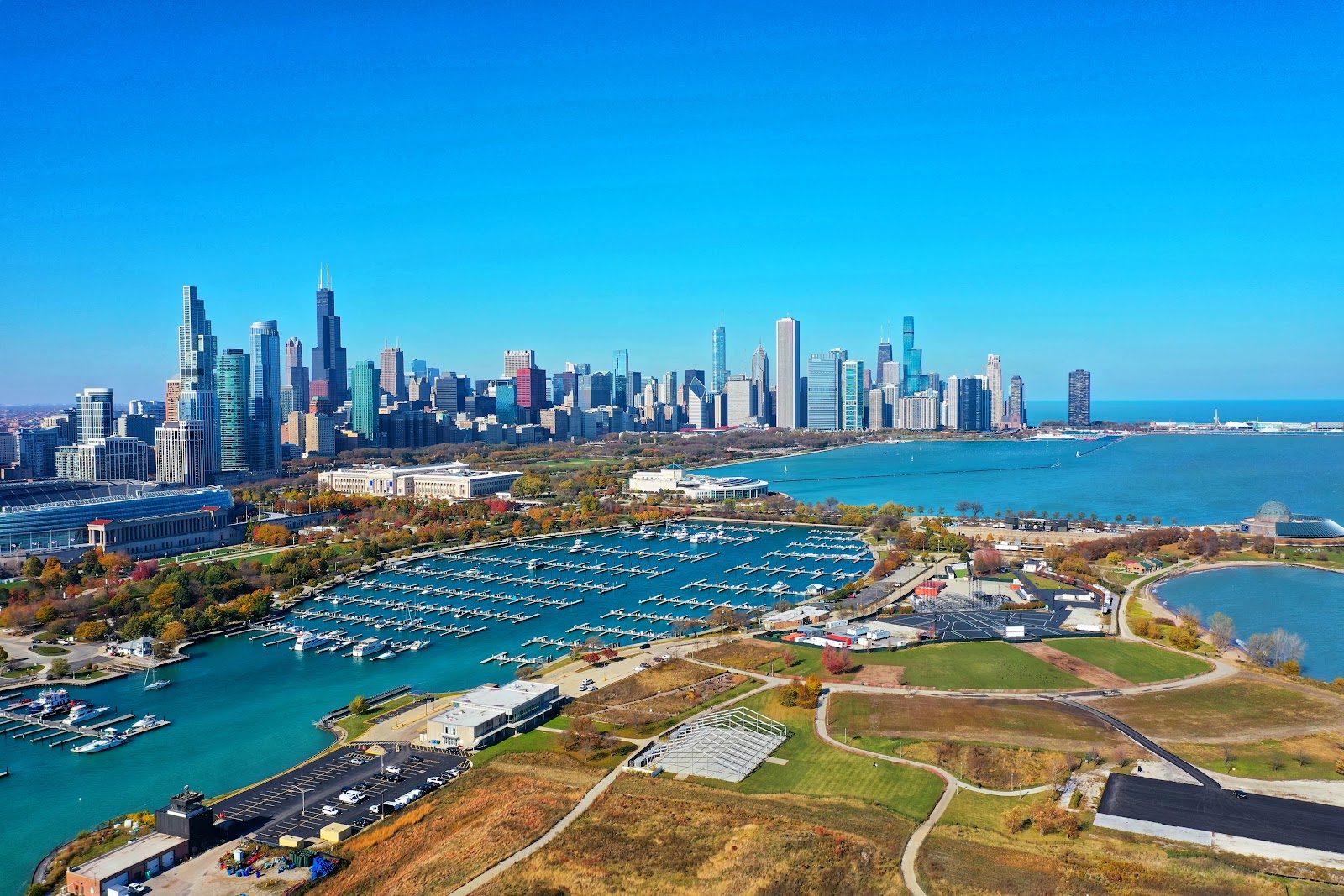
Northerly Island — The Airport That Was Erased Overnight
The prairie grass ahead of you is a runway. Northerly Island was a working downtown airport until a mayor decided, in the middle of one night, that it wasn't going to be one anymore. Start with the name, which is wrong in two directions.
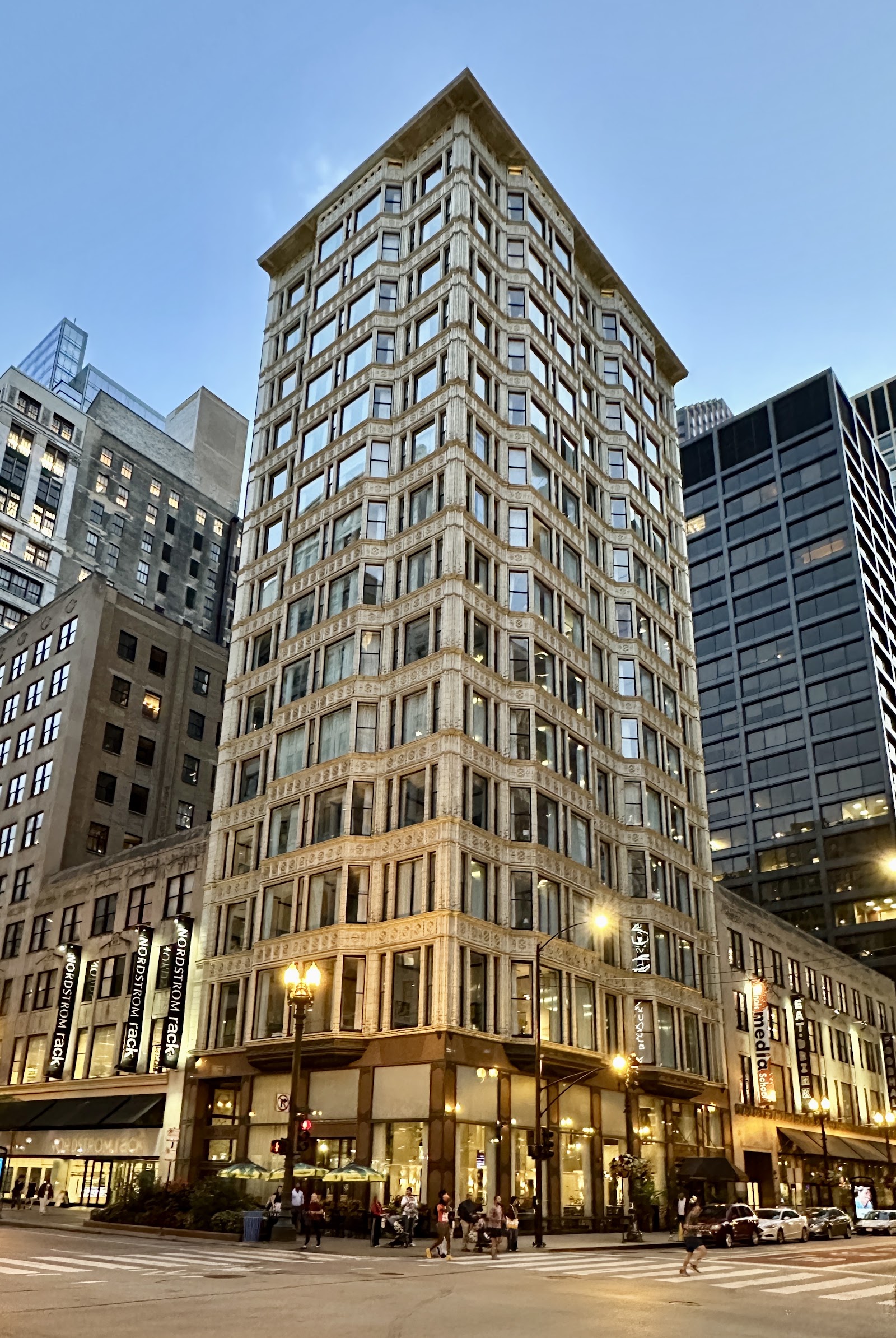
Reliance Building
The slim white tower on this corner is almost entirely window. Count the wall. There's barely any.
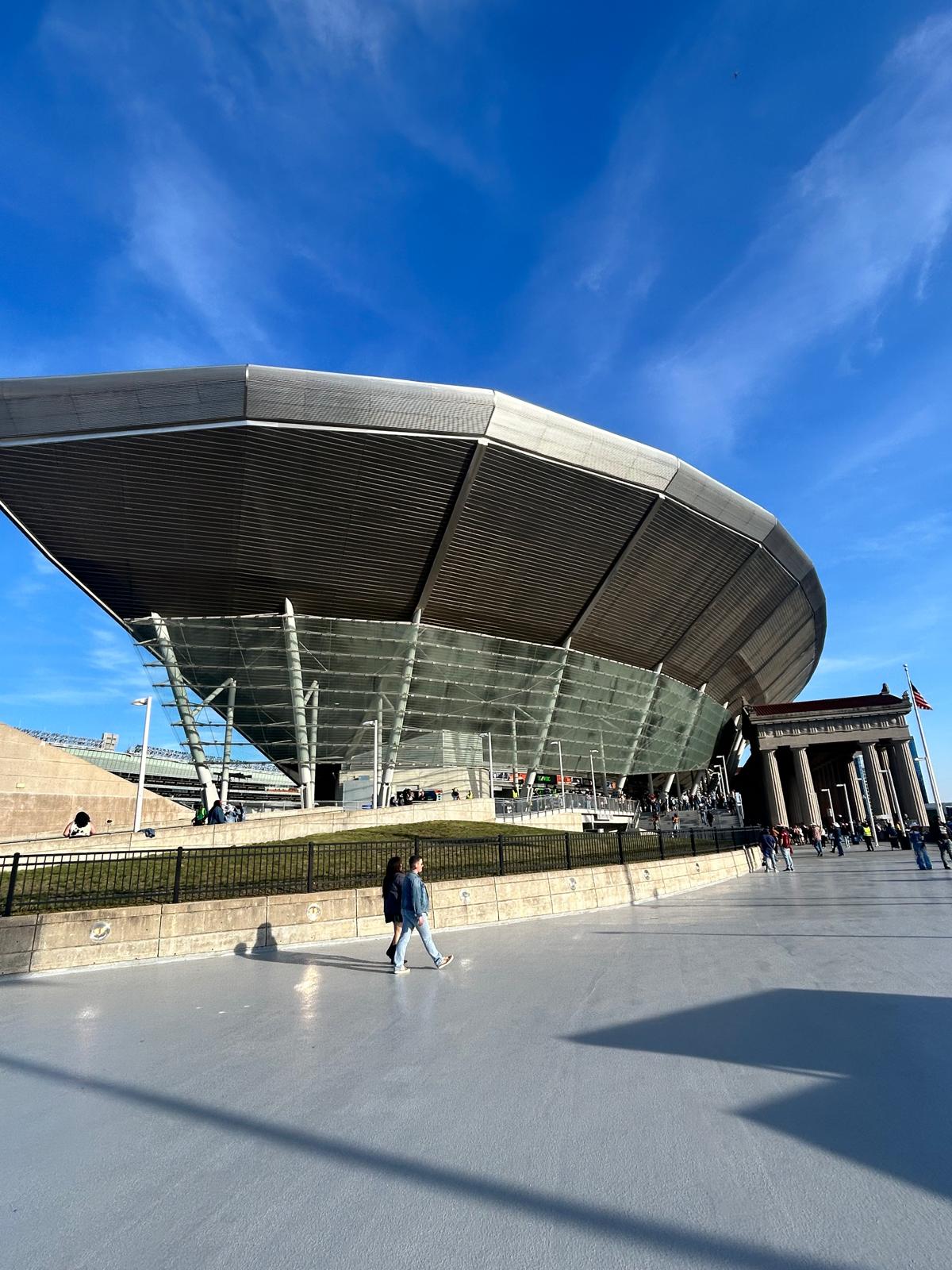
Soldier Field
Those two long rows of Doric columns are Soldier Field, or at least the part of it that's original. Everything you can see between and above them arrived seventy-nine years later, and Chicago has never fully forgiven anyone for it.
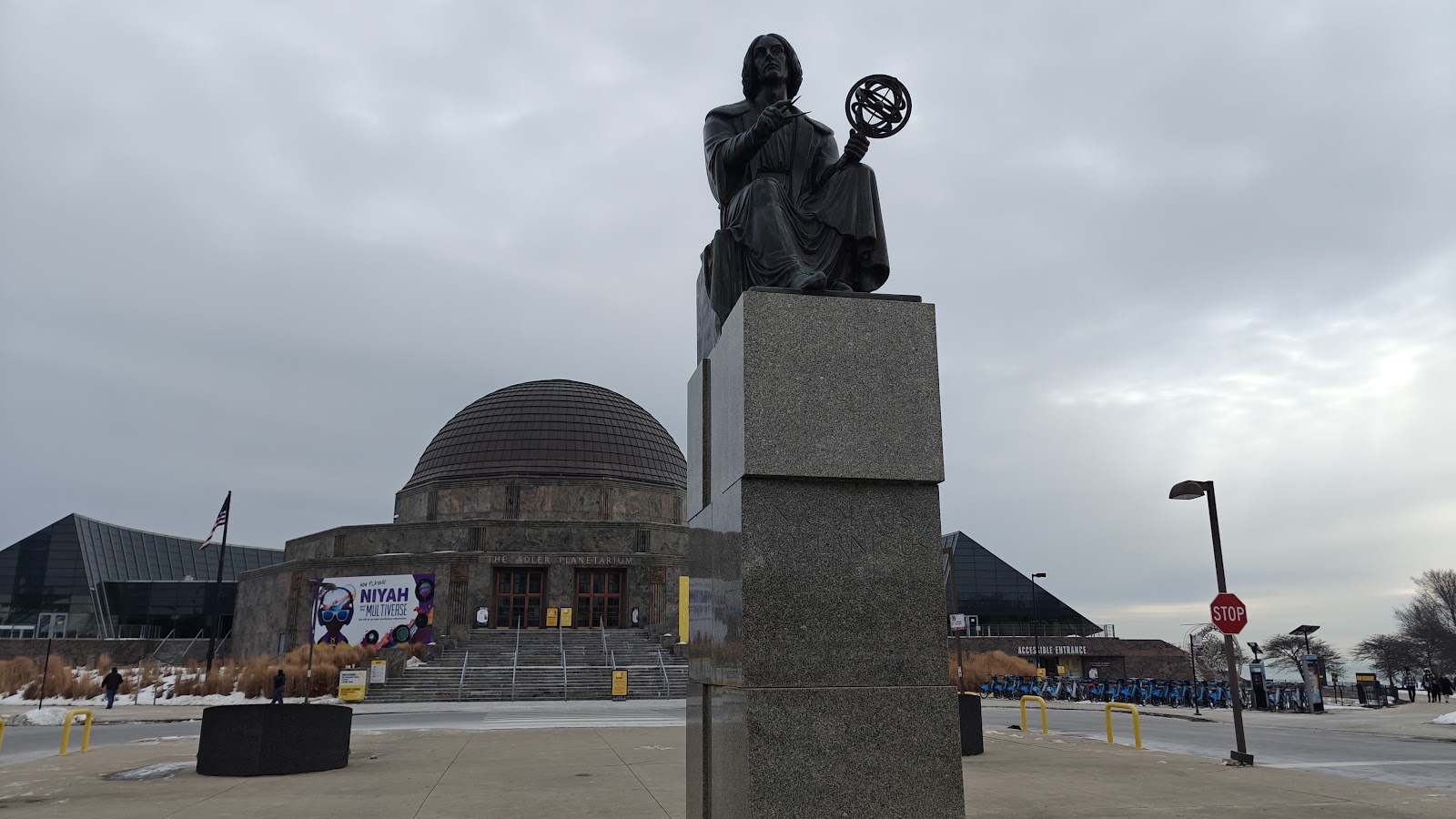
Solidarity Drive
The causeway running out toward the planetarium is called Solidarity Drive, and there are three bronze men standing in the median of it. All three were made for somewhere else. All three got moved.
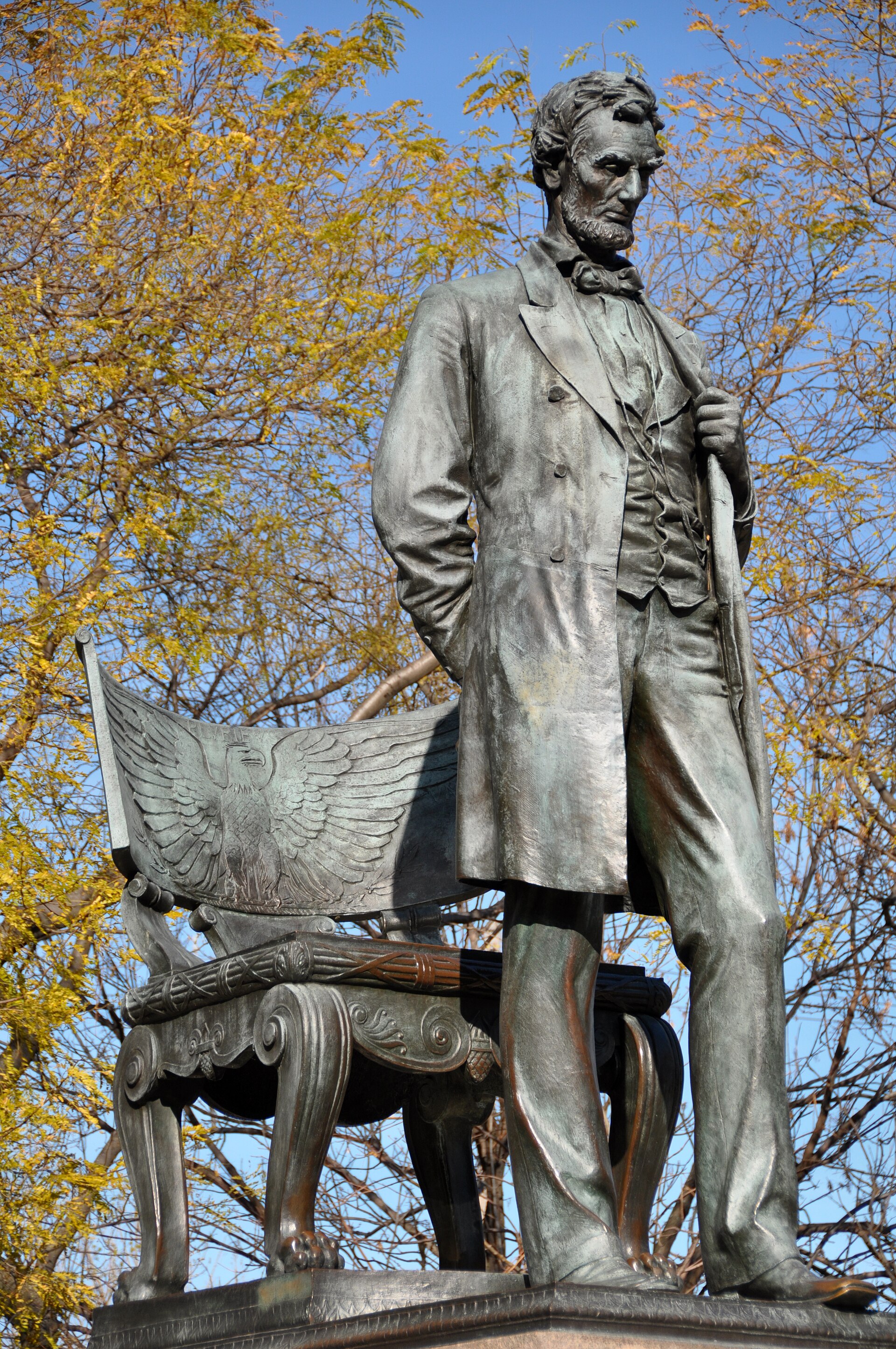
Standing Lincoln
The bronze man in front of you has not started talking yet. Look at what he's doing. He's just risen from the chair behind him. Head down, one hand on his lapel, the other hanging at his side.
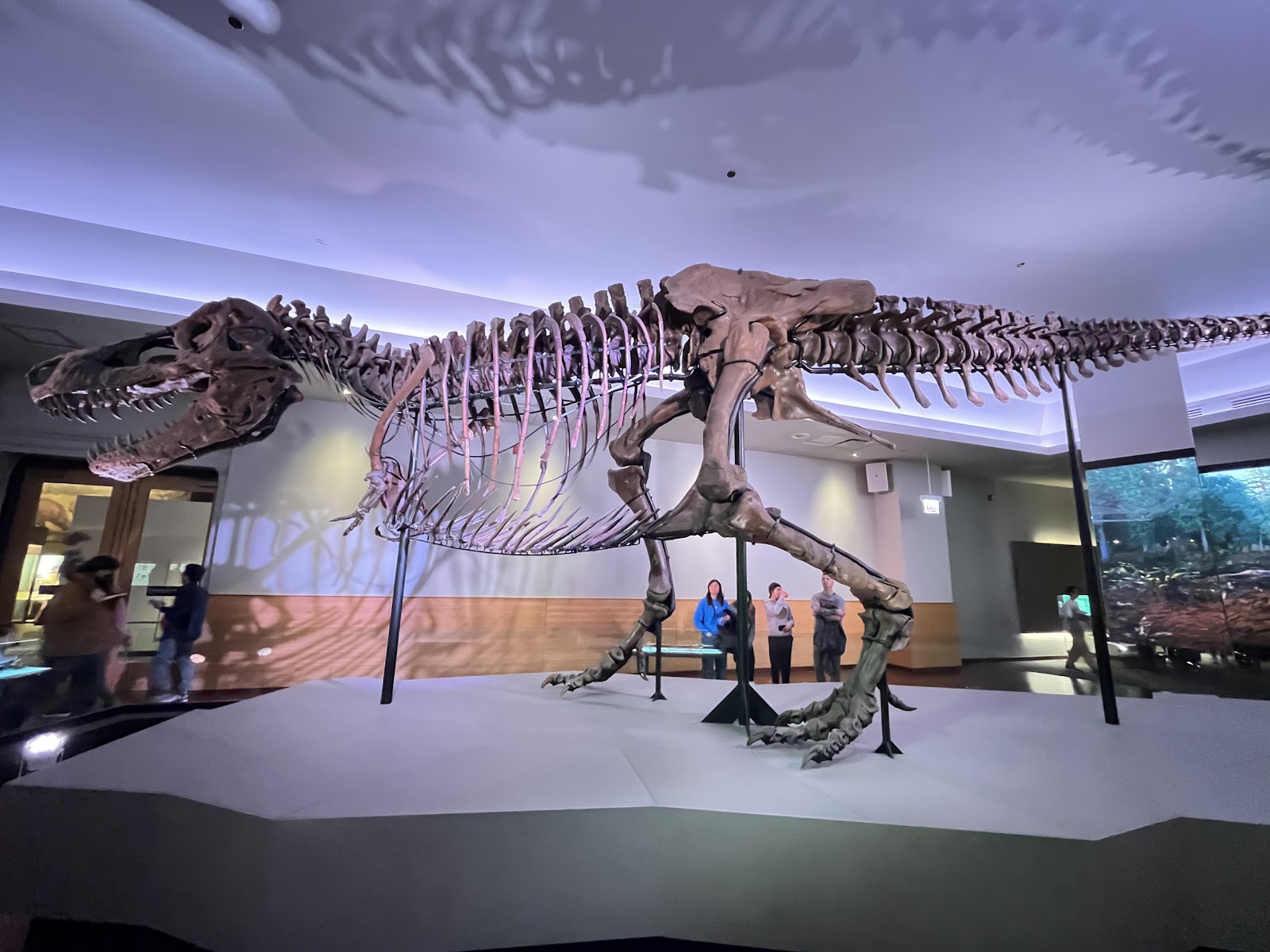
Sue and the Lions of Tsavo
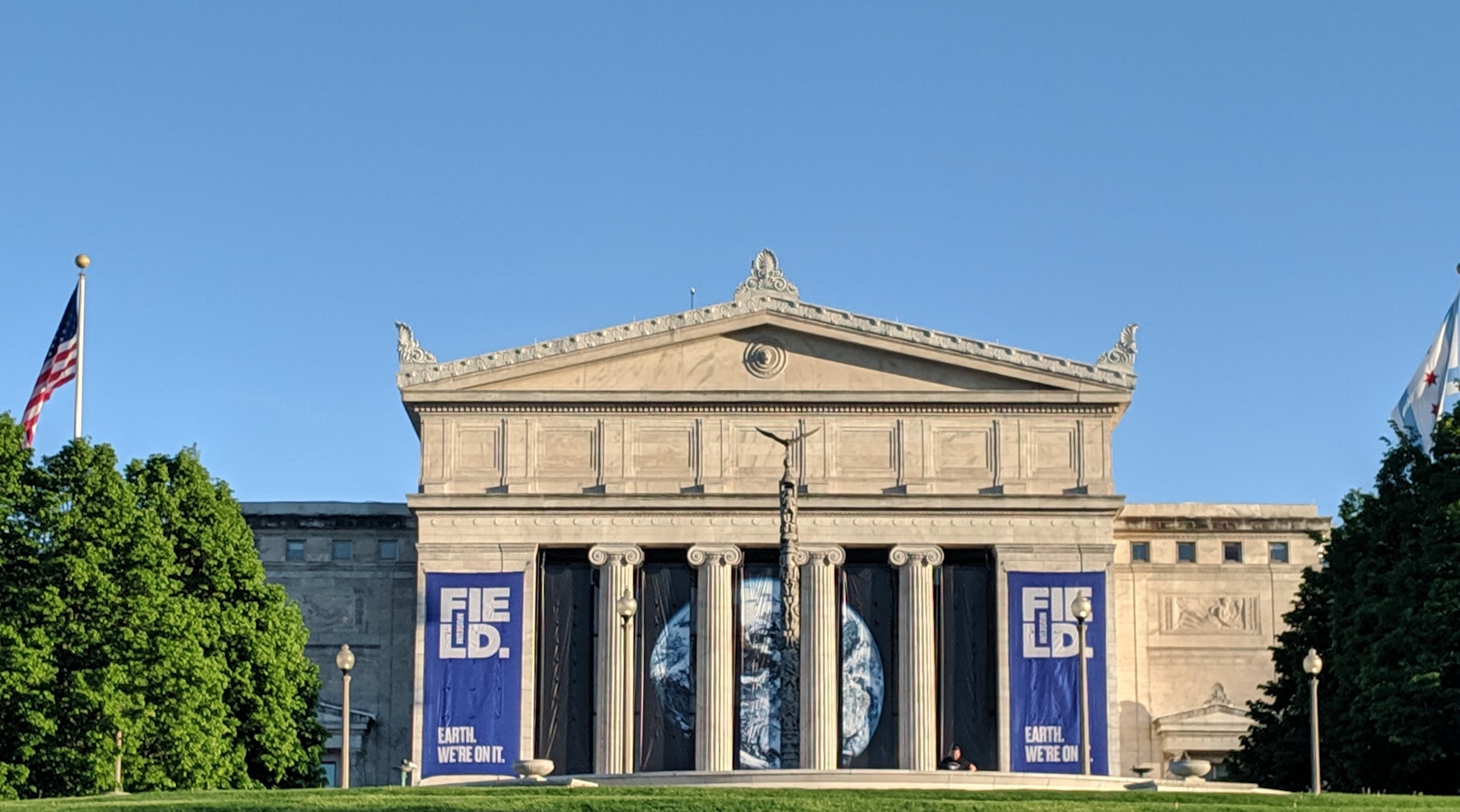
The east face of the Field Museum, with the lake at your back. On the other side of that marble is a forty-foot Tyrannosaurus rex named Sue, and she was found because somebody got a flat tire. August, nineteen ninety.
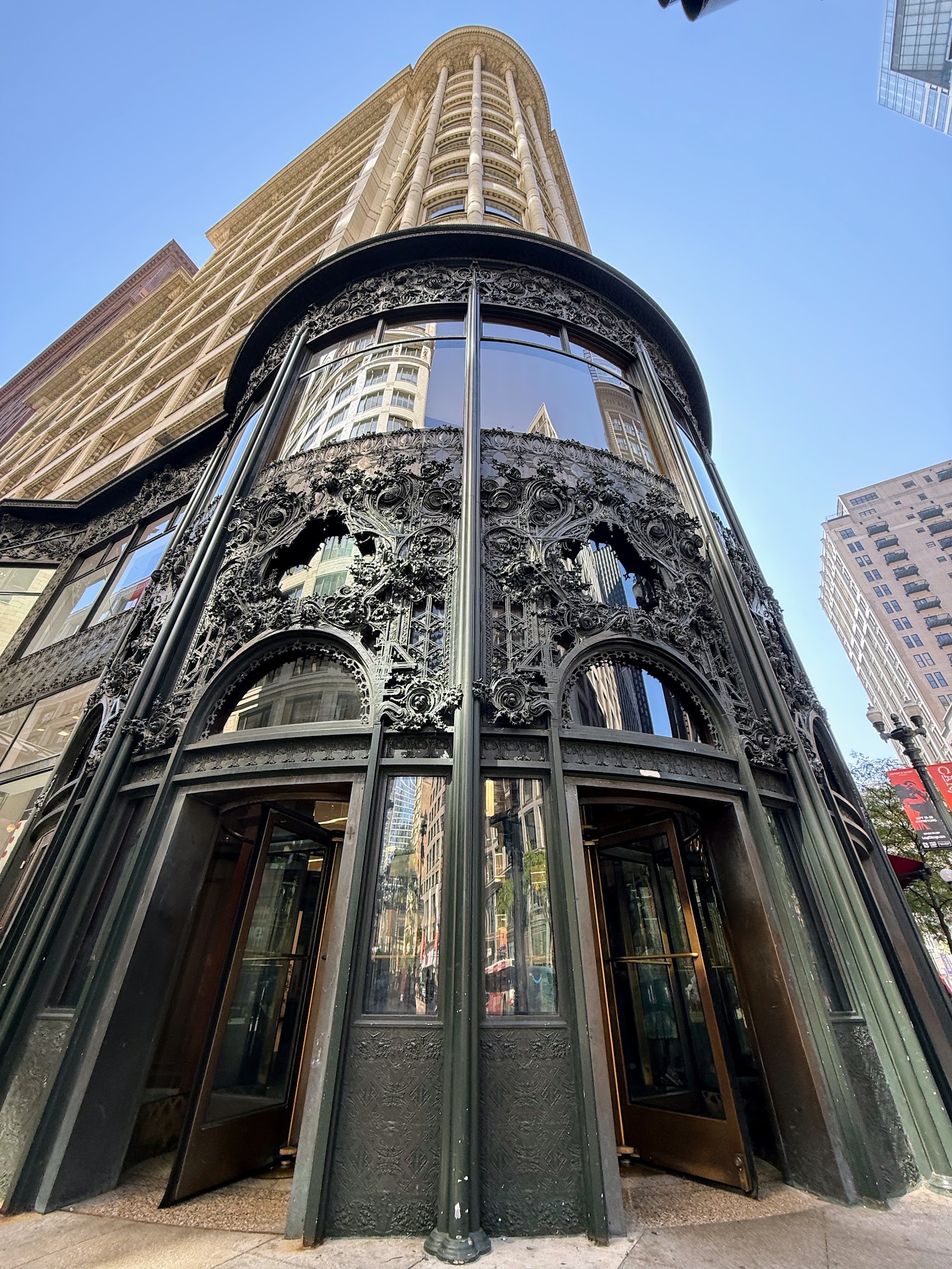
Sullivan Center
Get close to the rounded corner where State Street meets Madison, and look at the metal around the doorway. It runs from the entrance up through two full floors, and it's the finest metalwork in Chicago.
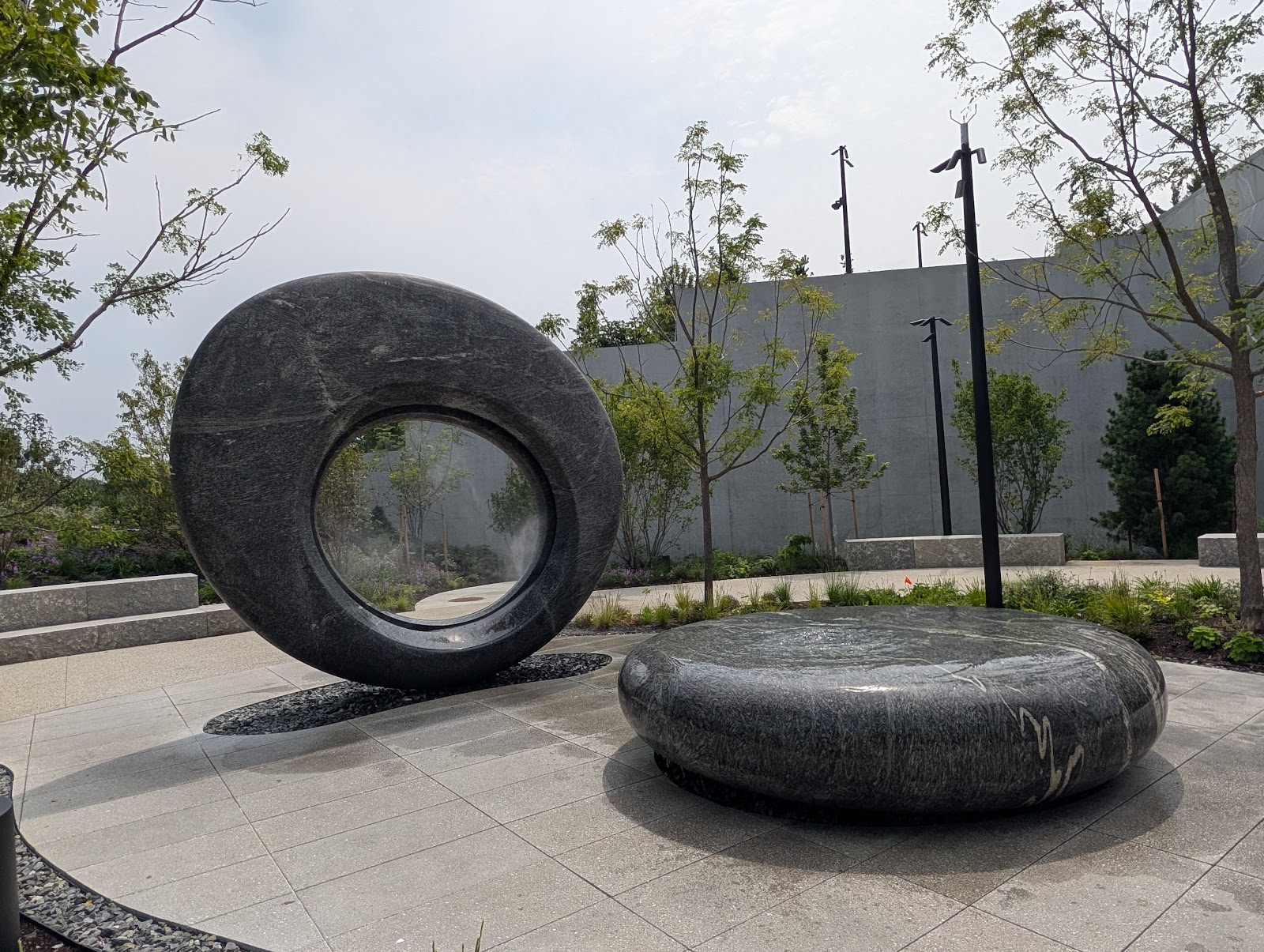
The Ann Dunham Water Terrace
The water terrace. There's a low stone form here that fills until it can't hold any more and then spills over its own edge, and near it an upright ring that puts out a fine mist. The piece is called Seeing Through the Universe.
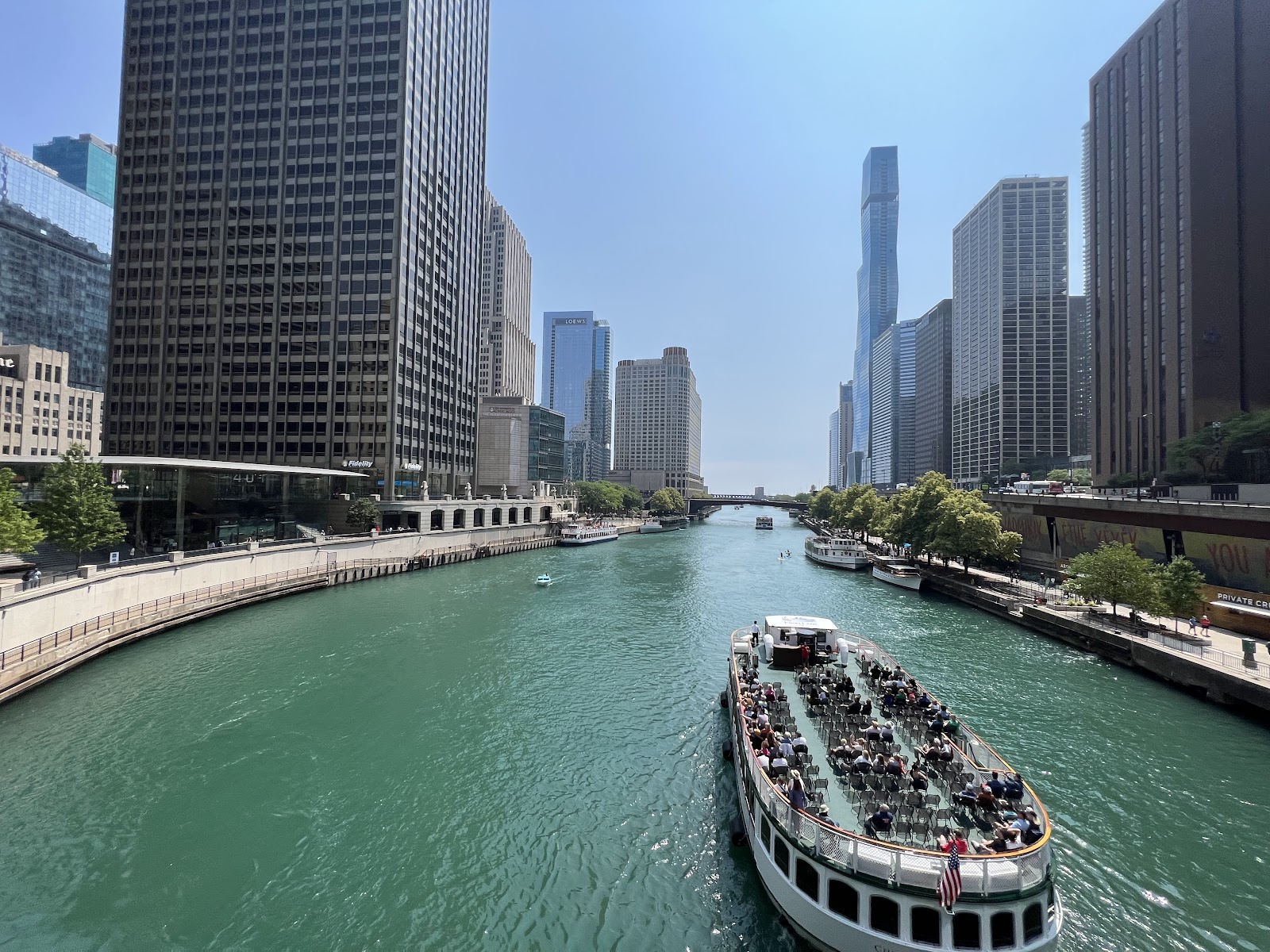
The Chicago Riverwalk
Down here at water level you get engine noise, gulls, and a slow green river with tour boats sliding along it. That river is flowing the wrong way. Not by accident, and not by a little.
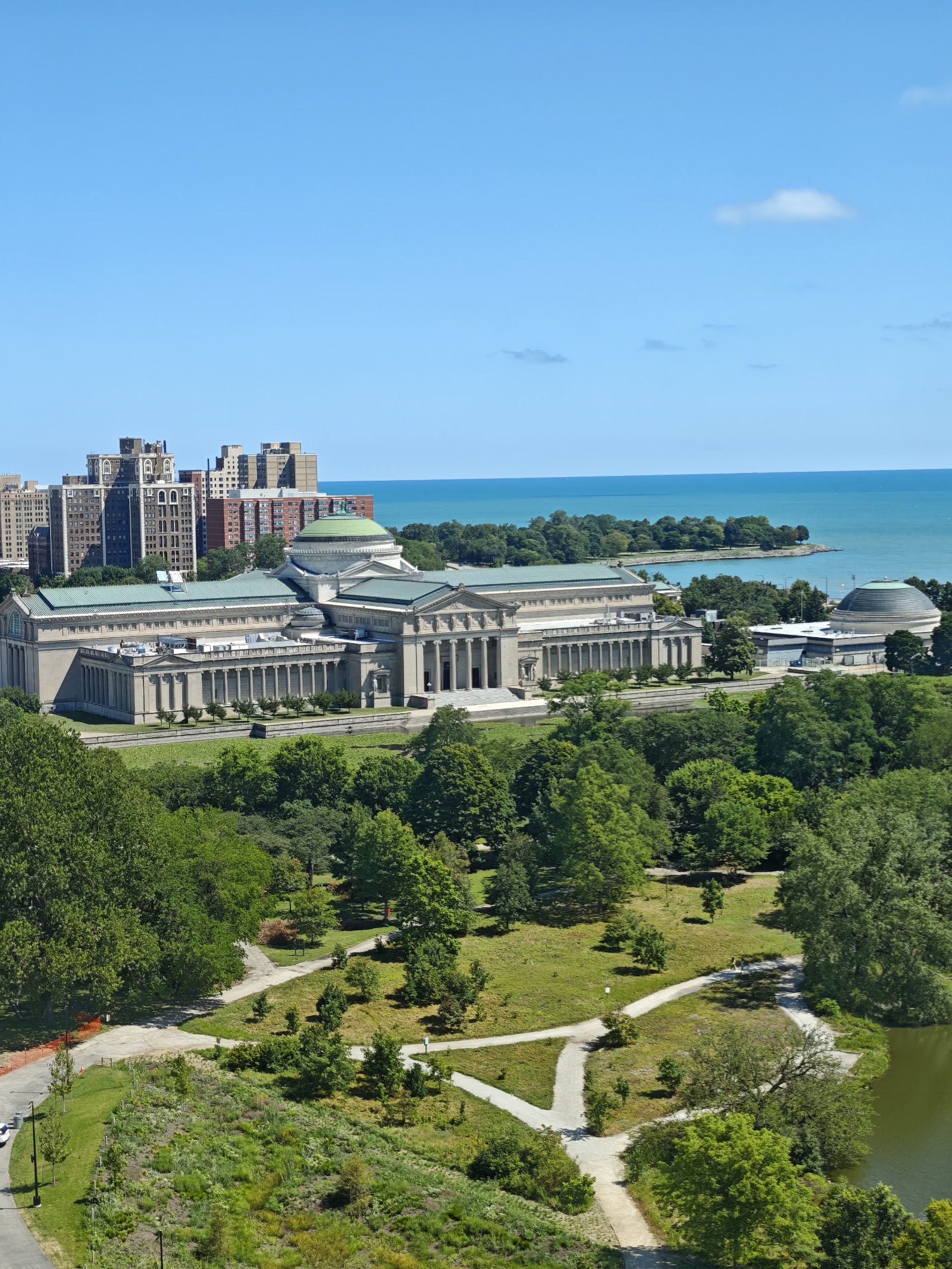
The Great Lawn and the Road That Isn't There
The Great Lawn. Fifty-eight thousand square feet of grass, built for picnics, concerts, and a sledding hill in the cold months. Stand still on it for a second, because a few years ago standing here would have gotten you killed.
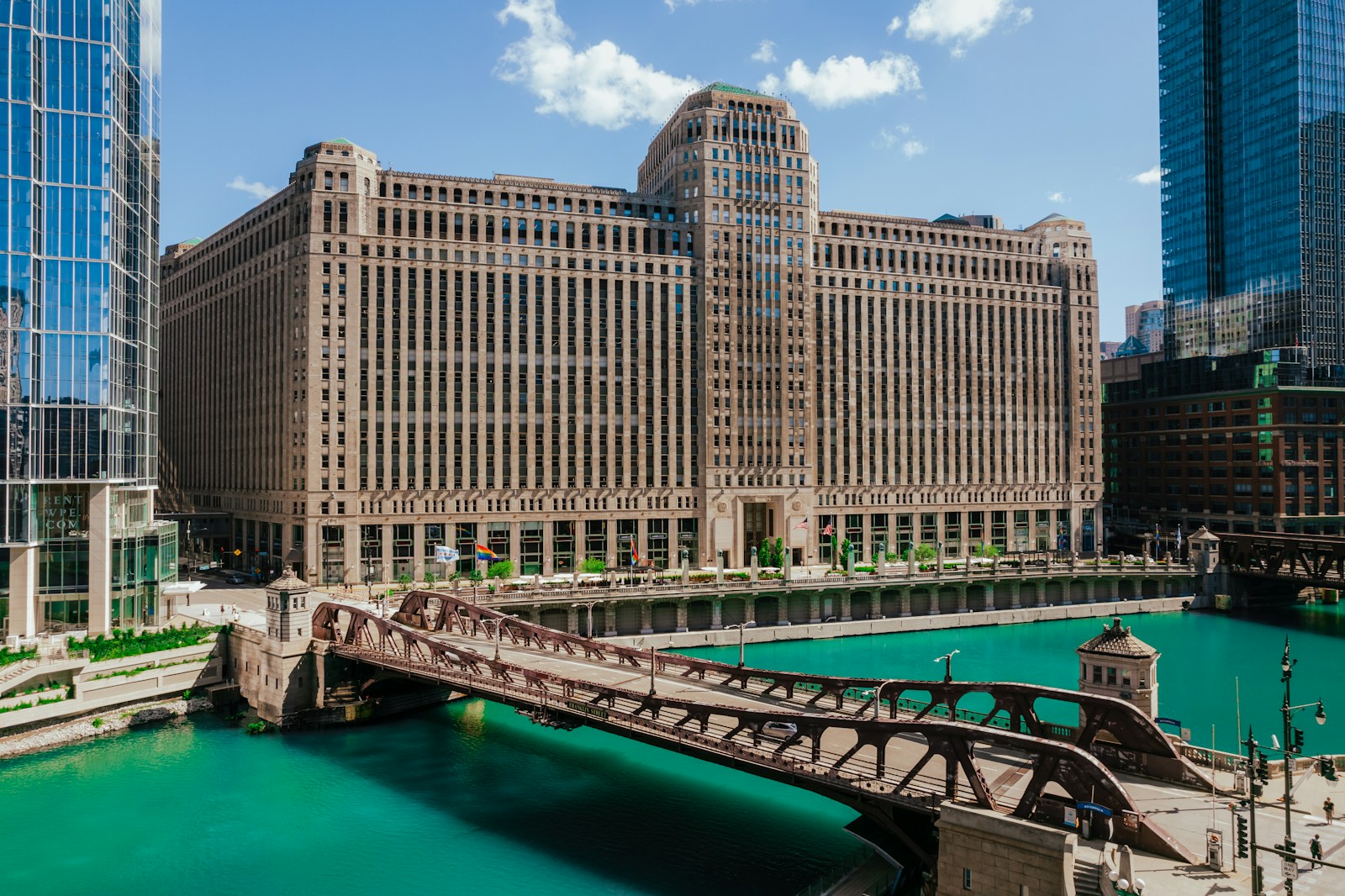
The Merchandise Mart
The limestone thing occupying the entire far bank of the river is the Merchandise Mart, and the correct way to understand it is that this is not a building with a footprint. It's a building with a territory. Four million square feet.
The North Face — Wrapping the Pineapple
This side of the tower has the color on it. Eighty-three feet of glass mural by Julie Mehretu, called Uprising of the Sun, which is the one part of this building that looks like it's moving. Mehretu is worth a second.
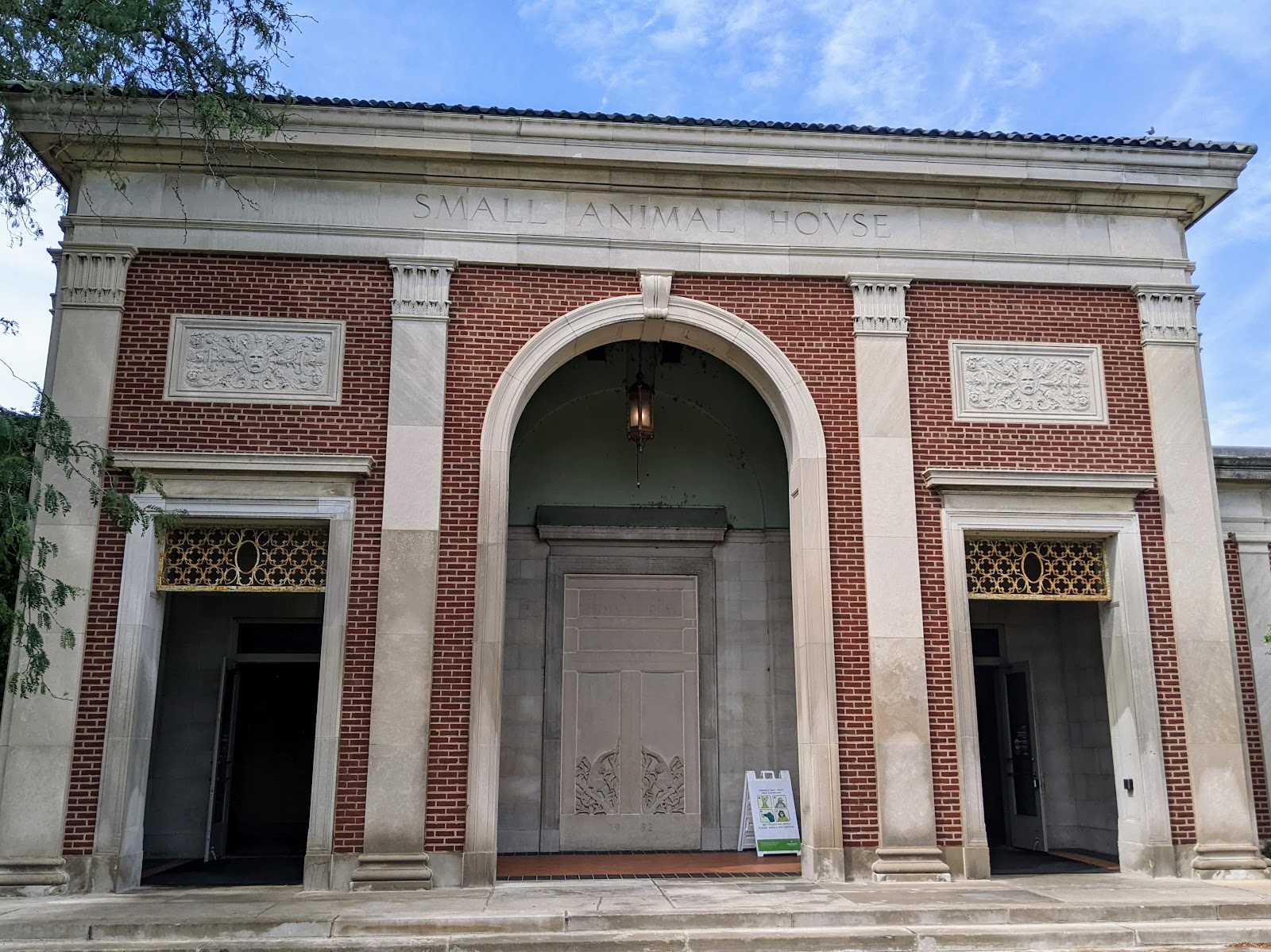
The Primate House
Brick building, arched windows, opened in nineteen twenty-seven. For about twenty years this held the most famous resident of the city of Chicago, and he was a gorilla. His name was Bushman.
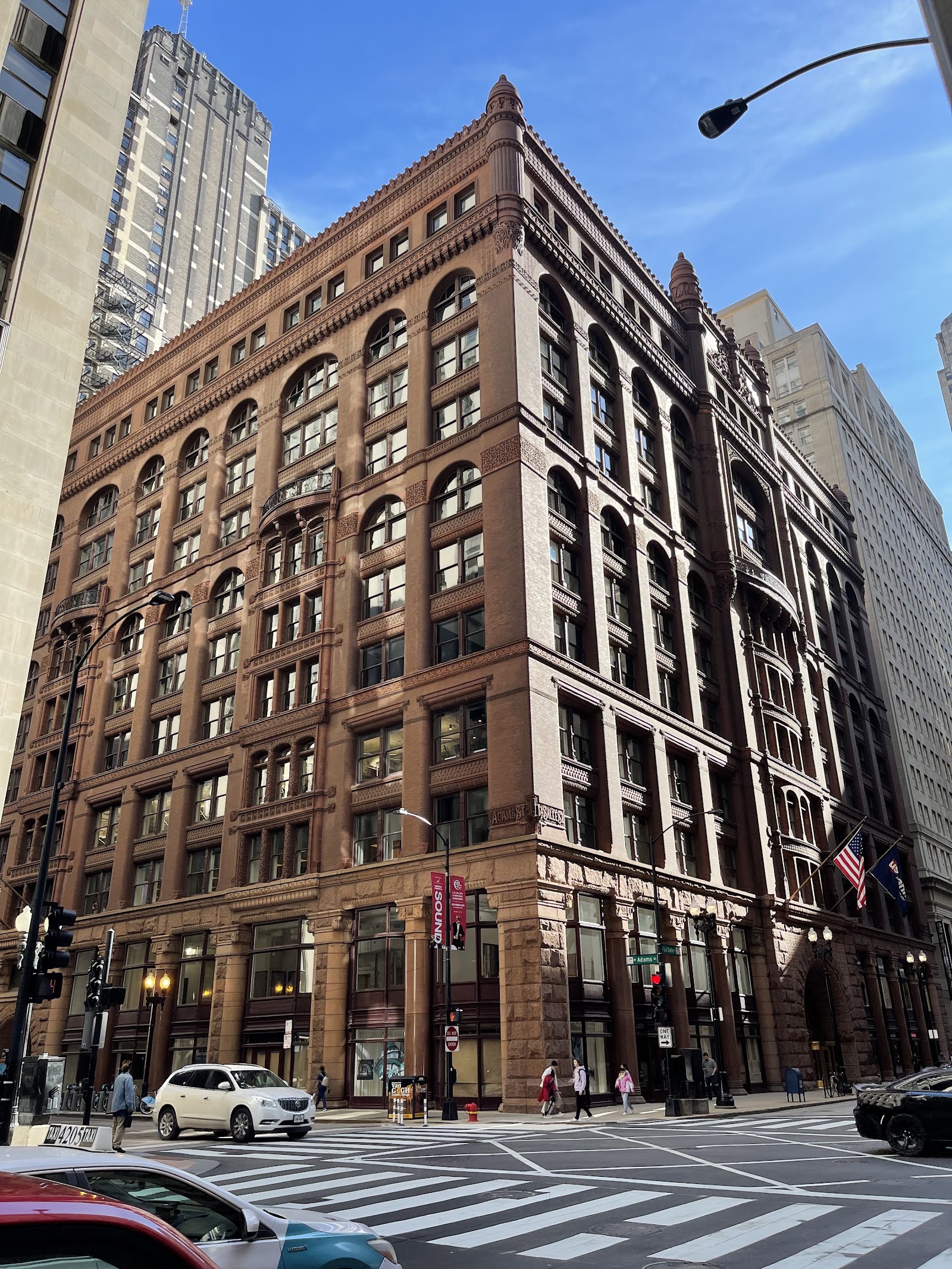
The Rookery
From the sidewalk the Rookery is a fortress. Dark red granite, deep arches, stonework heavy enough to survive a siege by a medium-sized army.
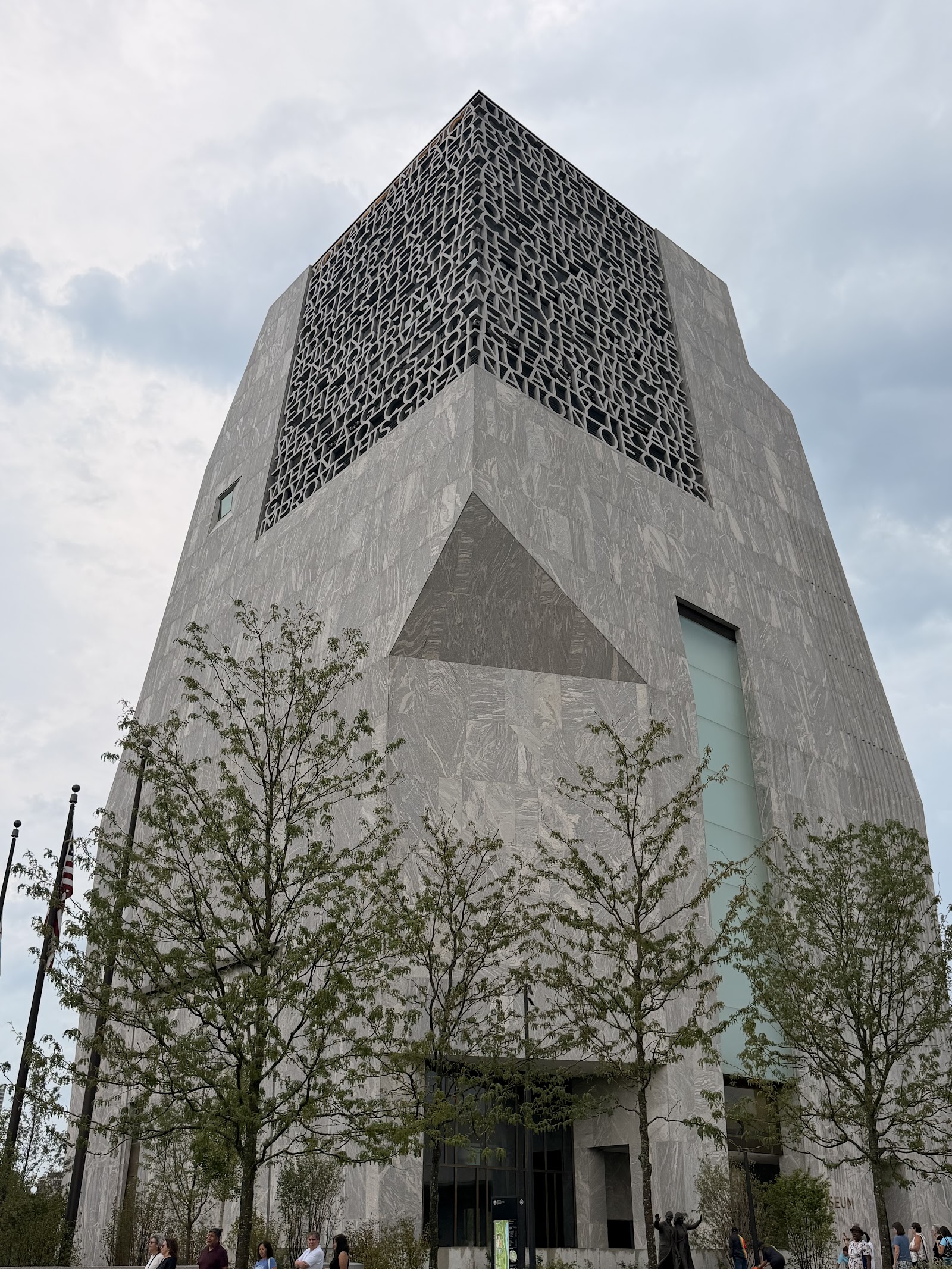
The Southwest Corner — The Letters
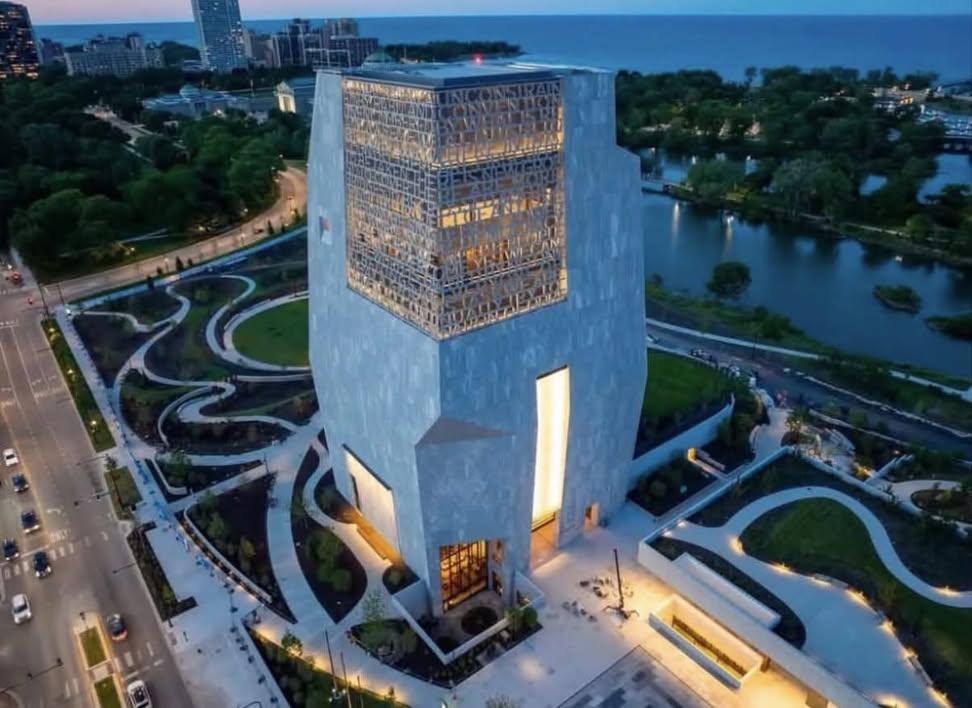
Look up at the corner of the tower. Way up, near the top, wrapping around from one face to the other — those are letters. Concrete ones.
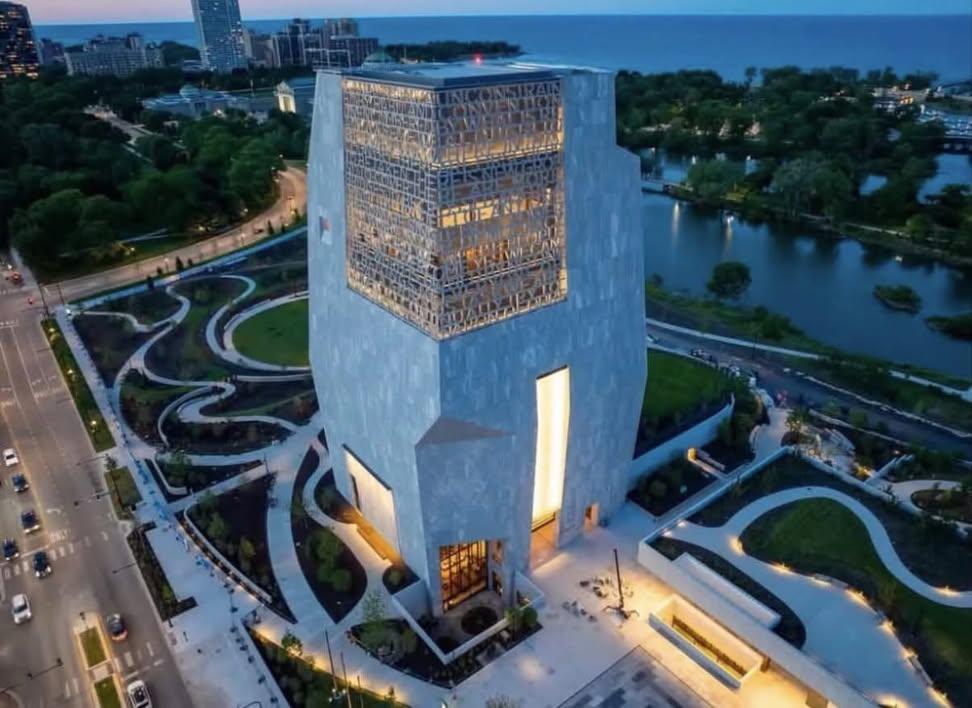
The Tower from Stony Island Avenue
The Obama Presidential Center. Two hundred and twenty-five feet of gray granite with almost no windows in it, which is not how museums usually introduce themselves. Find the corner closest to you, where the two big faces of the tower meet.
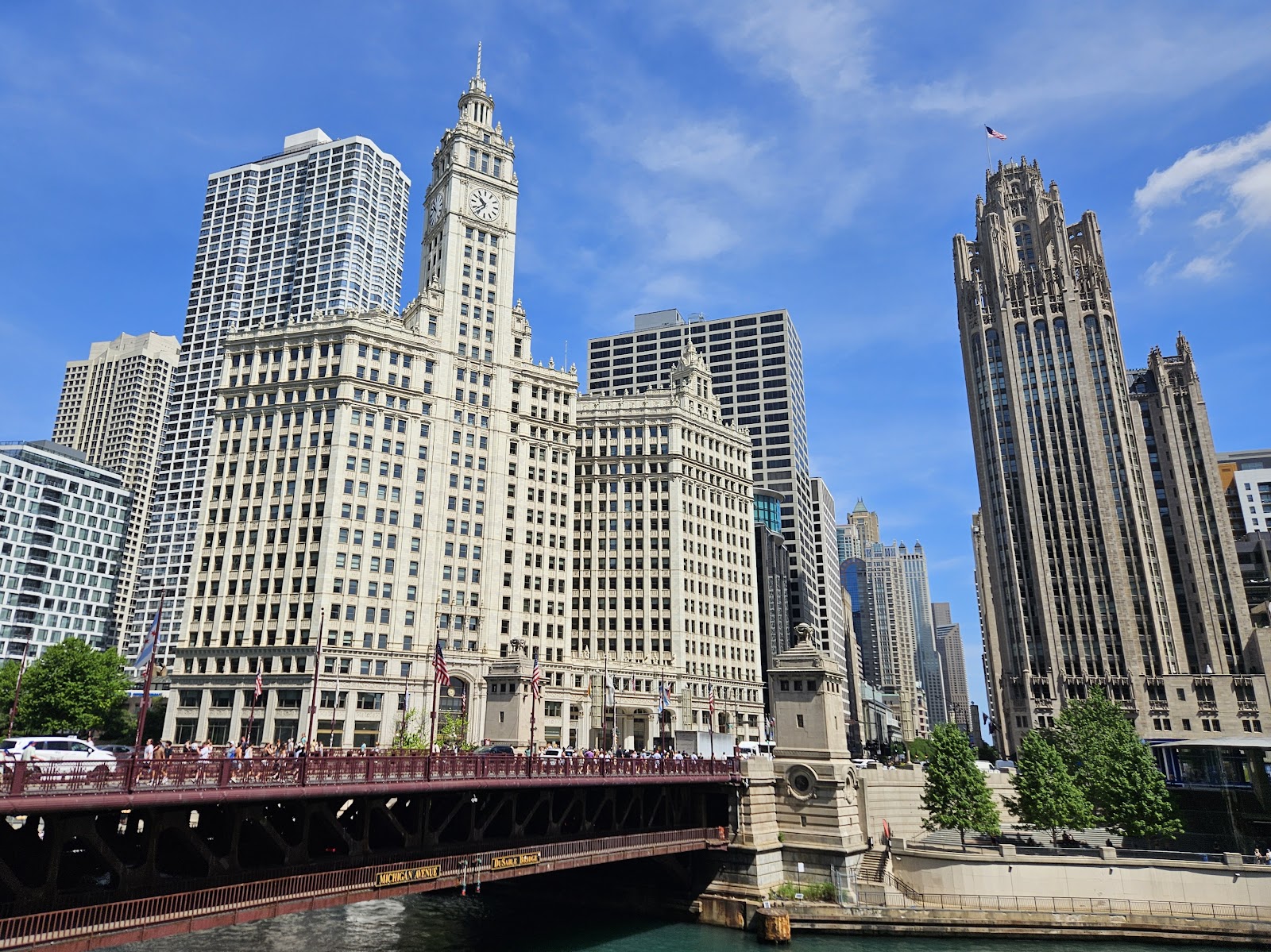
The Wrigley Building
The white one. Two towers joined by walkways, a clock tower on the south end, and a surface so bright it looks lit even when it isn't. That's the Wrigley Building, and the brightness is a trick.
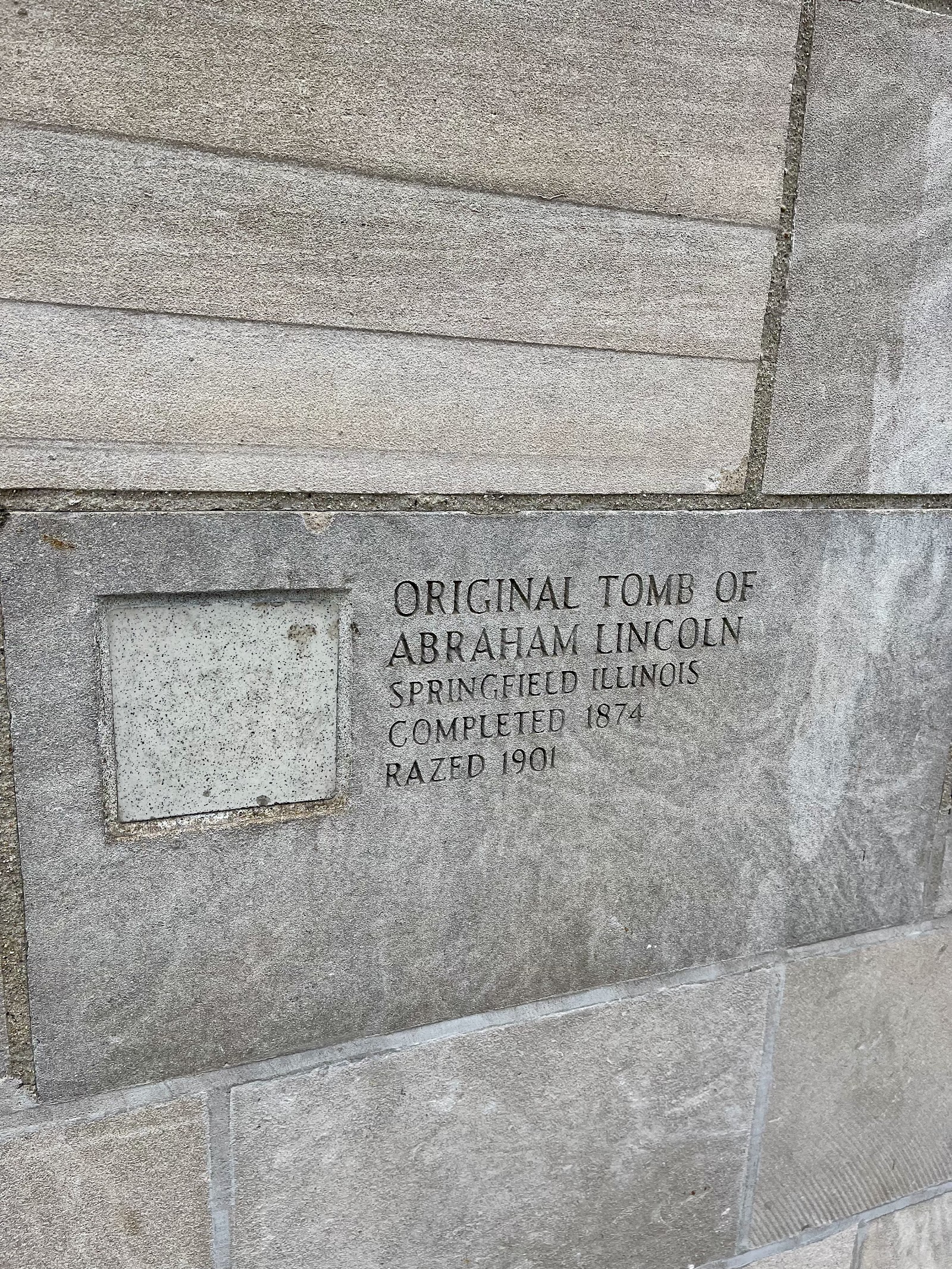
Tribune Tower
Get close to the base of the pale Gothic tower with the crown of stone spikes on top. Down at hand height, set into the limestone, there are ragged little chunks of rock with labels chiselled under them. That one's the Parthenon.
Parks
Cloud Gate
You already know it's a bean. Everybody knows it's a bean. Its name is Cloud Gate, the sculptor is Anish Kapoor, and he has spent roughly twenty years being quietly furious that the city looked at his masterwork and named it after a…
The Alfred Caldwell Lily Pool
Come through the gate and listen to what happens to the sound. The traffic drops away. That was designed. The stone walls and the tree canopy were shaped to do precisely that.
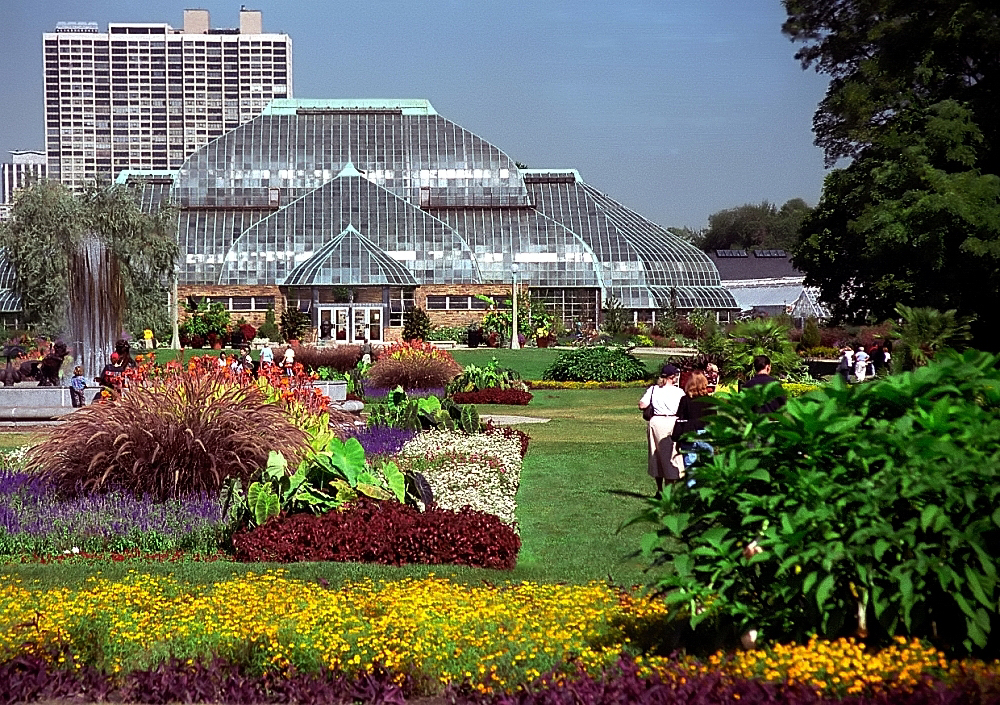
The Lincoln Park Conservatory
Glass and iron, arched like the hull of a boat turned upside down, sitting on a granite base. If the door is open you will feel this building before you are through it.
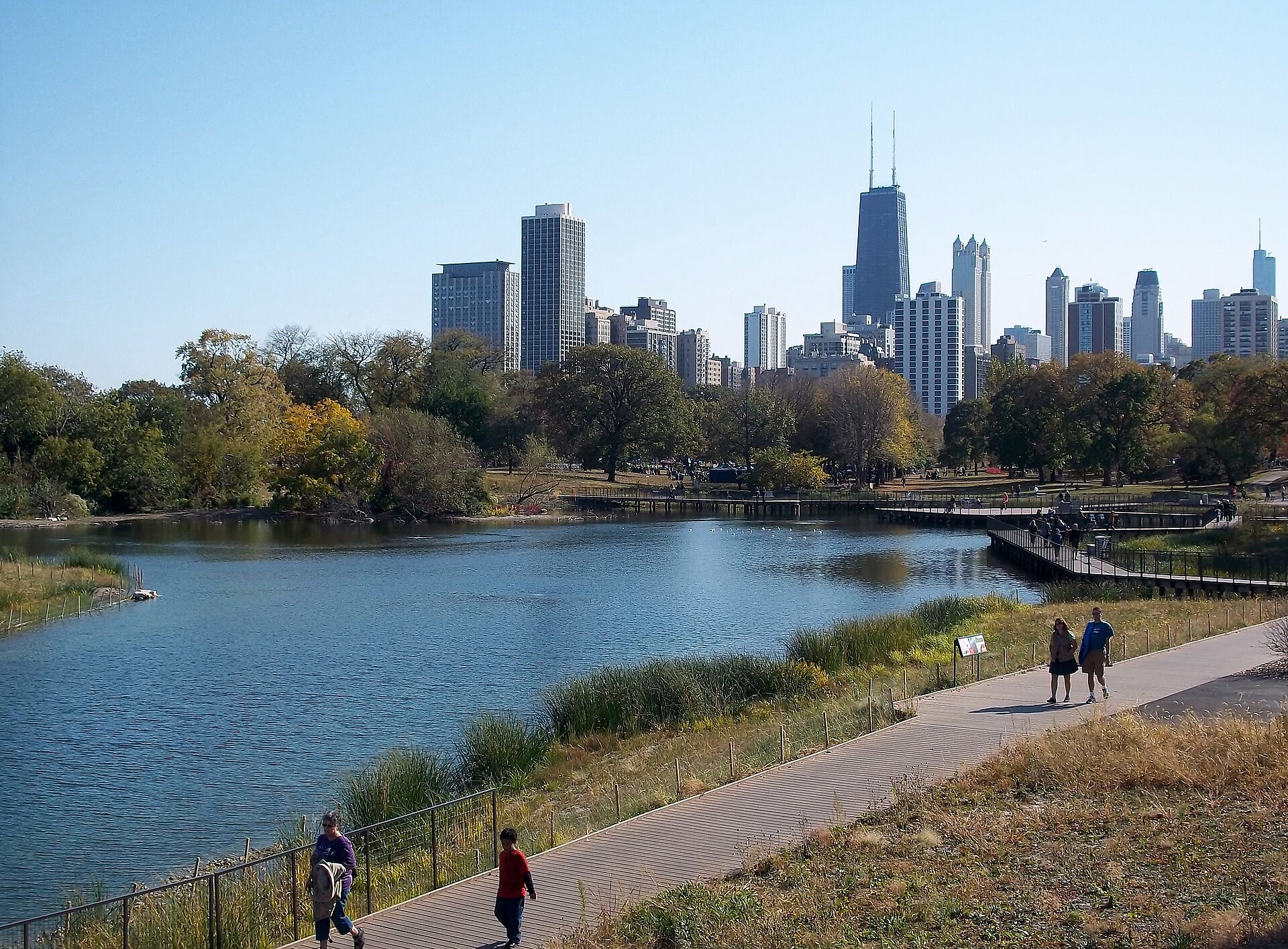
The Nature Boardwalk
Stop for a second and listen. Somewhere up in the trees along this water there is a noise like somebody dragging a rusted gate open. Now look up into the branches for hunched gray shapes sitting very still.
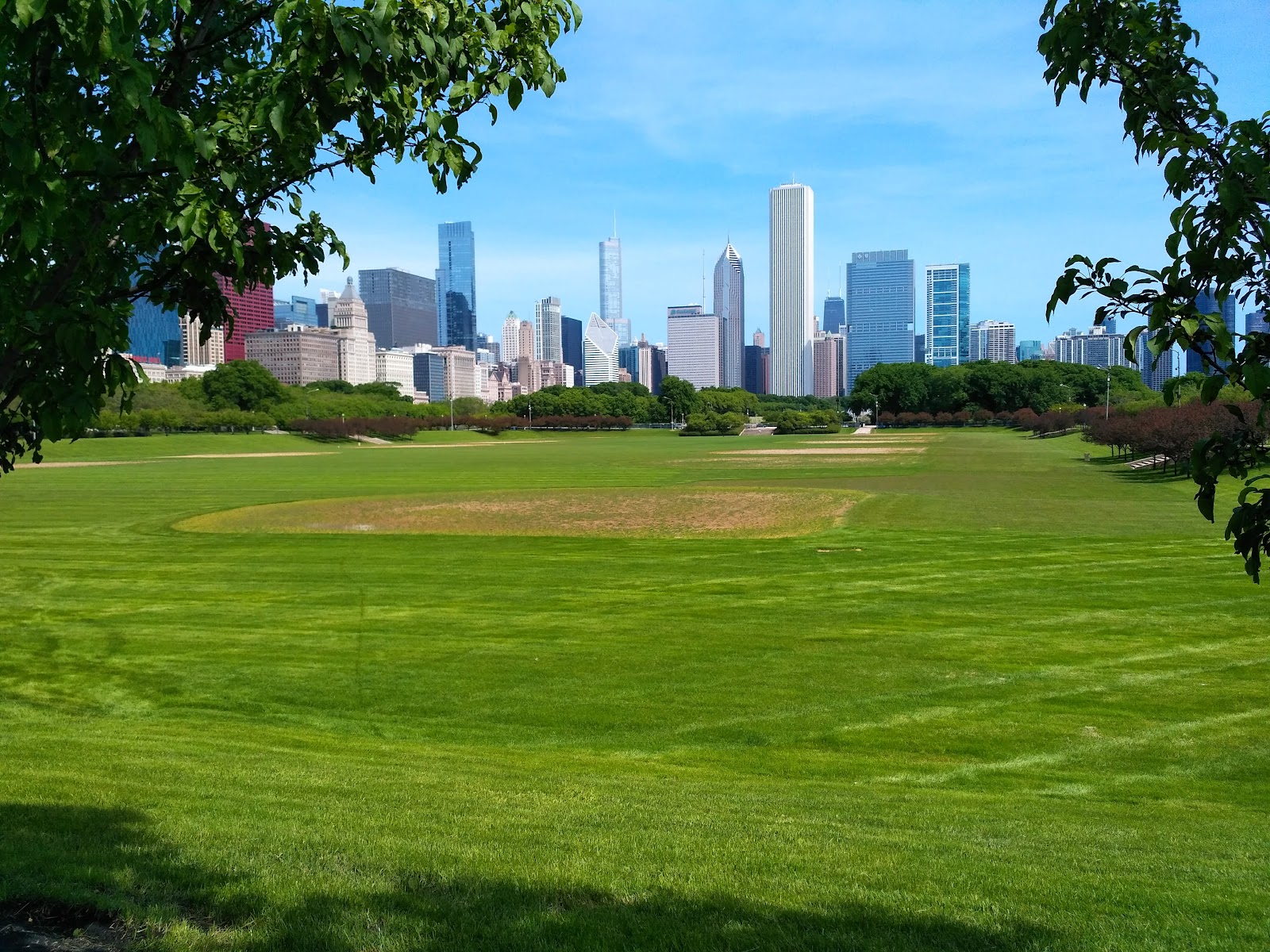
Grant Park — The Fight to Keep It Empty
Turn back toward the skyline and notice what's missing. There's a solid wall of towers along Michigan Avenue, and then, between that wall and the water, a long green nothing.
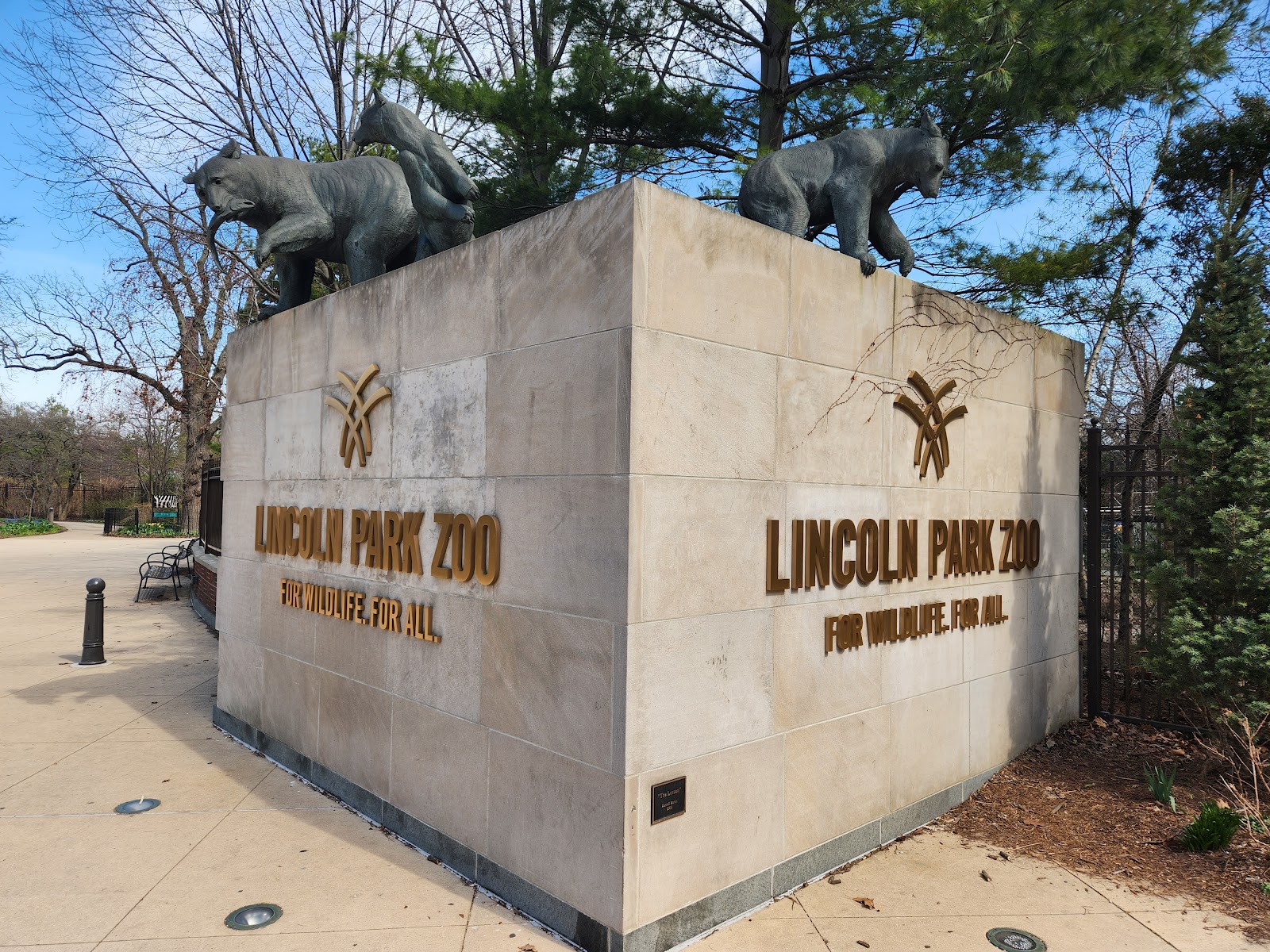
Lincoln Park Zoo
Look at the main gate of Lincoln Park Zoo and notice what isn't there. No ticket window. No turnstile. Nobody scanning anything. You walk in the way you'd walk into a park, and it has worked like that since eighteen sixty-eight.
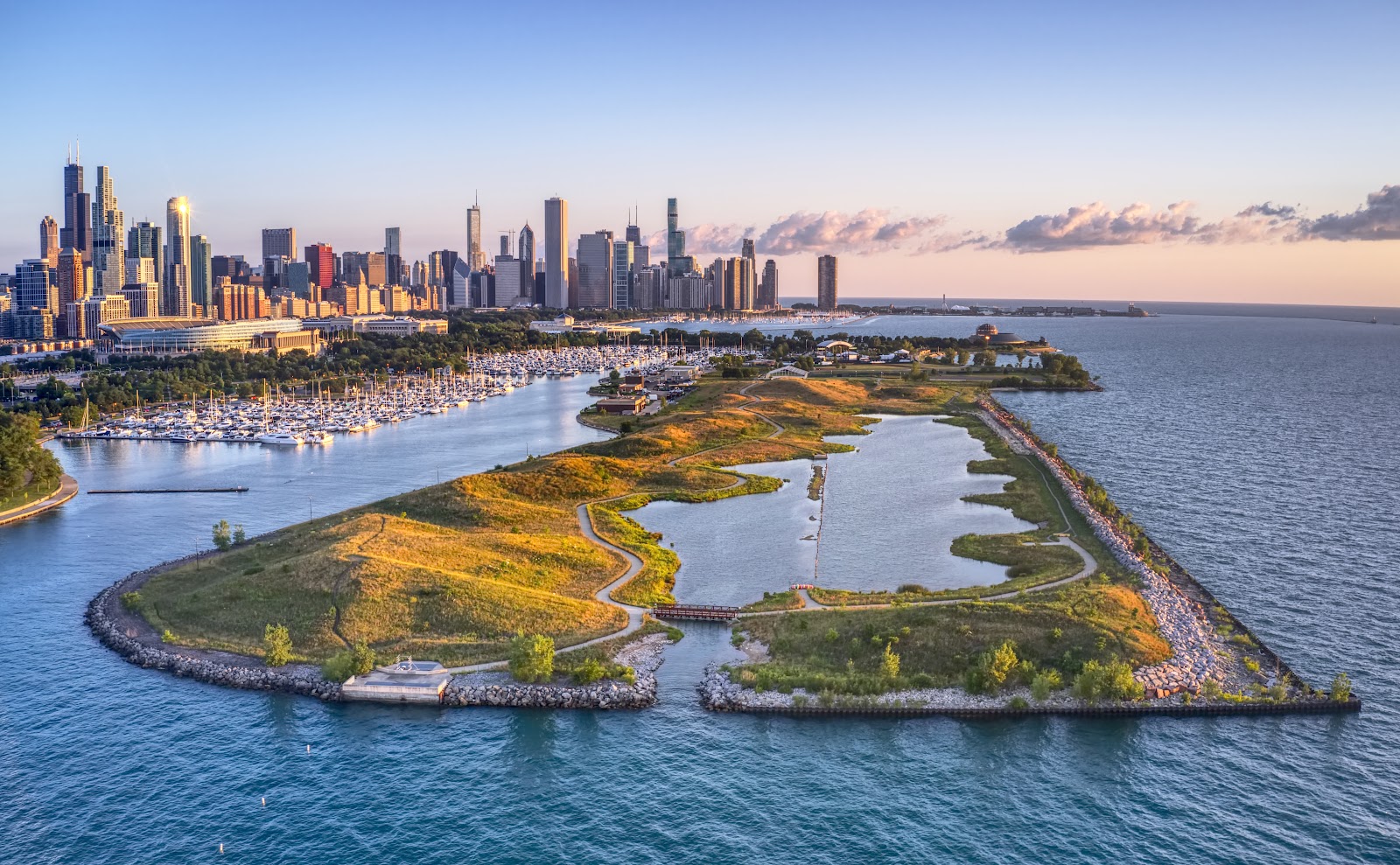
Northerly Island
Made from garbage. Destroyed by bulldozers at midnight. Now a nature sanctuary.
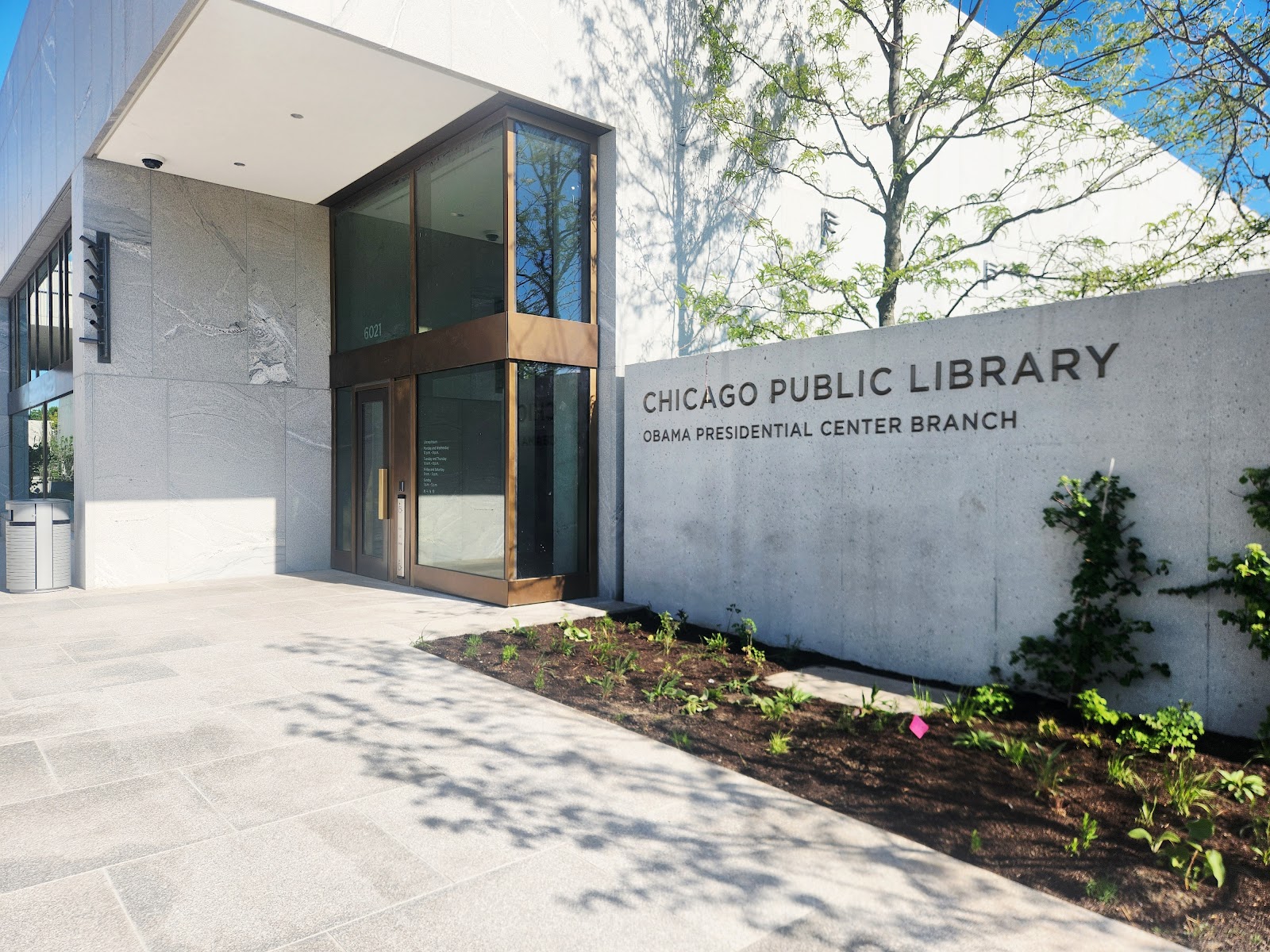
The Library Branch and the Reading Garden
The low building with the courtyard. In the reading garden there's a bronze sculpture of a bird coming up off an open book, and it's called Book Bird. That's a Richard Hunt. If you don't know the name, you know the work.
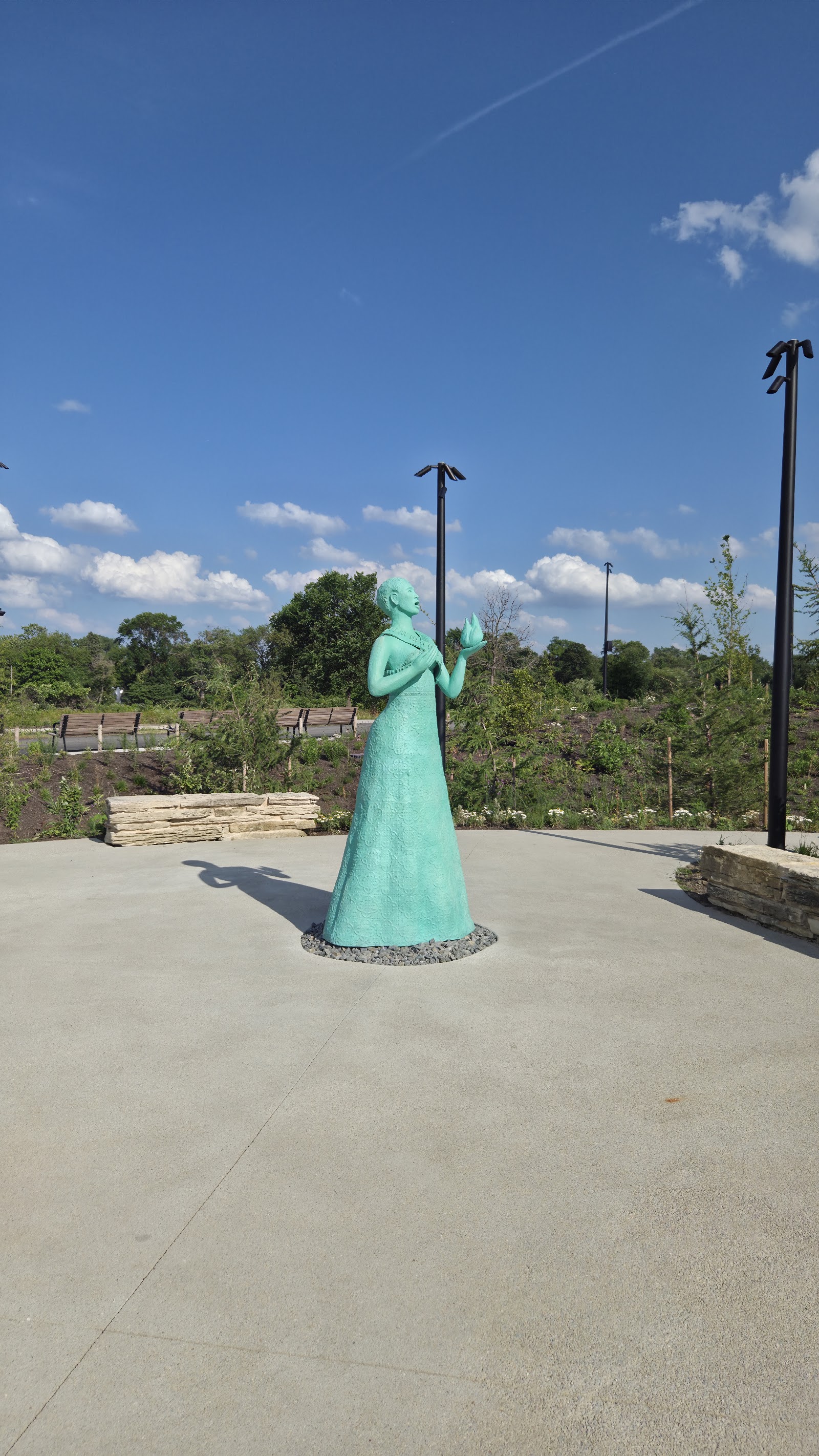
The Women's Garden
The Women's Garden. Planted beds, low walls, a place laid out to be sat in rather than walked through. The Foundation describes it as a living memorial to the power of civic participation. All of that is new.
Historic Sites
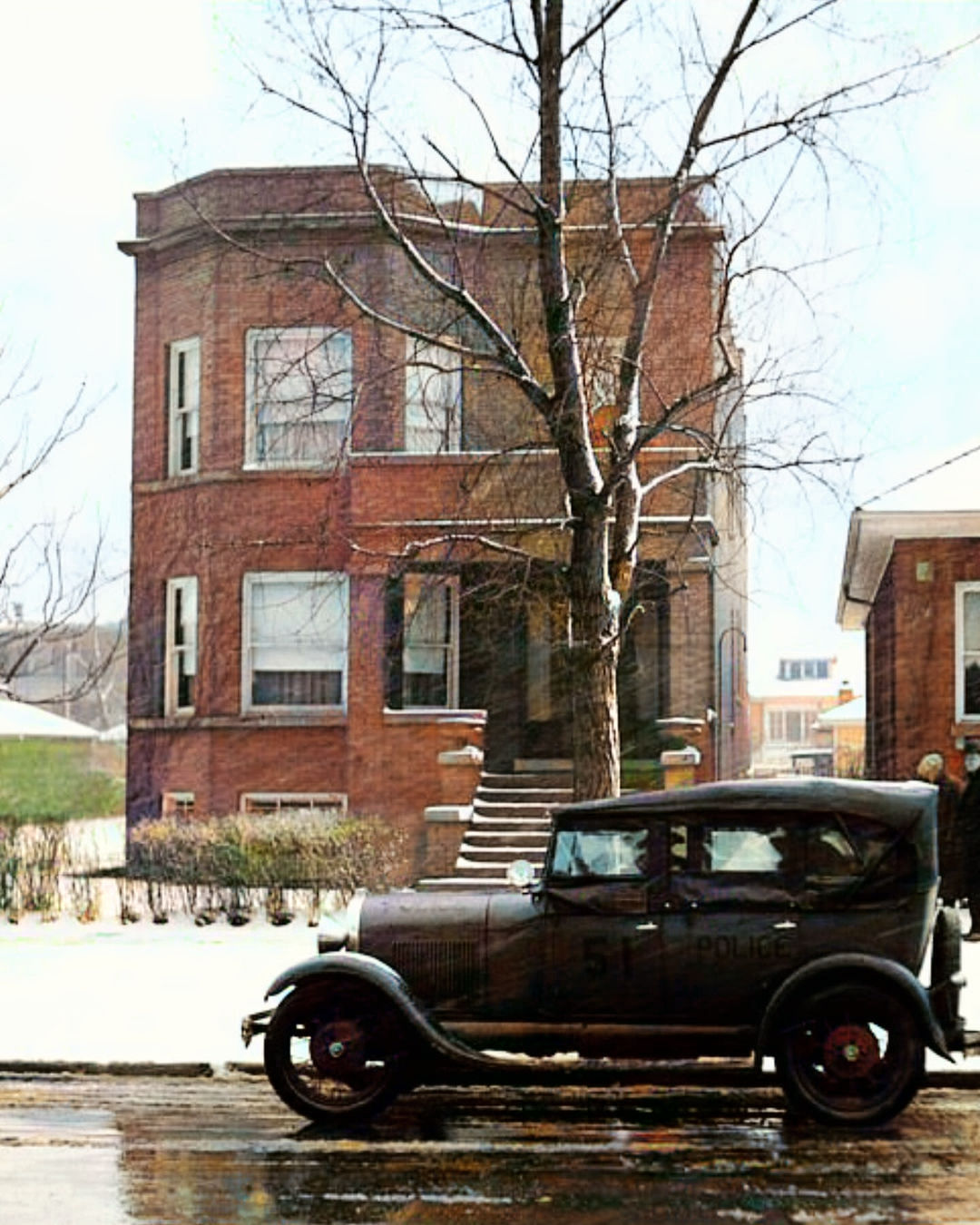
The Site of the Lexington Hotel
There is no building to point at here. The Lexington Hotel came down in nineteen ninety-five, so if you're hunting for something grand, I'm sorry. You're standing in front of the memory of a headquarters.
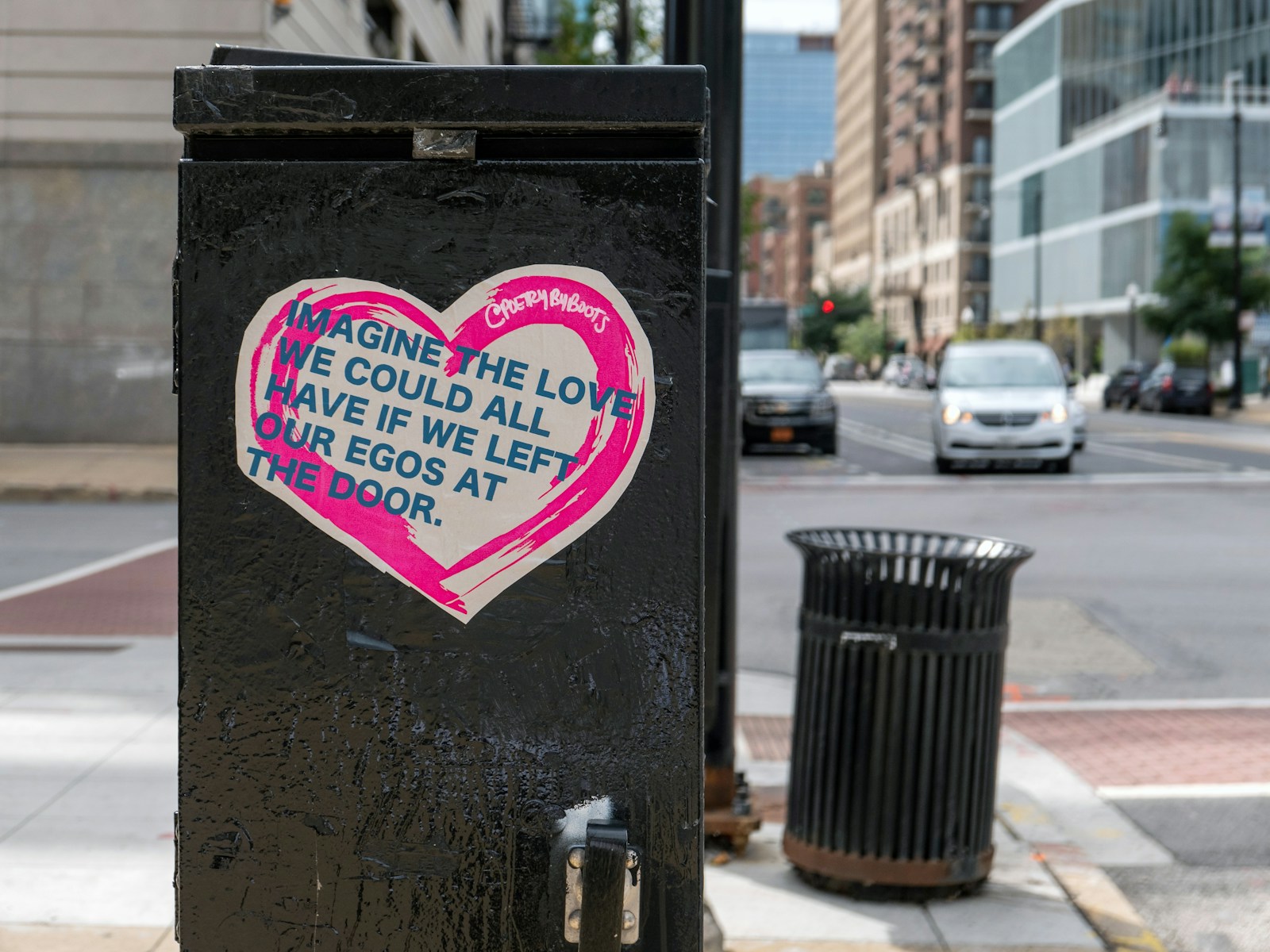
The St. Valentine's Day Massacre Site
You're looking at a strip of lawn and a parking lot. Some grass, a few trees, cars. It is one of the most infamous addresses in American crime, and the city's answer to that was landscaping.
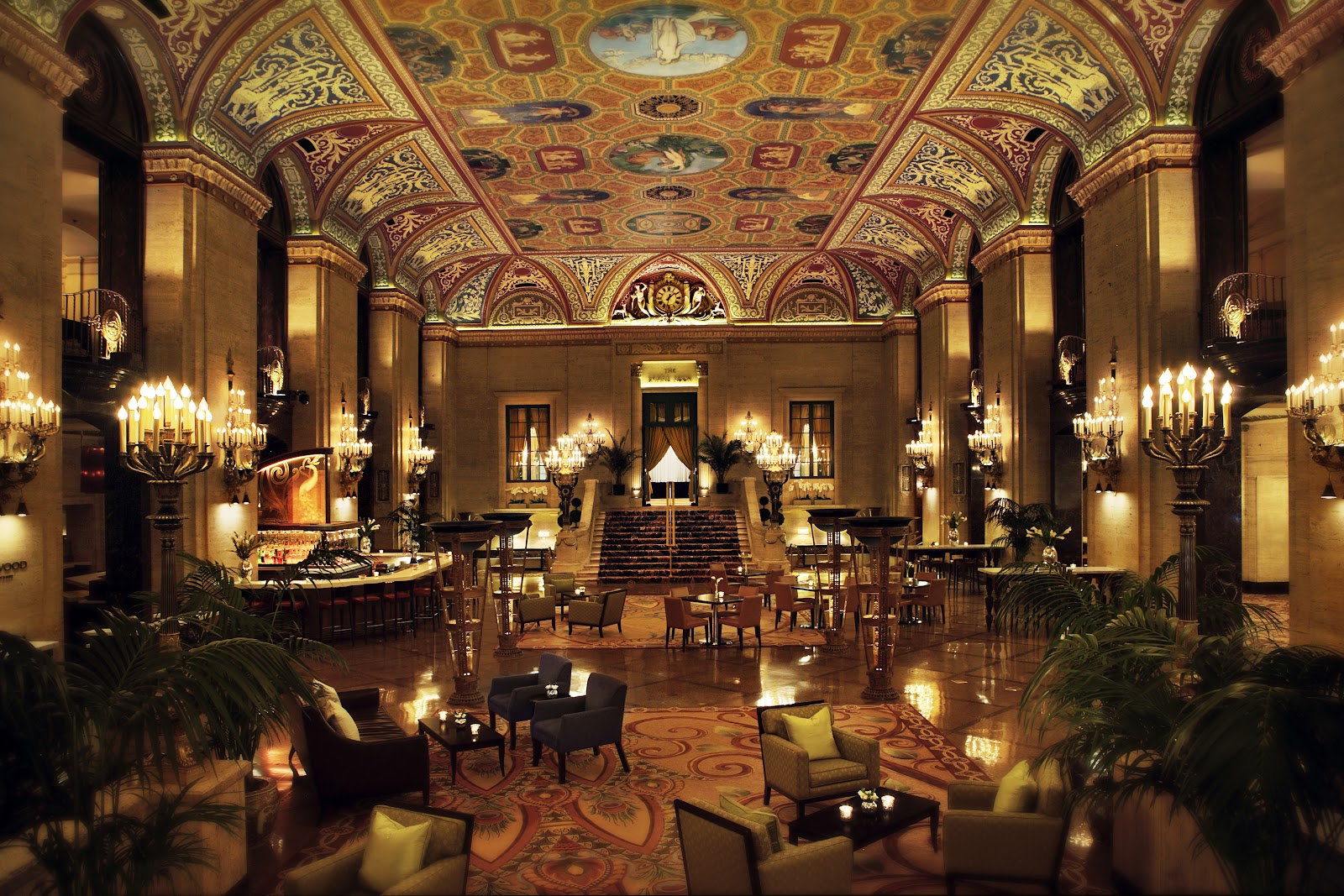
The Palmer House Hotel
The Palmer House. There has been a hotel on this spot since eighteen seventy-one, which makes it the longest continuously operating hotel in the country — with an asterisk.
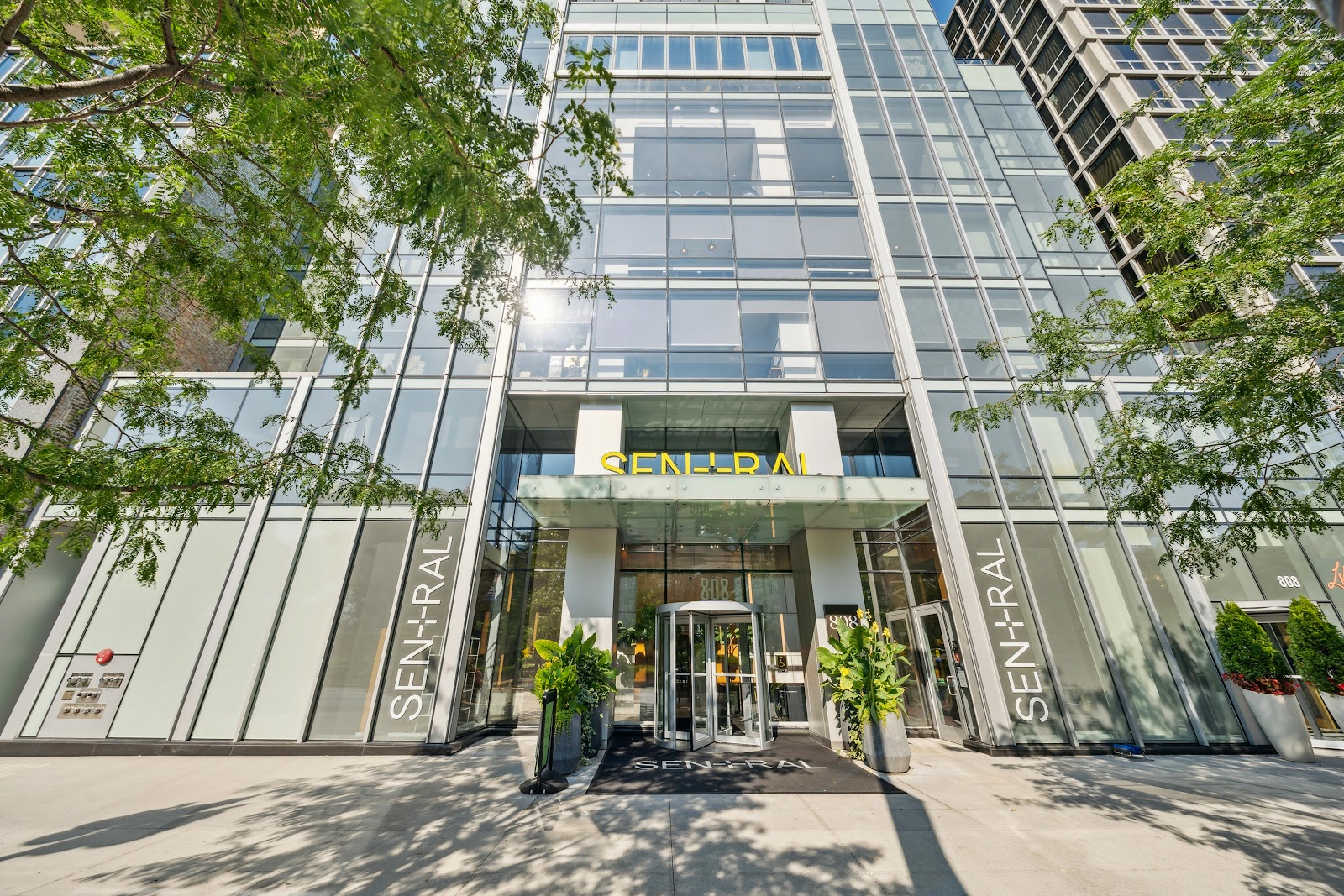
The Site of the Metropole Hotel
Another gap in the block. Another Michigan Avenue hotel that isn't here anymore. The Metropole is where Capone set up before the Lexington, back when the empire was still climbing — he rented dozens of rooms and turned the whole third…
Monuments
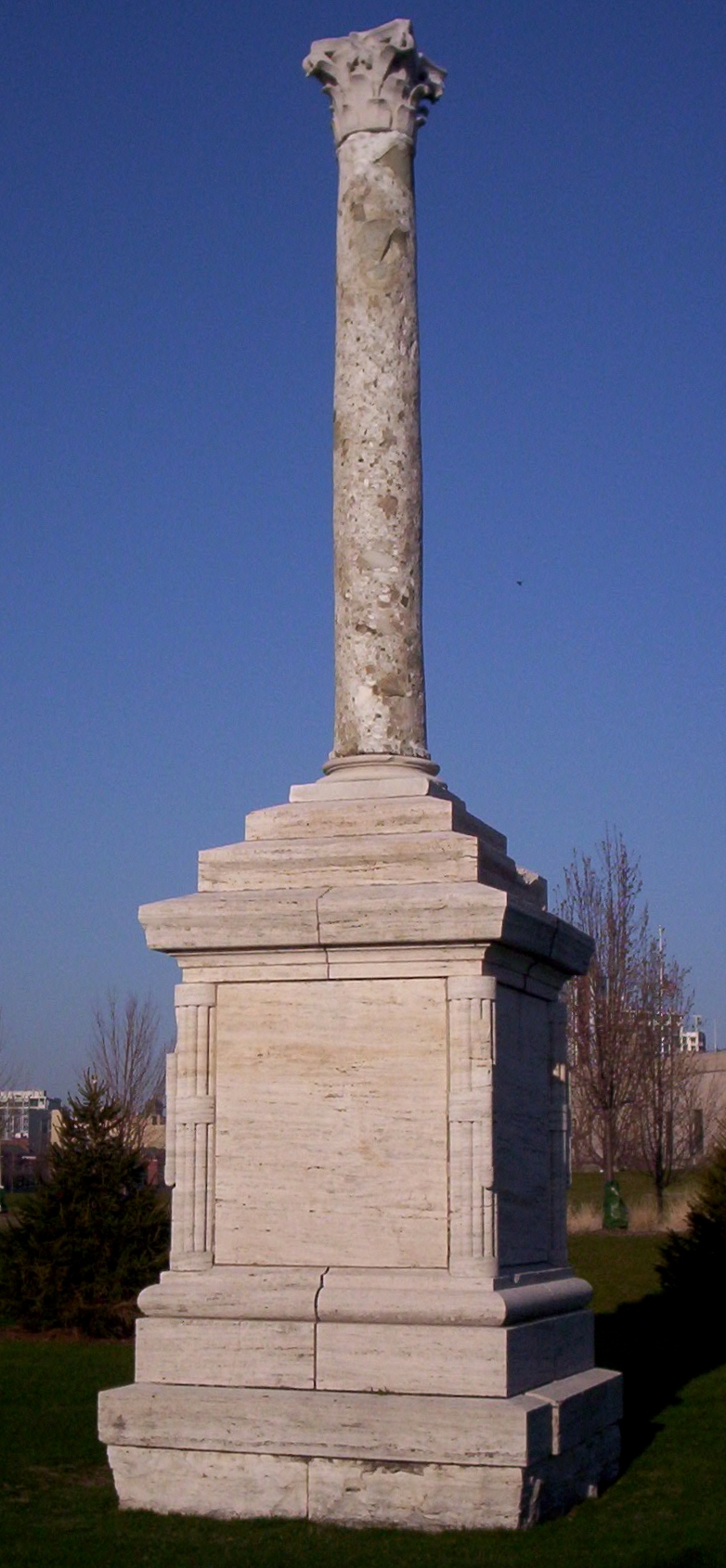
The Balbo Monument
A stone column is standing in the grass beside the lakefront path, greenish, about thirteen feet tall, wearing a plaque nobody reads.
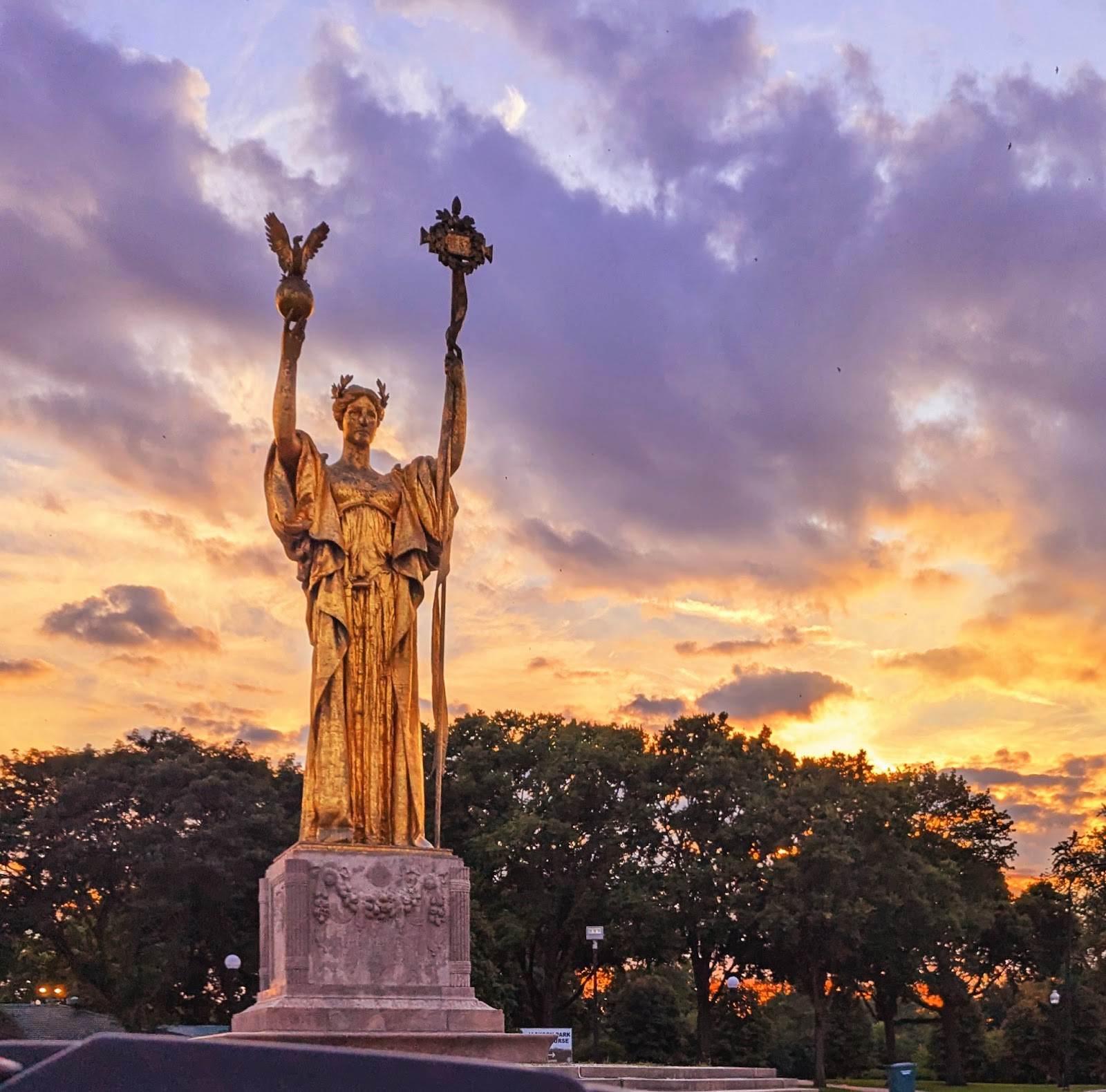
The Statue of the Republic
The gold woman. Twenty-four feet of gilded bronze standing at a road junction in the middle of a park, arms up, holding a globe and a staff, looking north. Locals call her the Golden Lady. She's a copy.
Hear the stories behind these places
Self-guided audio experiences that are actually entertaining. Press play and walk.