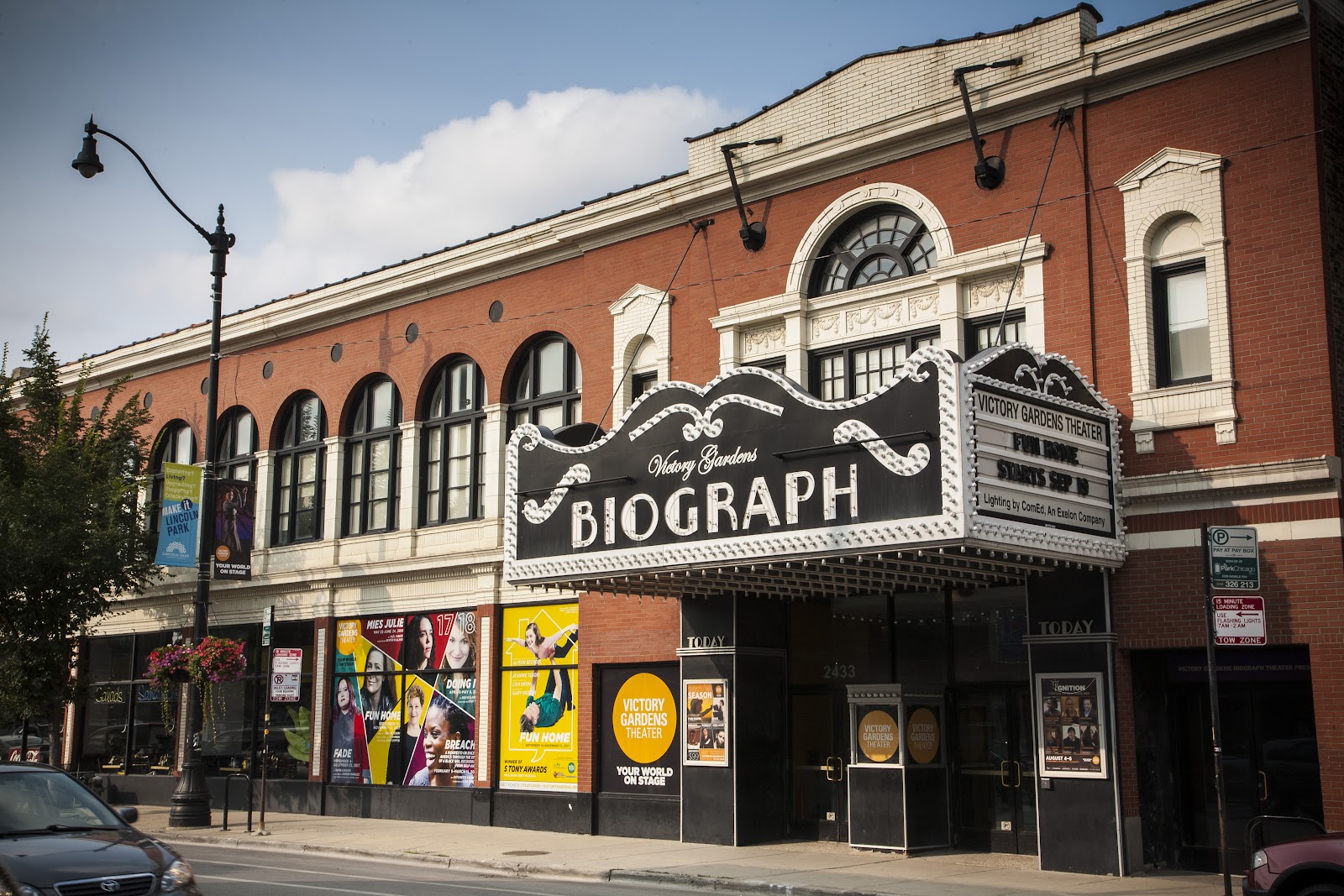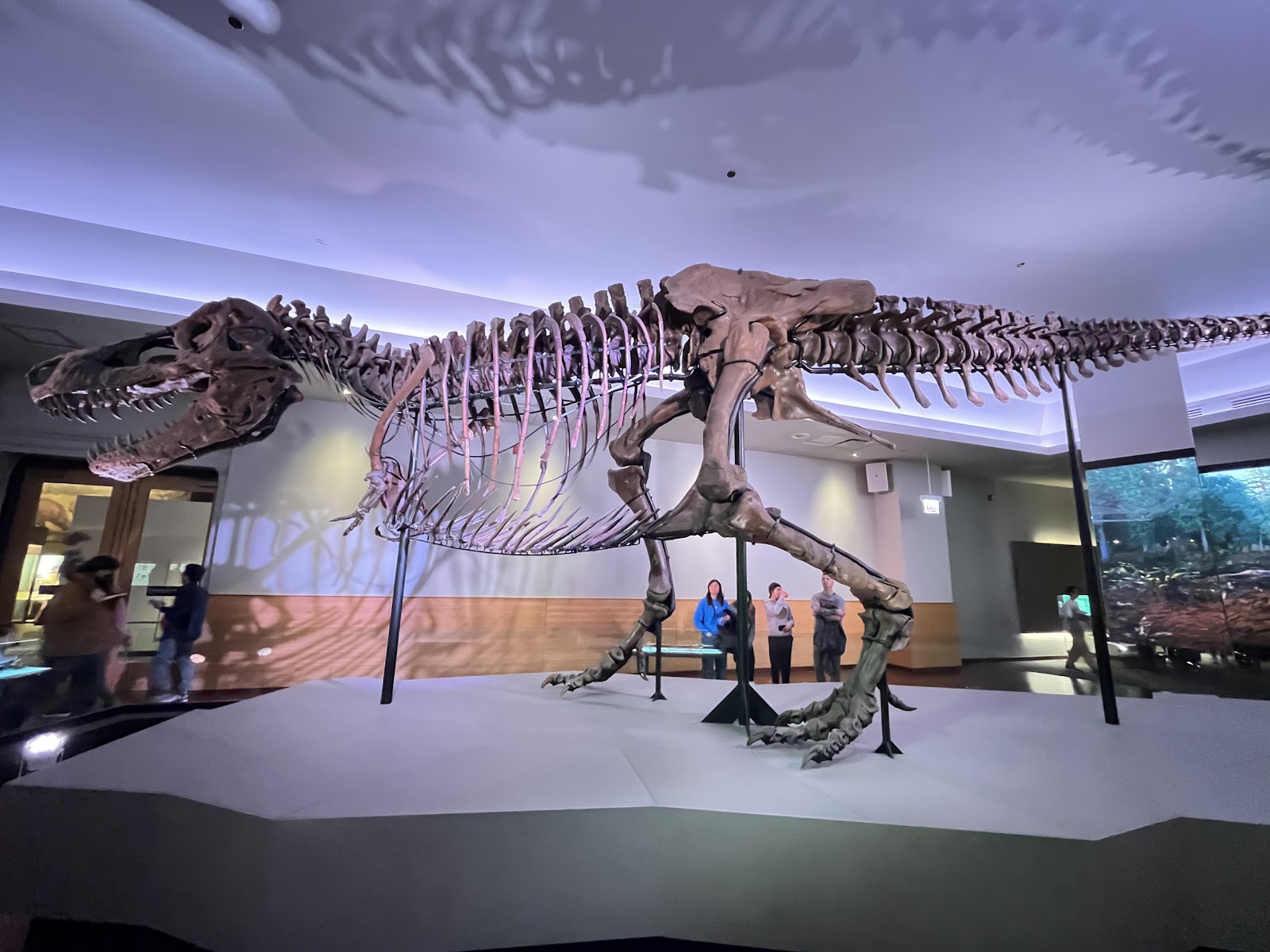
The east face of the Field Museum, with the lake at your back. On the other side of that marble is a forty-foot Tyrannosaurus rex named Sue, and she was found because somebody got a flat tire.
August, nineteen ninety. A fossil-hunting crew was packing up near the town of Faith, South Dakota, when they noticed a flat on the truck. Most of the team stayed to fix it. Sue Hendrickson wandered off toward a cliff face nobody had bothered to check, spotted a few chips of bone at the base, and looked up. There were vertebrae sticking out of the rock above her head. She had found the most complete Tyrannosaurus rex ever discovered. More than two hundred and fifty bones, out of the roughly three hundred and sixty anyone has ever recovered for the entire species.
Then the lawyers arrived. The crew had paid the rancher who owned the land, Maurice Williams, five thousand dollars. Williams later said that was never a sale. The land turned out to be held in federal trust. So in nineteen ninety-two,
the F-B-I and the National Guard drove out to South Dakota and seized a dinosaur. The head of the fossil institute served two years in federal prison on unrelated customs charges. The courts handed Sue to Williams, and Williams sent her to auction.
Experts guessed she might bring a million dollars. The bidding took about eight minutes and stopped at eight point three six million, and the buyer w