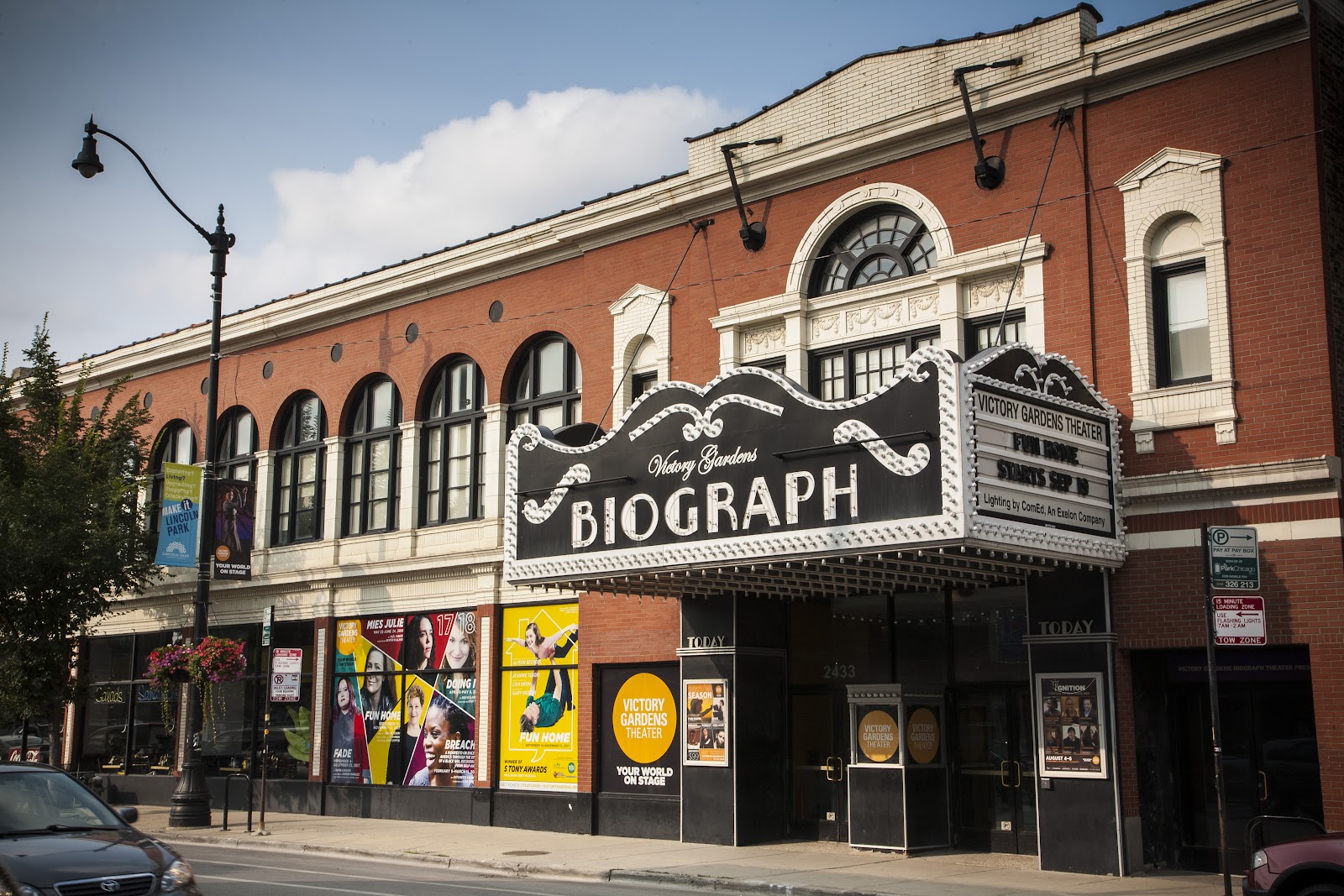
Another gap in the block. Another Michigan Avenue hotel that isn't here anymore. The Metropole is where Capone set up before the Lexington, back when the empire was still climbing — he rented dozens of rooms and turned the whole third floor into a private gymnasium, complete with a boxing ring nobody ever actually saw him use. This is where the story starts to bend downward.
Because the government finally caught him. Not for the killings. Not for the beer, the gambling, the bribes, the bodies. They got Al Capone for his taxes.
He had never filed a return. So in nineteen thirty-one, the man who ran Chicago was convicted of tax evasion and sentenced to eleven years. The man who beat every murder charge was undone by a room full of accountants and a stack of paperwork he couldn't be bothered to fill out.
You've probably heard this was Eliot Ness and his Untouchables — the incorruptible squad smashing barrels of beer. Ness was real, and he did make life loud and difficult for Capone's b
reweries. But the man who actually brought Capone down sat at a desk. His name was Frank Wilson, a Treasury agent who spent years quietly going through the organization's hidden ledgers until he could prove, on paper, income Capone had never declared. The gangster got the crime spree; the accountant got the conviction. Hollywood gave the credit to the guy with the tommy gun, because a movie about