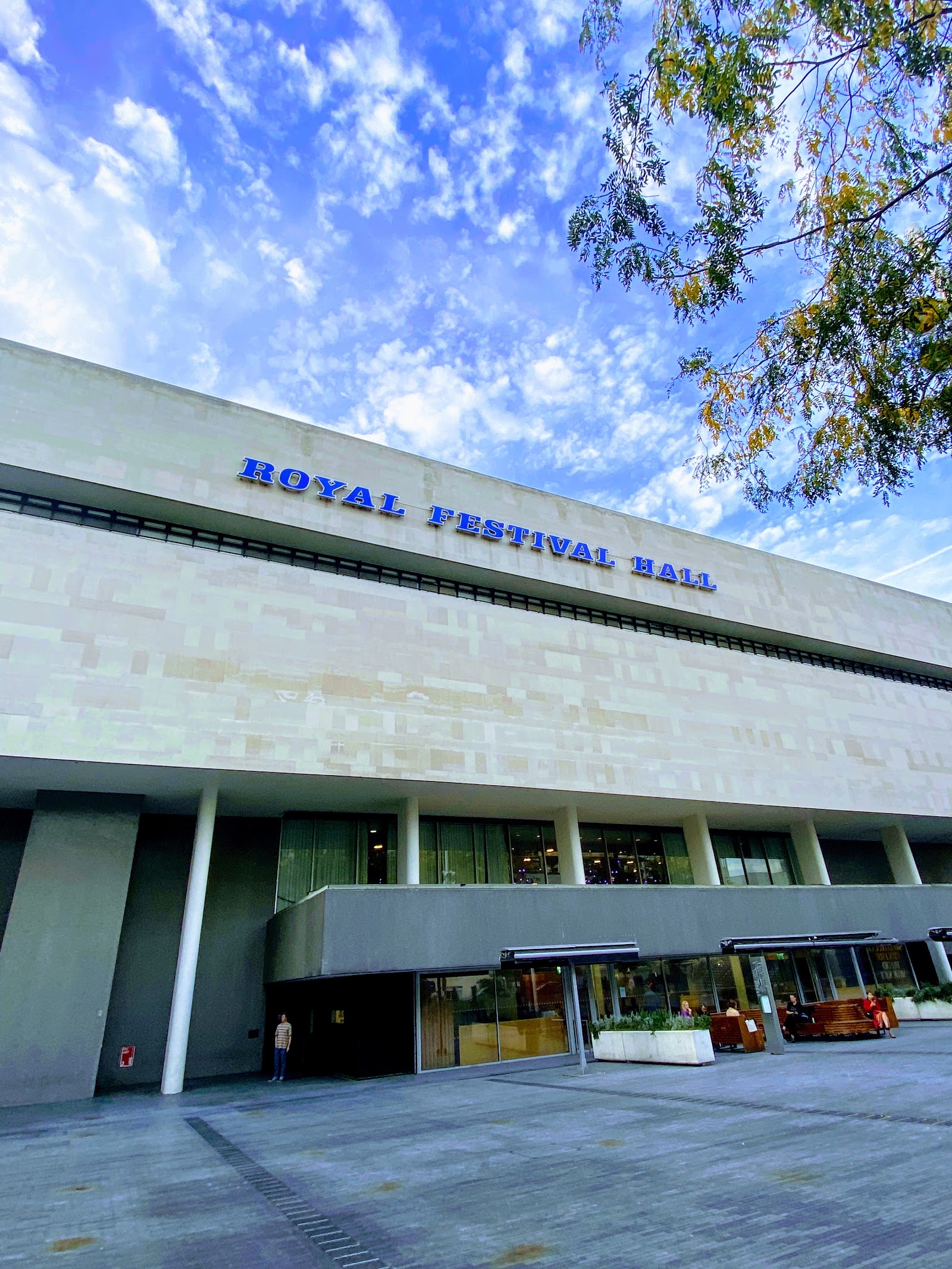
This whole stretch of concrete terraces and river-facing halls is the Southbank Centre, and none of it was supposed to still be here. It was built for a five-month party. In nineteen fifty-one, with the country still grey and rationed six years after the war, Britain threw itself the Festival of Britain — a national exhibition billed, in the government's own words, as "a tonic for the nation." Millions came through. Then, by the end of that same year, almost the entire festival site was torn down. Everything except one building. The Royal Festival Hall, the concert hall right behind you, is the one physical survivor of a party the rest of the country dismantled on schedule. Seventy-five years on, it's still doing the job it was built for.
The festival's other icon didn't survive at all, and the story of why has hardened into a legend that's only half true. The Skylon was a strange, futuristic, cigar-shaped tower that appeared to hover above the ground with no visible means of support
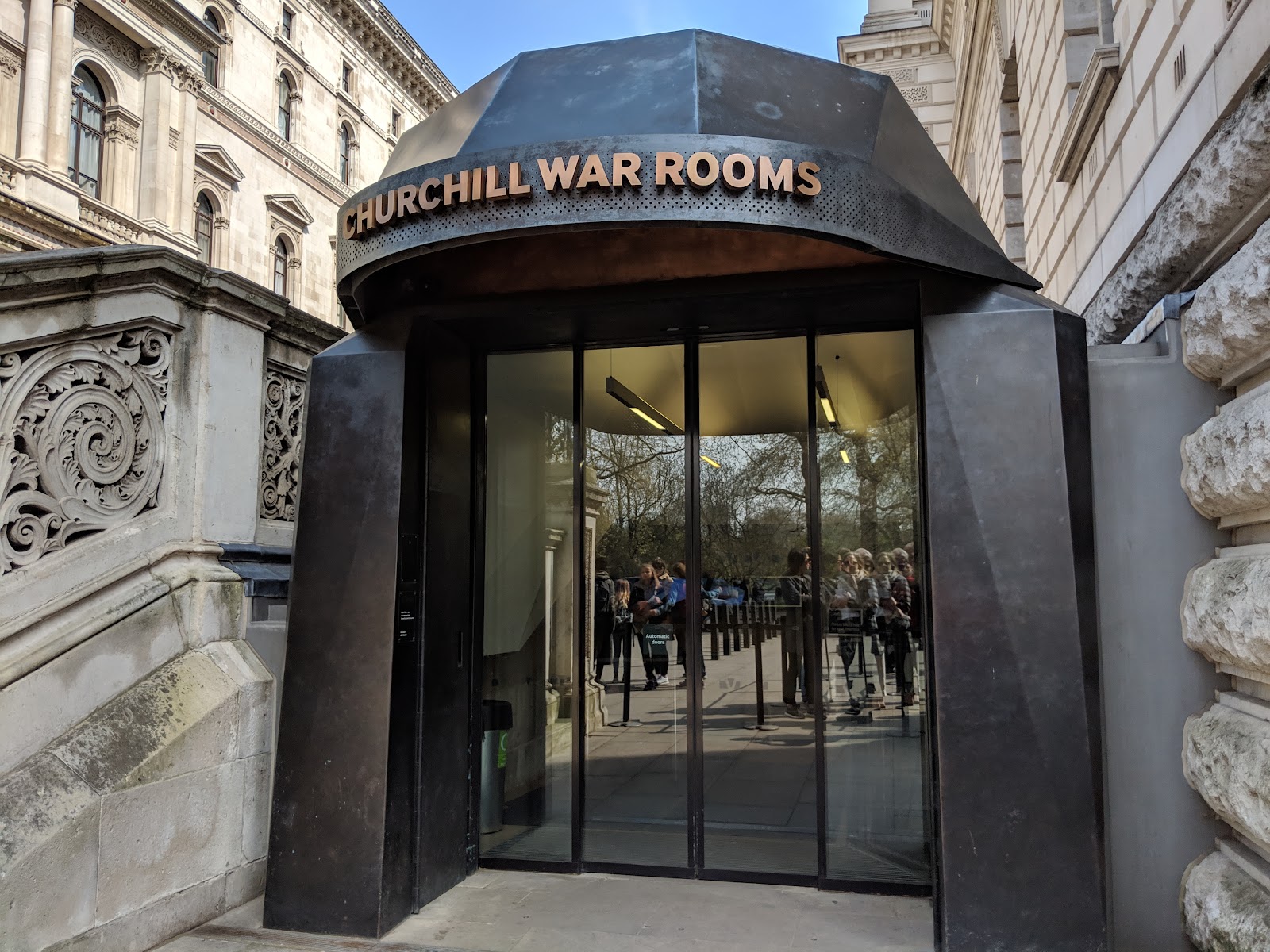
— the single most photographed structure of the whole festival. In nineteen fifty-two it was sold for scrap and melted down, and popular memory blames one man specifically: Winston Churchill, newly back in office, supposedly destroying it out of spite because it symbolized the outgoing Labour government that built it. The specific order to scrap the Skylon really is attributed to Churchill. What's