Washington DC Attractions
The most powerful decisions arrive in the plainest packages — a mailed diamond, a First Lady steering the country, memorials where the city stops performing and grieves. Spotting what we invented is the game.
Landmarks
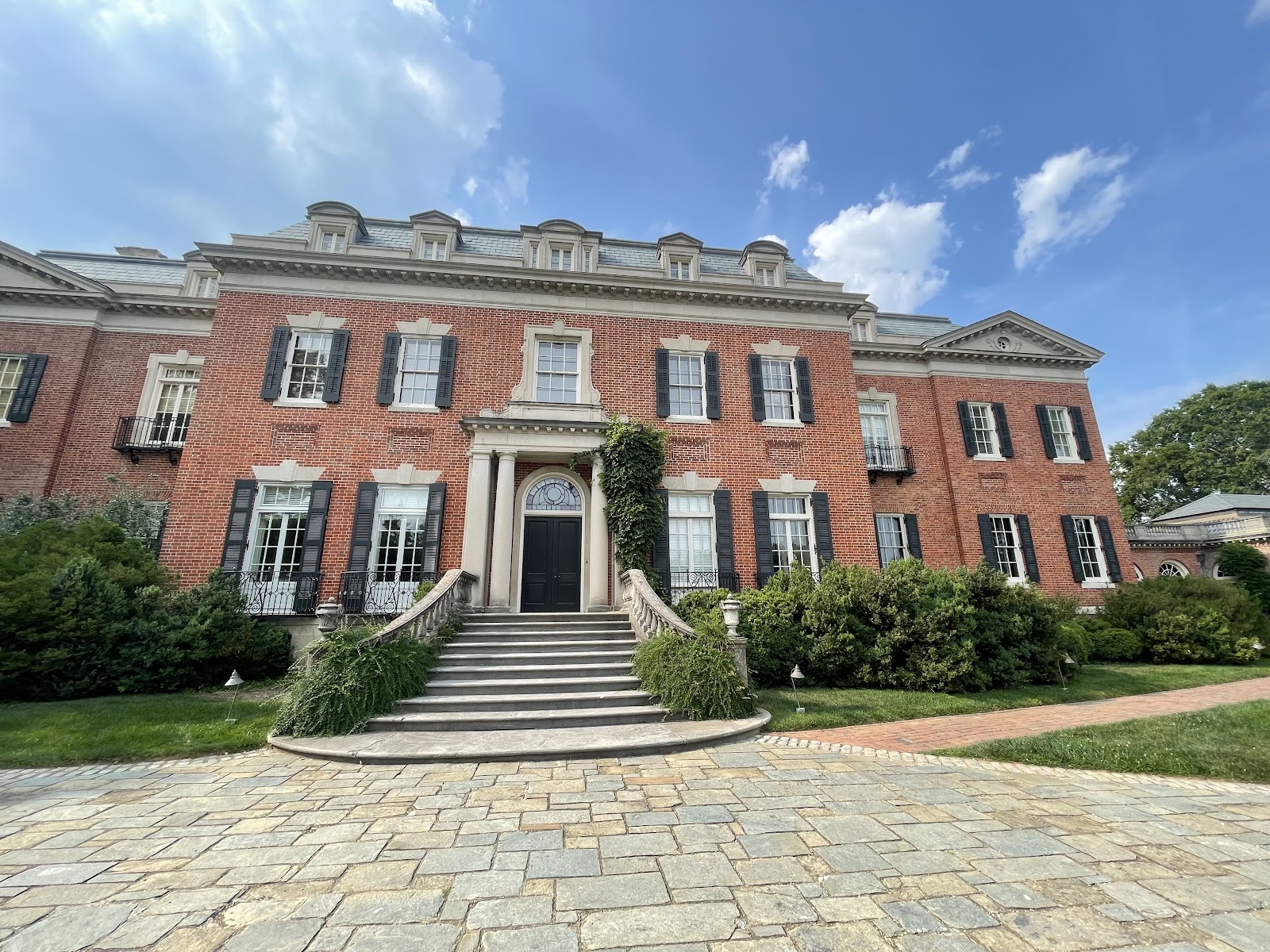
Dumbarton Oaks
Dumbarton Oaks. This is the house where the United Nations was invented. Well — invented might be strong. Argued about in a living room? That's closer.
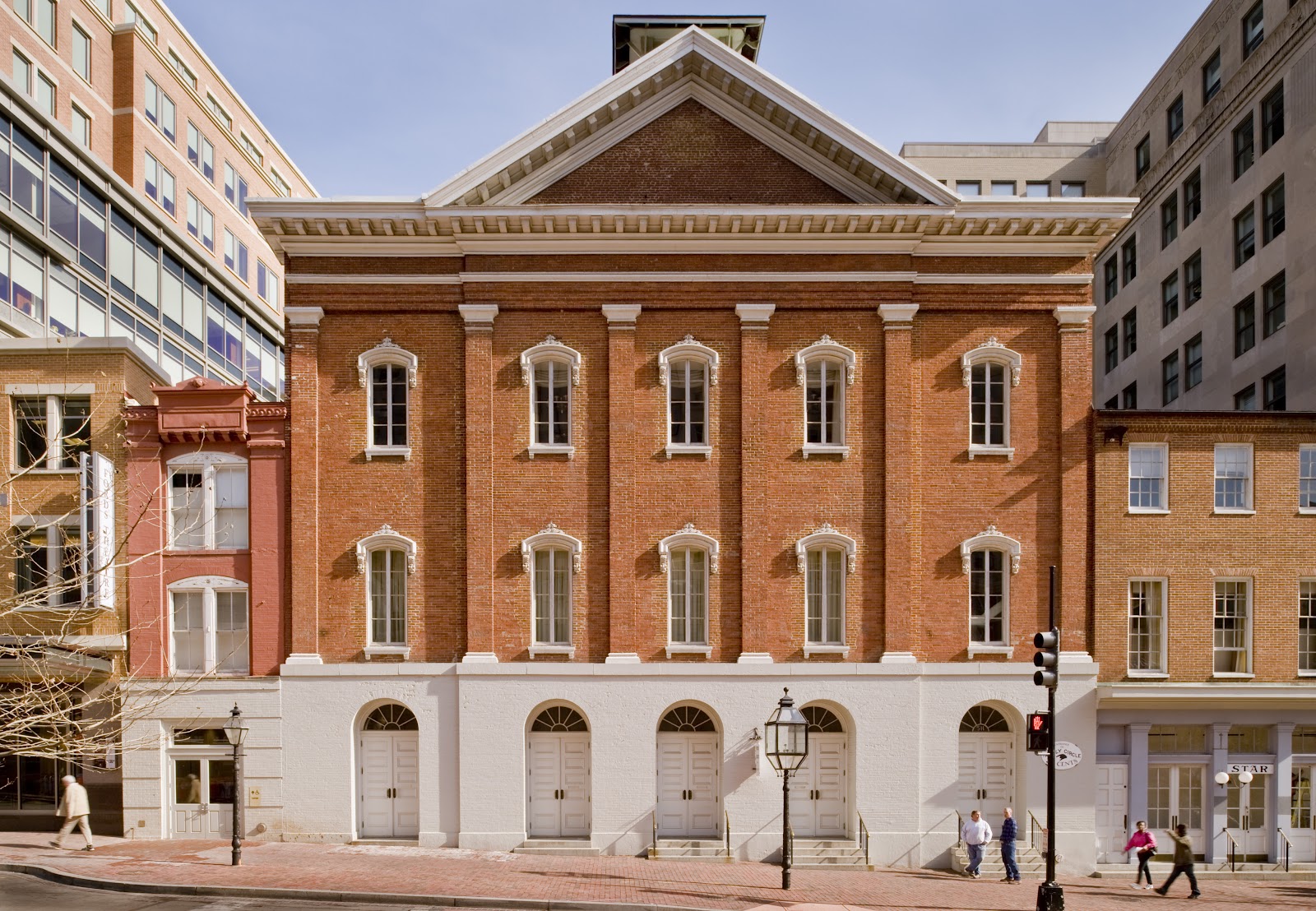
Ford's Theatre
Ford's Theatre. It's still a working theatre — they stage plays here year-round. The presidential box has been restored to look exactly like it did on April fourteenth, eighteen sixty-five. That night, Lincoln almost didn't come.
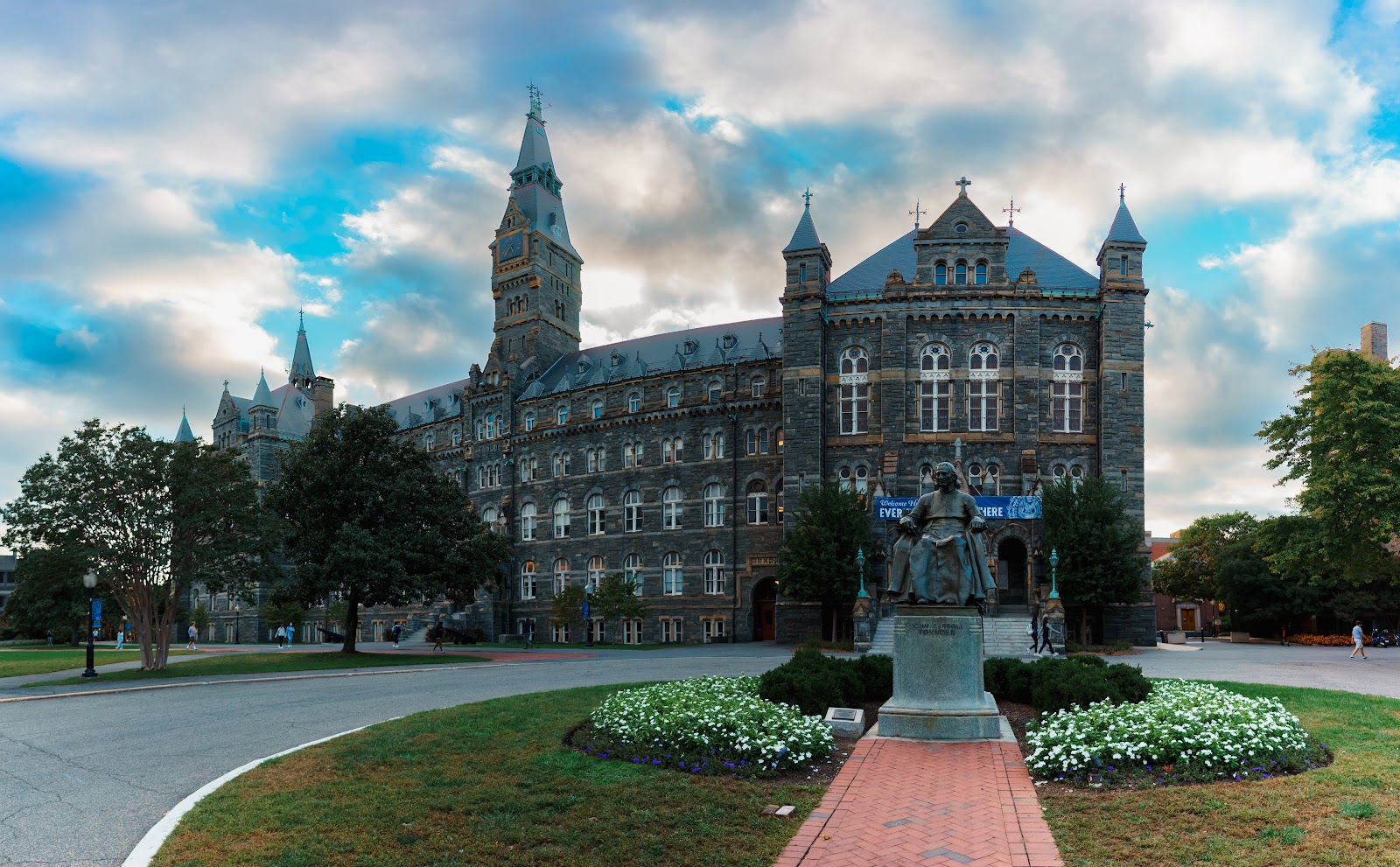
Georgetown University
Georgetown University. Look at that building — Healy Hall. Three hundred and twelve feet long. A clock tower two hundred feet tall. Named after the man who built it and nearly killed himself doing it.
Lafayette Square
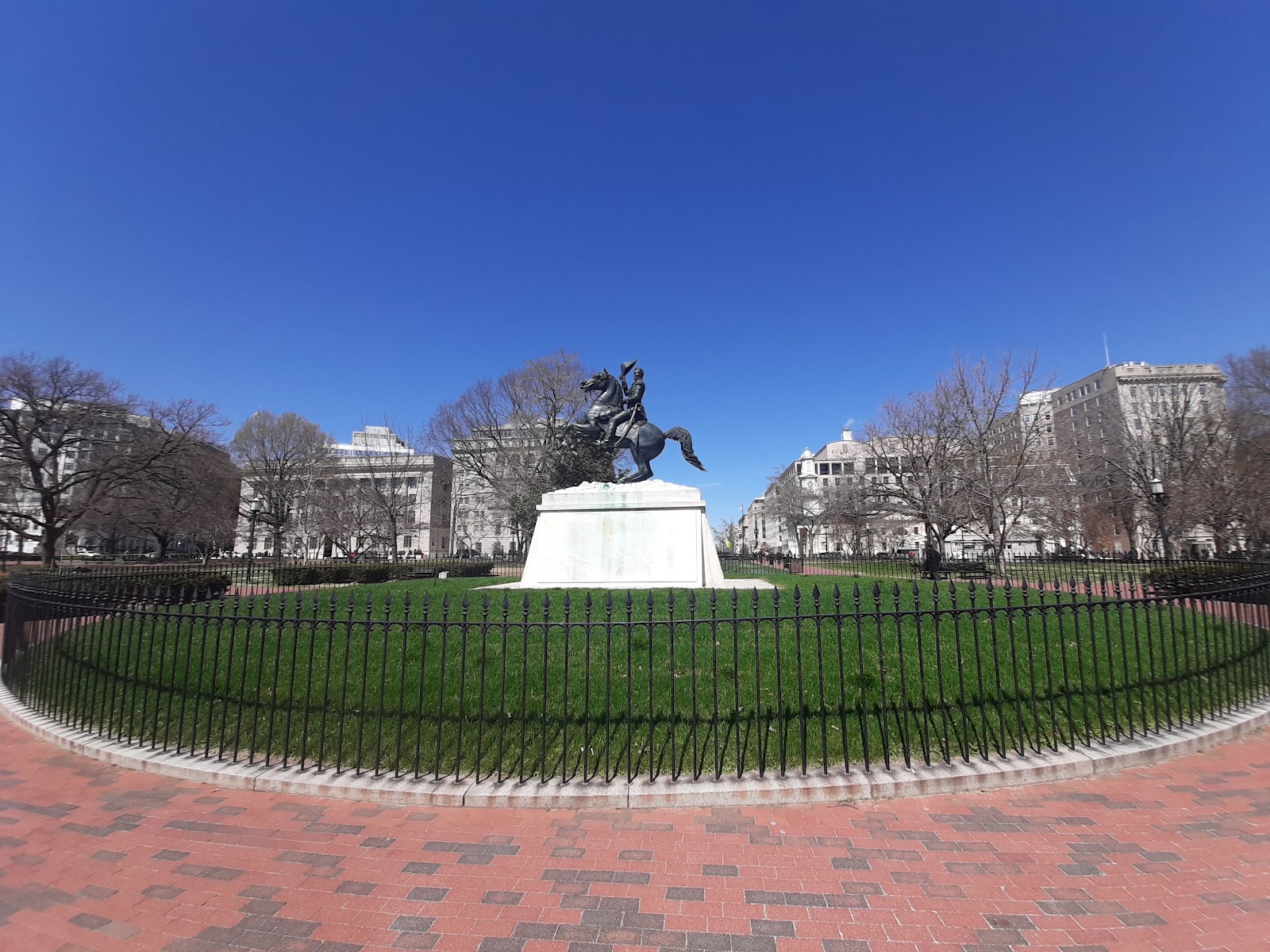
Lafayette Square. Seven acres, four statues of foreign Revolutionary War heroes, one Andrew Jackson on a horse. It's a nice park. It was also the site of the most violent part of the assassination plot — and nobody talks about it.
Martin's Tavern
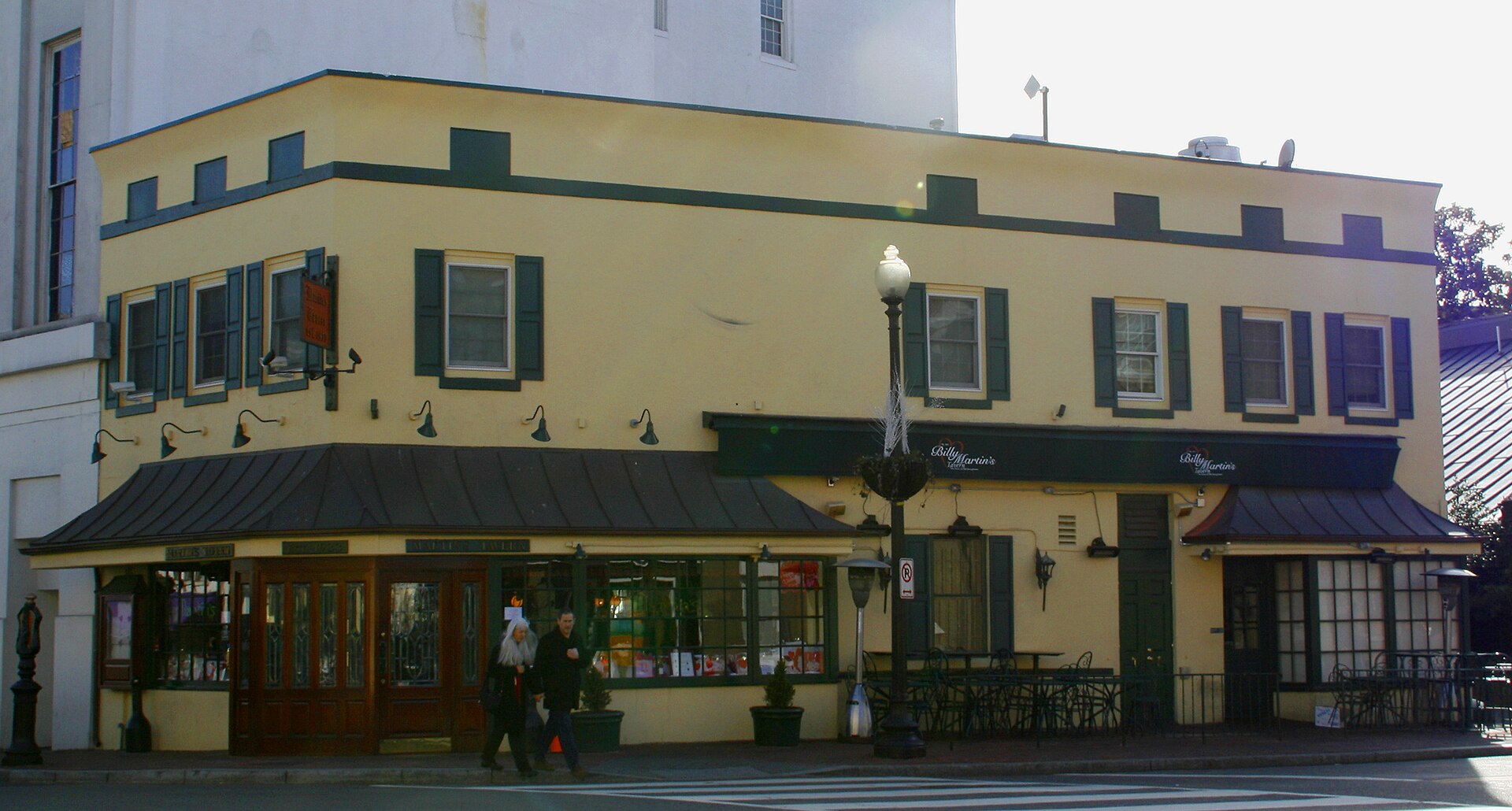
Martin's Tavern. If these booths could talk, half of Washington would lawyer up. This is the oldest family-owned restaurant in Washington, D.C. The Martin family — from Galway, Ireland — has run this place since nineteen thirty-three.
Mary Surratt's Boarding House
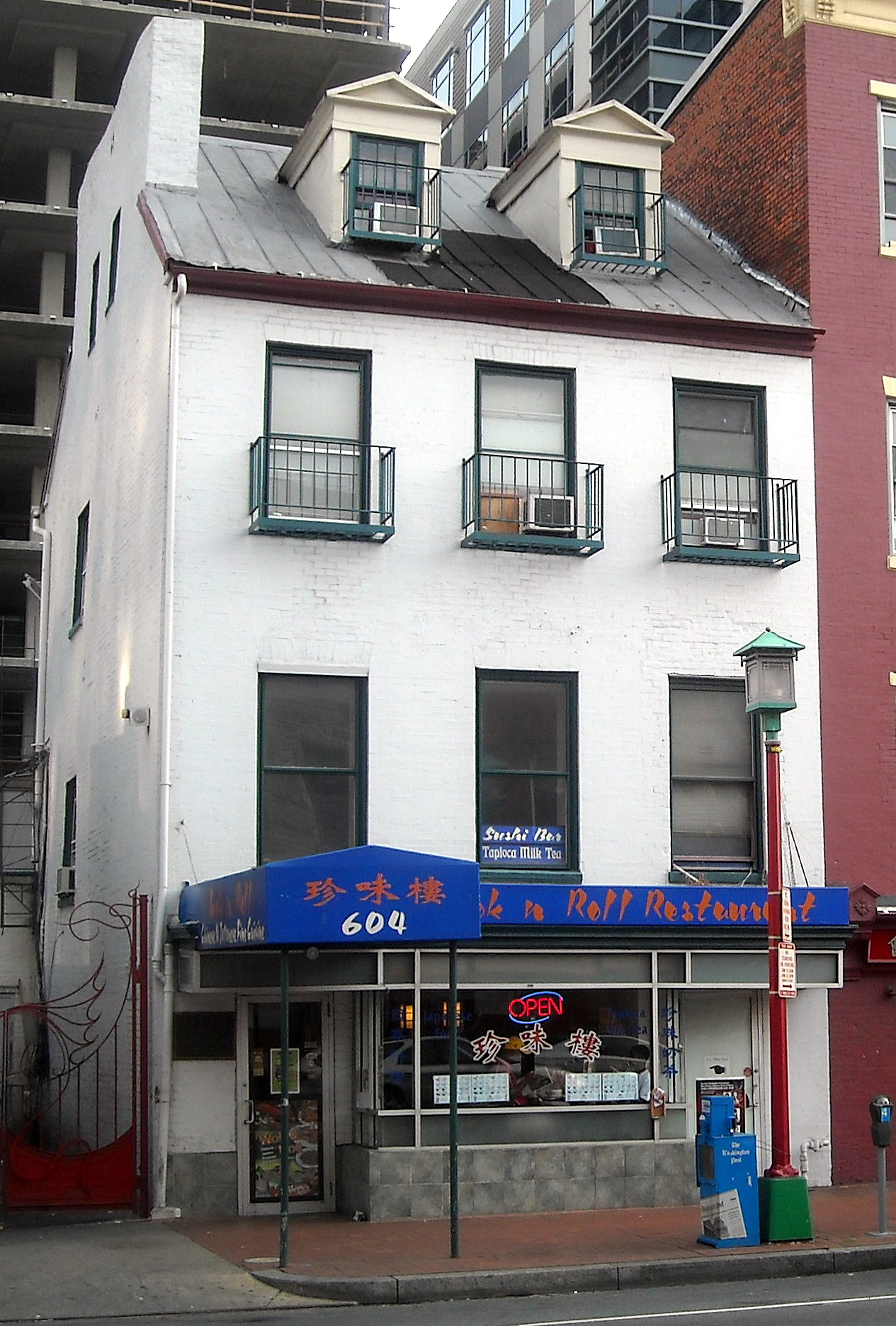
Six-oh-four H Street Northwest. If you're looking at a Chinese restaurant right now — that's the place. This three-story townhouse was the headquarters of the Lincoln assassination conspiracy.
National Air and Space Museum
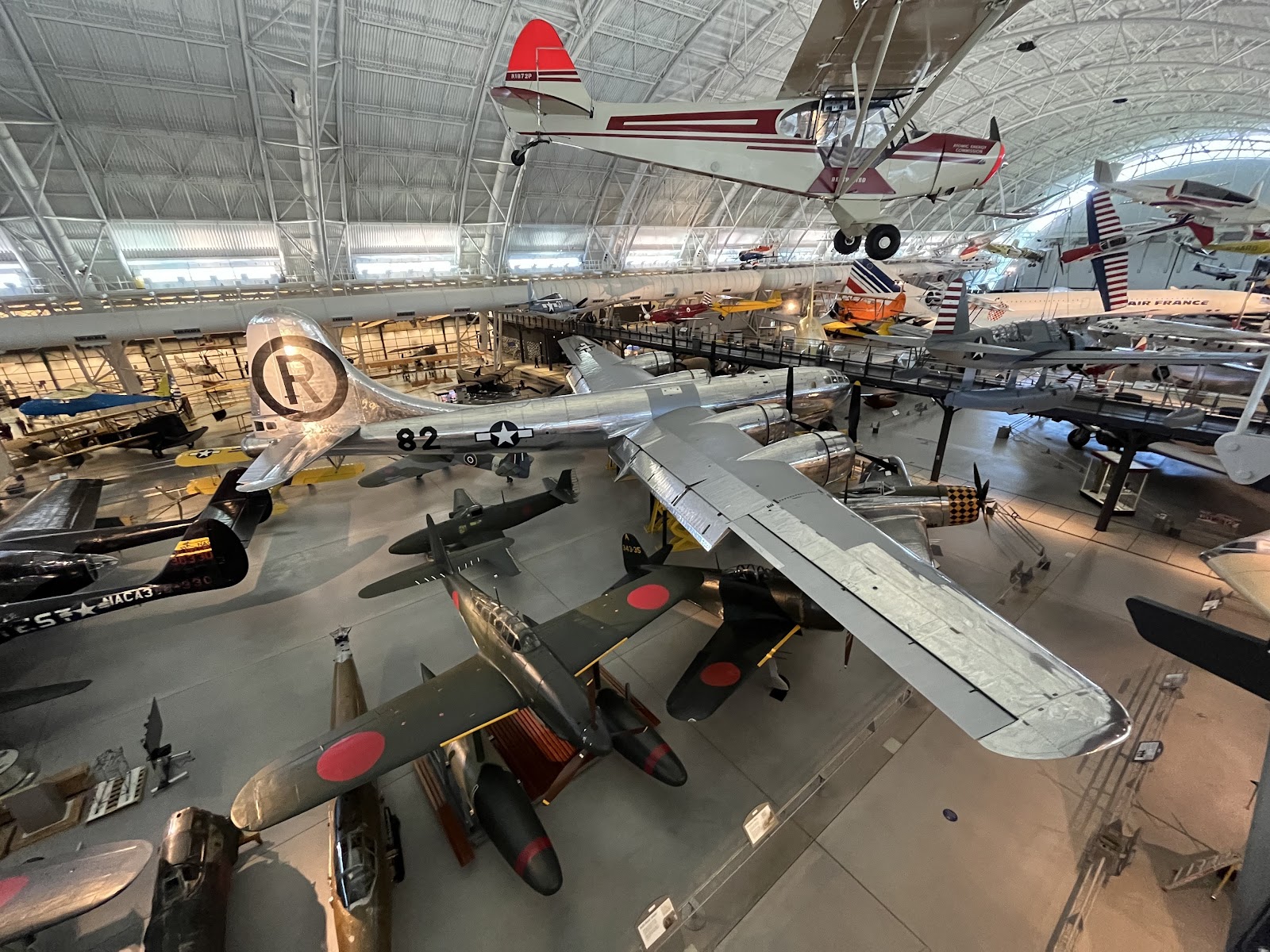
The National Air and Space Museum.
National Archives
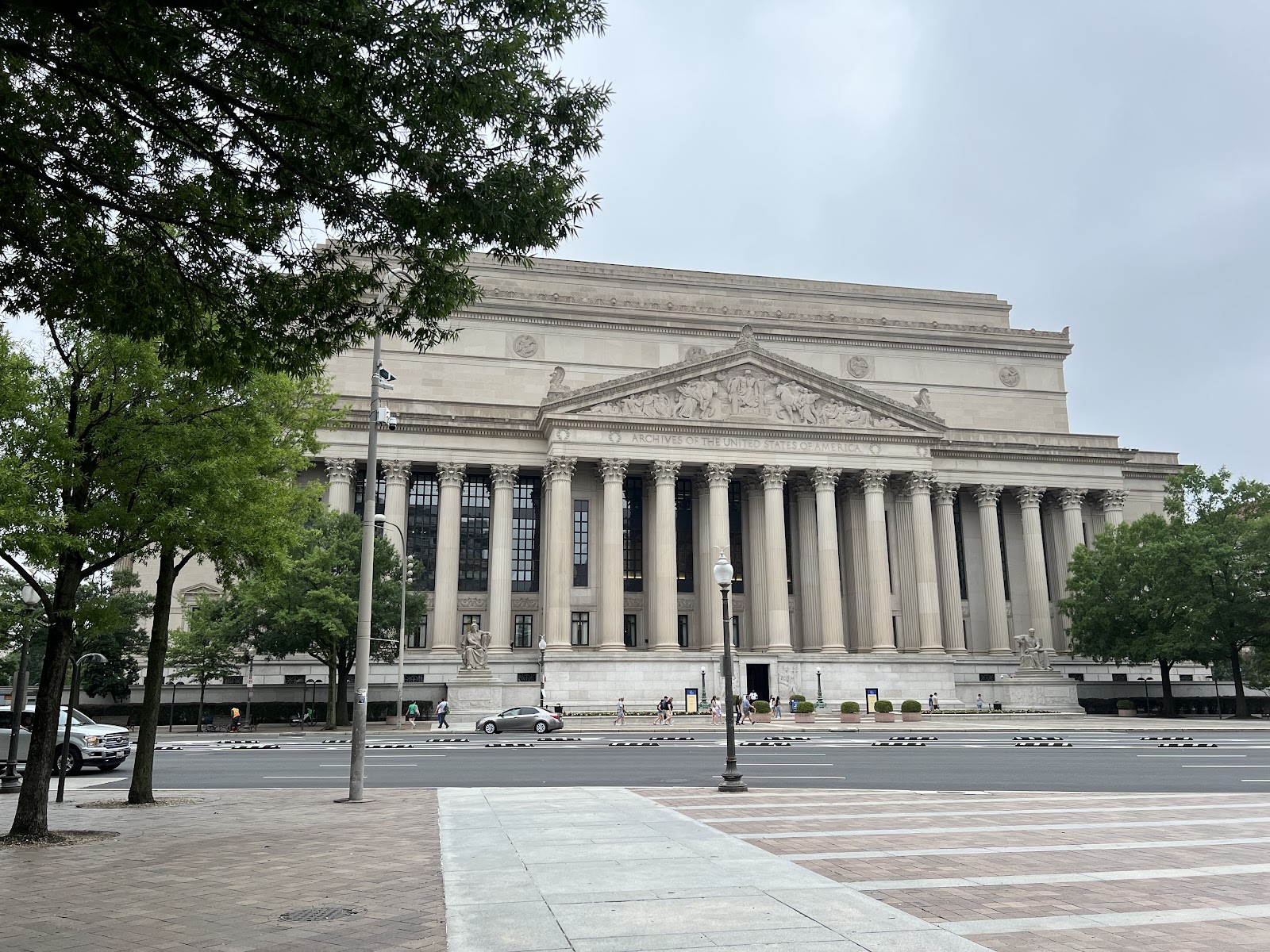
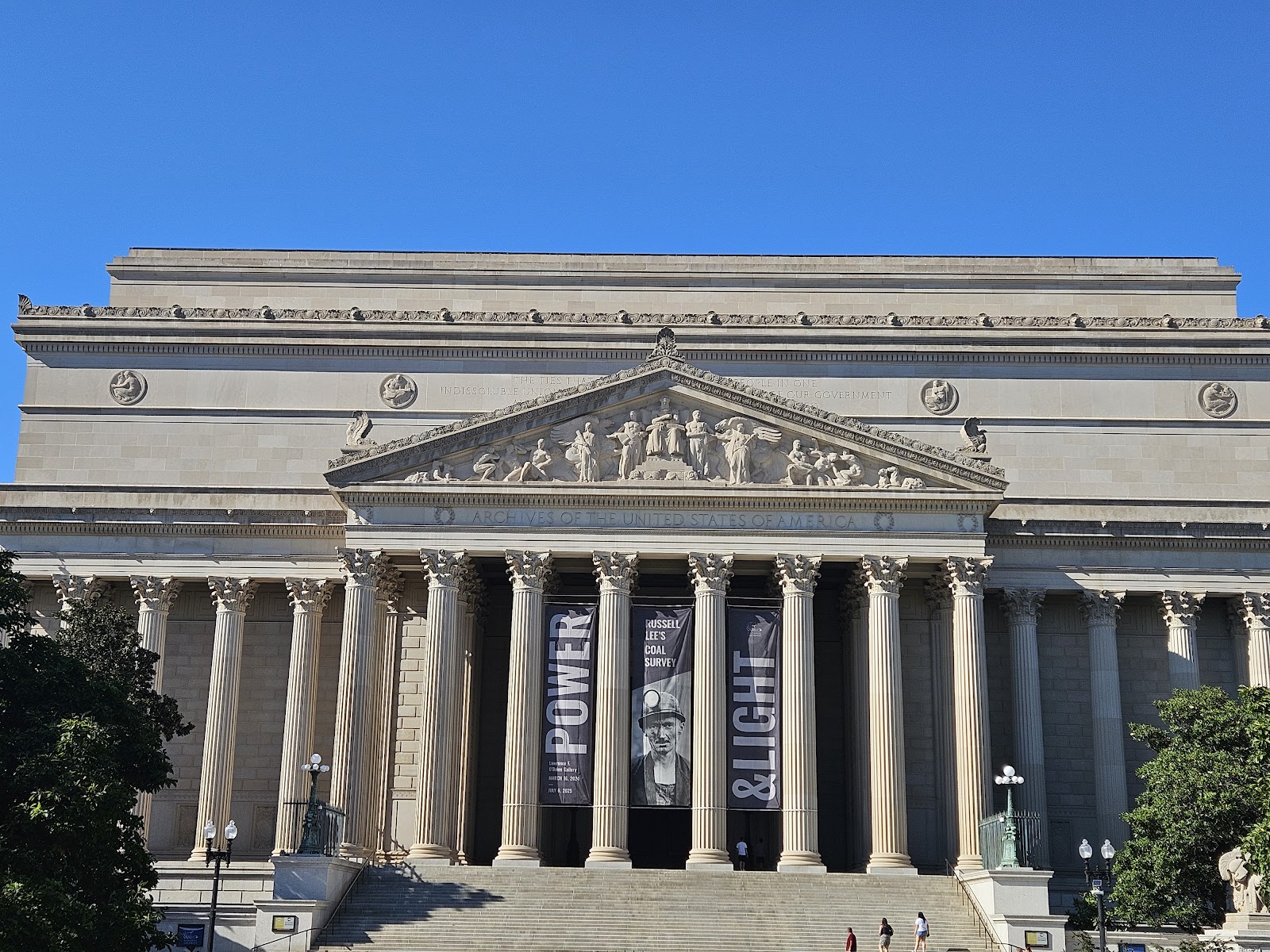
The National Archives.
National Gallery of Art
The National Gallery of Art.
National Museum of African American History and Culture
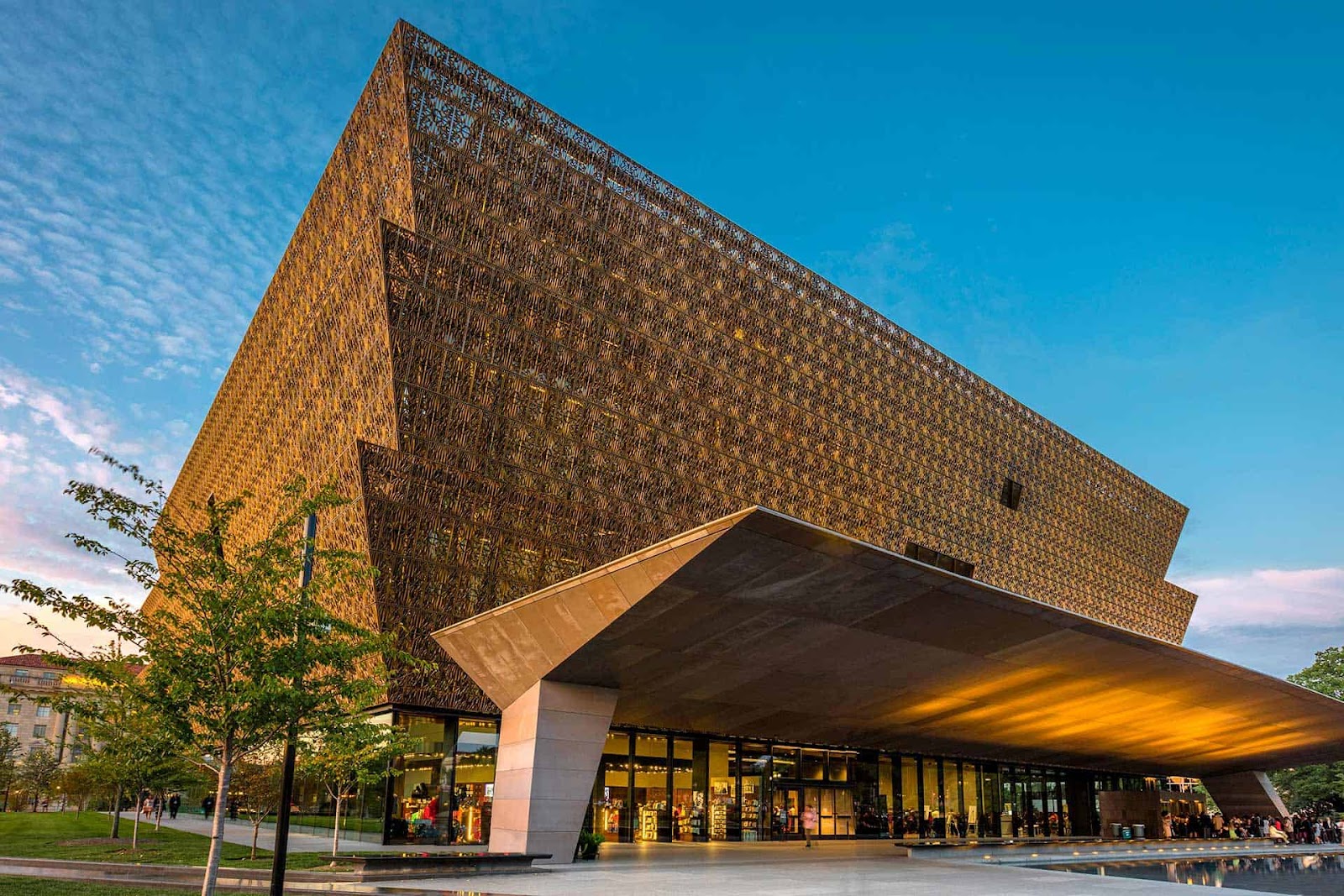
The National Museum of African American History and Culture.
National Museum of American History
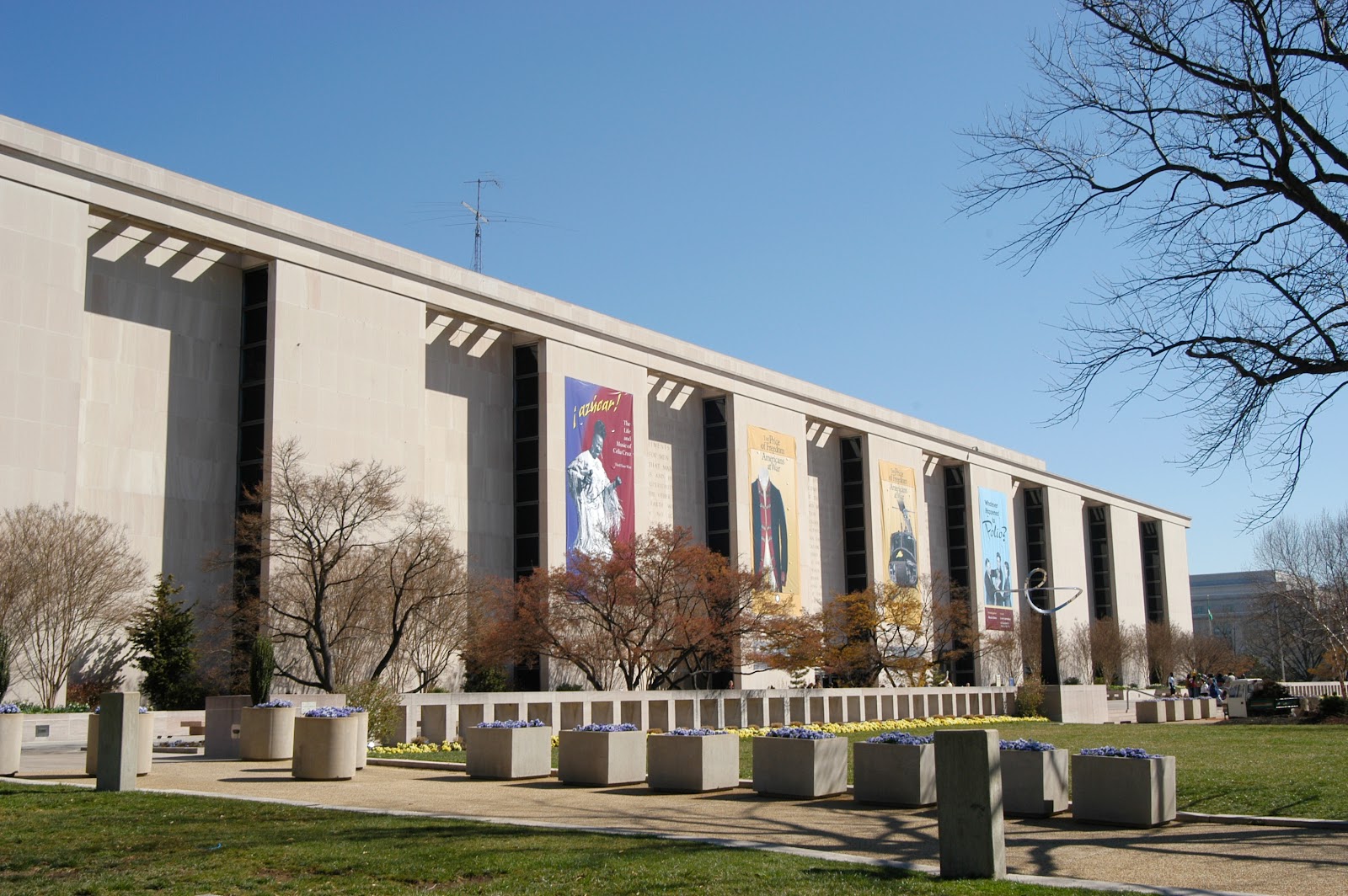
The National Museum of American History.
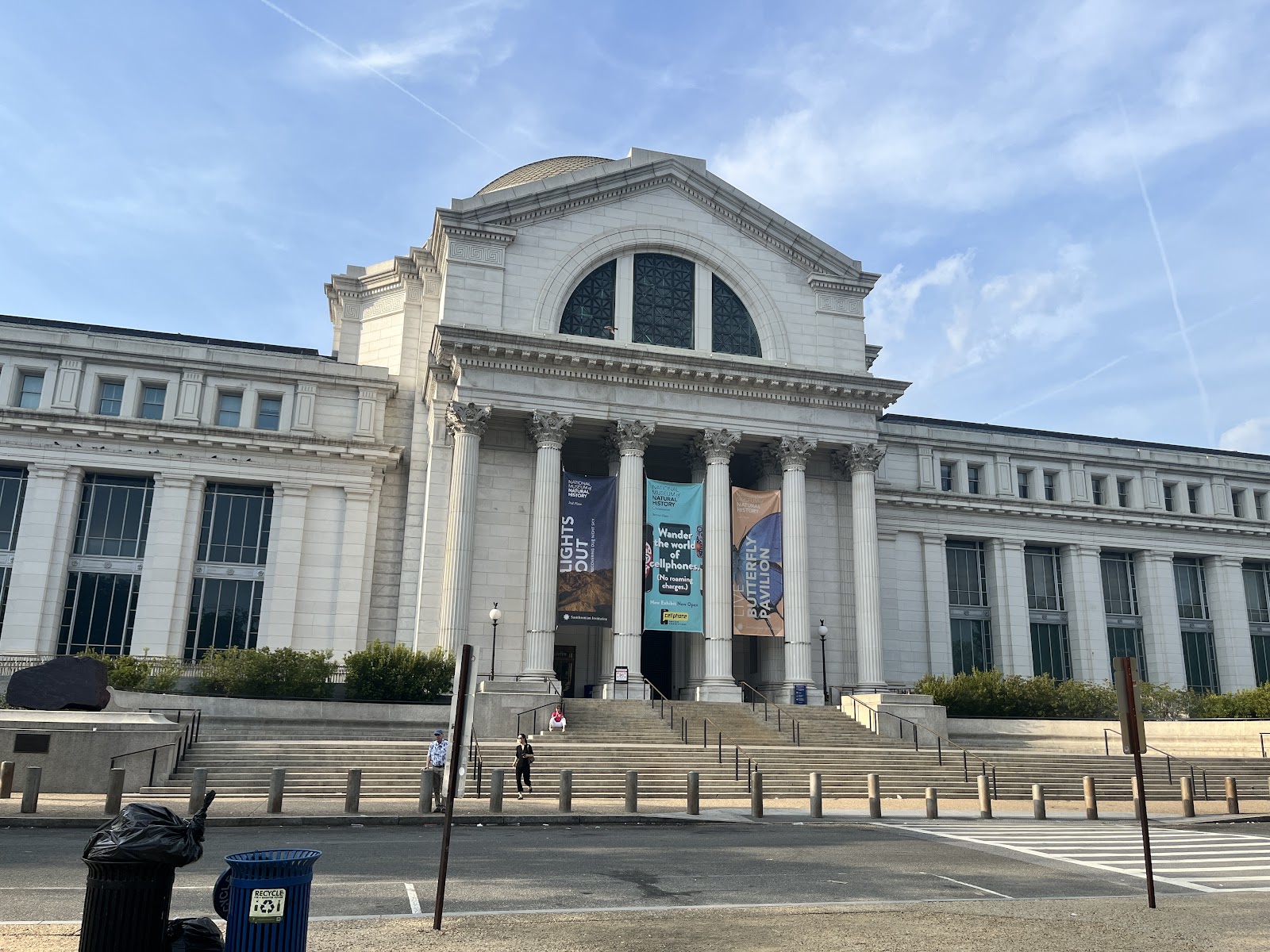
National Museum of Natural History
The National Museum of Natural History.
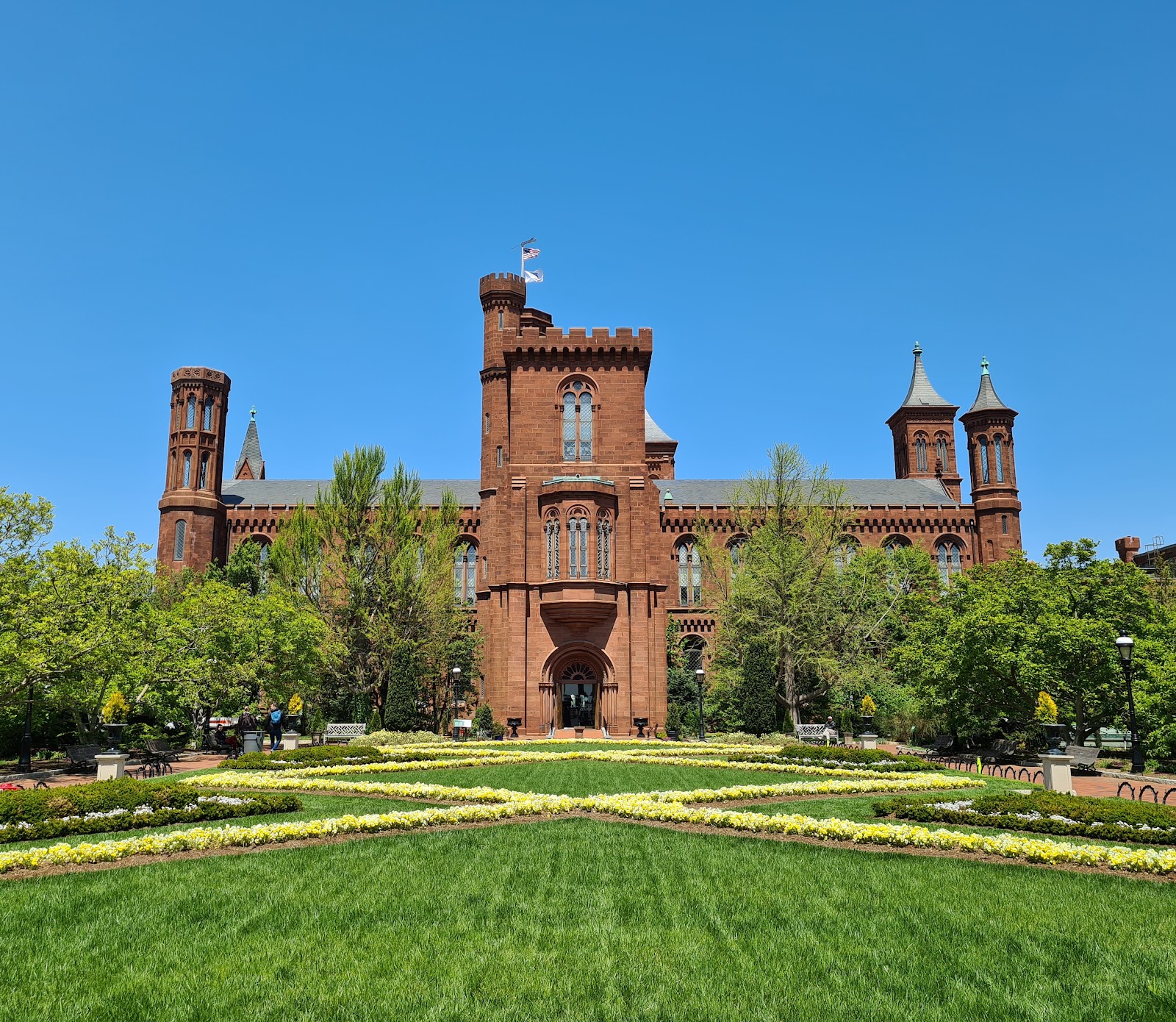
Smithsonian Castle
The Smithsonian Castle.
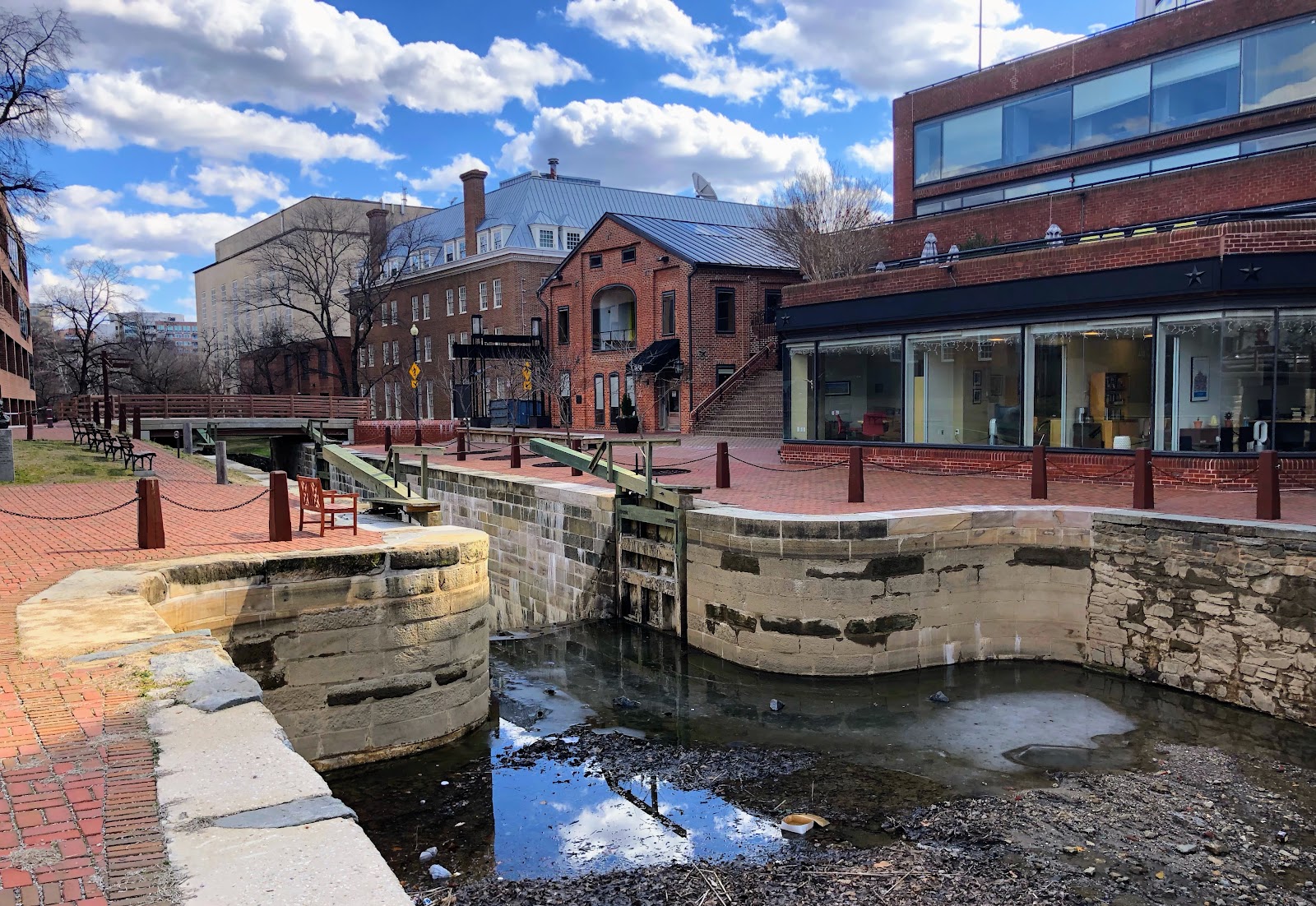
The C and O Canal
The C and O Canal. George Washington's most expensive bad idea, and it starts right at your feet. See those locks — the stone chambers stepping up from the water? There are four of them right here. They climb like a staircase.
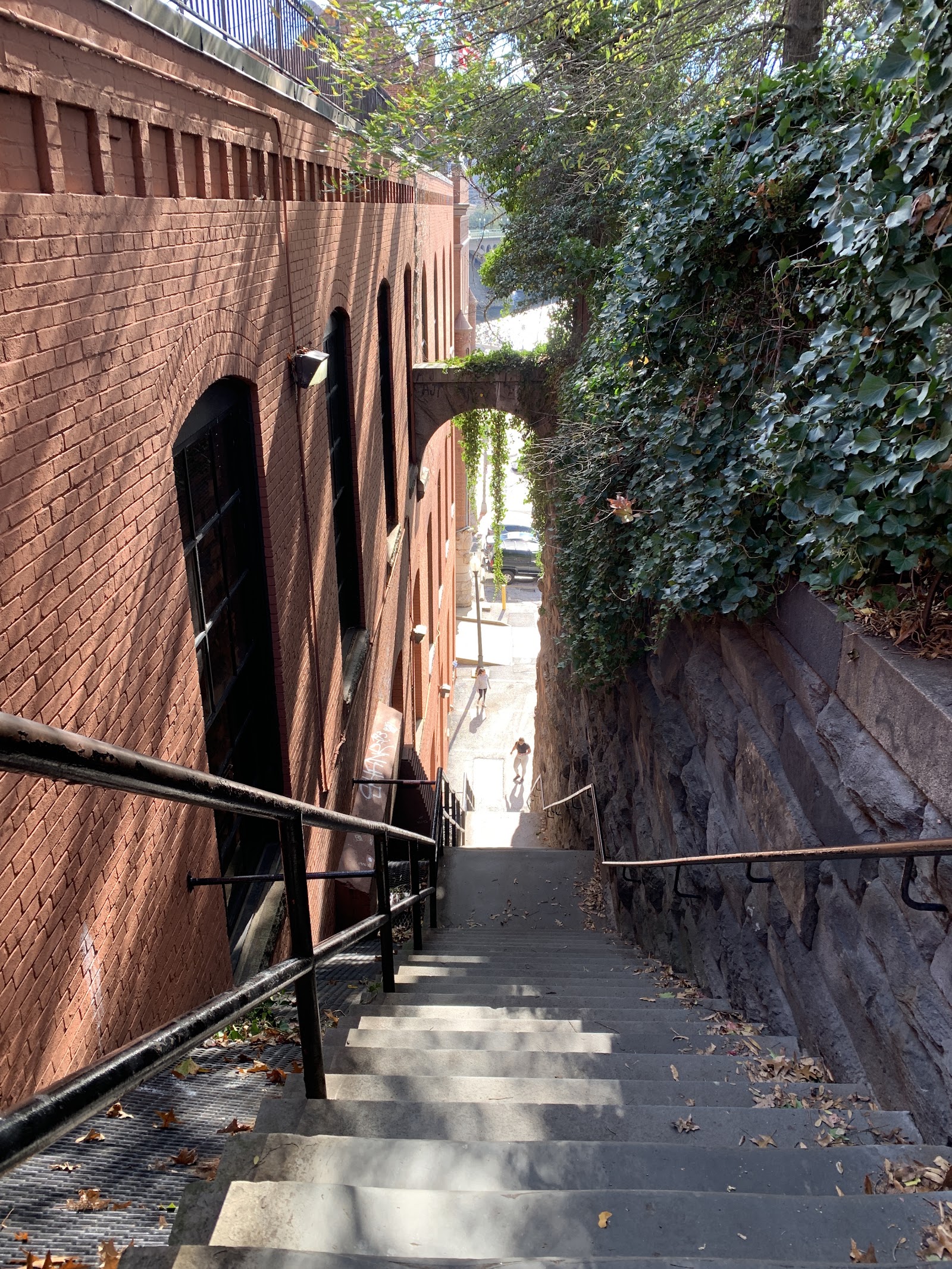
The Exorcist Steps
The Exorcist Steps. Ninety-seven of them — dropping sixty feet from Prospect Street to M Street below. Before the movie, people called them the Hitchcock Steps. Not because Alfred Hitchcock ever used them.
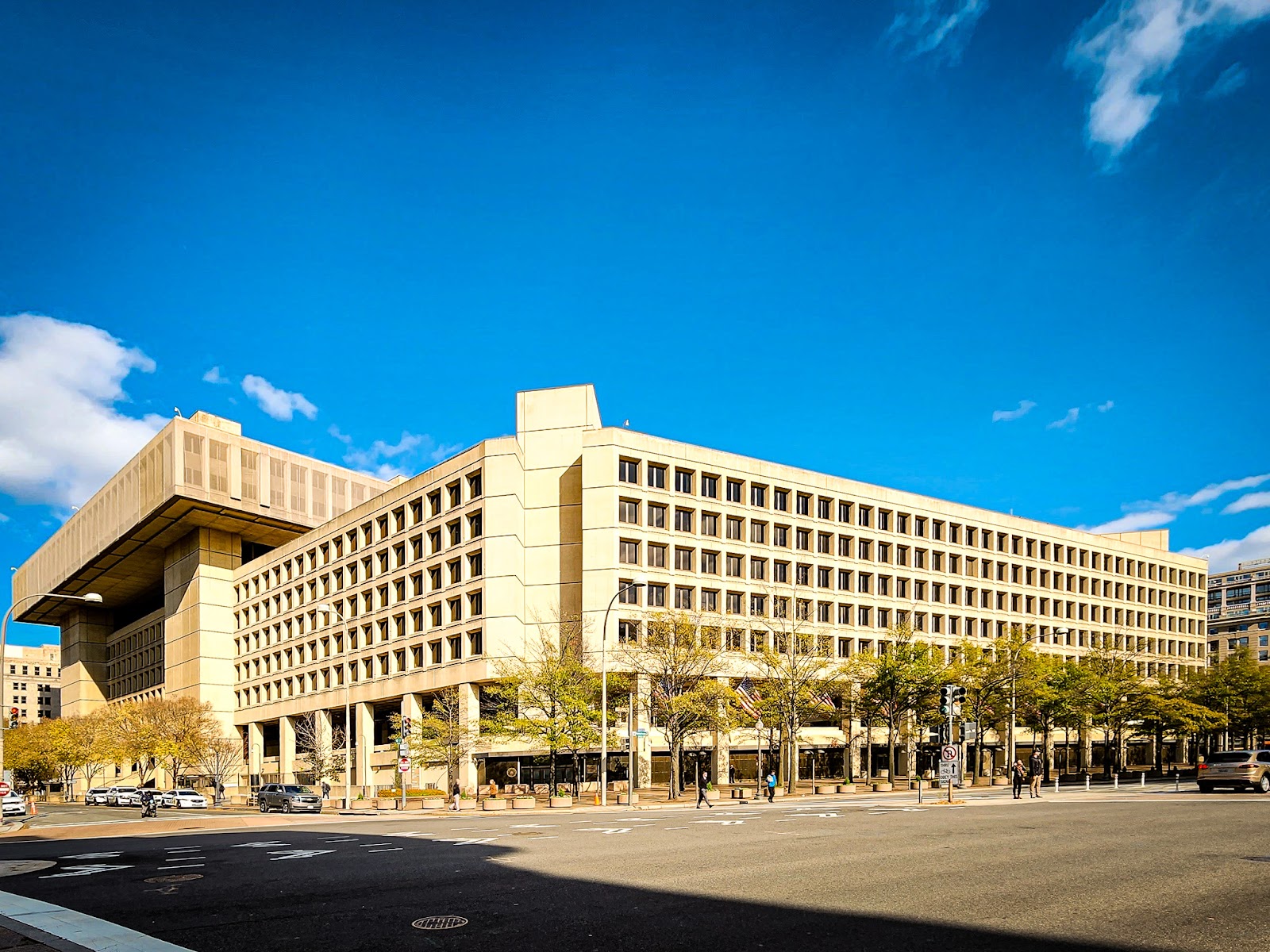
The F-B-I Building
Look at this building.
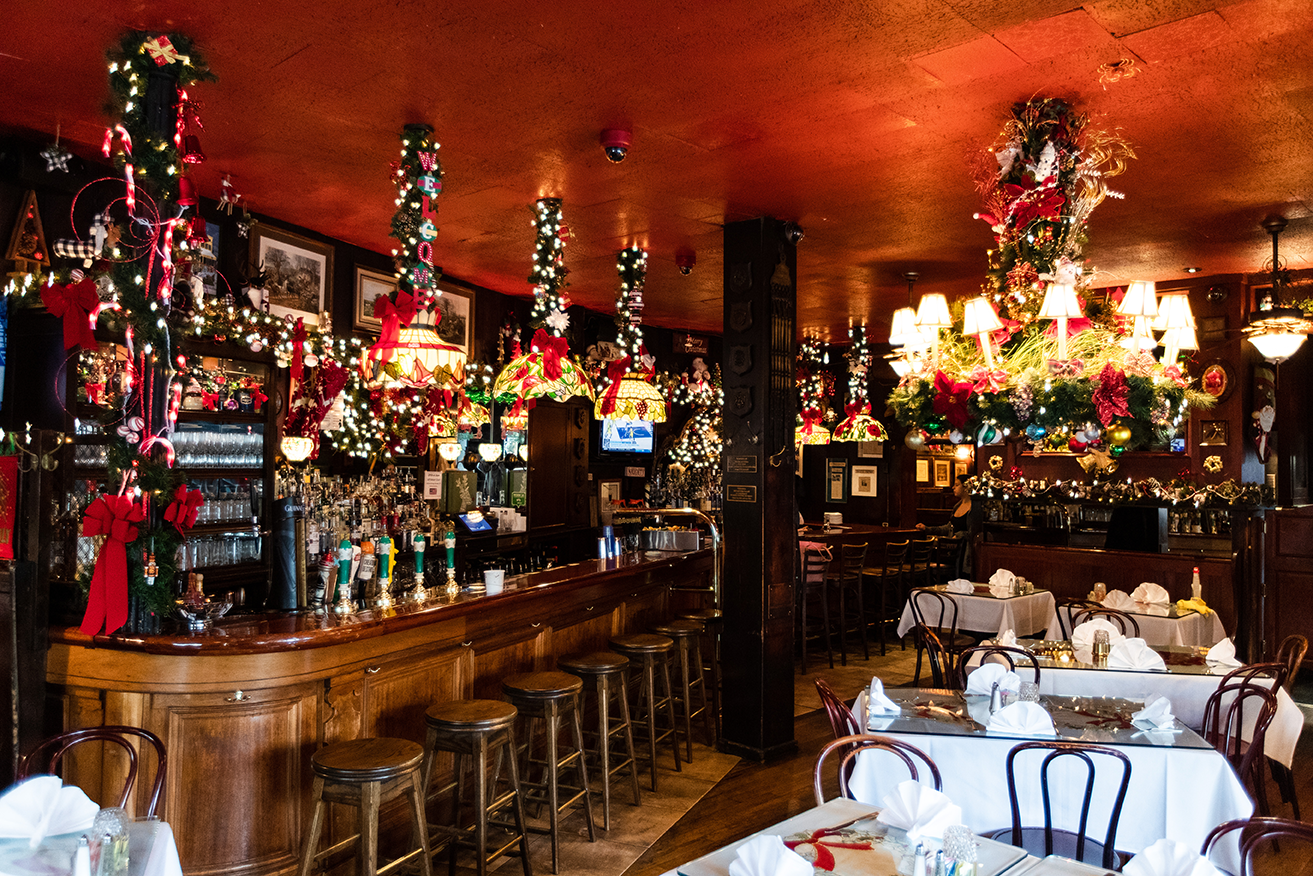
The Georgetown Dead Drop
See that mailbox? The blue one.
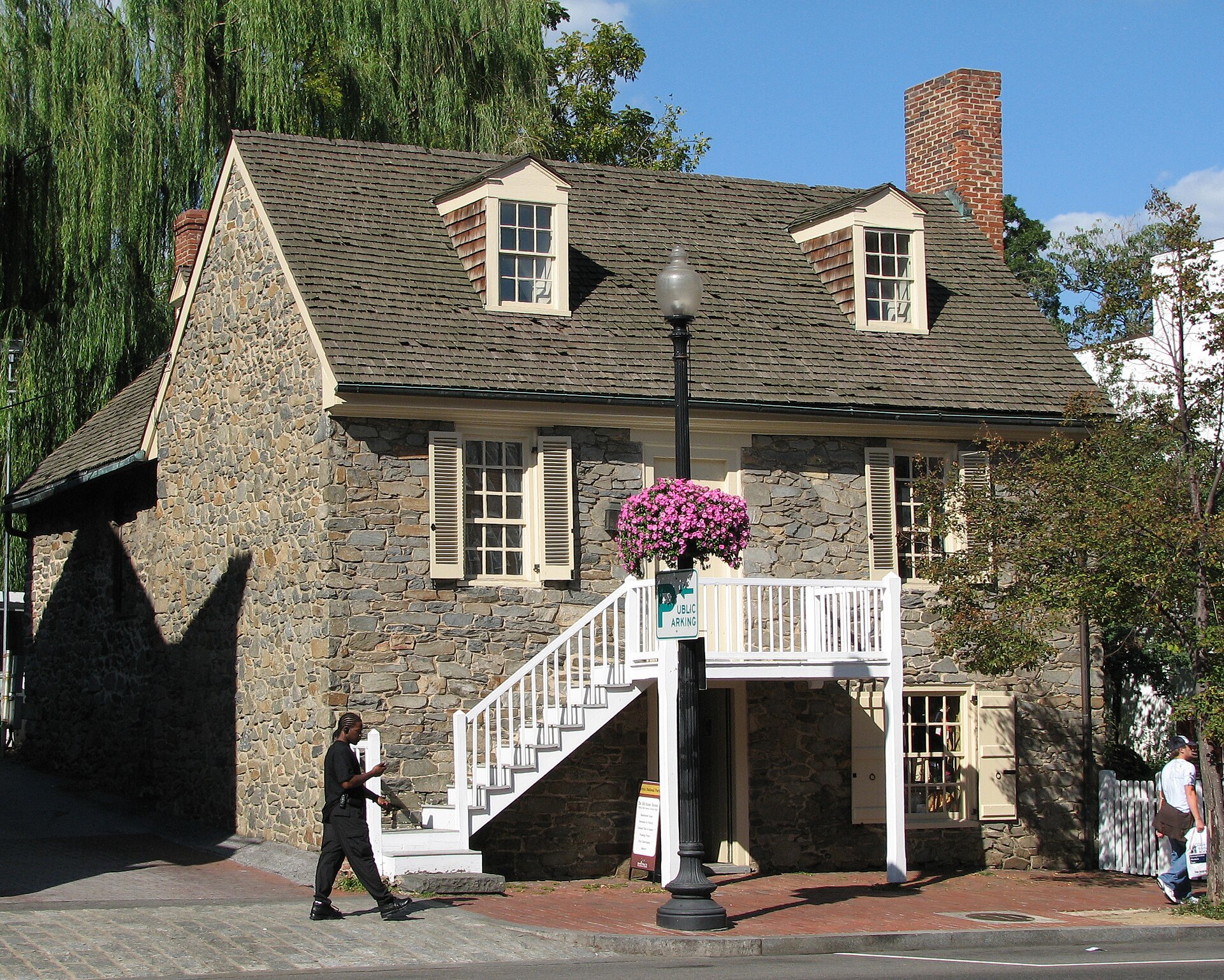
The Old Stone House
The Old Stone House. The oldest building in Washington, D.C., on its original foundation — and it's only still standing because of a lie.
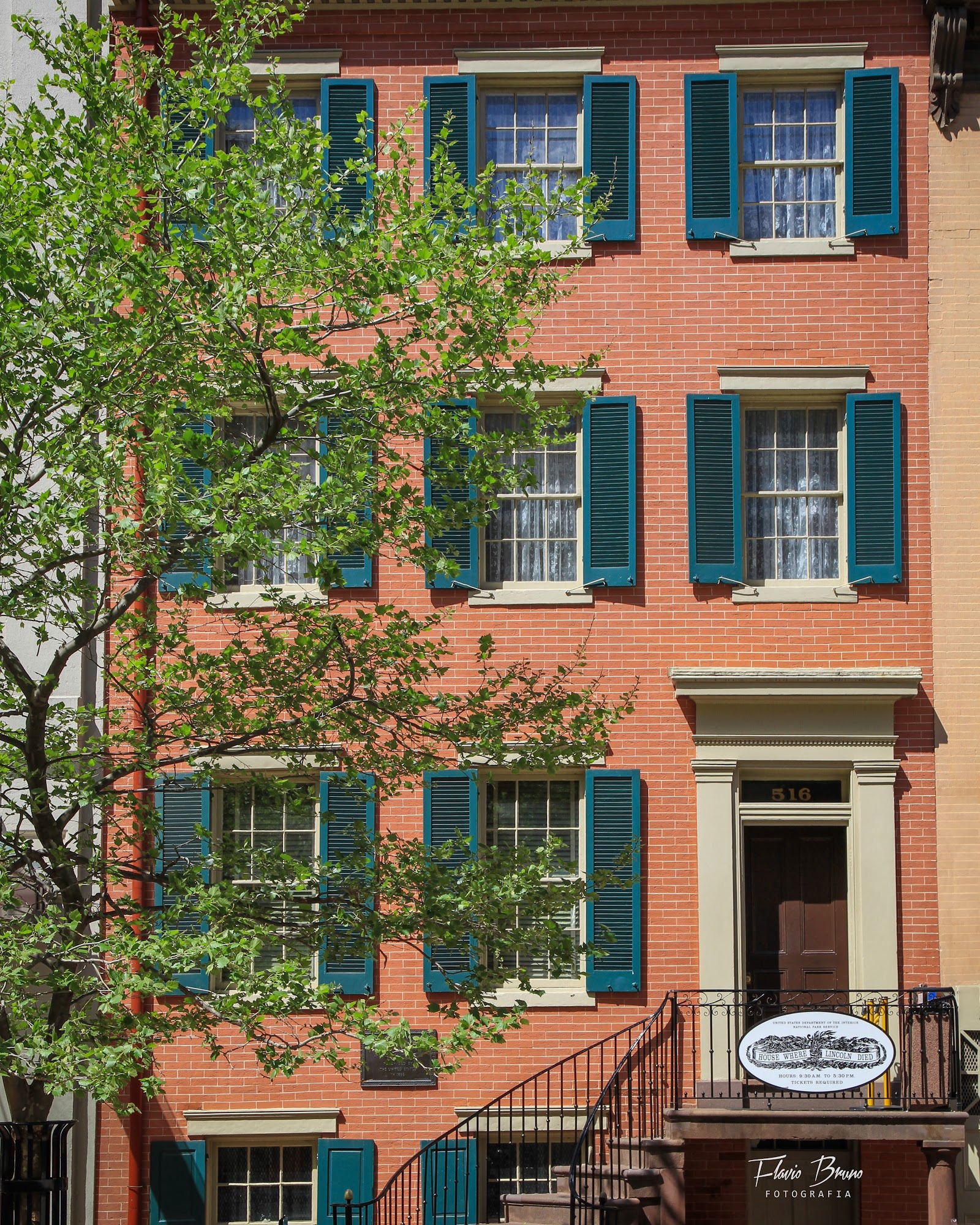
The Petersen House
Five-sixteen Tenth Street. The Petersen House. Directly across from Ford's Theatre. After the shot, soldiers carried Lincoln down the stairs and into the street. They didn't know where to take him.
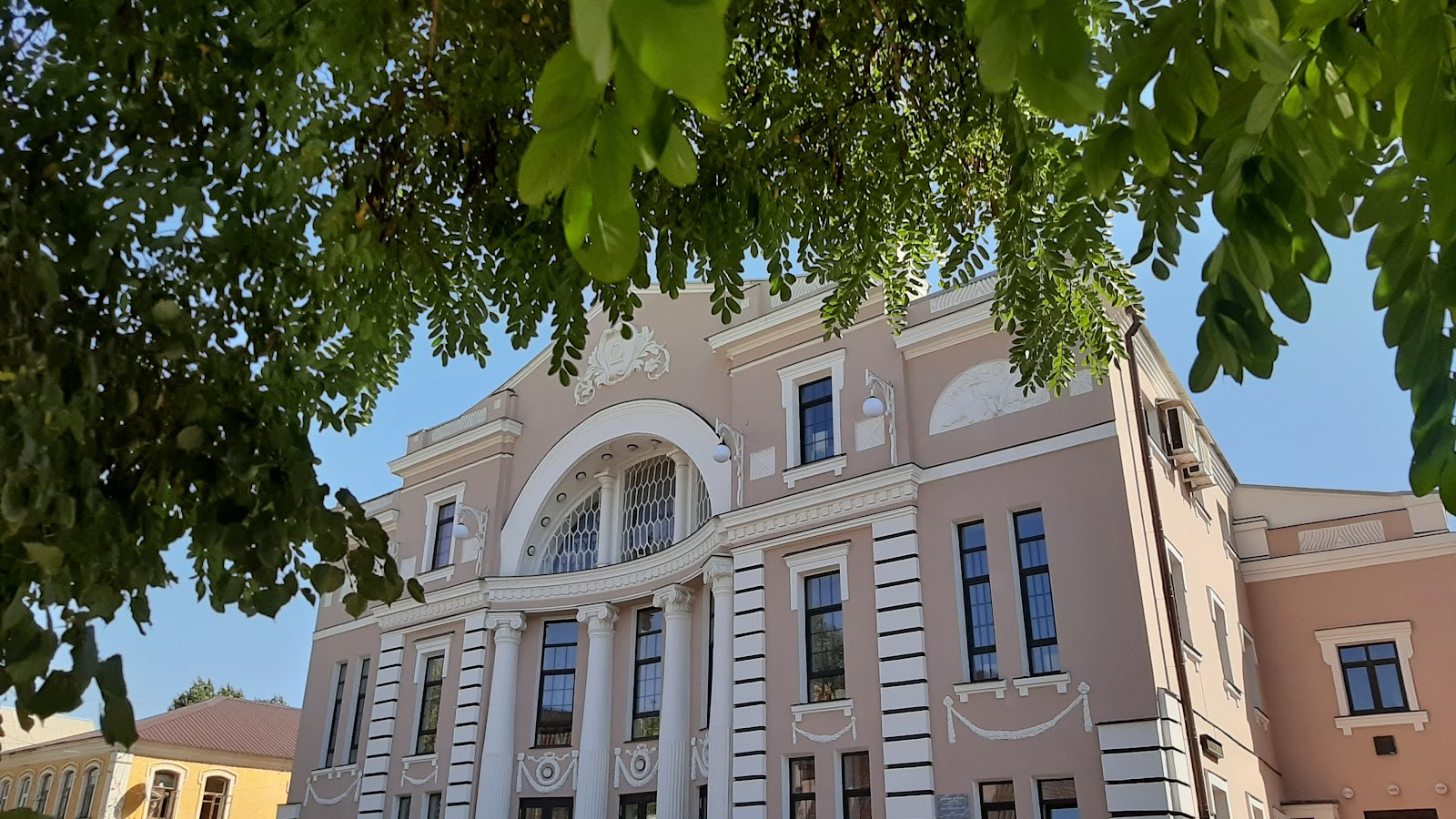
The Soviet Embassy
Look up the hill.
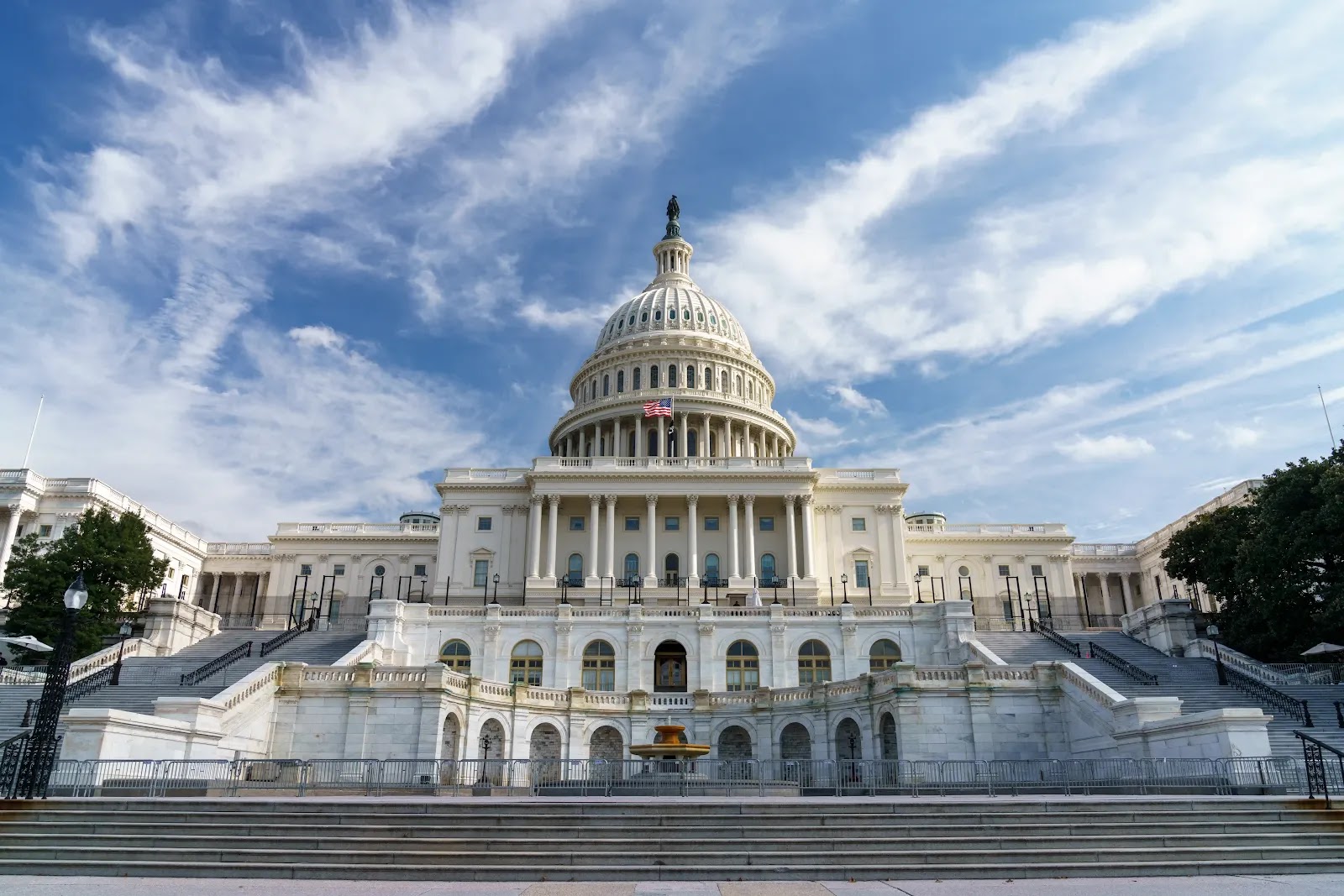
The U.S. Capitol
The United States Capitol. Six weeks before Lincoln was shot, he stood right here — on the East Portico — and took the oath of office for the second time. March fourth, eighteen sixty-five. It had been raining all day.
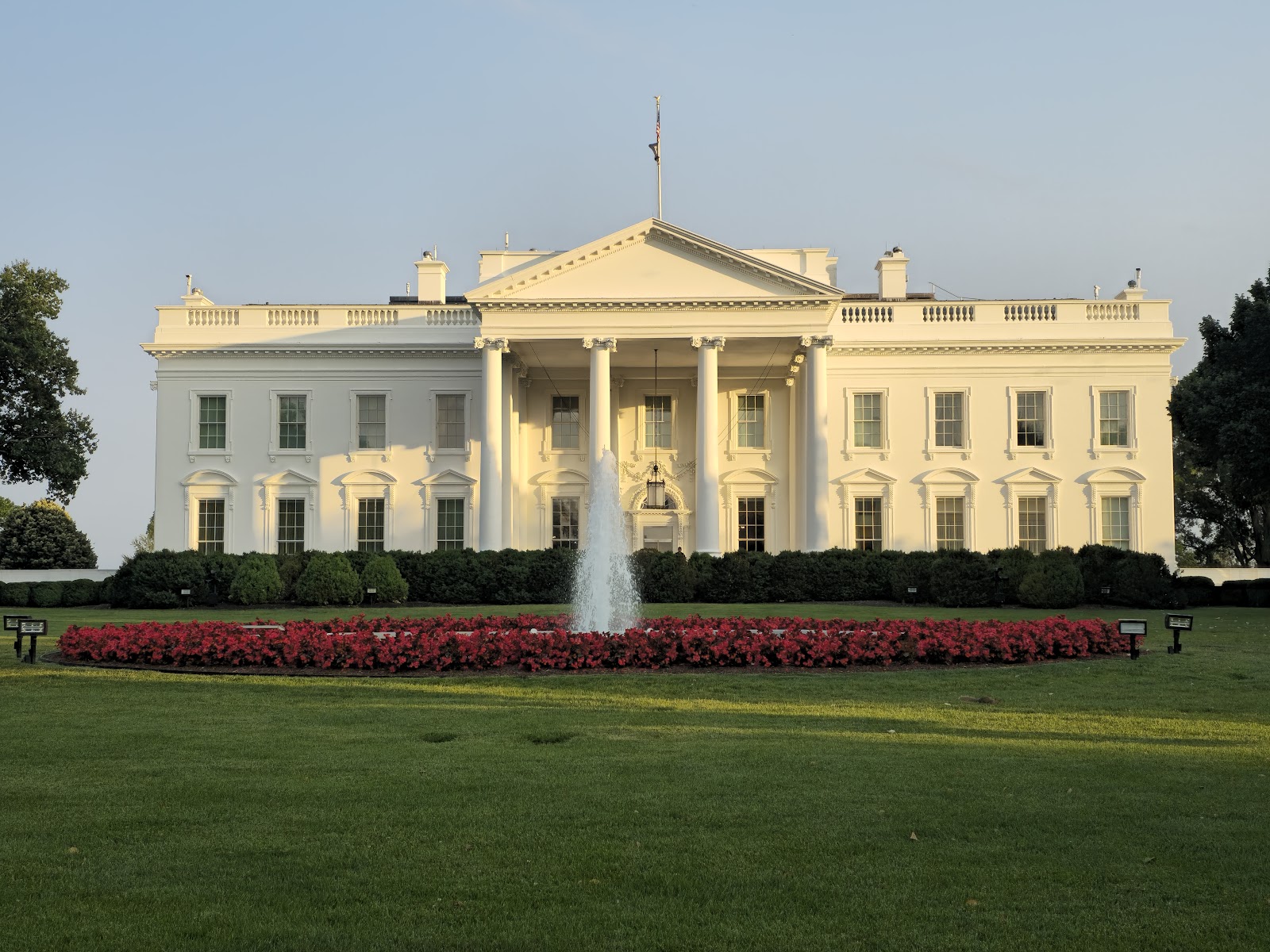
The White House
Sixteen hundred Pennsylvania Avenue. The White House. Lincoln lived here for four years, led a war from the second floor, and — if you believe the staff — never left.
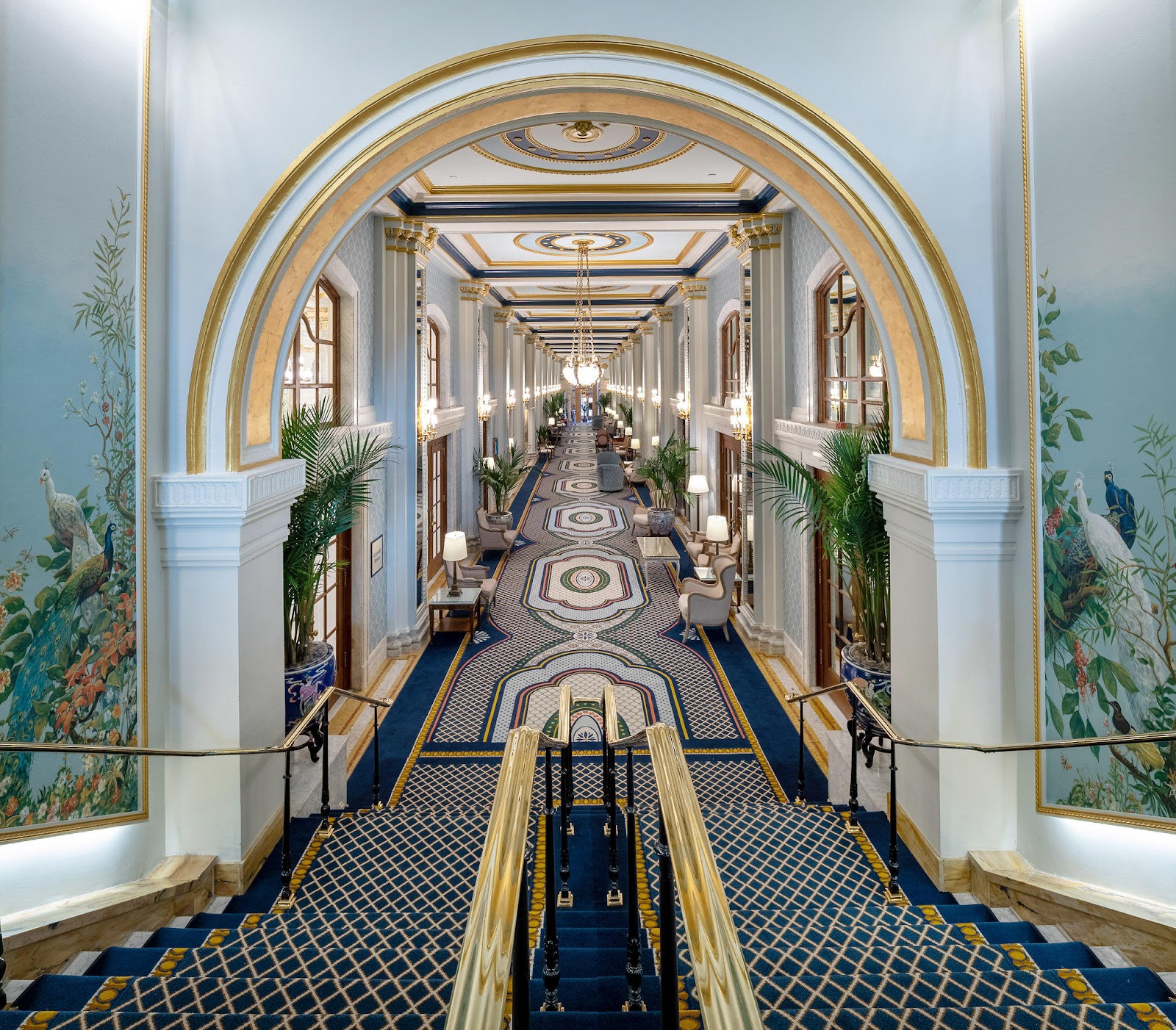
The Willard Hotel
The Willard Hotel.
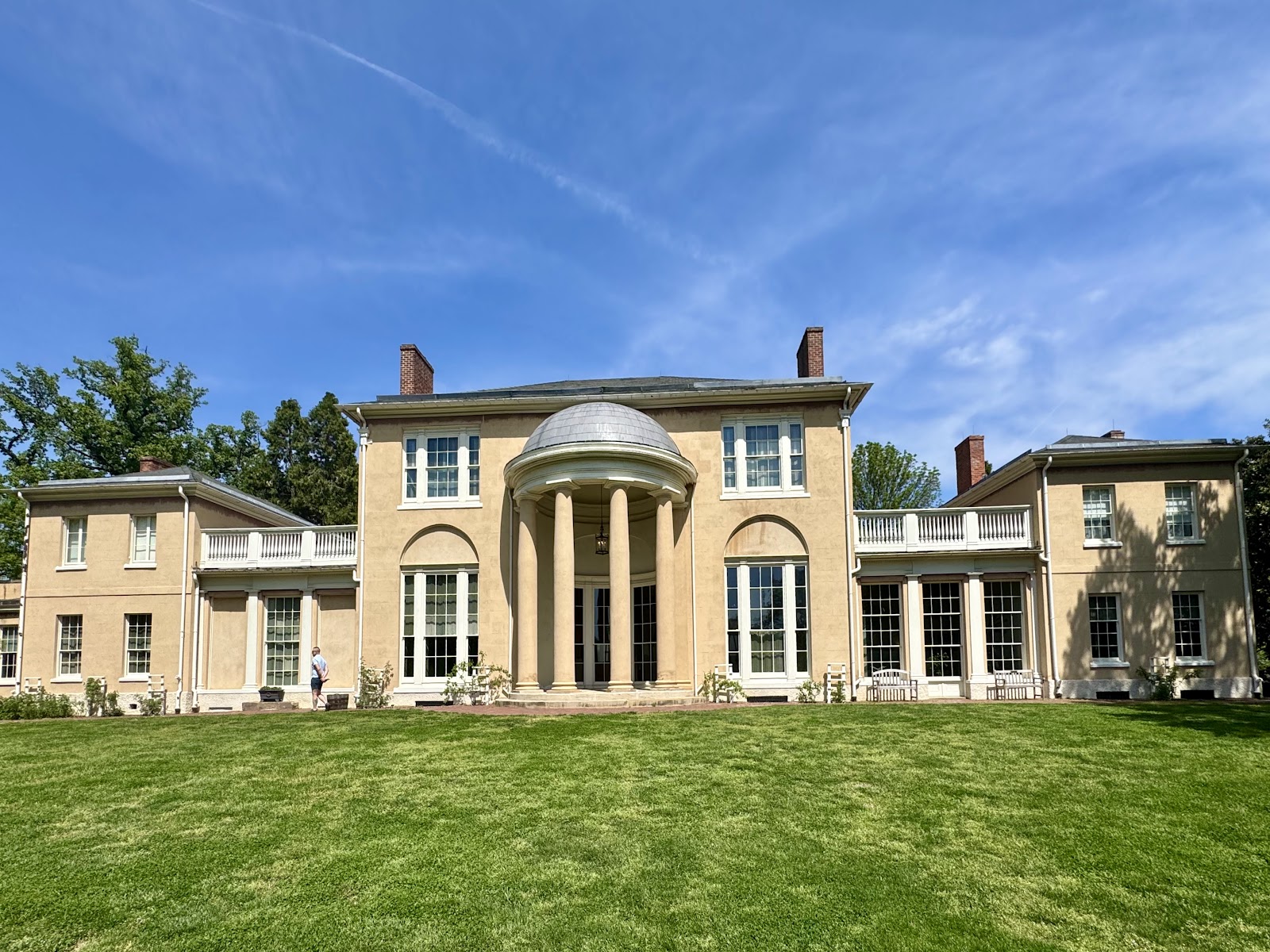
Tudor Place
Tudor Place. One family lived in this house for a hundred and seventy-eight years. Six generations. Eighteen oh five to nineteen eighty-three. The woman who built it was Martha Washington's granddaughter.
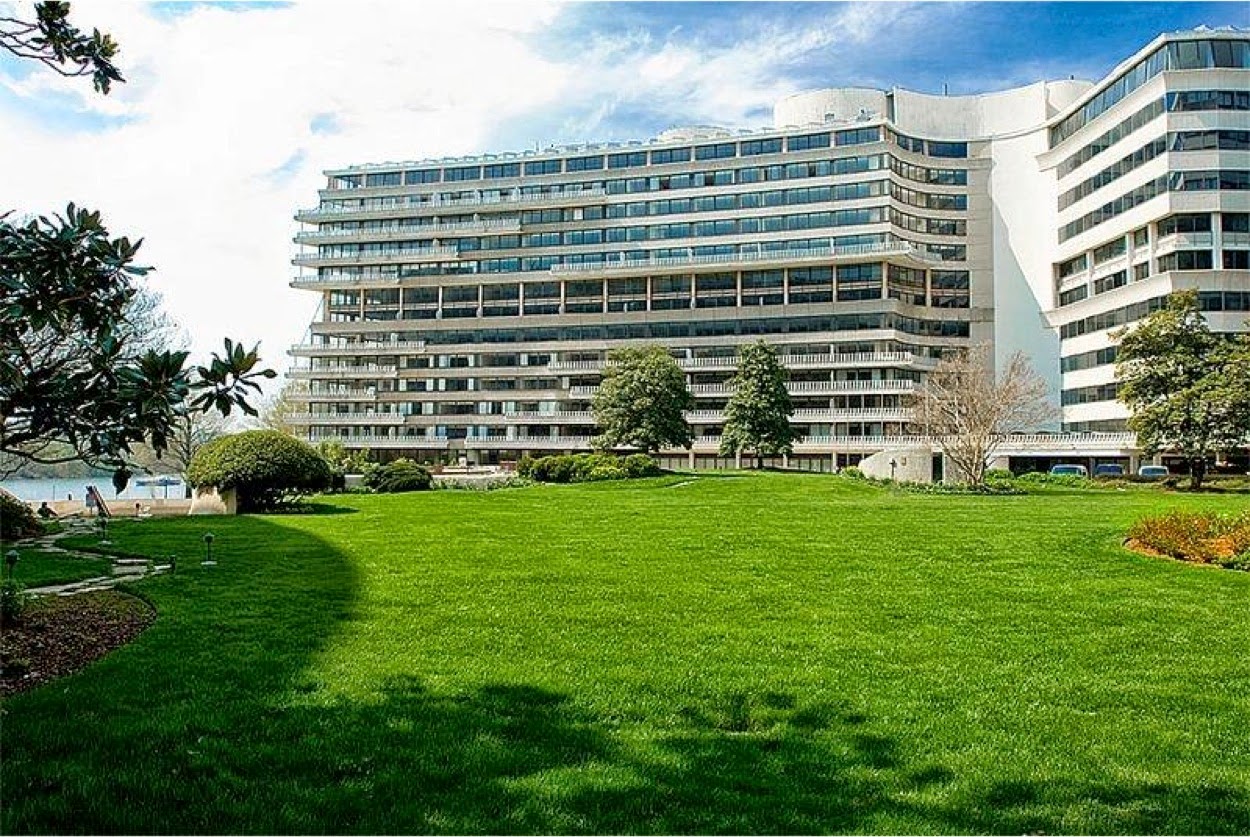
Watergate Complex
The Watergate Complex.
Monuments
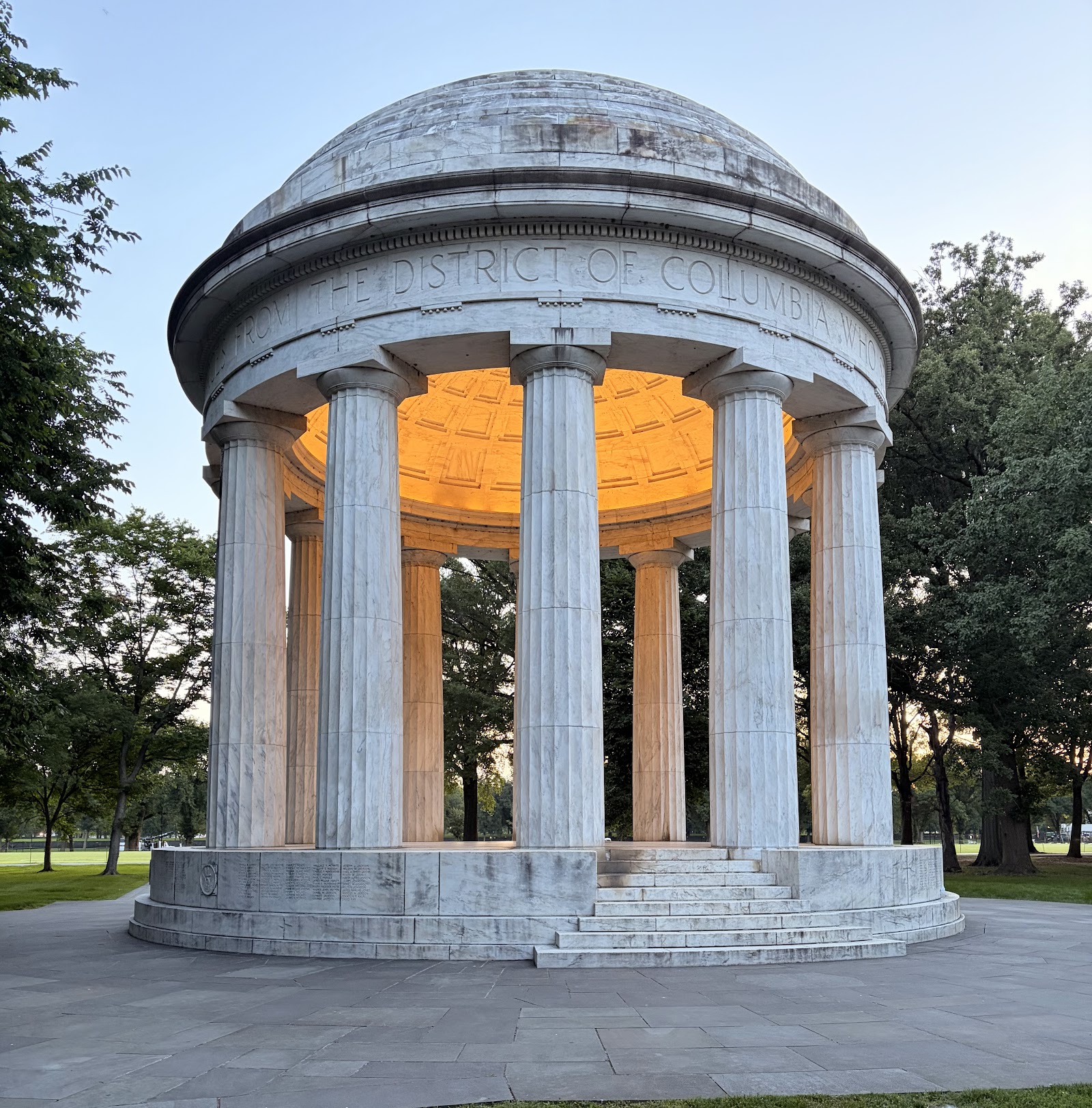
The DC War Memorial
You're looking at a small, round, marble temple with twelve columns and a dome. It's forty-seven feet tall. It looks like a bandstand. That's because it IS a bandstand.
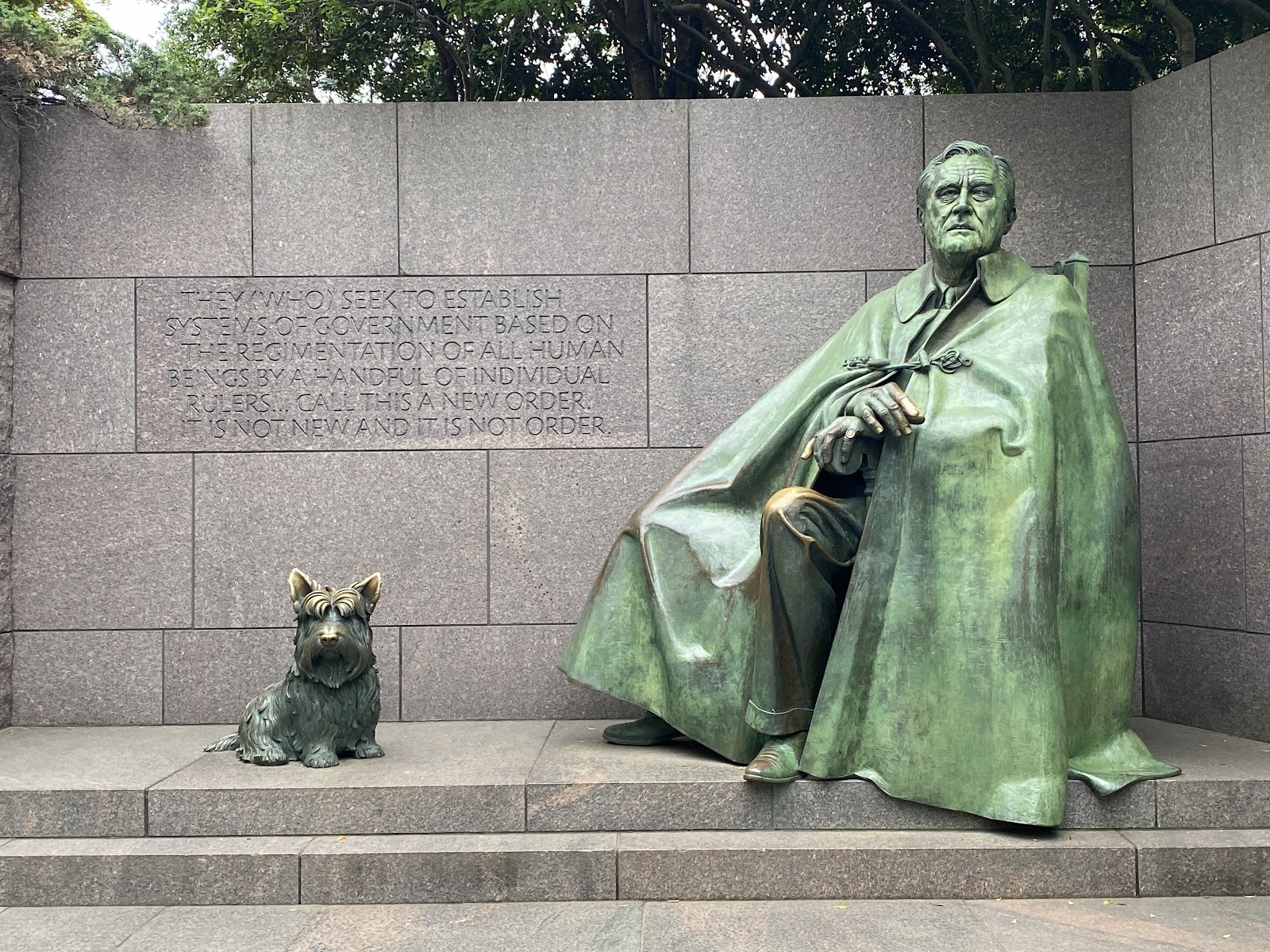
The Franklin Delano Roosevelt Memorial
Seven and a half acres. Four outdoor rooms. Waterfalls that get louder as you walk deeper. A bronze breadline. A bronze dog. And all of it built for a man who specifically said — do not build me a monument.
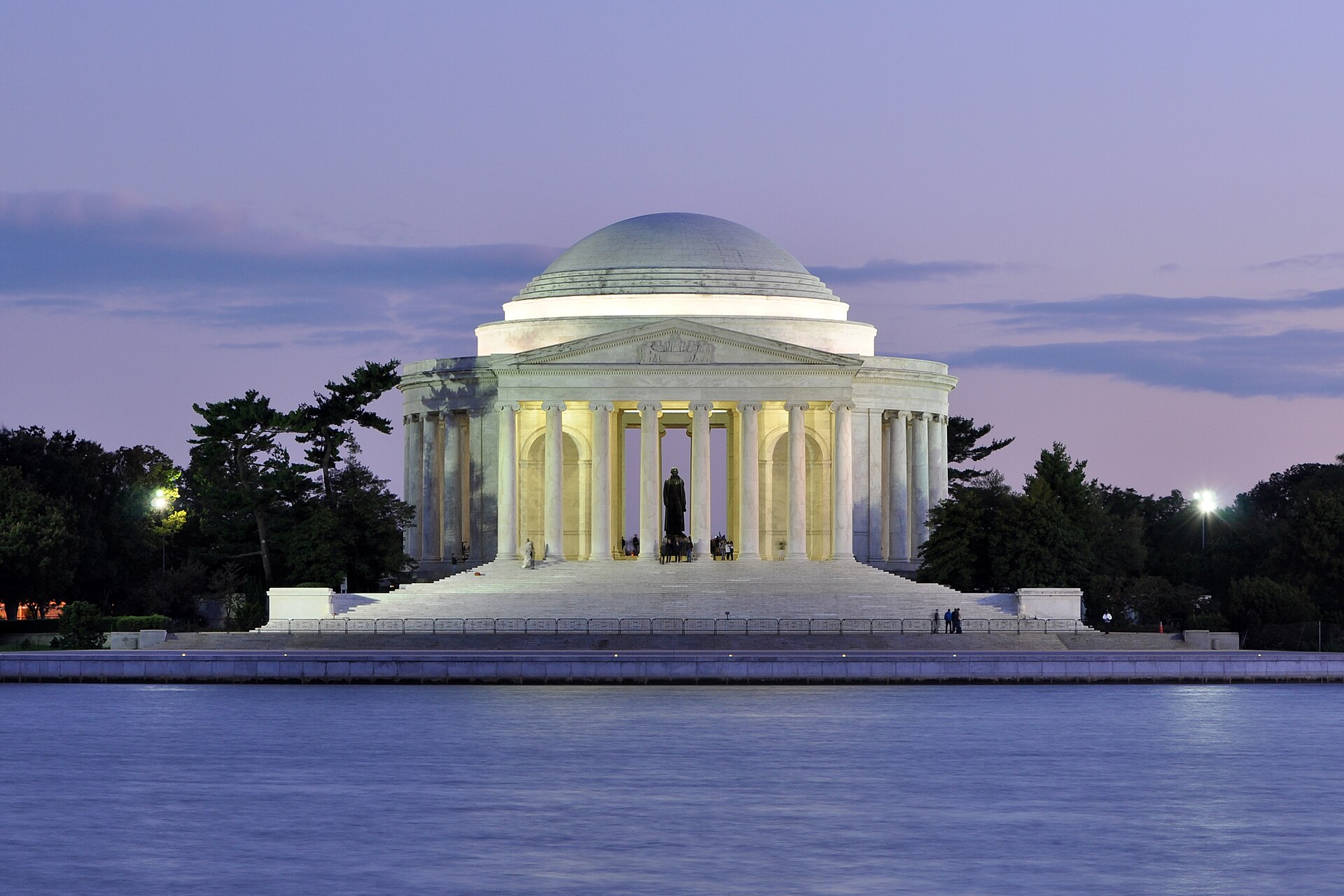
The Jefferson Memorial
The Jefferson Memorial. A hundred and twenty-nine feet of white marble modeled on the Roman Pantheon. Twenty-six Ionic columns.
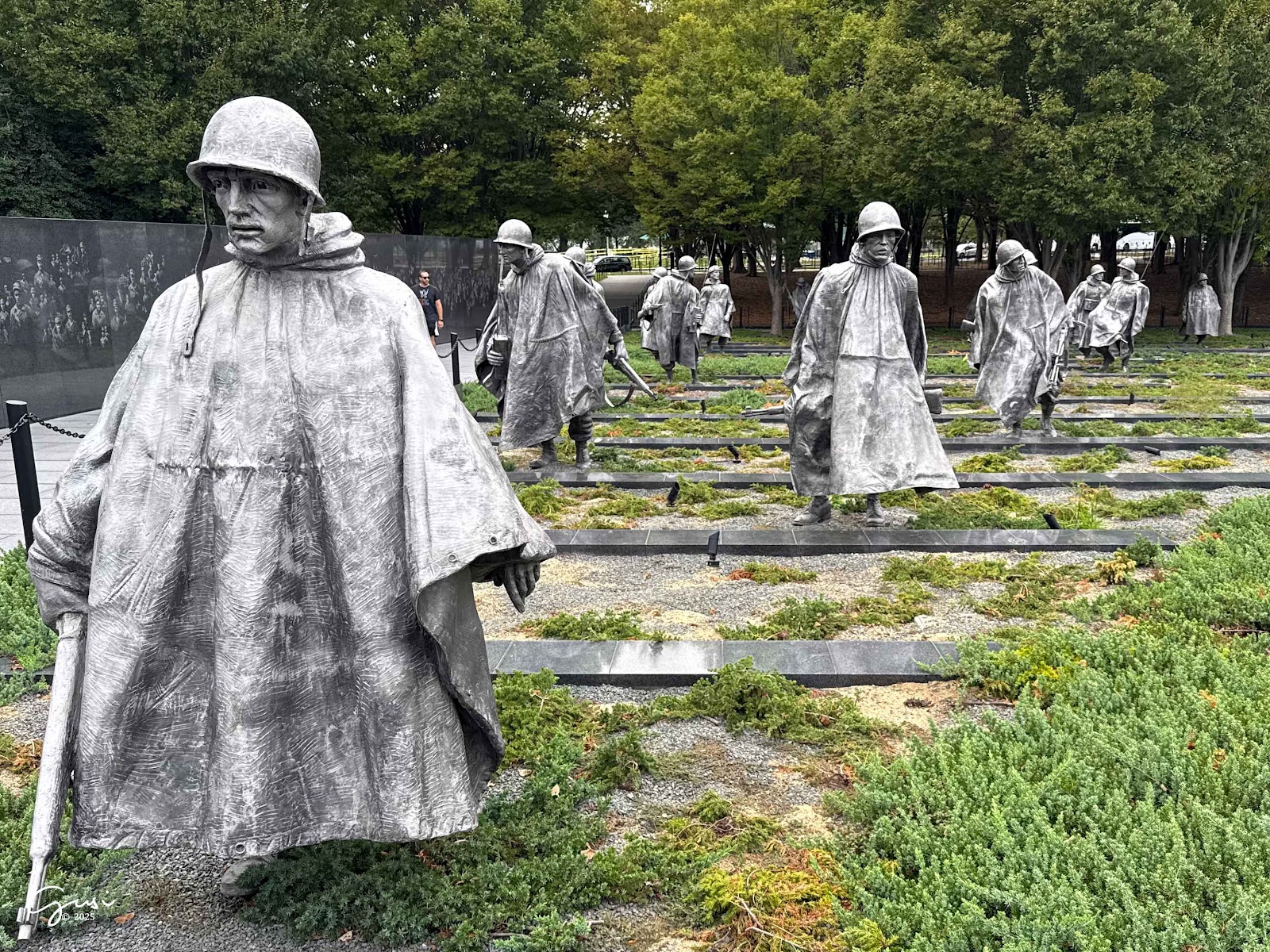
The Korean War Veterans Memorial
Nineteen soldiers in stainless steel, walking through juniper bushes toward a pool of still water. Each one about seven and a half feet tall. Nearly a thousand pounds apiece. Fear on their faces. Ponchos billowing.
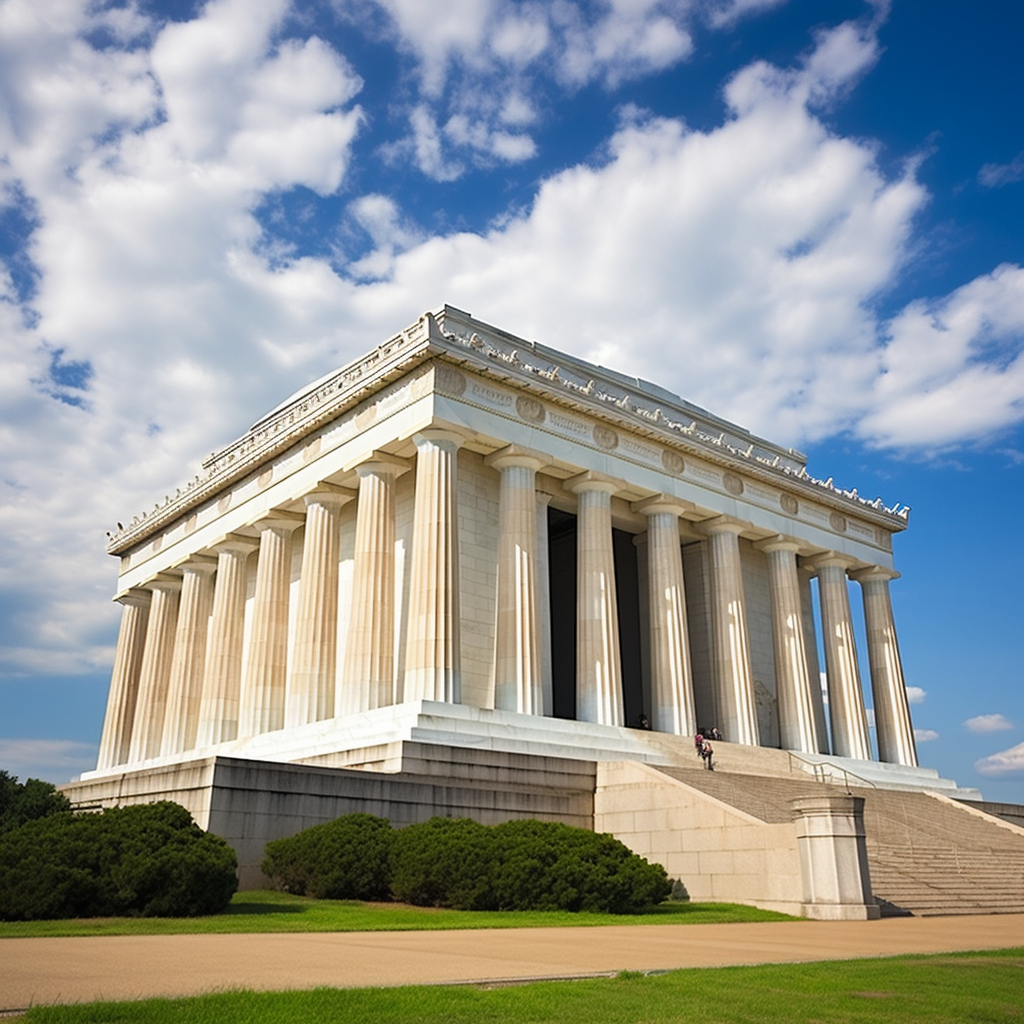
The Lincoln Memorial
The Lincoln Memorial. You know this building. Everyone knows this building. What almost nobody knows is this: While Lincoln was alive, America HATED him. The South, obviously. But the North hated him too.
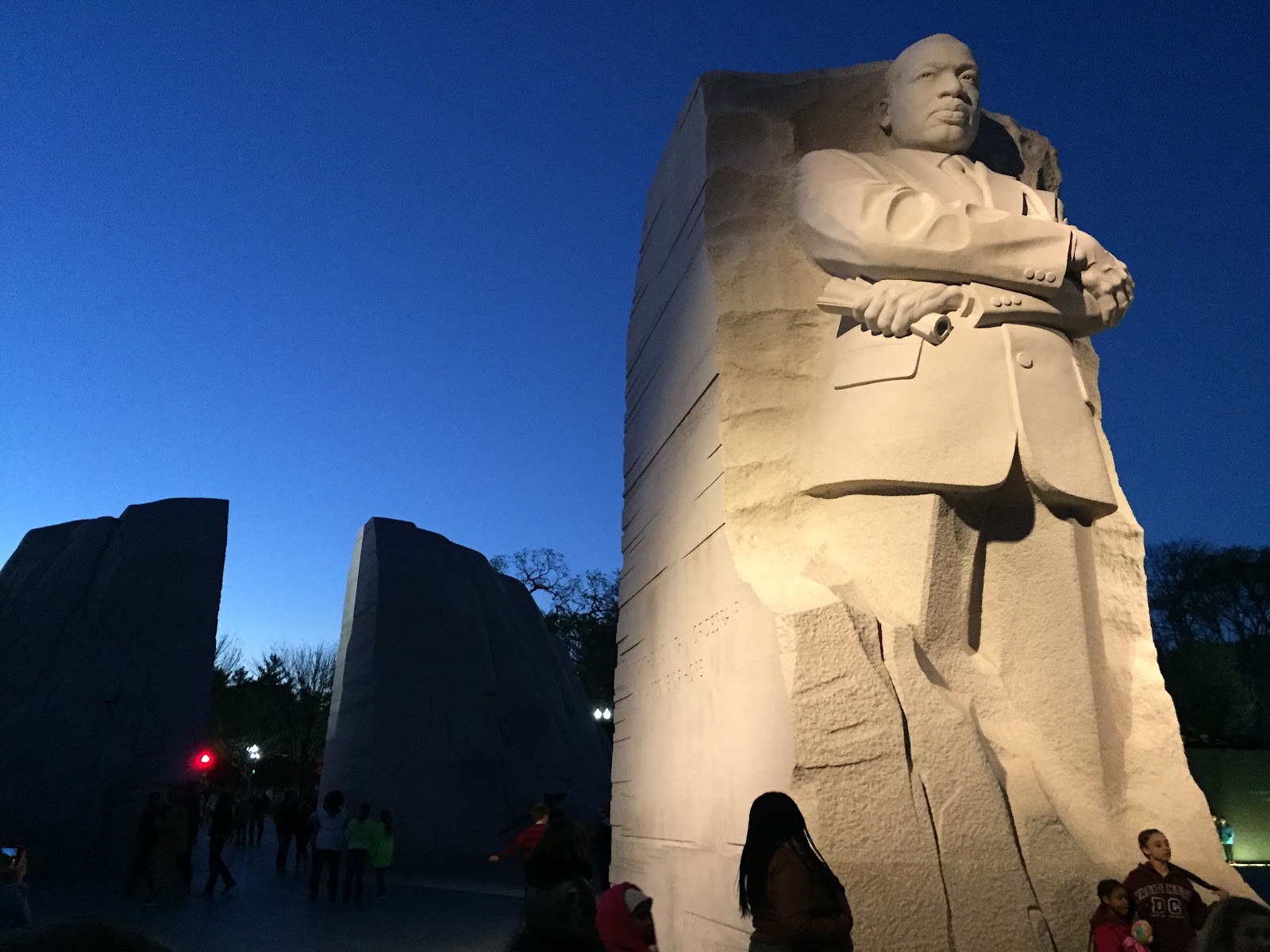
The Martin Luther King Jr. Memorial
The address of this memorial is nineteen sixty-four Independence Avenue. They chose that number for the Civil Rights Act of nineteen sixty-four. Look at the layout. Two massive boulders form the entrance — the Mountain of Despair.
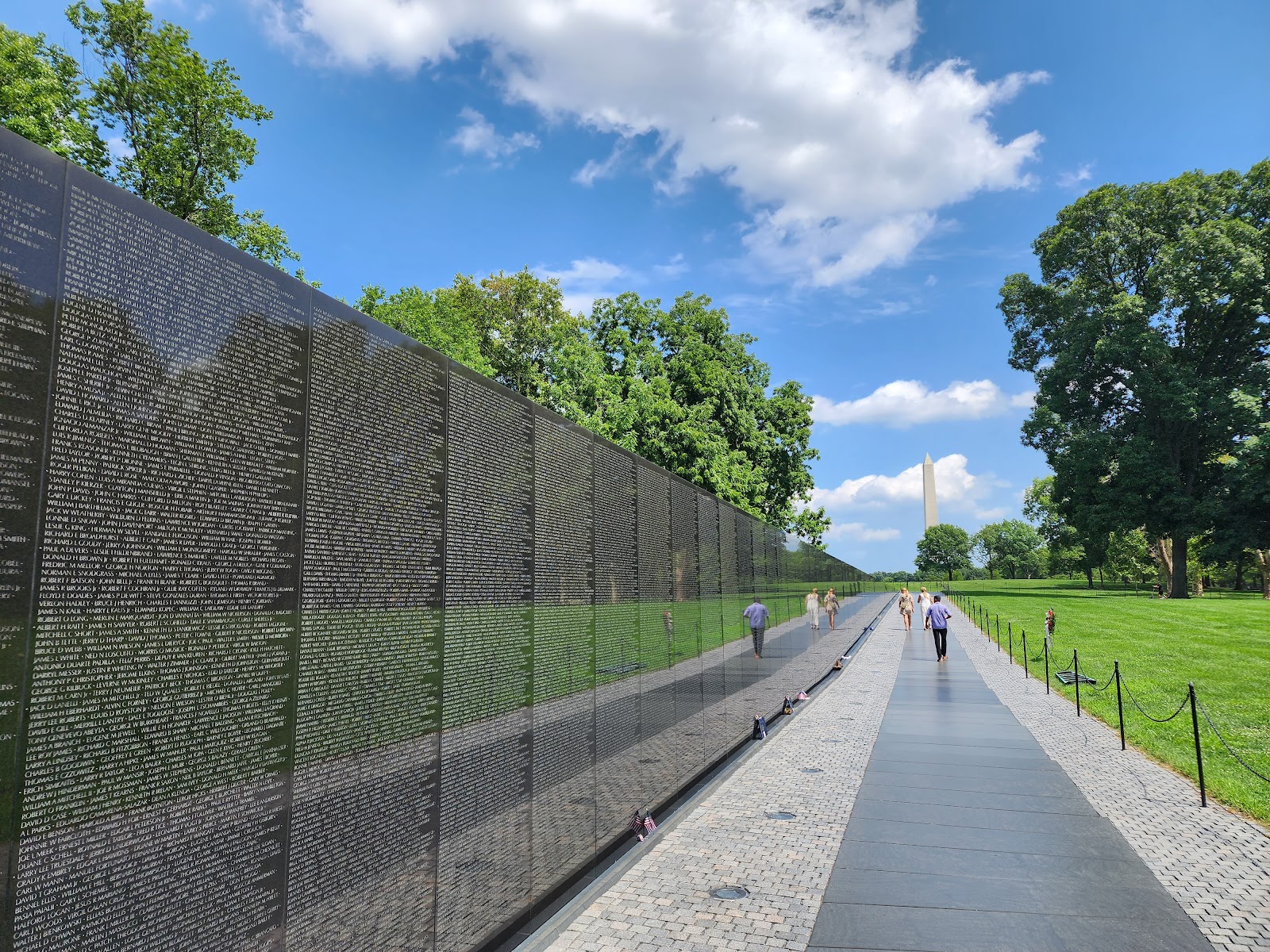
The Vietnam Veterans Memorial
The Wall. Two hundred and forty-six feet of polished black granite on each side, meeting at a vertex ten feet and three inches above your head. Fifty-eight thousand names. And the whole thing started with a movie ticket.
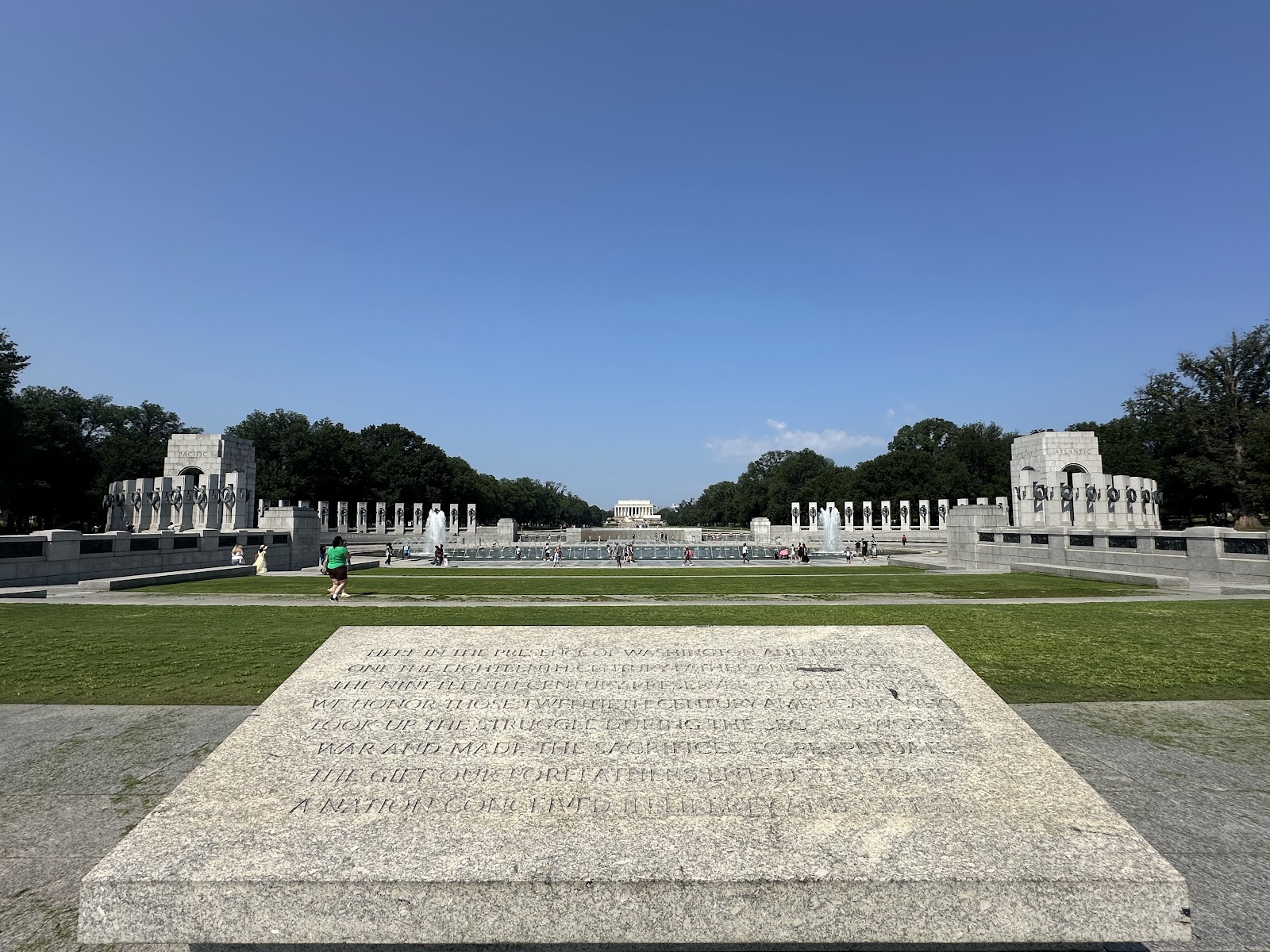
The World War Two Memorial
The World War Two Memorial. Fifty-six granite pillars. Two triumphal arches. A wall of gold stars. The whole thing cost a hundred and ninety-seven million dollars — almost all of it raised with private donations.
Hear the stories behind these places
Self-guided audio experiences that are actually entertaining. Press play and walk.