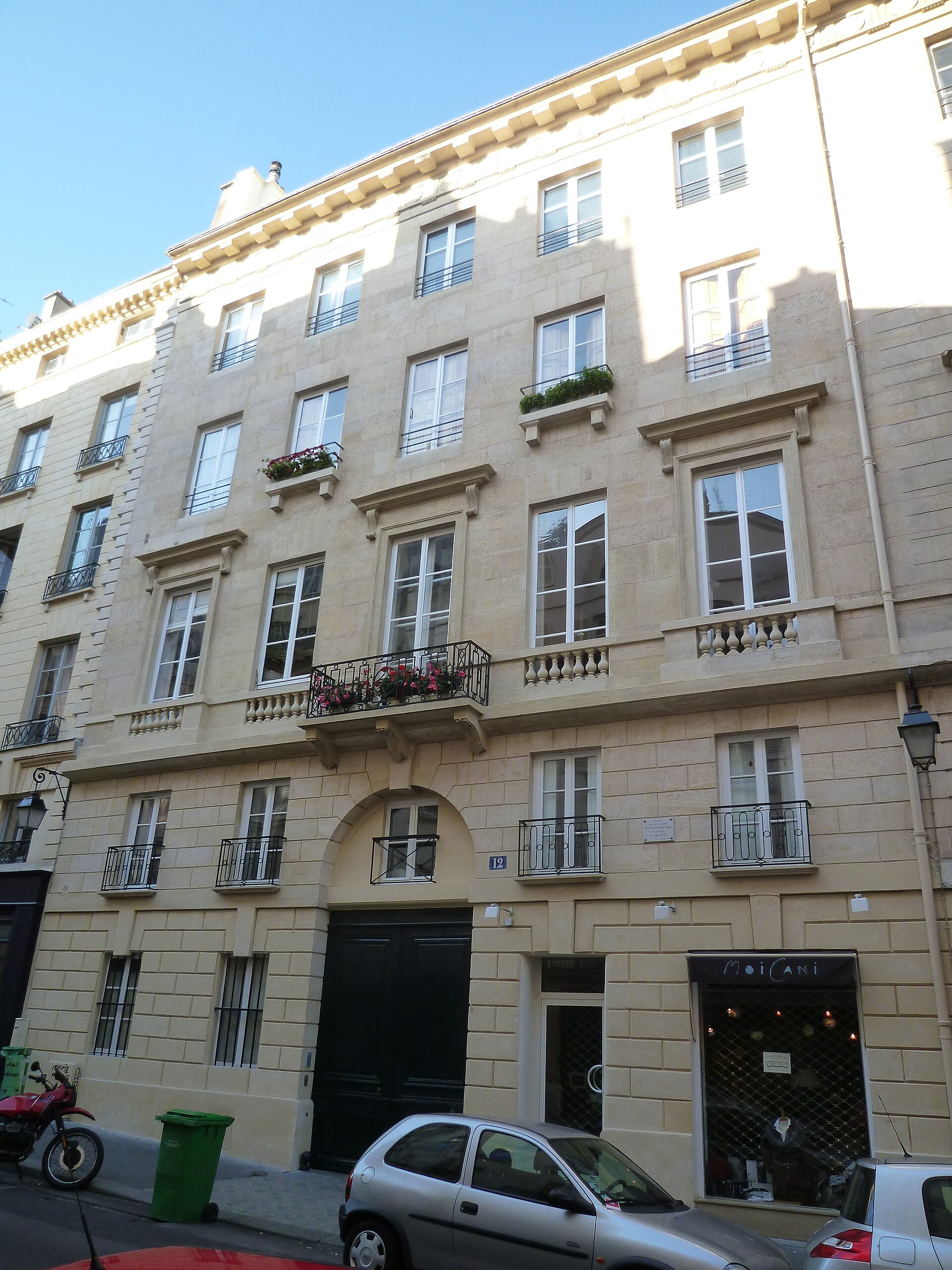
Welcome to the Île Saint-Louis. One main street, seventeenth-century townhouses, and — by design — no monuments, no museums, no big attractions at all. This island's job, for four hundred years, has been to be a nice place to live. It is extremely good at its job.
Until the early sixteen hundreds, this wasn't even one island. It was two — and one of them was called the Île aux Vaches. Cow Island. Literally a pasture, where the city grazed cattle across the water from the towers of Notre-Dame. Then a building contractor named Christophe Marie made the crown an offer. Let me join the two islands, wrap them in stone quays, and cover them in fine townhouses. The king said yes, and the plots sold to bankers and nobles. Within a few decades, the cow pasture had become one of the first master-planned real-estate developments in Europe. It has barely changed since. There's still no metro station on the island. The residents have politely declined the last two centuries.
The island collects g
ood stories quietly. In one of the grand mansions on the north quay, Baudelaire and his literary friends held a monthly hashish club in the eighteen forties. Poets in formal dress, solemnly eating drugged jam, taking notes on the results. On the south quay, Marie Curie lived out her last years, a two-time Nobel winner with the best water view in Paris.
But the reason there's usually a line on thi