Paris Attractions
Not the postcard romance — a city of reckless devotion to art, ideas, and beauty that hides its best true stories just out of sight. We walk you in; a few are ours to spot.
Landmarks
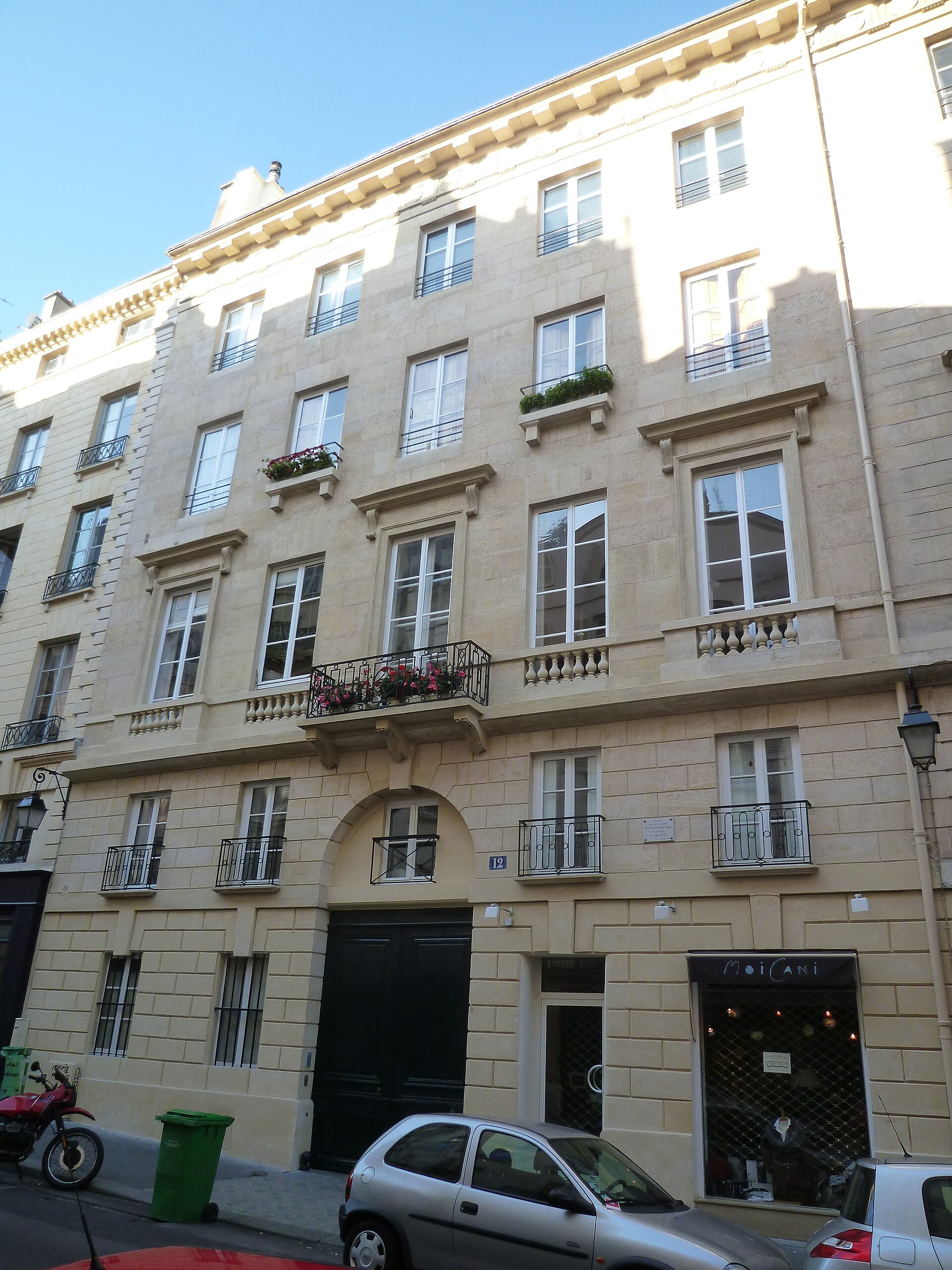
12 Rue de l'Odéon — Sylvia Beach
Find number twelve, rue de l'Odéon — Oh-day-on. There's no bookstore here anymore. Just a doorway, apartments, and a plaque you'd walk past in a hurry.
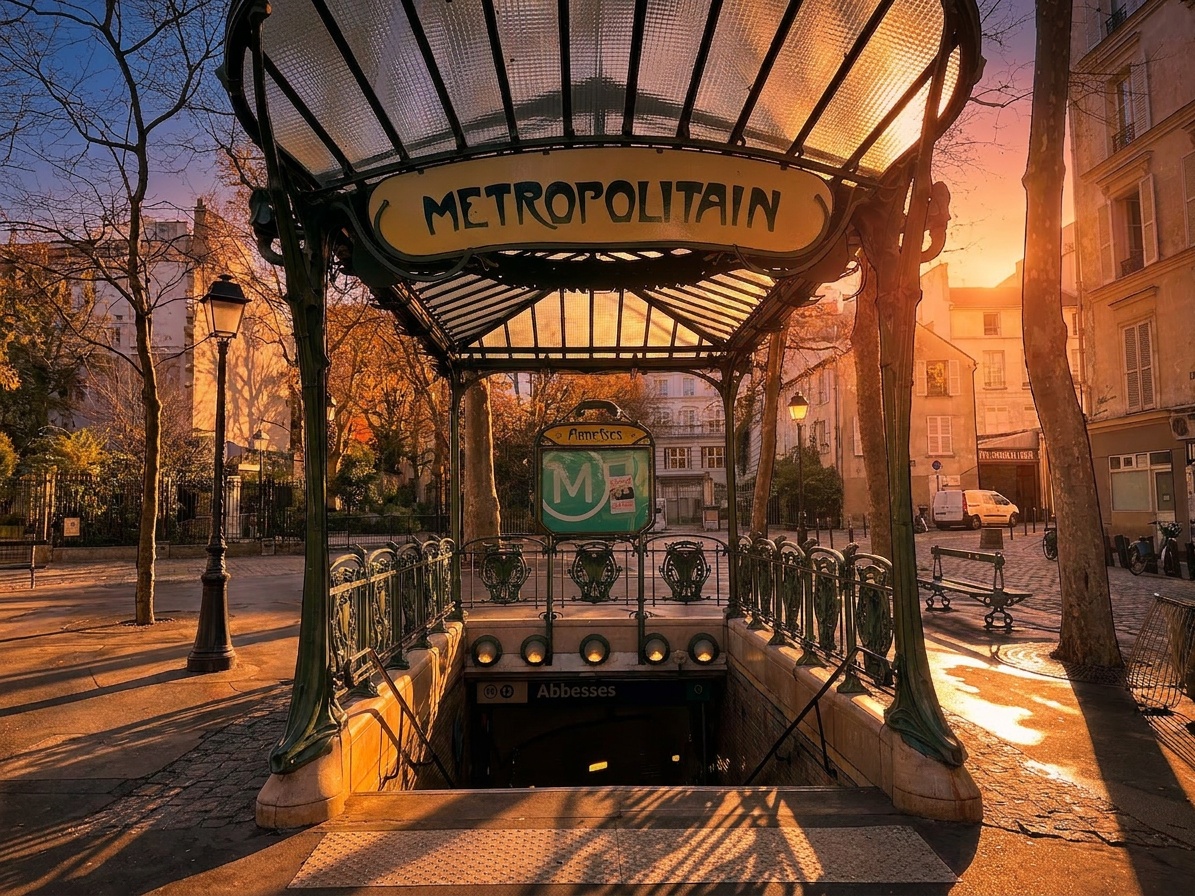
Abbesses Metro
Look at that entrance. Those green iron curves, that amber glass canopy — it looks like something that grew out of the sidewalk. Like a plant that decided to become architecture. A man named Hector Guimard designed this.
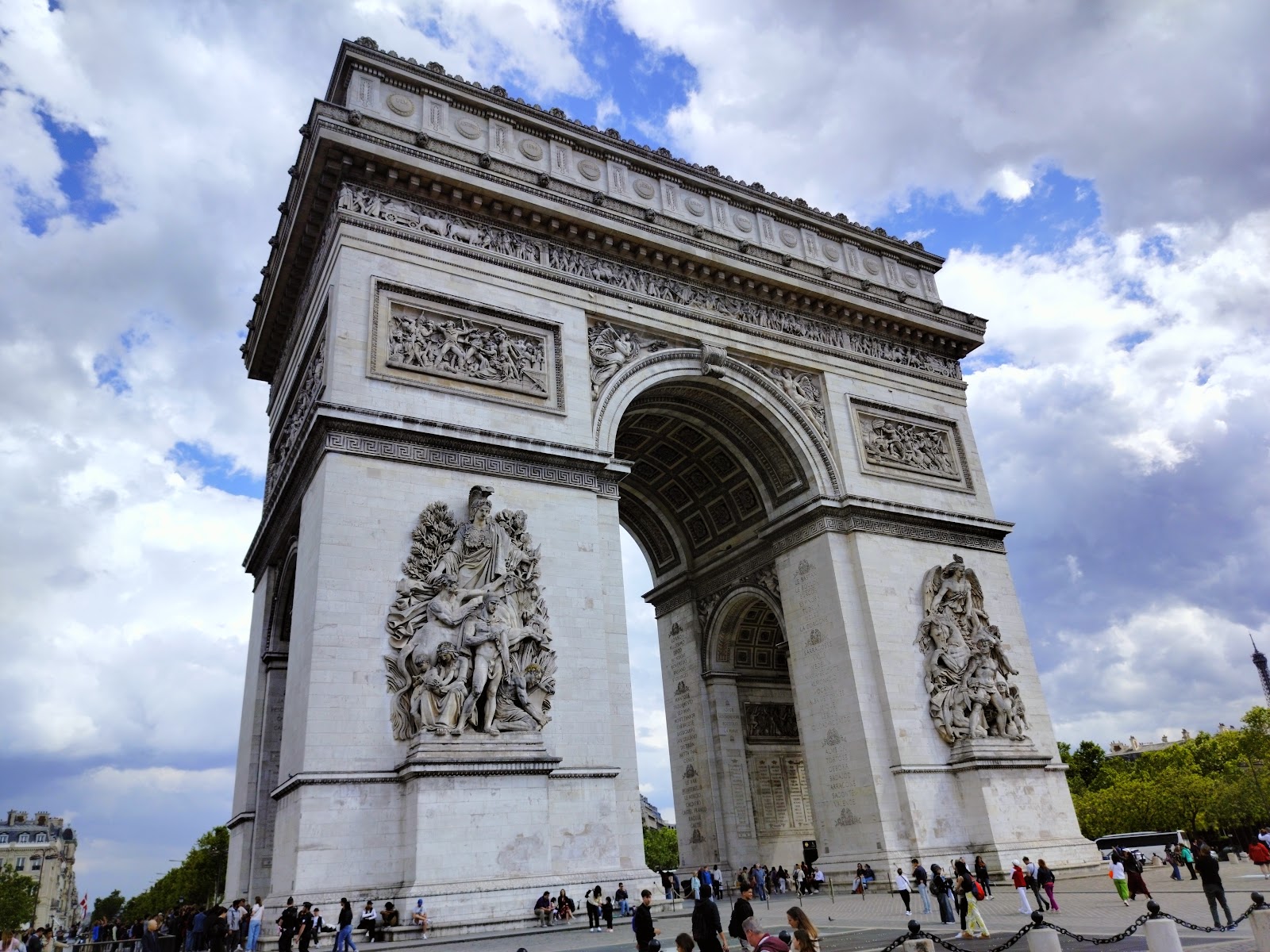
Arc de Triomphe
The Arc de Triomphe. Fifty meters of stone triumph, standing in the middle of the busiest roundabout in Europe. Twelve avenues pour into this circle, and French drivers negotiate it on instinct and nerve.
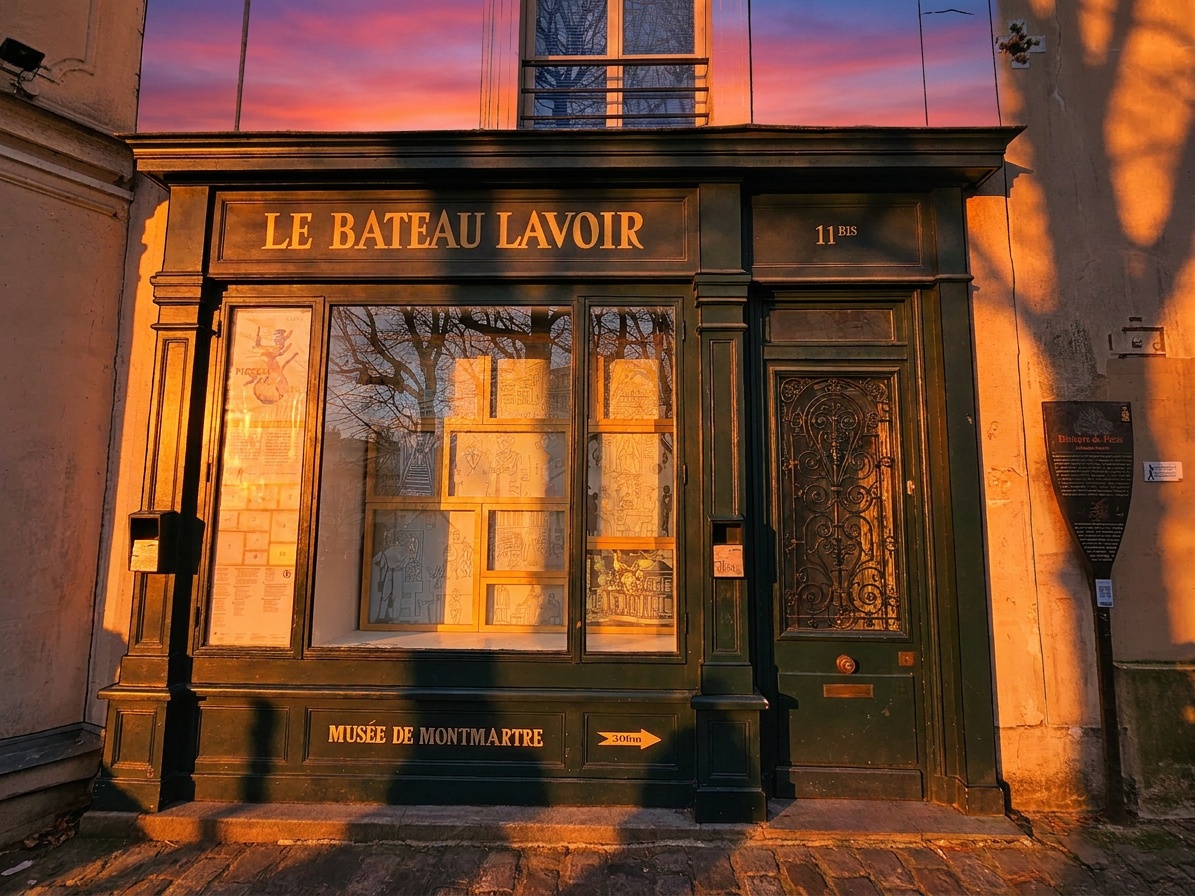
Bateau-Lavoir (Picasso's Studio)
This quiet little square — Place Emile-Goudeau — is where modern art was born. In a building that had one water tap and no toilet. The Bateau-Lavoir was a ramshackle wooden structure — a former piano factory, leaning into the hillside.
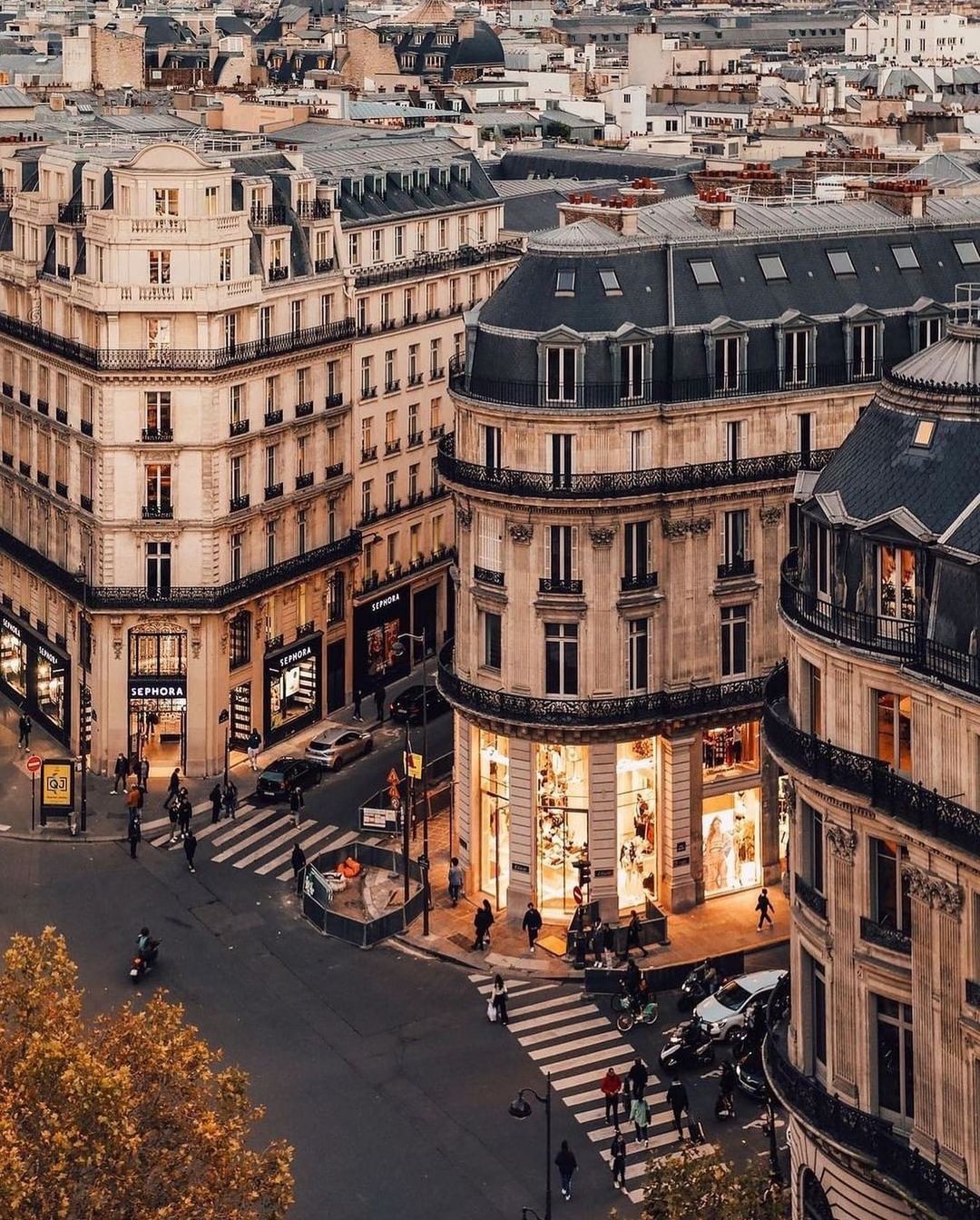
Boulevard Haussmann
The street sign on the corner says Boulevard Haussmann. Say it OHS-mahn — and remember it, because the man it's named after is the reason this street exists, and that building exists, and most of what you'll see today exists.
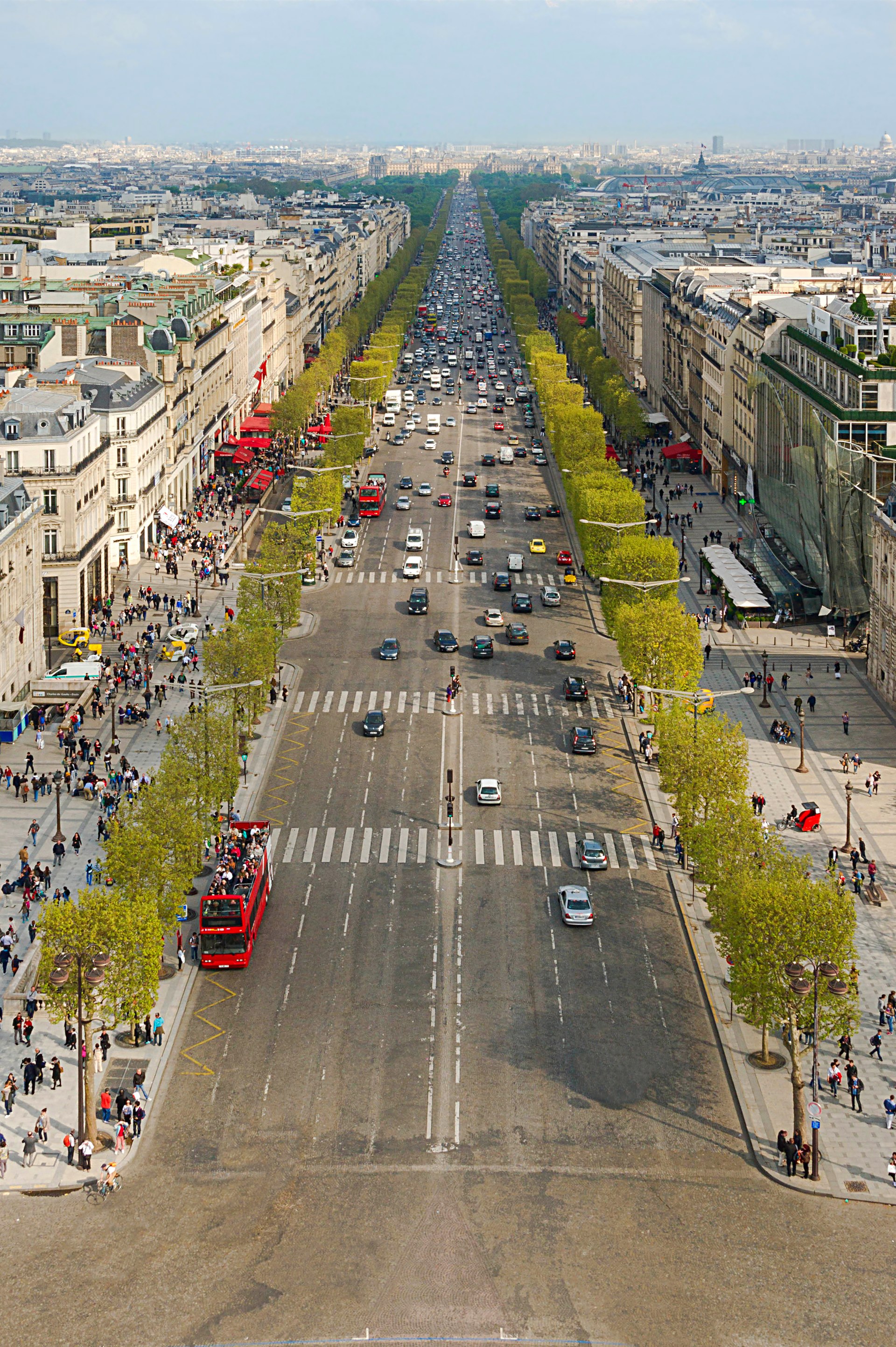
Champs-Élysées
This is the Champs-Élysées — say it shahnz-eh-lee-ZAY — nearly two kilometers of avenue running straight uphill to the Arc de Triomphe, lined with double rows of plane trees. The name means the Elysian Fields — the fields of heaven.
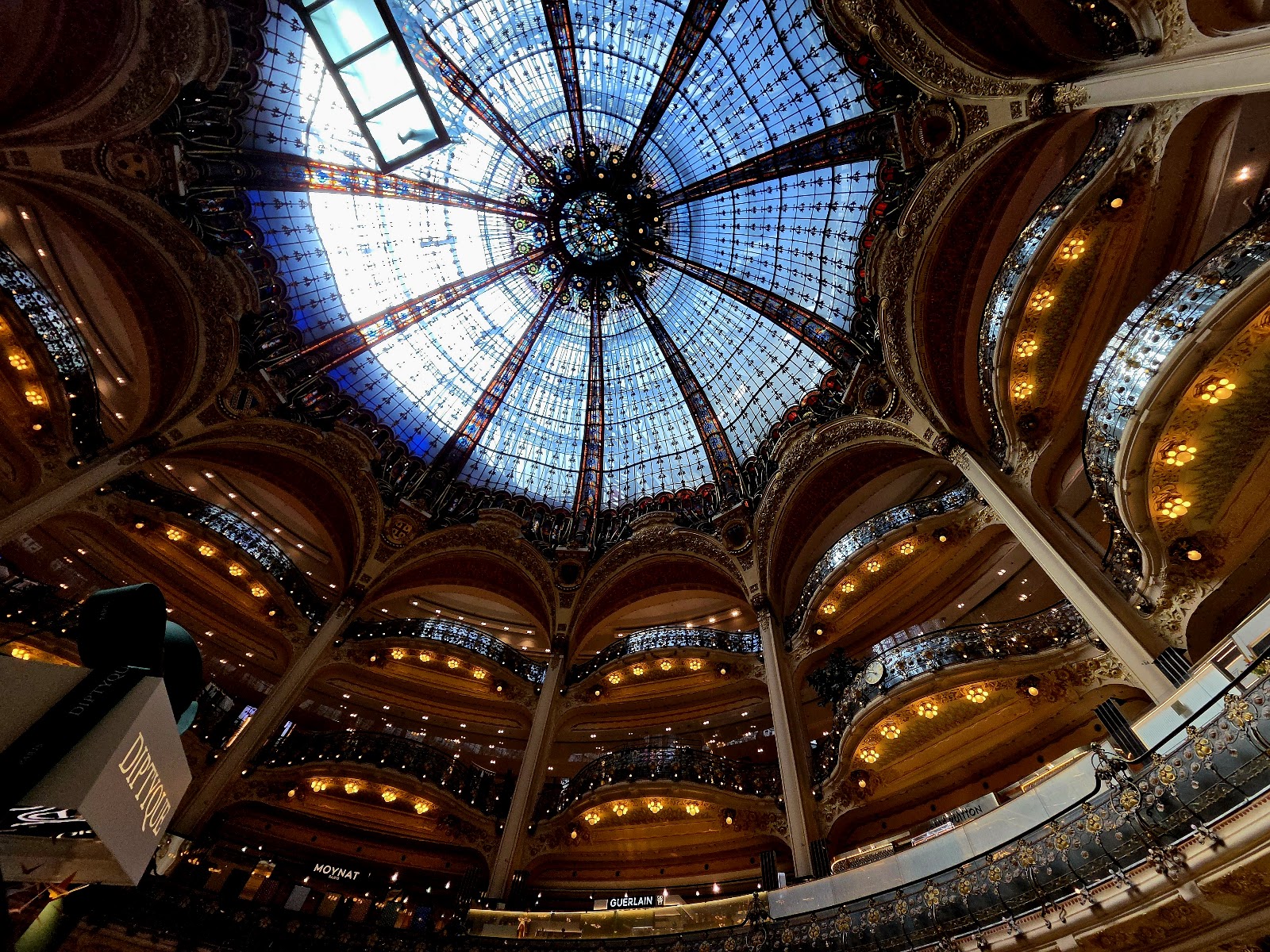
Galeries Lafayette
Galeries Lafayette. From out here it's a long stone department store, handsome but restrained. The show is inside, and it's free, so go in when you can — walk to the middle of the main hall and look straight up.
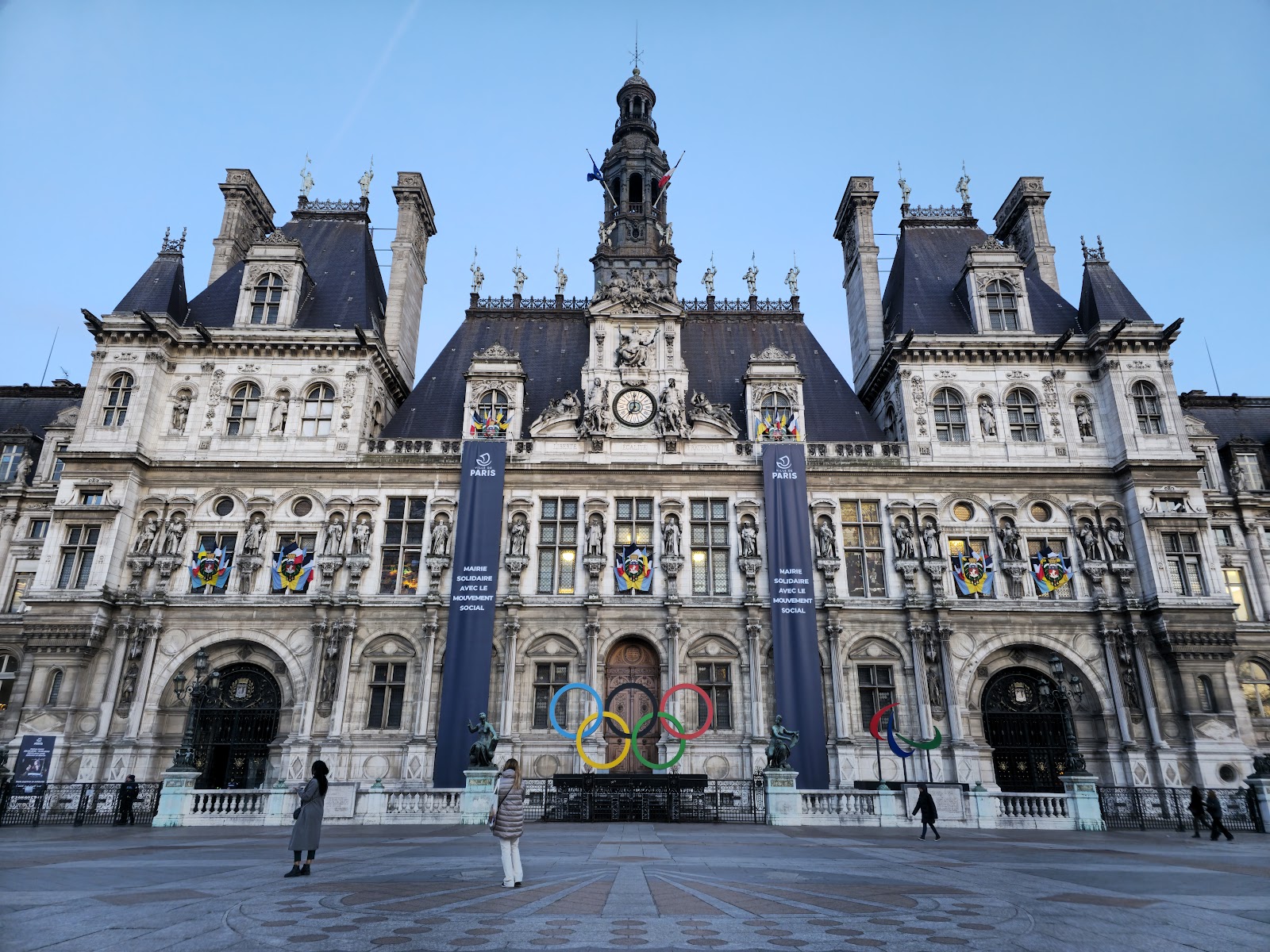
Hôtel de Ville
The enormous wedding cake of a building in front of you is the Hotel de Ville — the city hall of Paris. The city has been governed from this exact spot since thirteen fifty-seven.
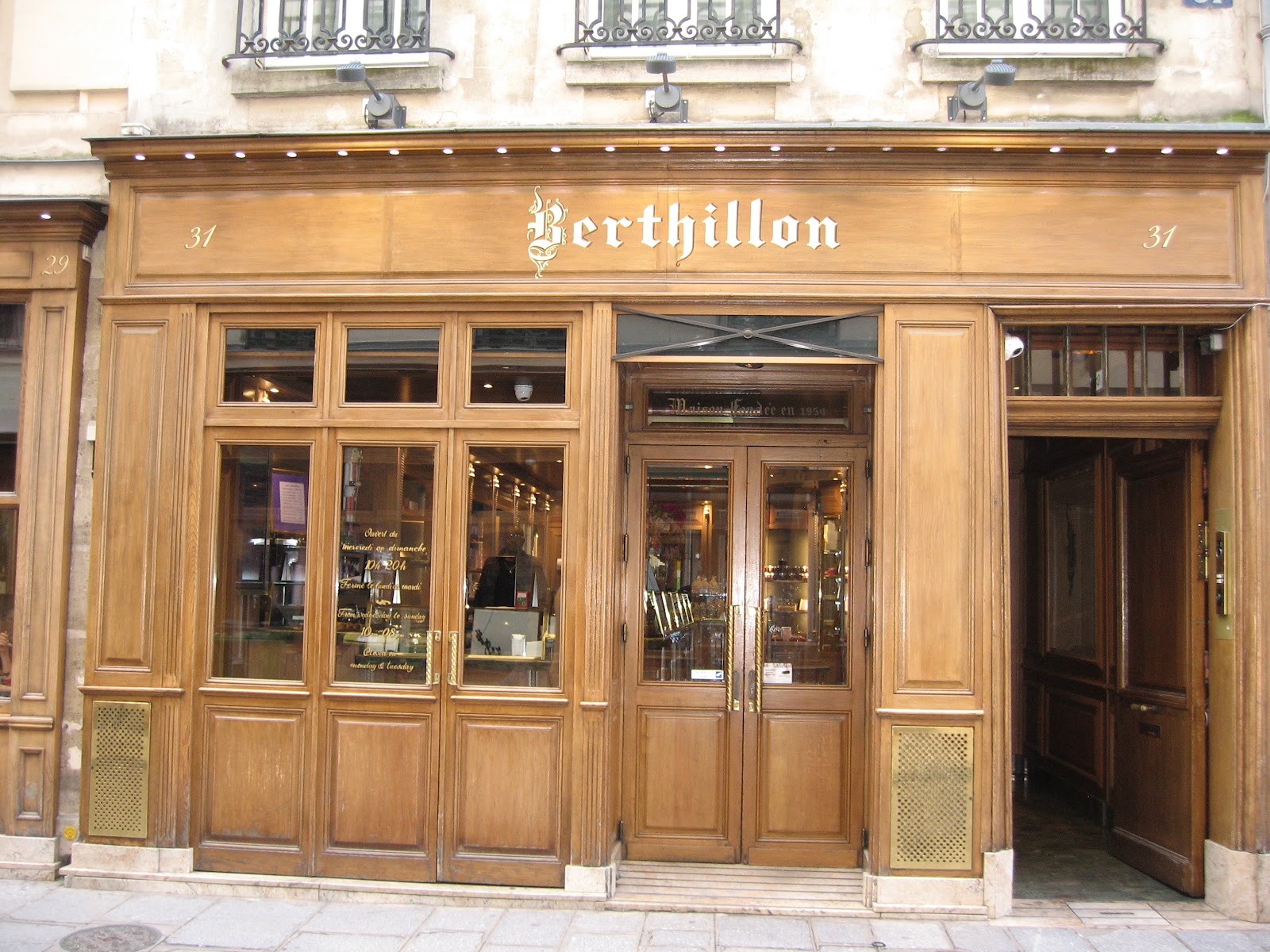
Île Saint-Louis & Berthillon
Welcome to the Île Saint-Louis. One main street, seventeenth-century townhouses, and — by design — no monuments, no museums, no big attractions at all. This island's job, for four hundred years, has been to be a nice place to live.
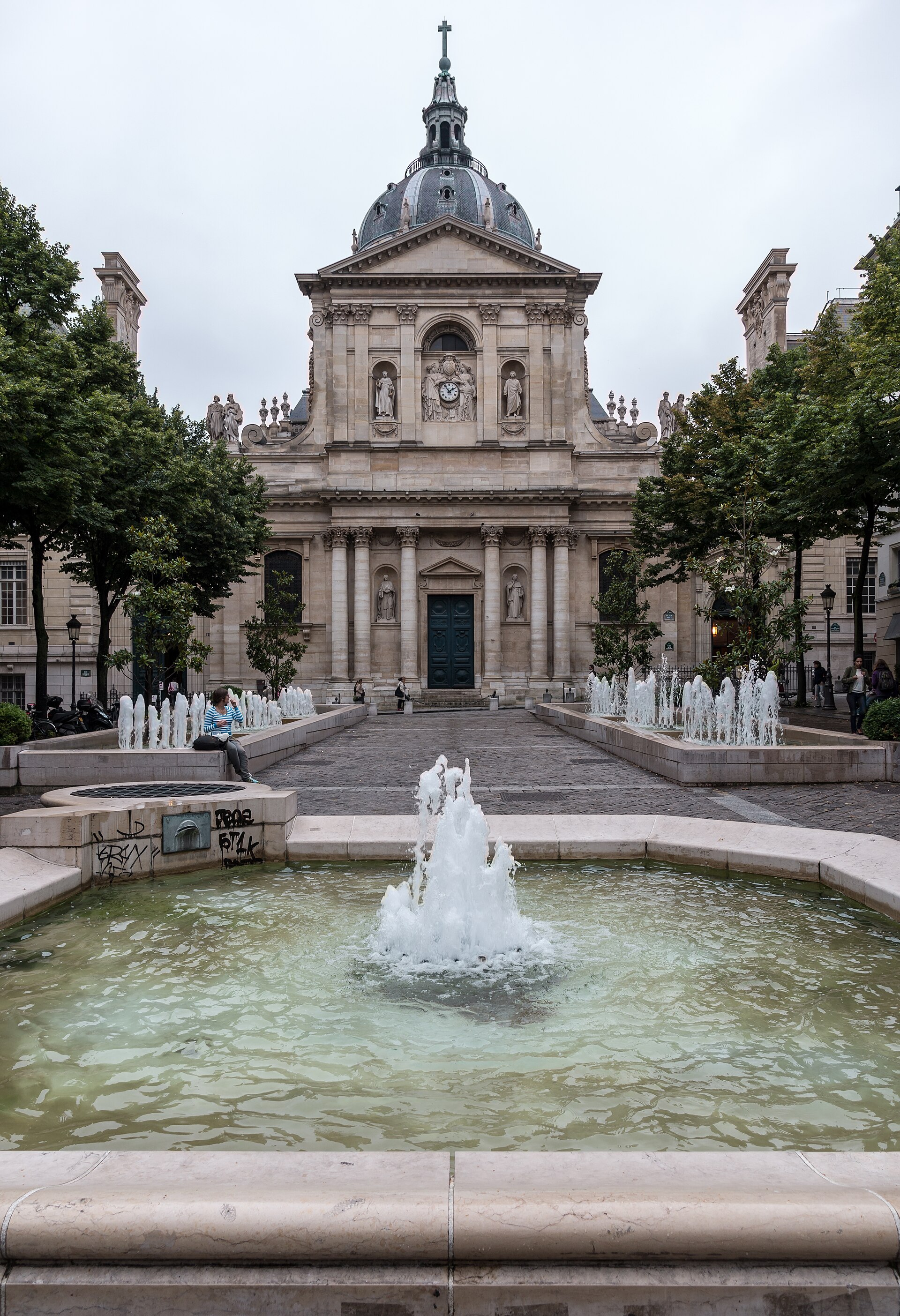
La Sorbonne
The square ahead of you, with the fountains and the café tables, is Place de la Sorbonne. The domed chapel at the end belongs to the oldest famous university in France. The square usually belongs to students, laptops, and cigarettes.
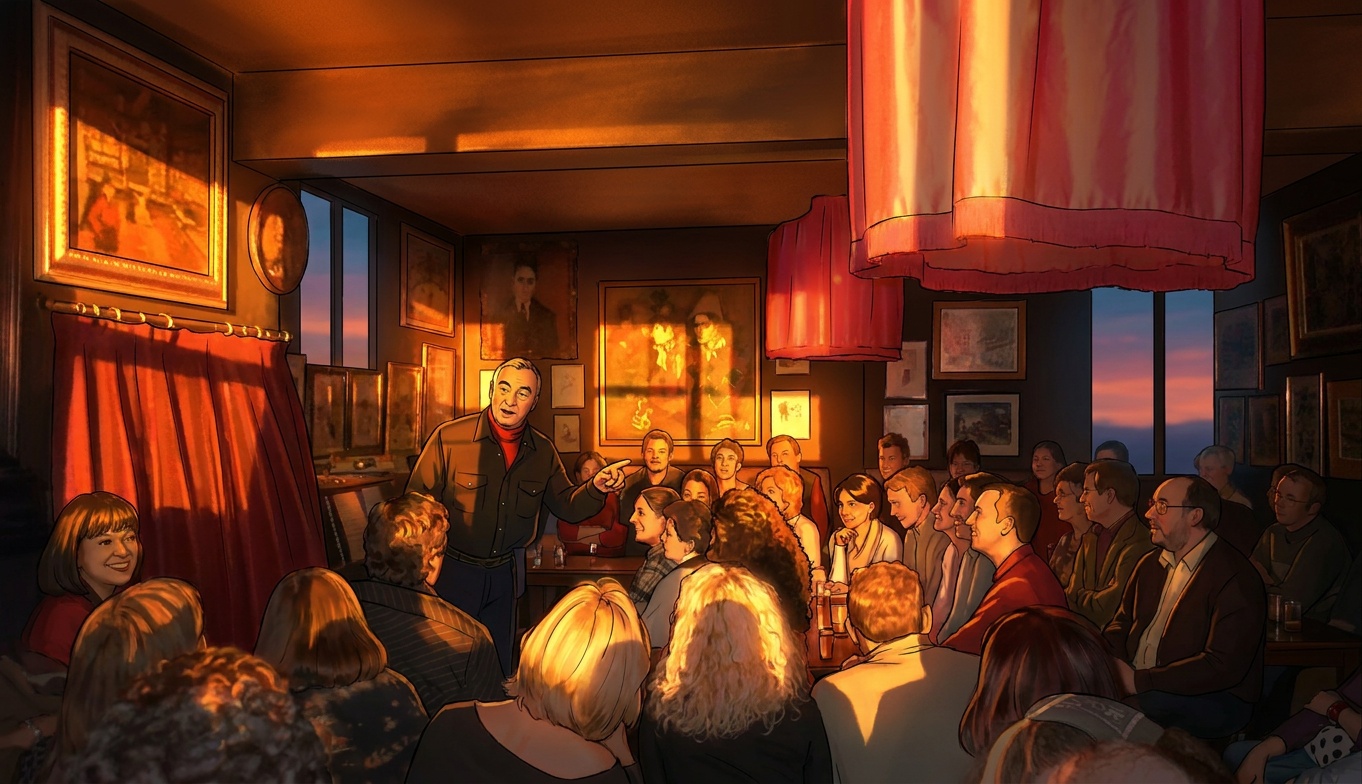
Le Lapin Agile and the Vineyard
That little pink cottage with the green shutters and the acacia tree — that's Le Lapin Agile. It's been a cabaret since the eighteen sixties, and it is still operating tonight. The original name was Le Cabaret des Assassins.
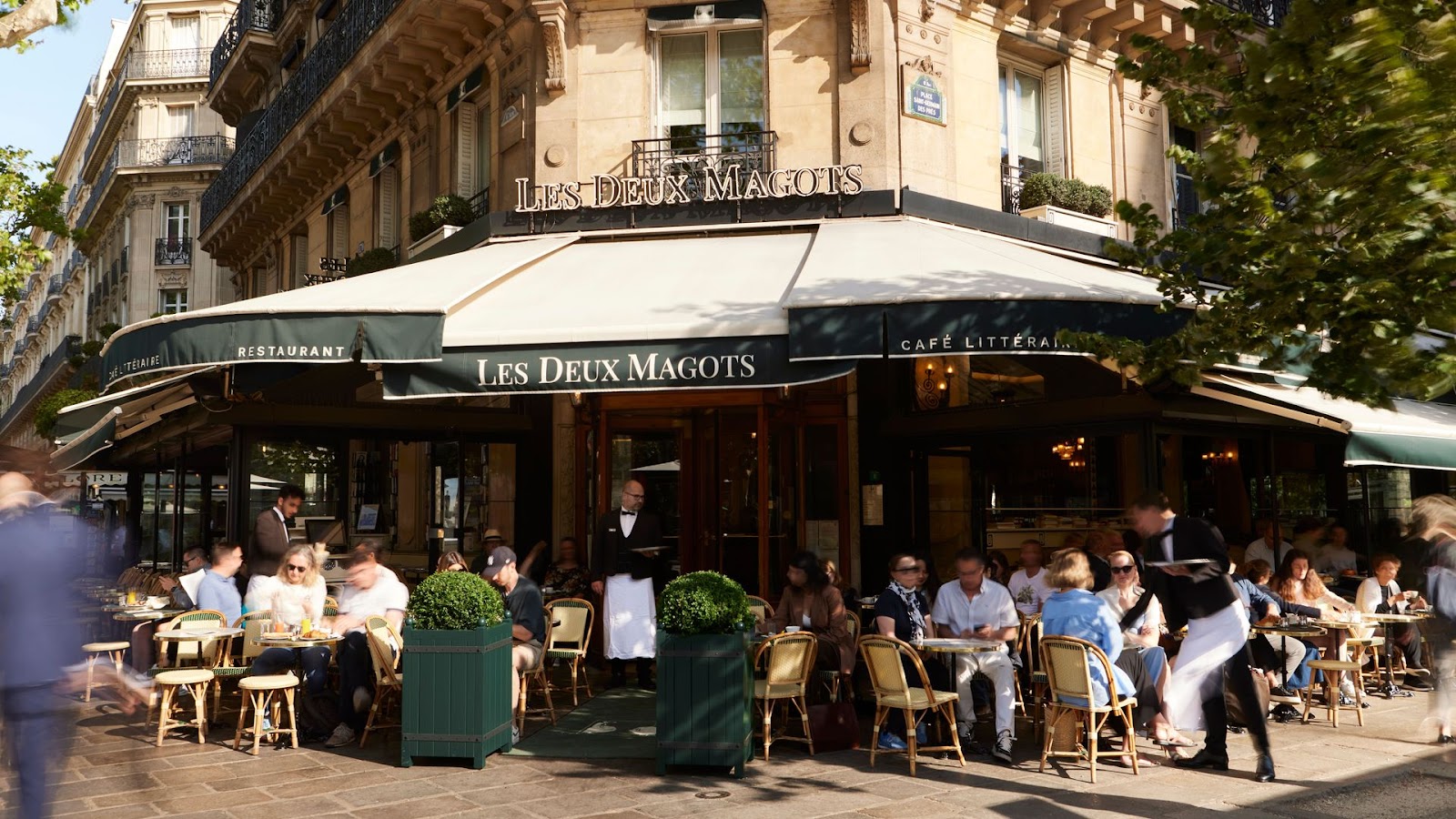
Les Deux Magots & Café de Flore
Two cafés, fifty meters apart. Les Deux Magots — say it Lay Duh Mah-goh — sits on the corner facing the old church. Café de Flore is just up the boulevard, under the white awning.
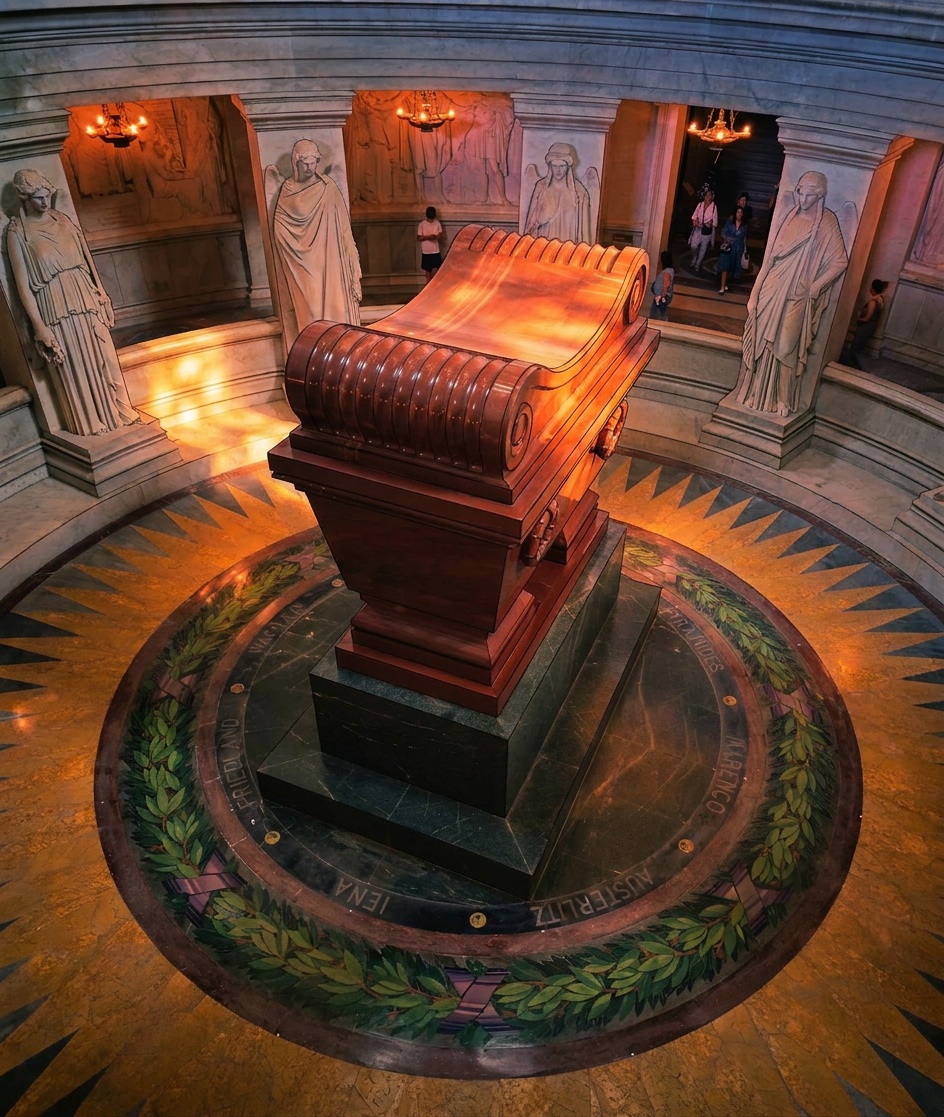
Les Invalides — Napoleon's Tomb
See that golden dome? That's the Dome des Invalides — a hundred and seven meters tall, covered in twelve kilograms of gold leaf, and the tallest church building in Paris.
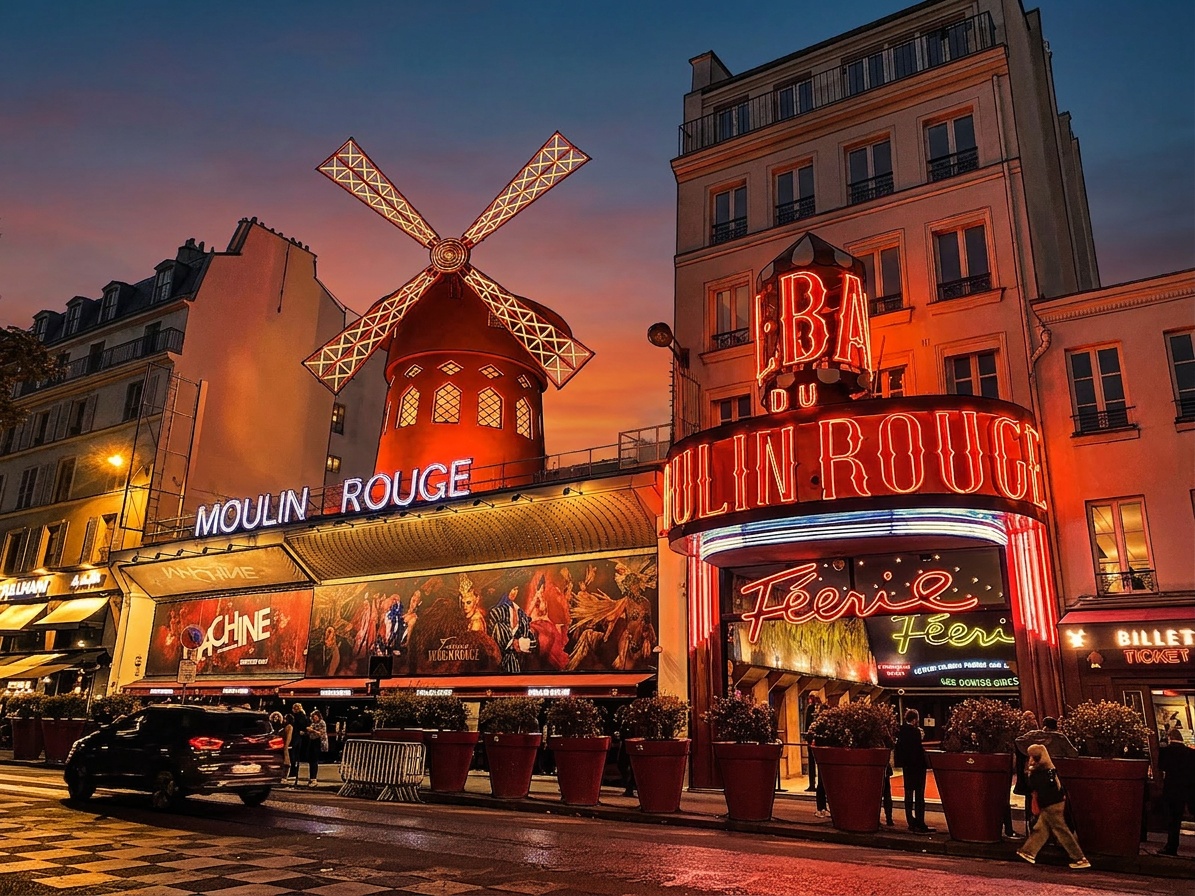
Moulin Rouge
That red windmill. Eighty-two Boulevard de Clichy. It opened on October fifth, eighteen eighty-nine — the same year as the Eiffel Tower. Paris was in shock-the-world mode, and this was its contribution to nightlife. Two men built it.
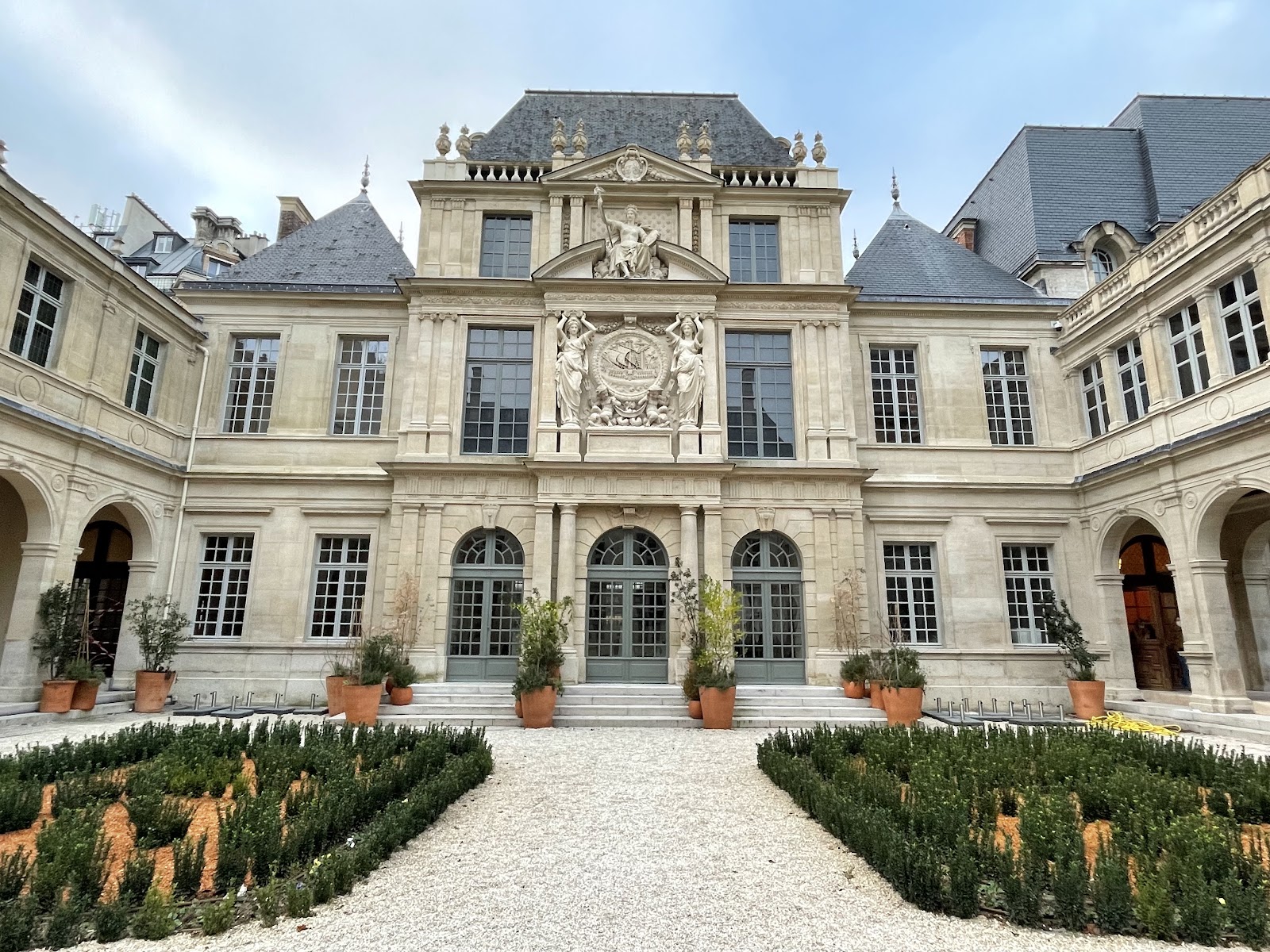
Musée Carnavalet
Behind that gate is the Carnavalet — two Renaissance mansions stitched together, holding the museum of the history of Paris. The city keeps its own attic here.
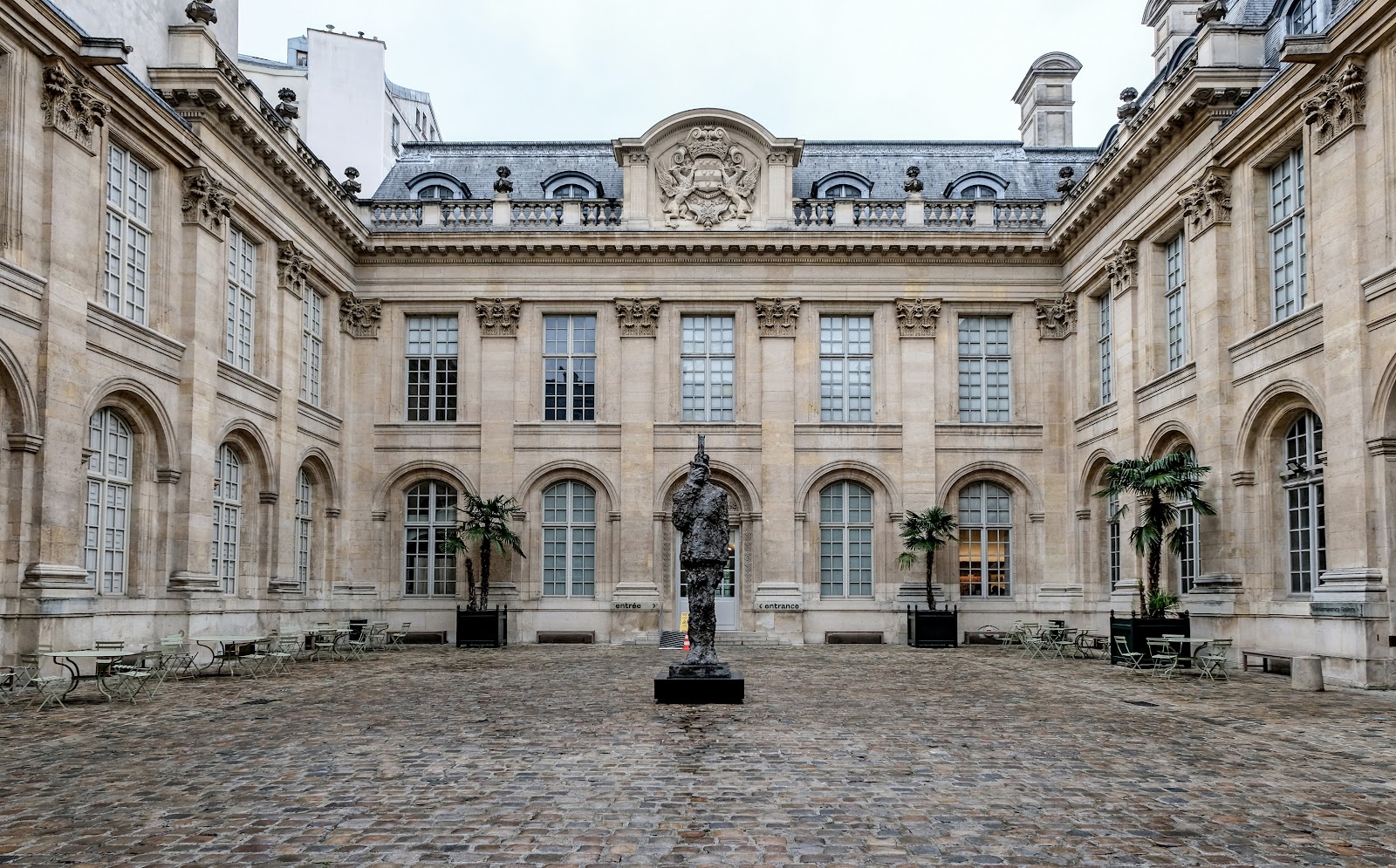
Musée d'Art et d'Histoire du Judaïsme — Hôtel de Saint-Aignan
The great carriage door at seventy-one Rue du Temple hides one of the finest mansions in the Marais. The mansion, in turn, is hiding something of its own.
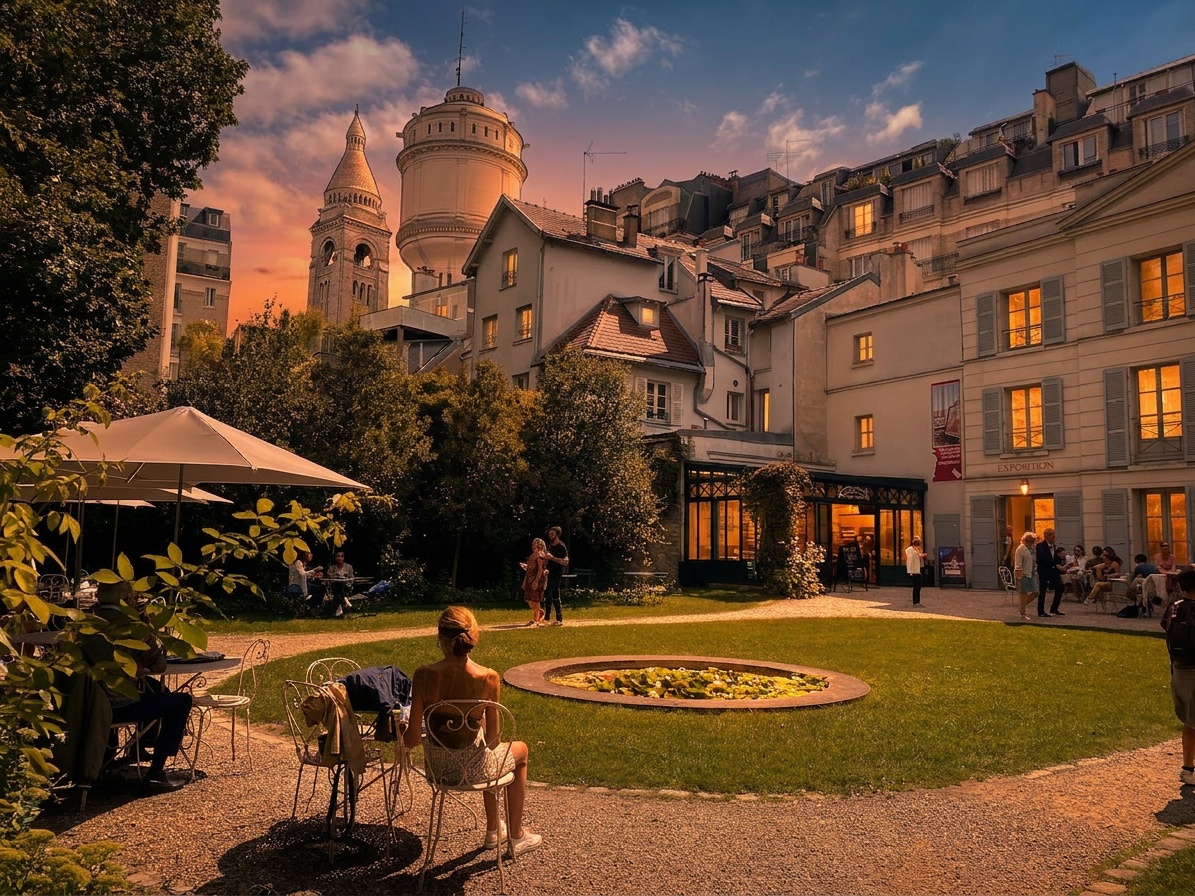
Musée de Montmartre / Rue Cortot
This building — twelve Rue Cortot — has been here since the sixteen hundreds. It's one of the oldest houses on the hill, and the list of people who lived and worked inside it is ridiculous.
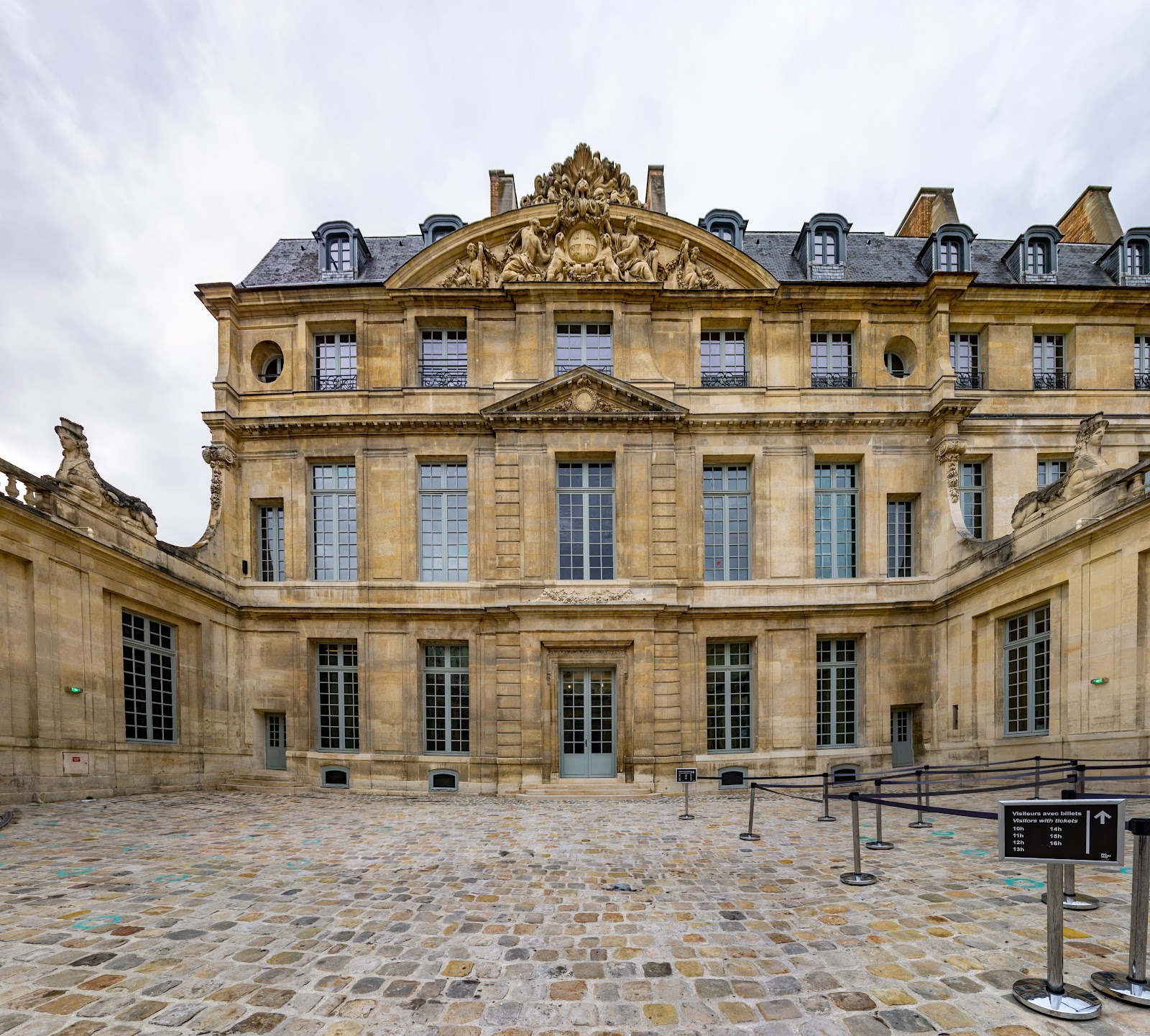
Musée Picasso — Hôtel Salé
The tall slate roofs and carved gate ahead belong to the Hotel Sale. The name means the Salted Mansion, and it was an insult. In the sixteen fifties, a contractor named Pierre Aubert won the job of collecting the salt tax.
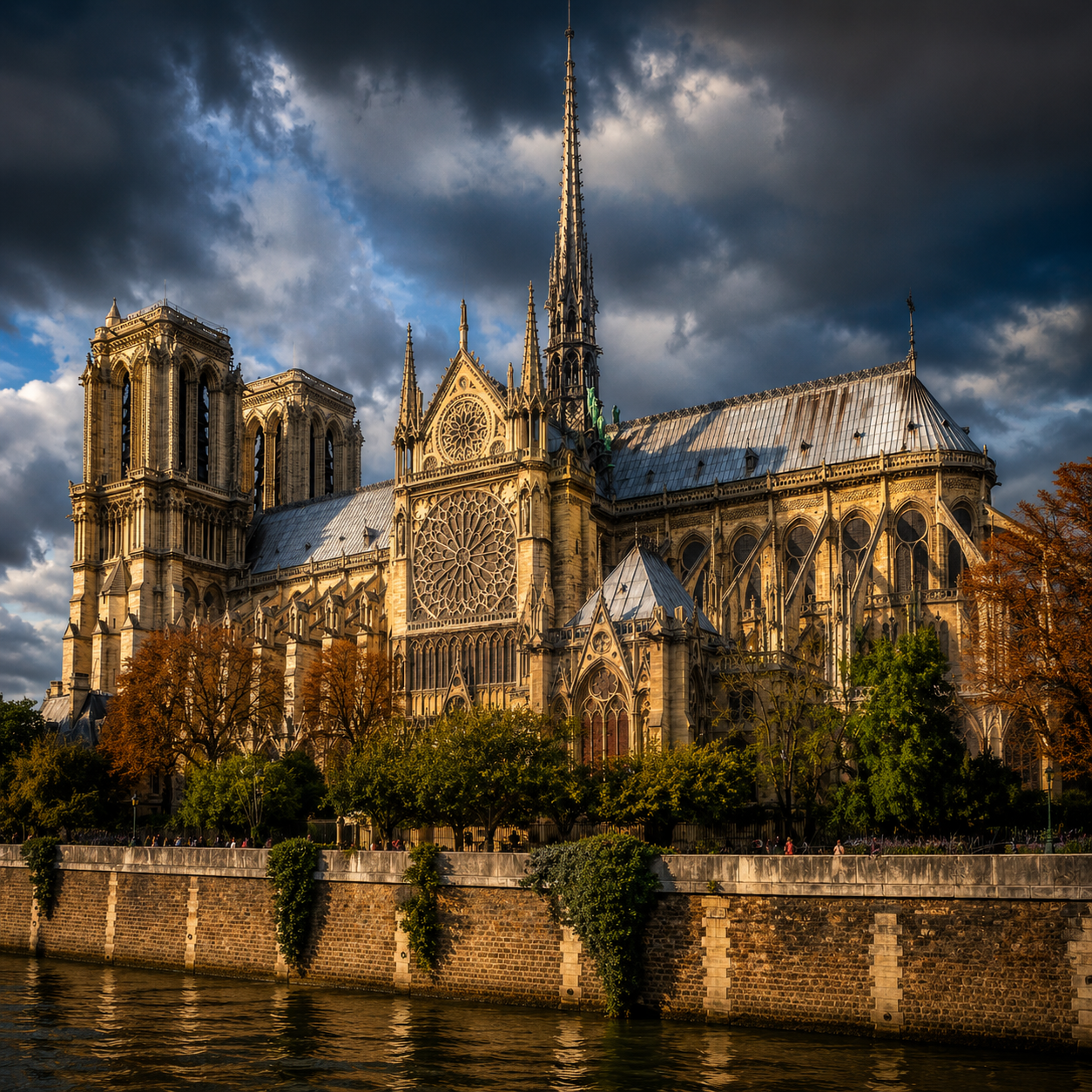
Notre-Dame Cathedral
There she is. Notre-Dame de Paris. And notice the color — that stone is PALE. Almost glowing. For most of living memory this building was gray with soot, and now it looks the way it did when it was young.
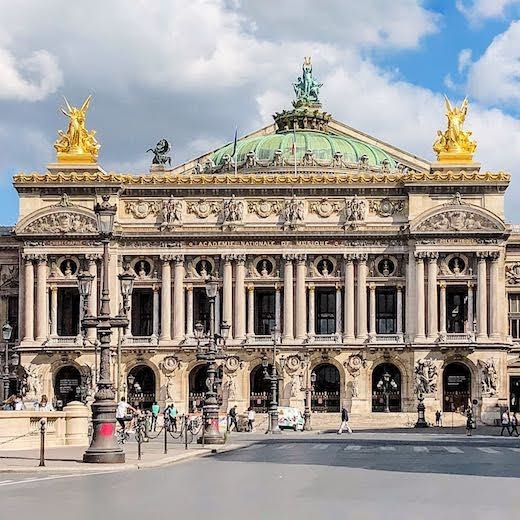
Palais Garnier
That enormous frosted cake of a building is the Palais Garnier — the Paris Opera. Gold statues on the roof, marble columns, busts of composers across the front.
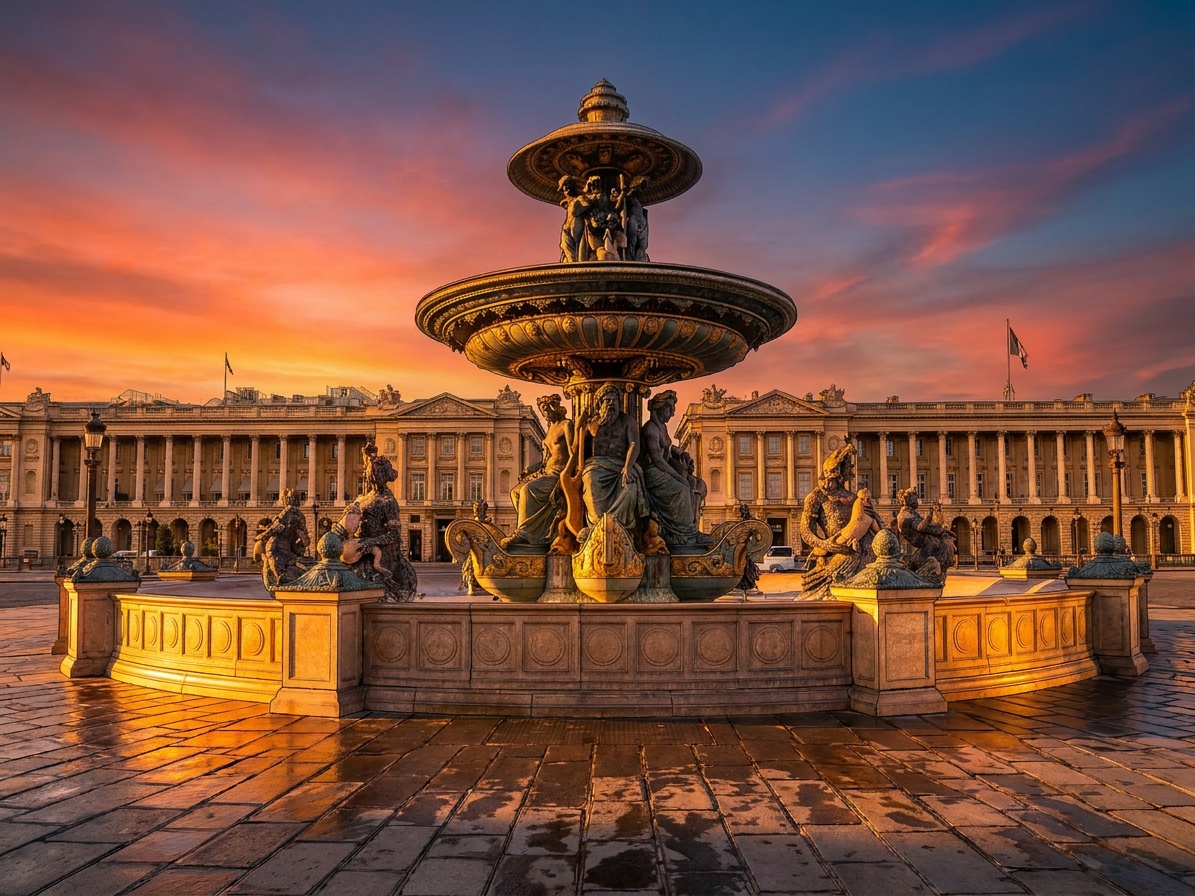
Place de la Concorde
This is the Place de la Concorde — eight and a half hectares of open space, the largest public square in Paris. The fountains, the obelisk, the symmetry. It looks like a postcard. This square has a dark chapter.
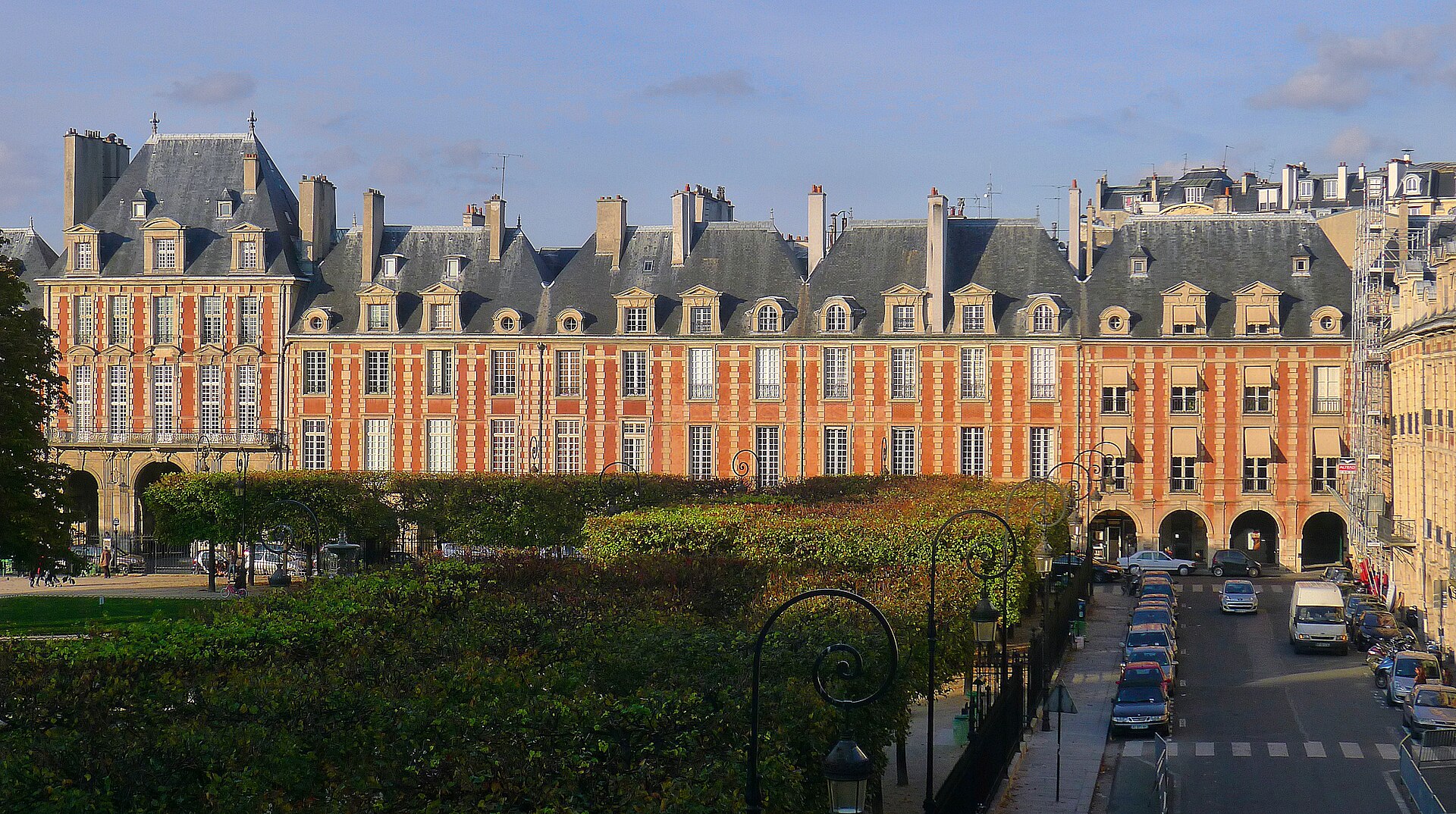
Place des Vosges
This is the Place des Vosges — thirty-six red brick houses, four stories each, arranged in a perfect square around the park. Every facade is identical, because the king ordered it that way.
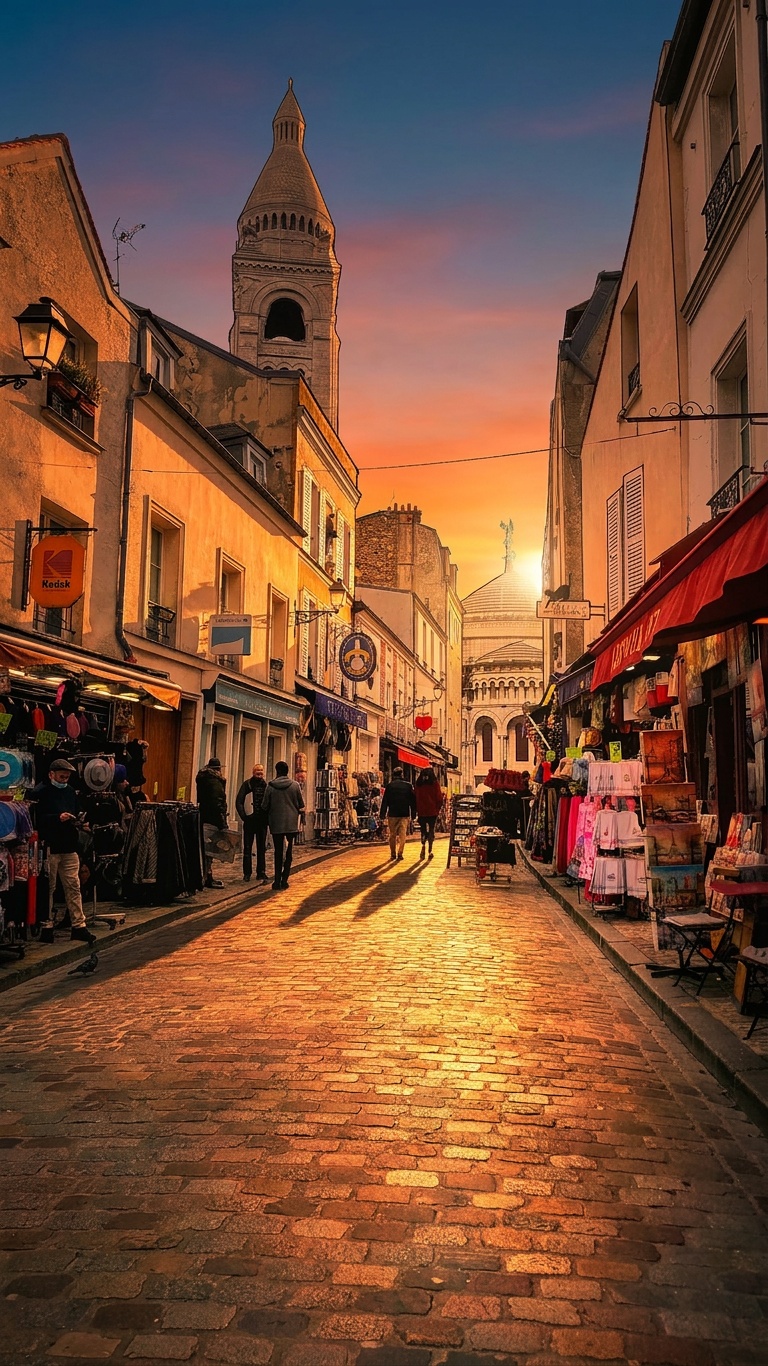
Place du Tertre
So. Place du Tertre. The most famous artists' square in the world. And yes — it's a little crowded, a little touristy, someone is definitely going to try to draw your portrait in the next ninety seconds.
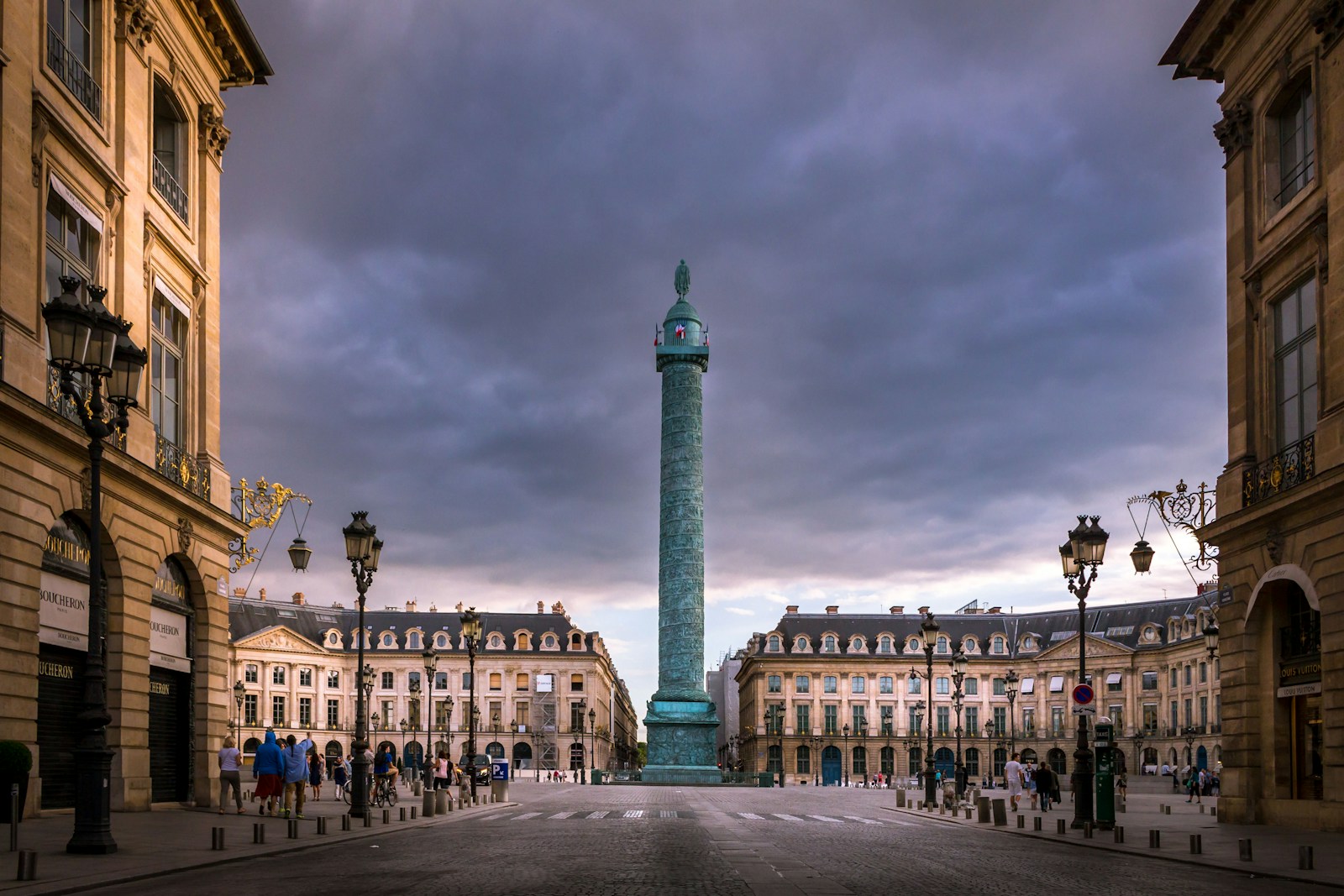
Place Vendôme
Place Vendôme. An octagon of gray-gold palaces, the Ritz on one side, jewelers everywhere else. In the middle, a giant bronze column with a little Napoleon on top, dressed as a Roman emperor.
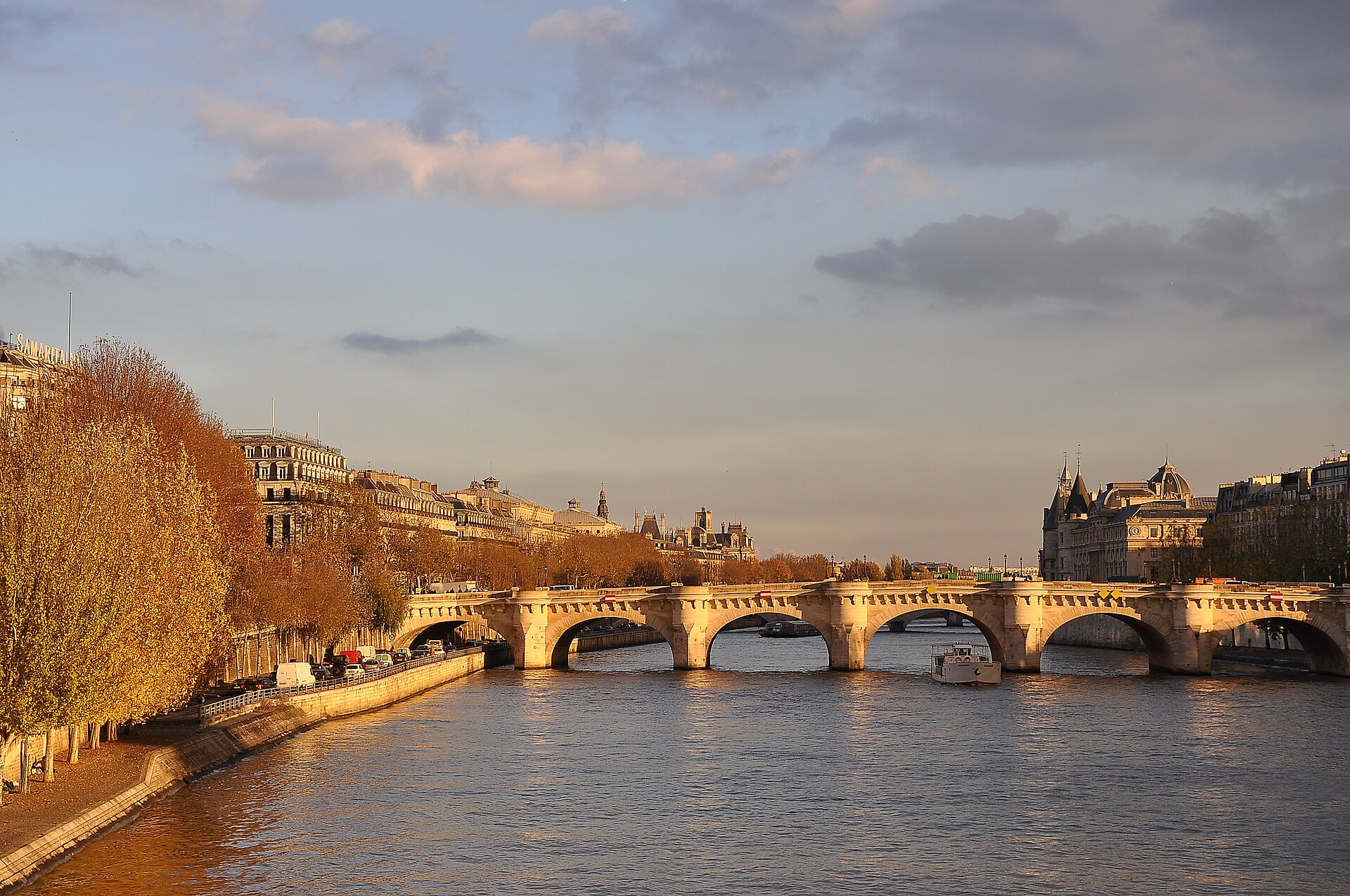
Pont Neuf
You're on the Pont Neuf — the New Bridge, which is the oldest bridge in Paris. Four hundred years old and still called new. Paris has decided this is fine, and honestly, so have I.
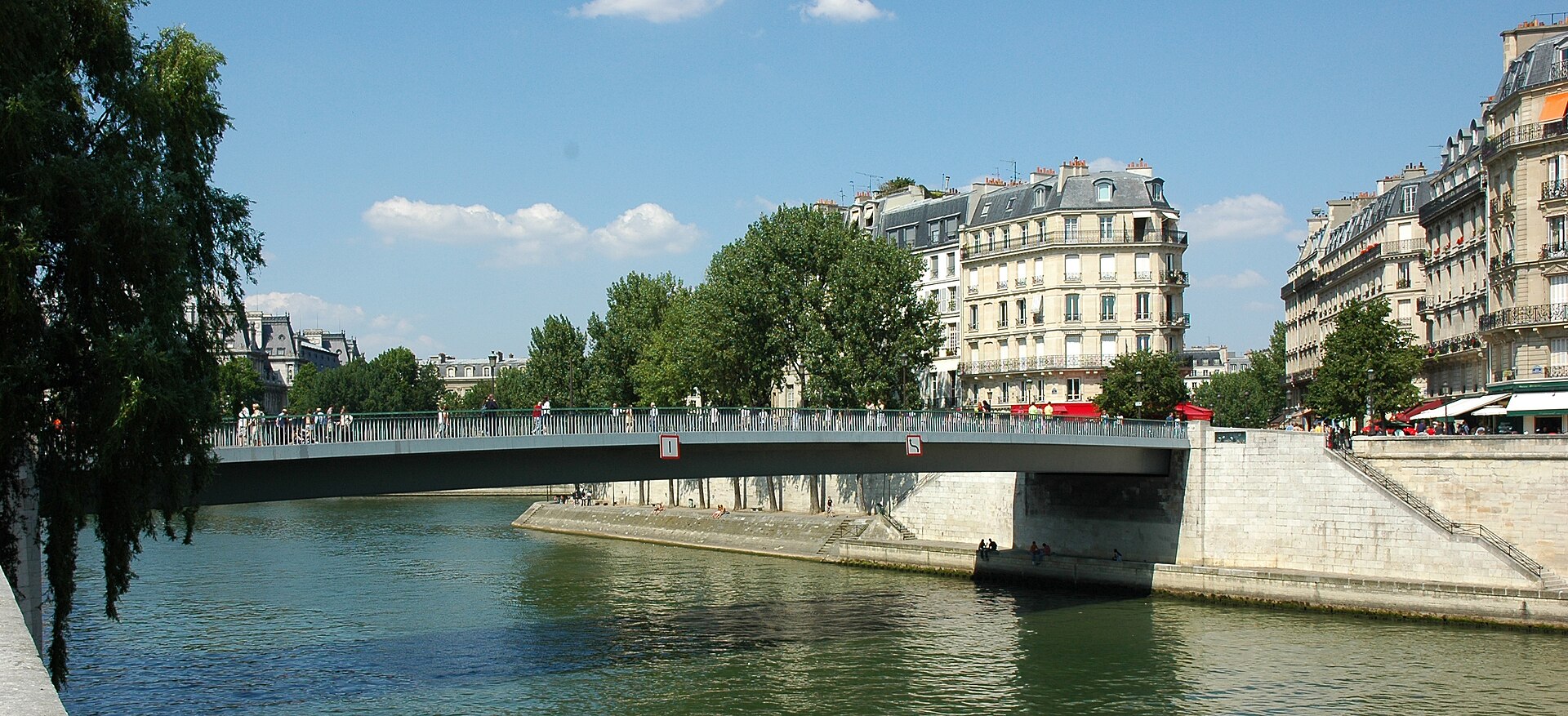
Pont Saint-Louis
The flat gray footbridge between the two islands is the Pont Saint-Louis. Take a good look at it, because it is — and I say this with affection — the plainest bridge in Paris. No statues, no lamps worth photographing, no gold.
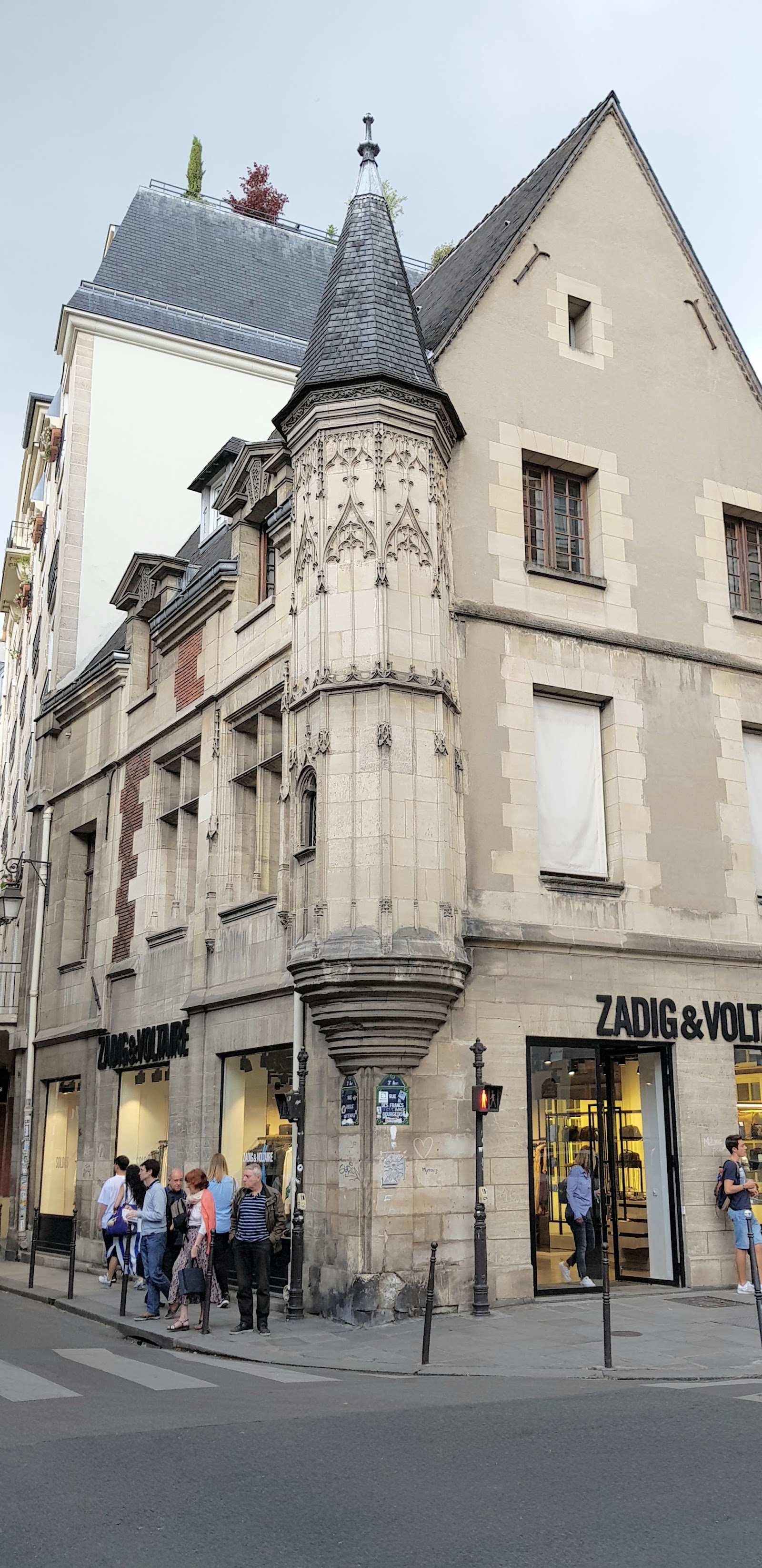
Rue des Francs-Bourgeois
You've reached the Rue des Francs-Bourgeois, the main shopping spine of the Marais. If the street seems to bend for no reason, that's because it does. This is what Paris looked like before Paris looked like Paris.
Rue des Rosiers — The Pletzl
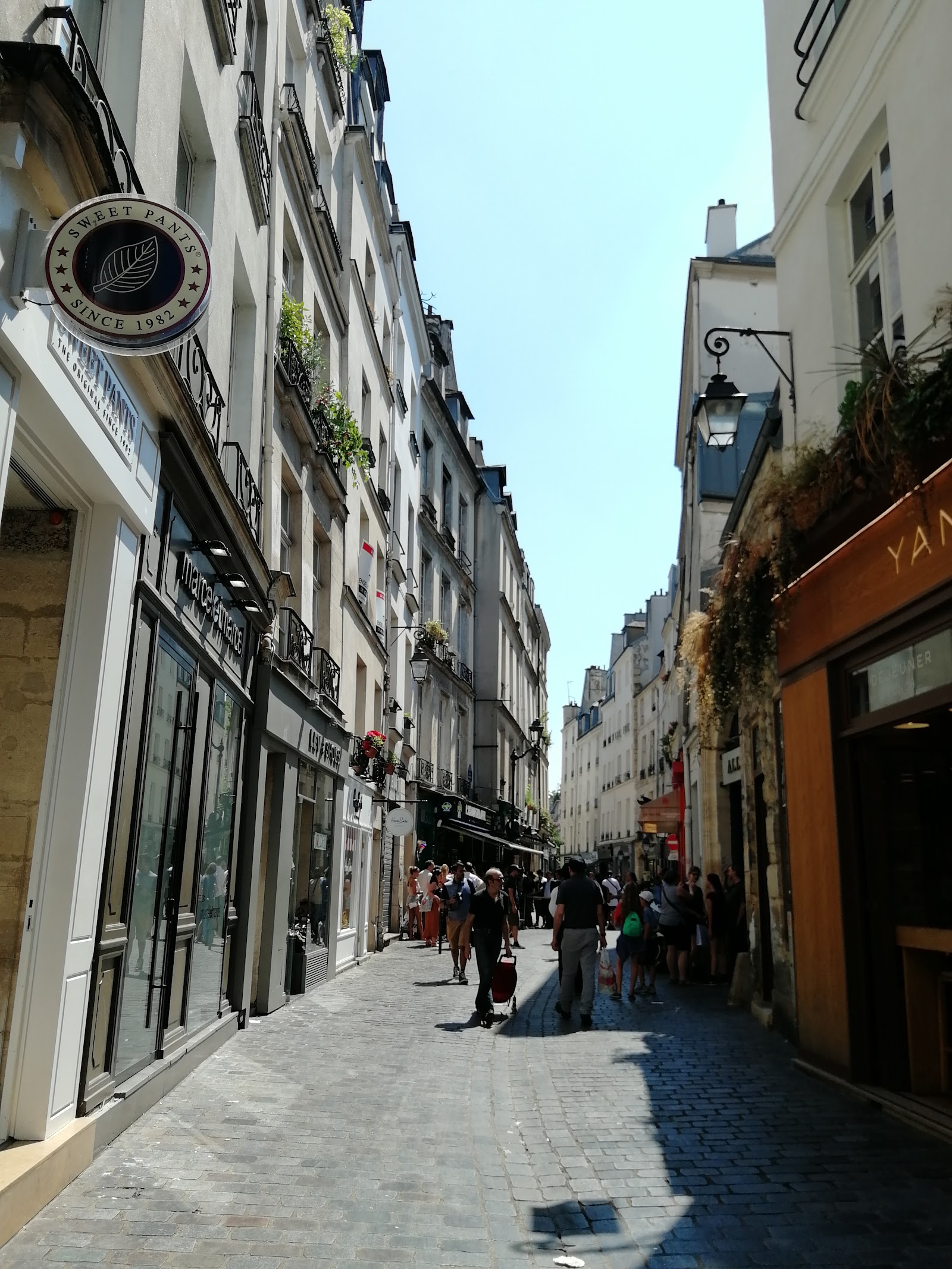
The narrow street ahead is the Rue des Rosiers, the street of the rosebushes. What it usually smells like is frying chickpeas, cumin, and warm bread. This is the Pletzl.
Rue du Chat-qui-Pêche
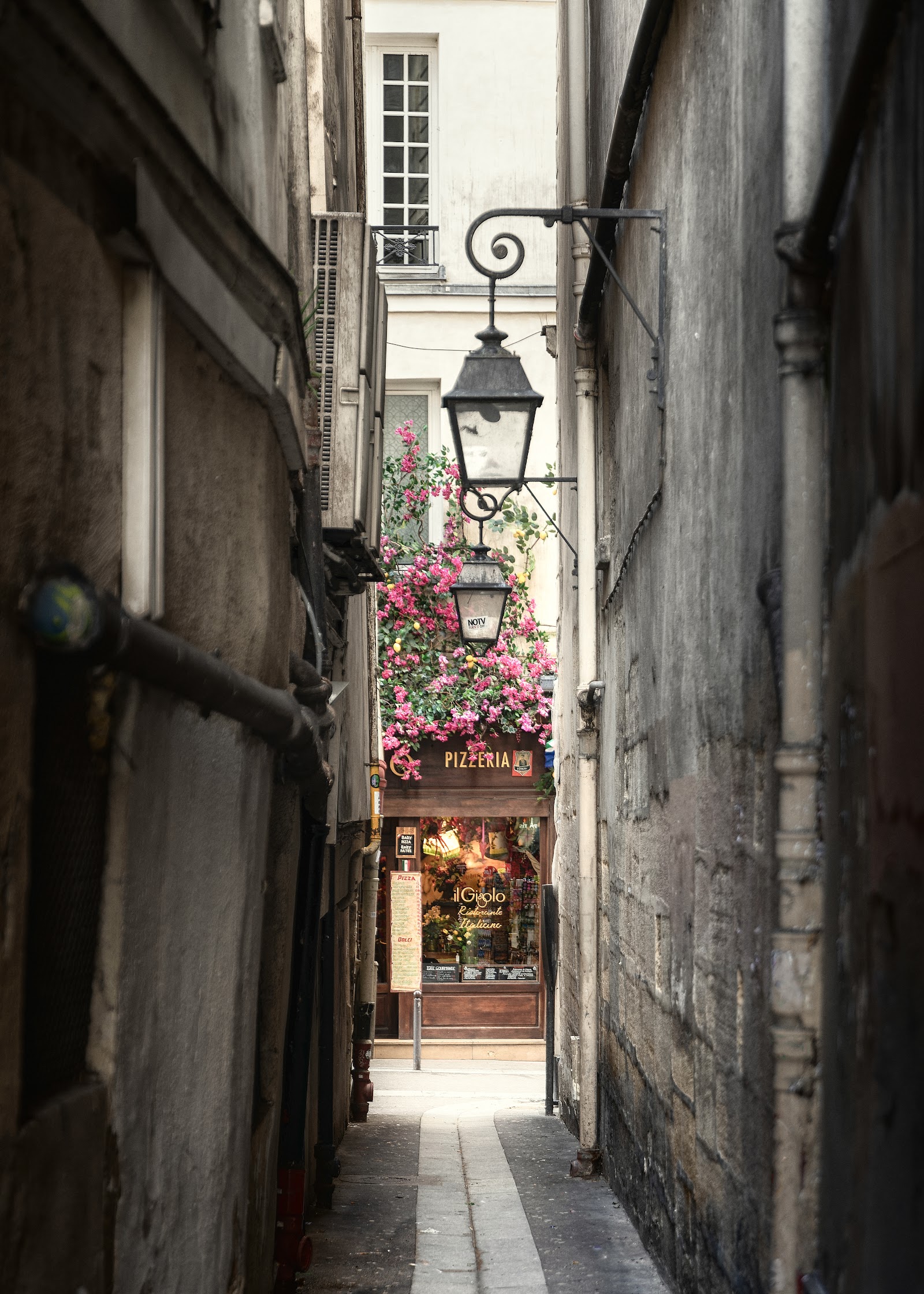
Your eyes will slide right past this one, so slow down. That gap between the buildings — the slot barely wide enough for a doorway — is the rue du Chat-qui-Pêche. Shah-kee-Pesh. The Street of the Fishing Cat.
Sacré-Cœur Basilica
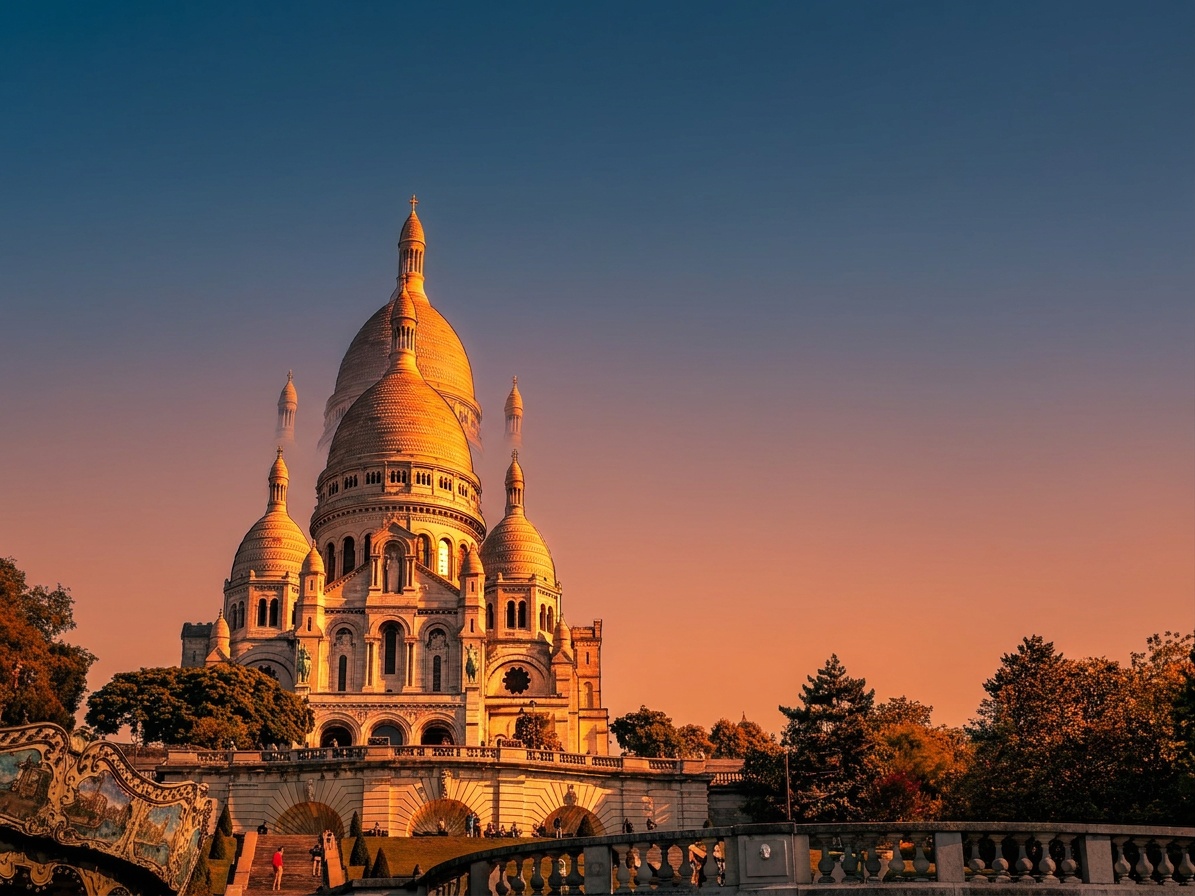
That white church on the hilltop. Eleven million visitors a year, and Parisians STILL argue about whether it should be here. Here's why. In eighteen seventy, France lost a war to Prussia — badly.
Sainte-Chapelle
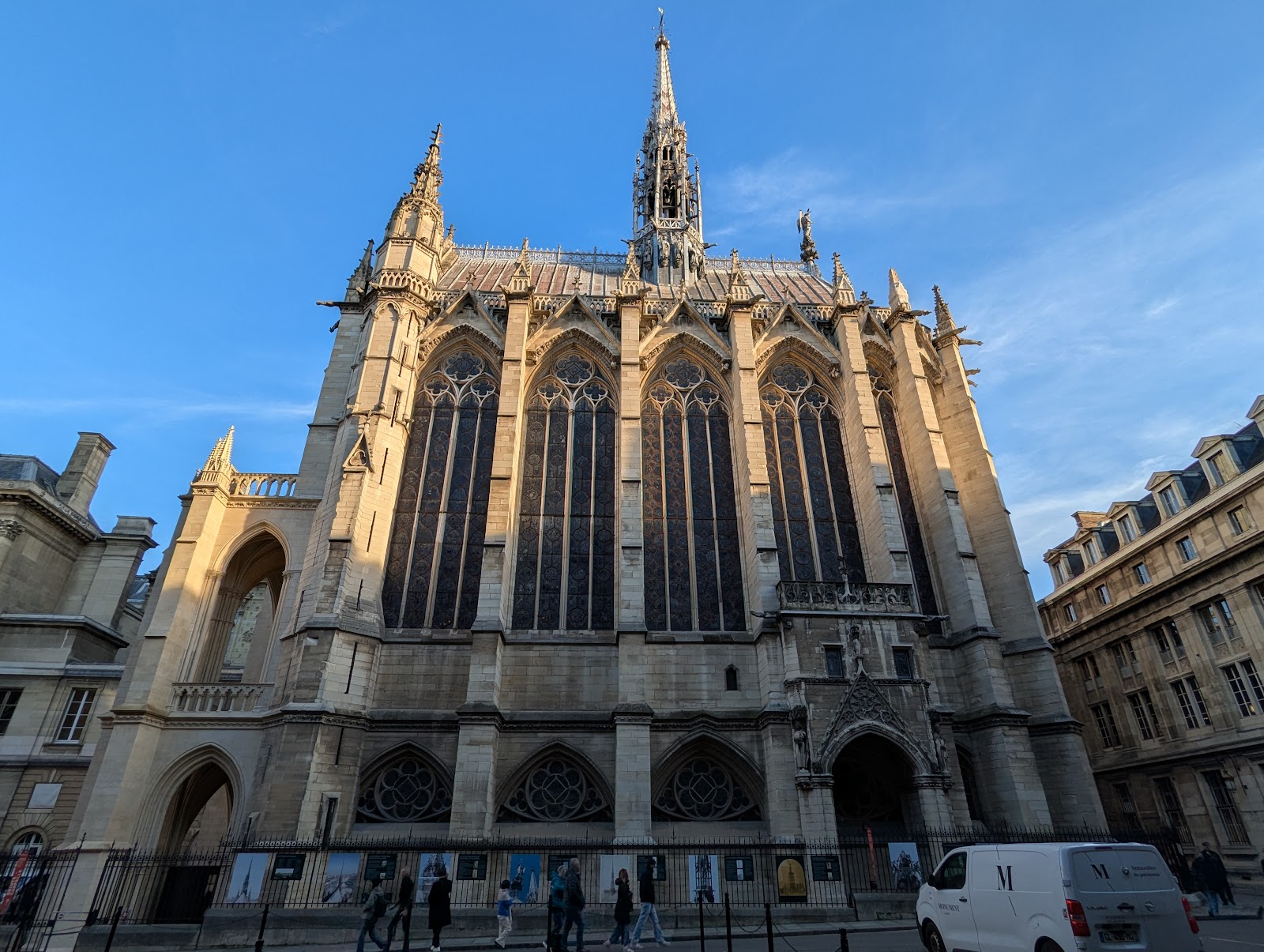
See that Gothic spire rising out of the middle of the law courts? That's Sainte-Chapelle — a thirteenth-century jewel box parked inside a working courthouse.
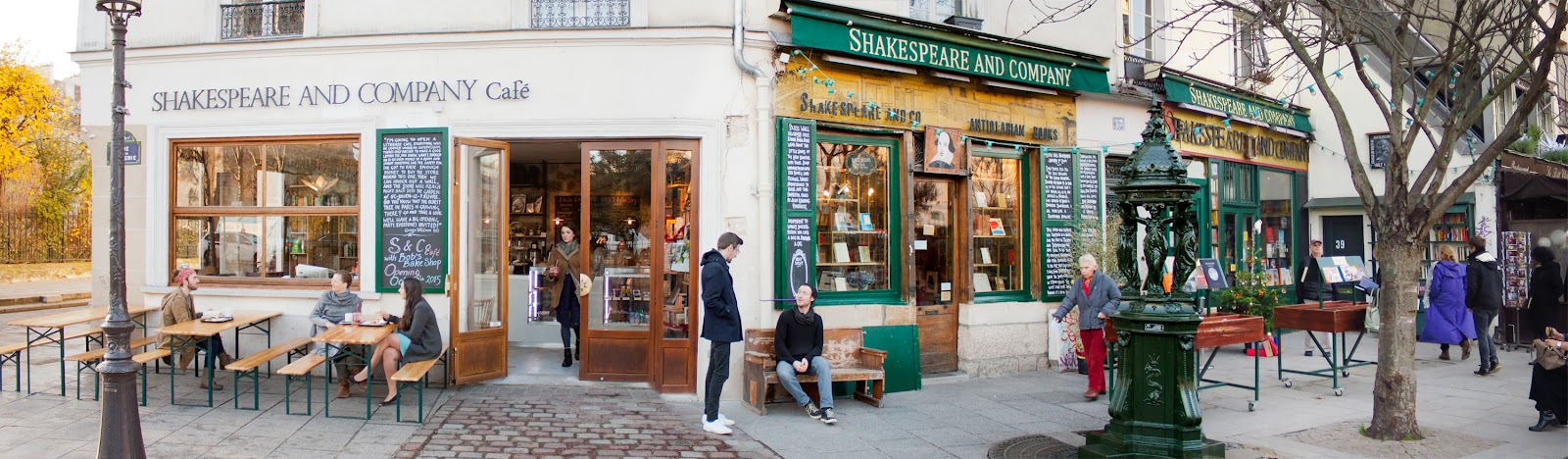
Shakespeare and Company
That green storefront with the book bins out front is Shakespeare and Company, and across the water behind it stands Notre-Dame. A bookstore and a cathedral, staring at each other over the Seine.
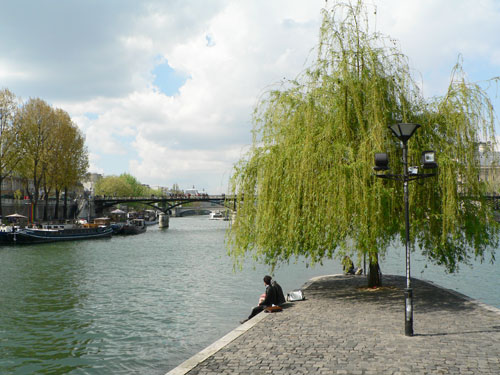
Square du Vert-Galant
This little triangle of green at the very tip of the island is the Square du Vert-Galant. The air is cooler down here, the river is close enough to hear against the stone, and the boats pass at eye level. Notice how far DOWN you are.
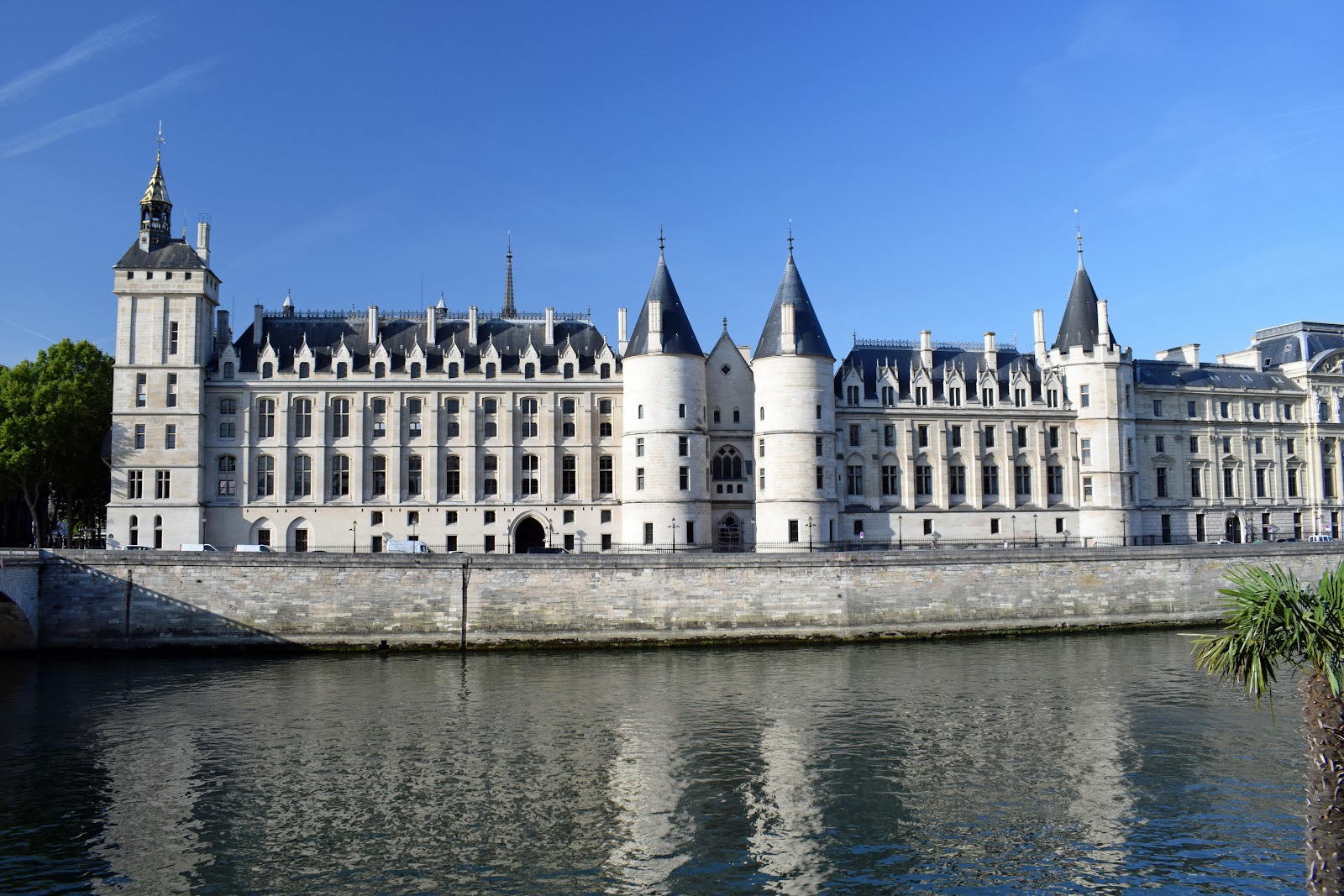
The Conciergerie
Those pale round towers with the witch-hat roofs, running along the river — that's the Conciergerie. And on the square corner tower, look for the gold. That's a clock.
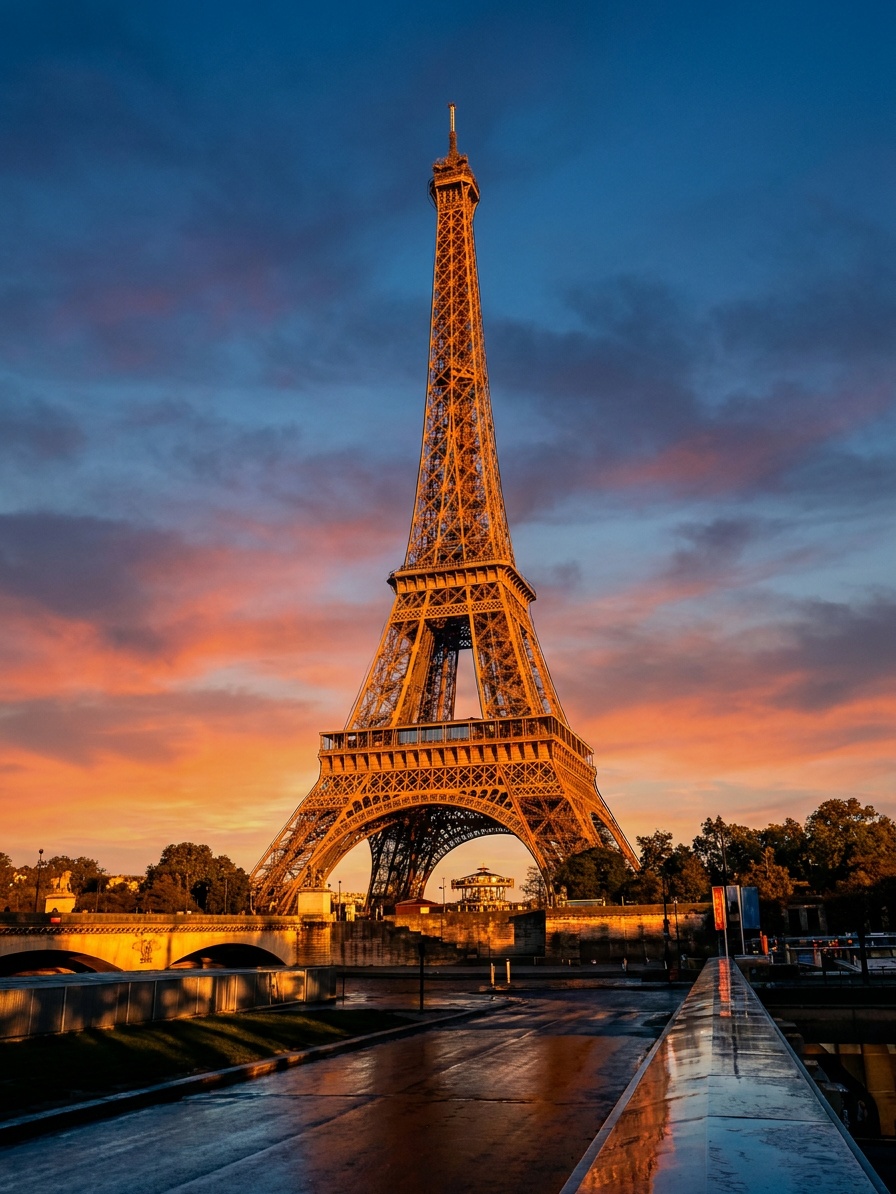
The Eiffel Tower
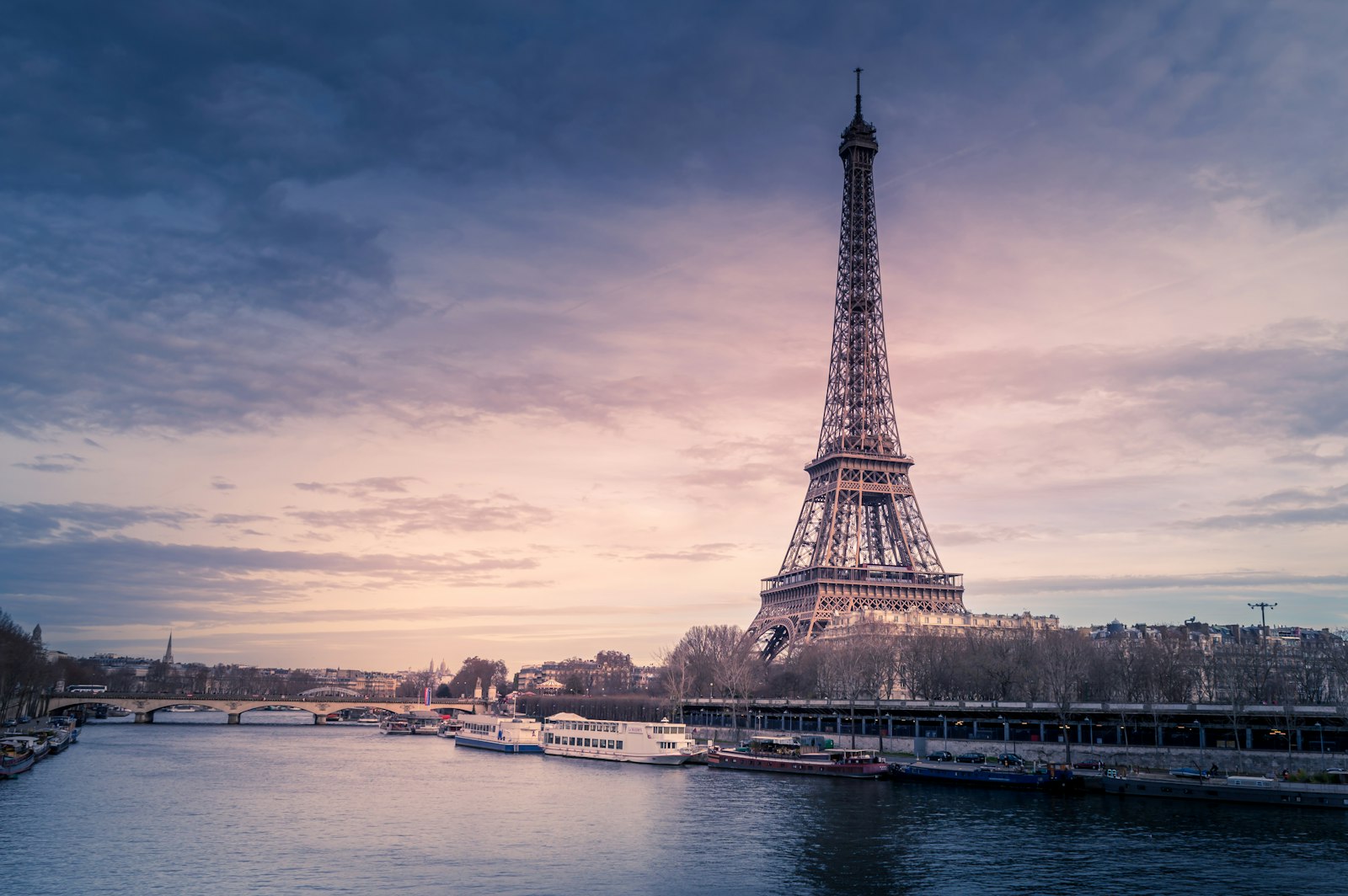
So. The Eiffel Tower. Three hundred and thirty meters tall, seven thousand three hundred tonnes of iron, two and a half million rivets. You've seen it a million times.
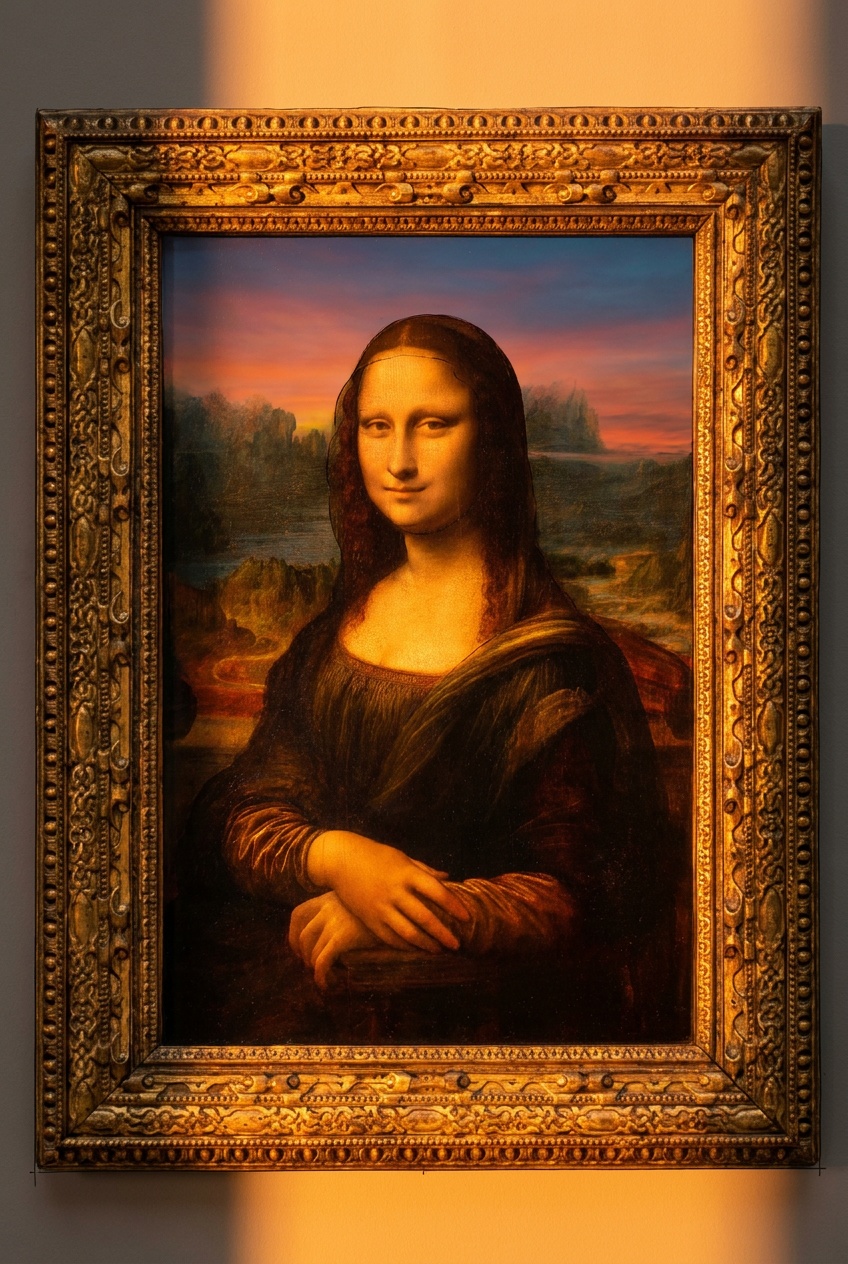
The Louvre
Welcome to the Louvre. See that glass pyramid? When it was announced in the early nineteen eighties, ninety percent of Parisians were against it. One member of the Academie Francaise wrote simply: Poor France.
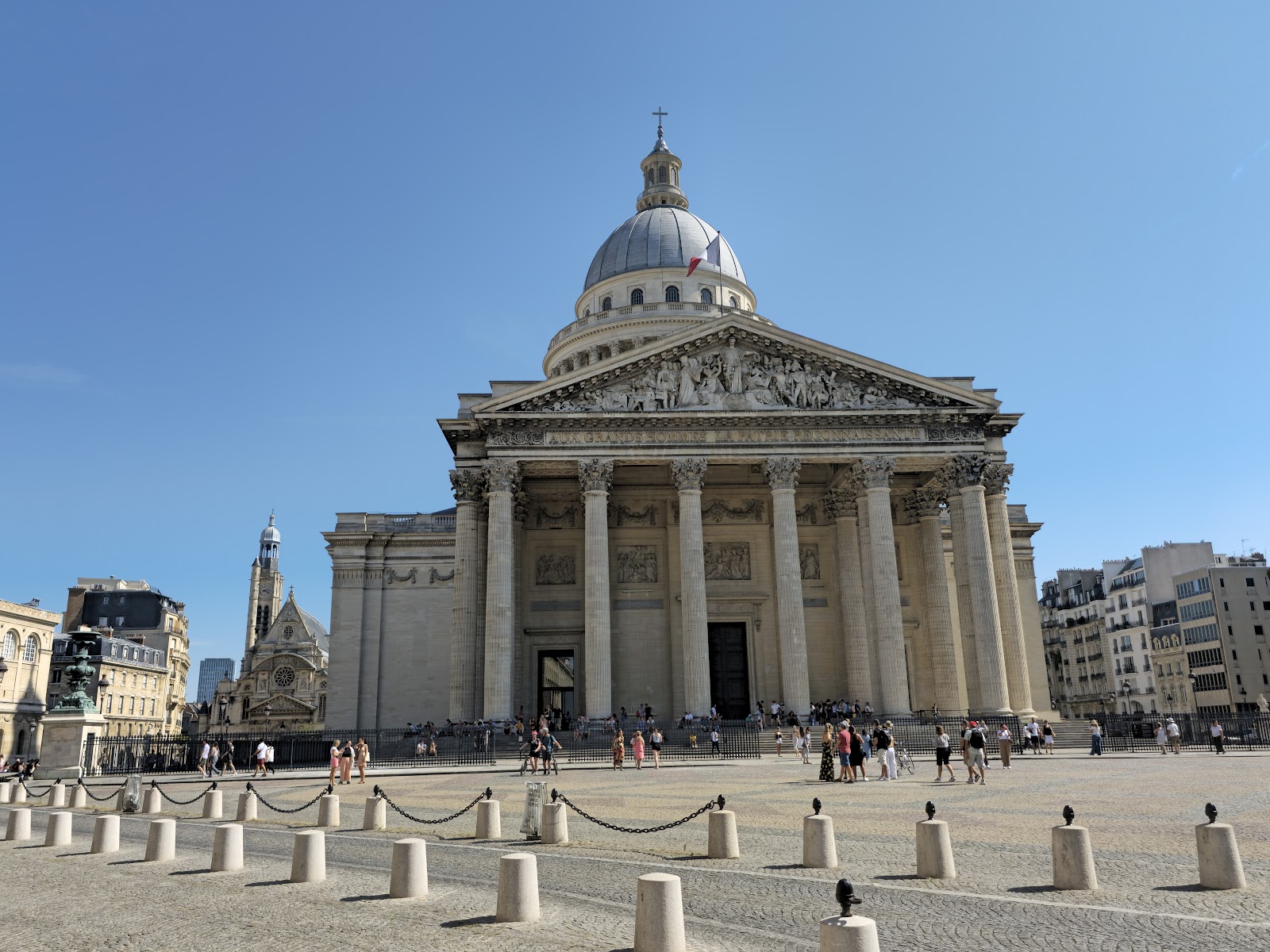
The Panthéon
The enormous building commanding this square is the Pantheon, the temple where France buries its greatest citizens.
Parks
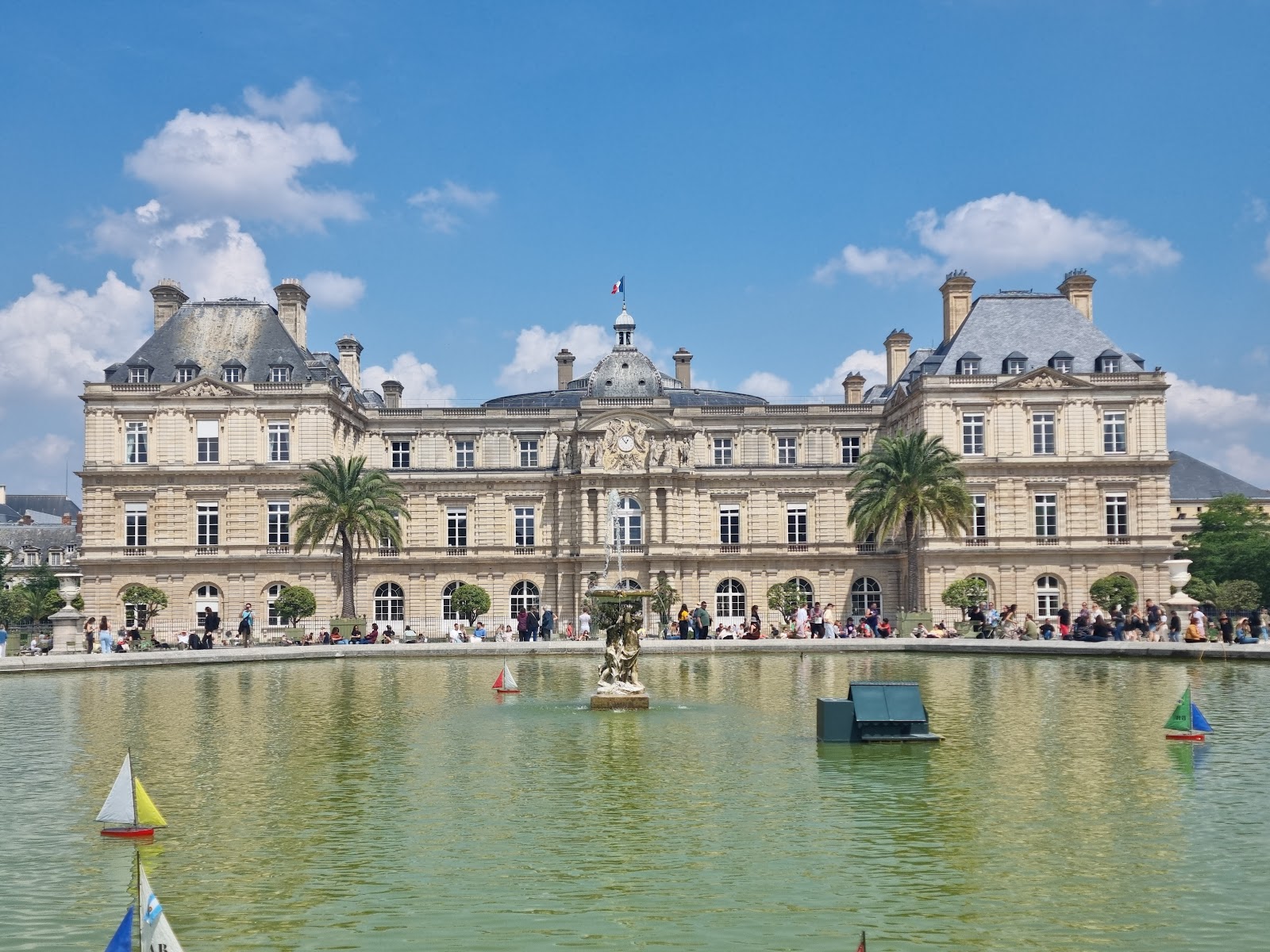
Luxembourg Gardens — The Grand Bassin
This is the Luxembourg Gardens, and the octagonal pond in front of the palace is the Grand Bassin. Gravel underfoot, green metal chairs everywhere, and — most days — a fleet of tiny sailboats working its way across the water.
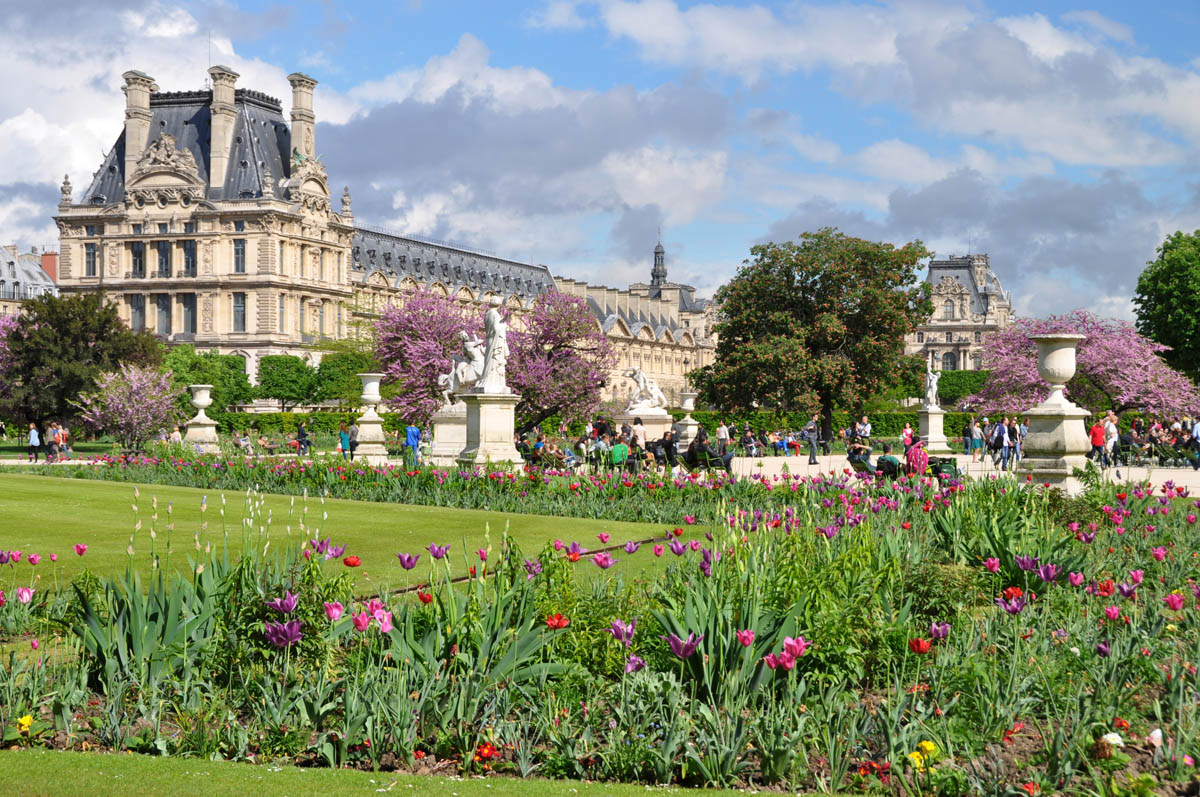
Rue de Rivoli / Tuileries Garden
You've reached the Rue de Rivoli — the long straight street with the endless stone arcades. Arch after arch after identical arch, running toward the Louvre one way and the Place de la Concorde the other.
Hear the stories behind these places
Self-guided audio experiences that are actually entertaining. Press play and walk.