Piazza Navona. Long, oval, gorgeous, three fountains down the middle, cafés all around. Notice the shape — that stretched racetrack outline is not an accident. You're standing inside the footprint of an ancient stadium. The Romans held athletic games here two thousand years ago, and the buildings simply grew up along the old grandstand, which is why the whole square is shaped like a track.
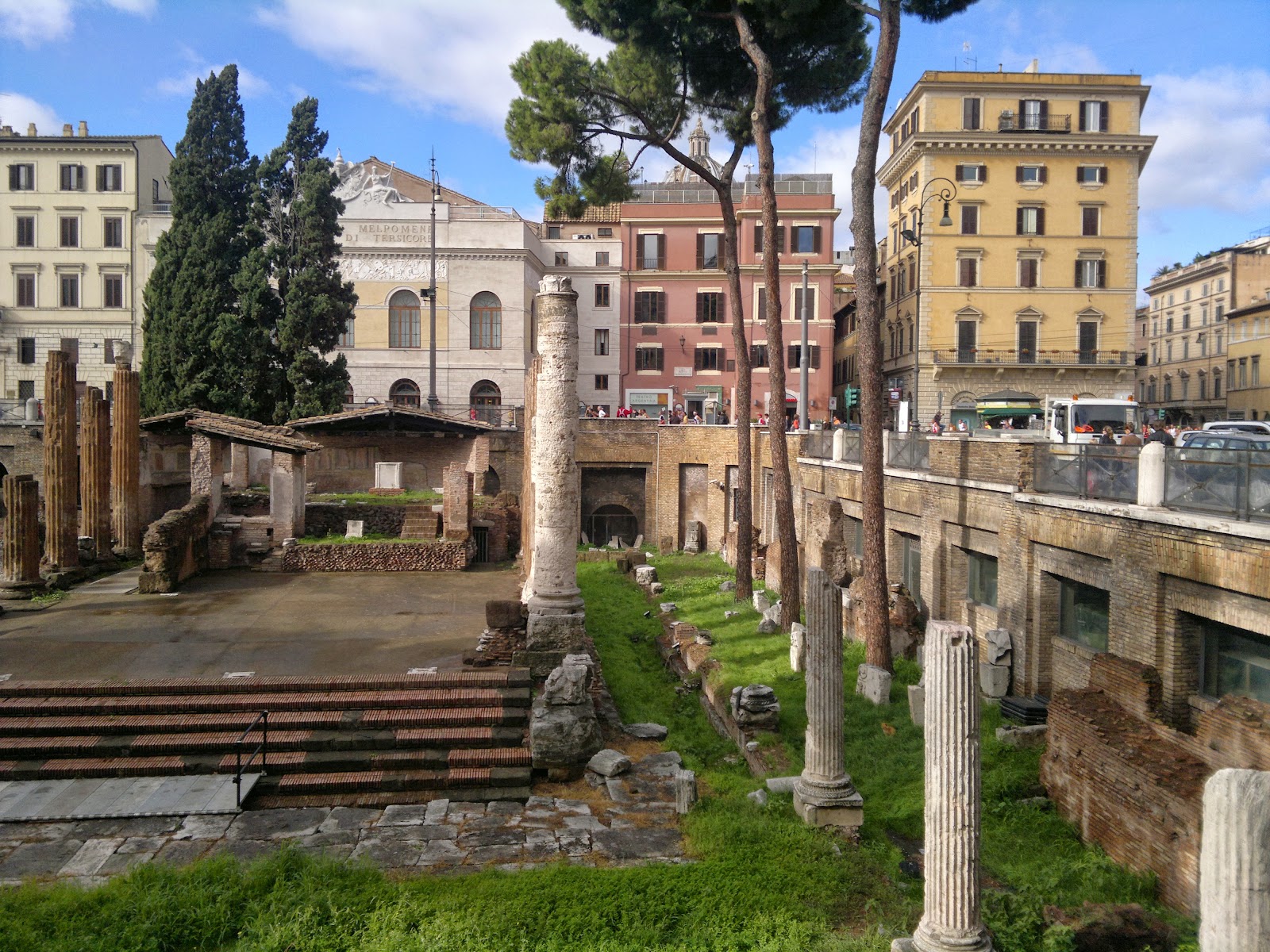
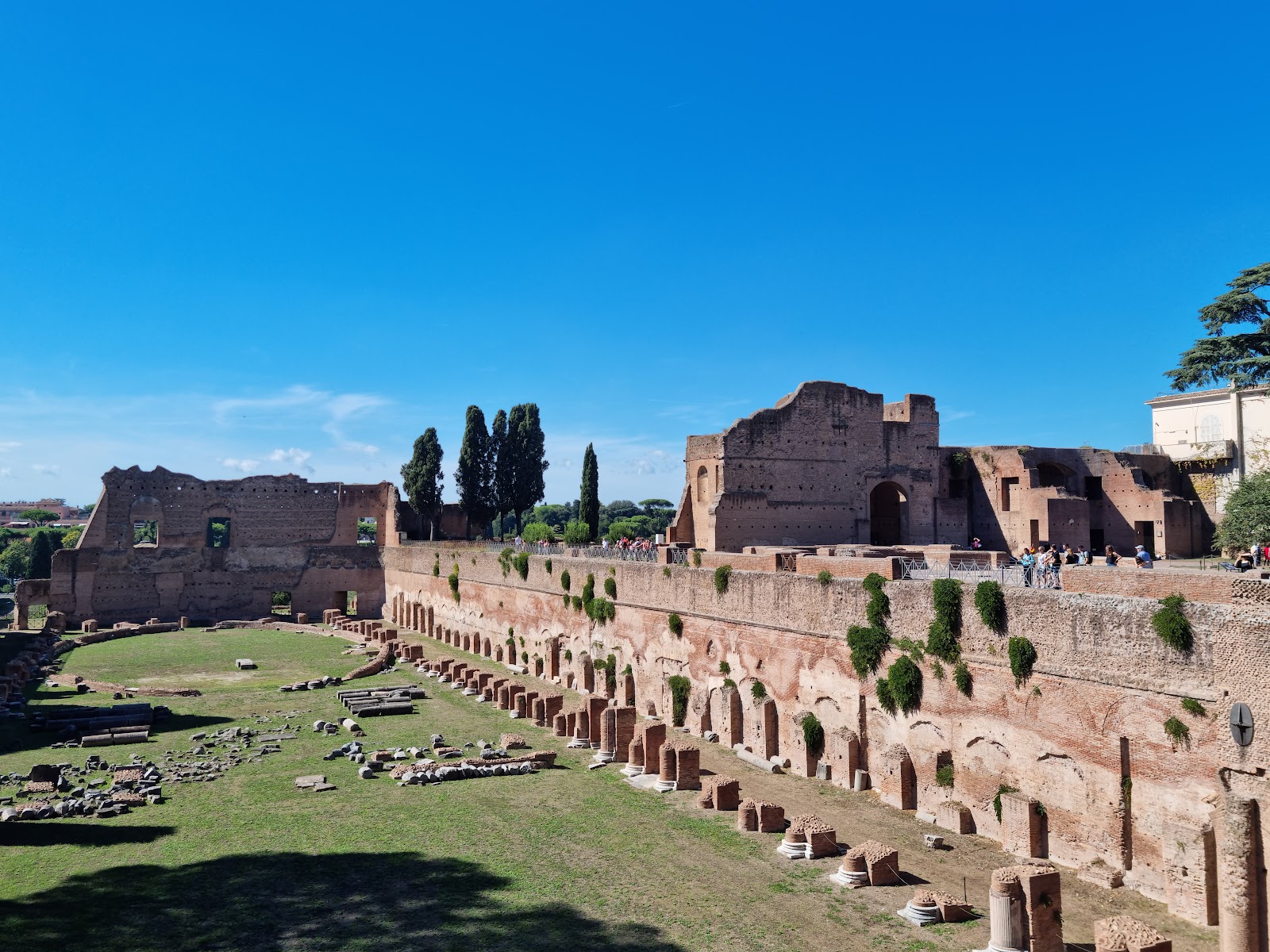
And that footprint is still down there. About fifteen feet beneath your shoes sit the actual ruins of the Stadium of Domitian, which you can go down and walk through. It never held chariots — it hosted Greek-style athletics, foot races and contests the Romans called agones. That word is where the square's name comes from: in agone, worn down over the centuries into Navona.
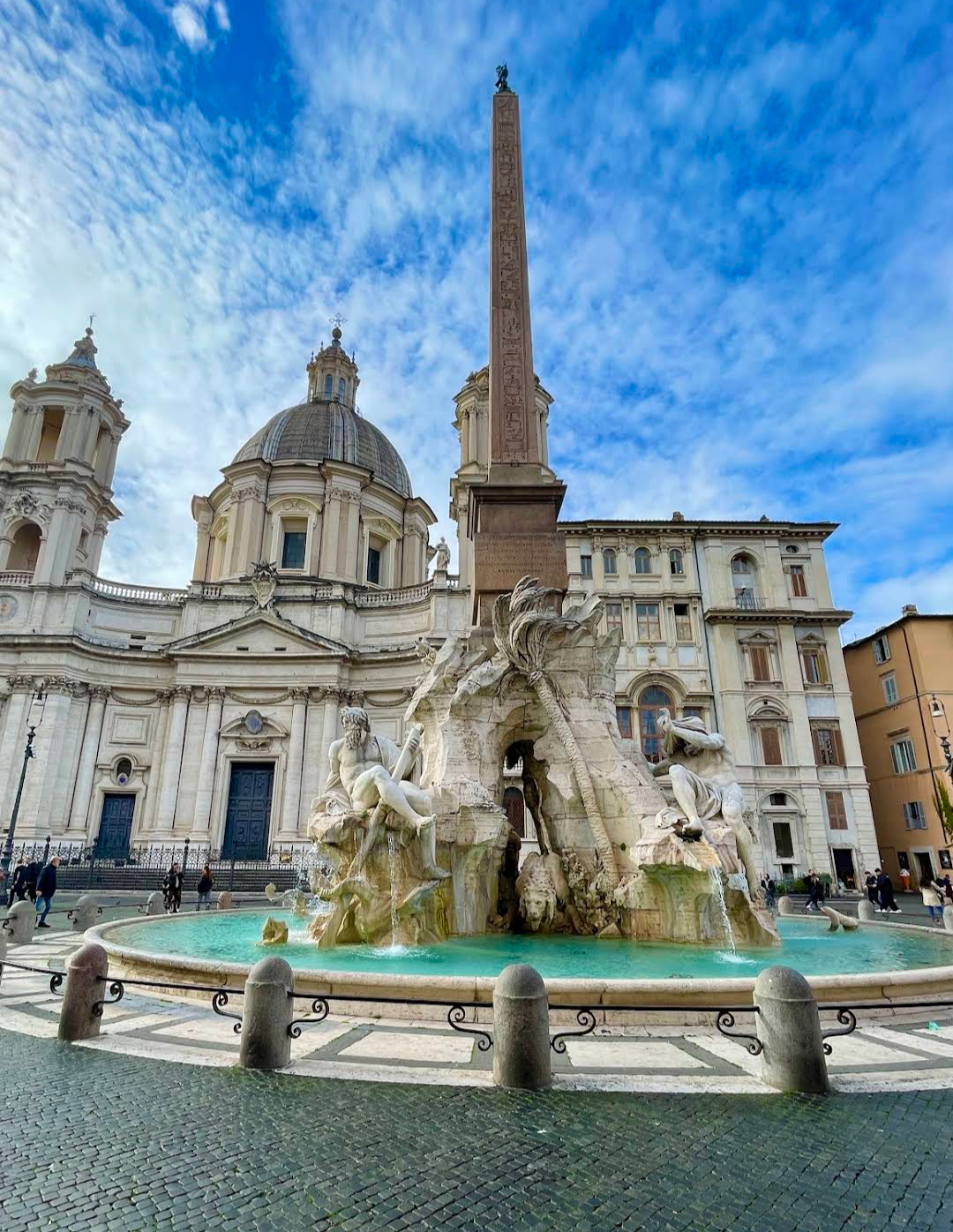
But the reason people photograph this place is the big fountain in the center — the Fountain of the Four Rivers, by Bernini — and the church facing it, by his great rival Borromini. These two men defined Baroque Rome, and they co
uld not stand each other. Bernini was the charming superstar who got every commission. Borromini was the brooding genius who did brilliant work and watched Bernini take the credit and the money.
And that face-off, fountain versus church, has fed one of Rome's favorite legends. Look at the fountain's figure of the River Nile — he's got a cloth draped over his head, hiding his face. Guides will tel