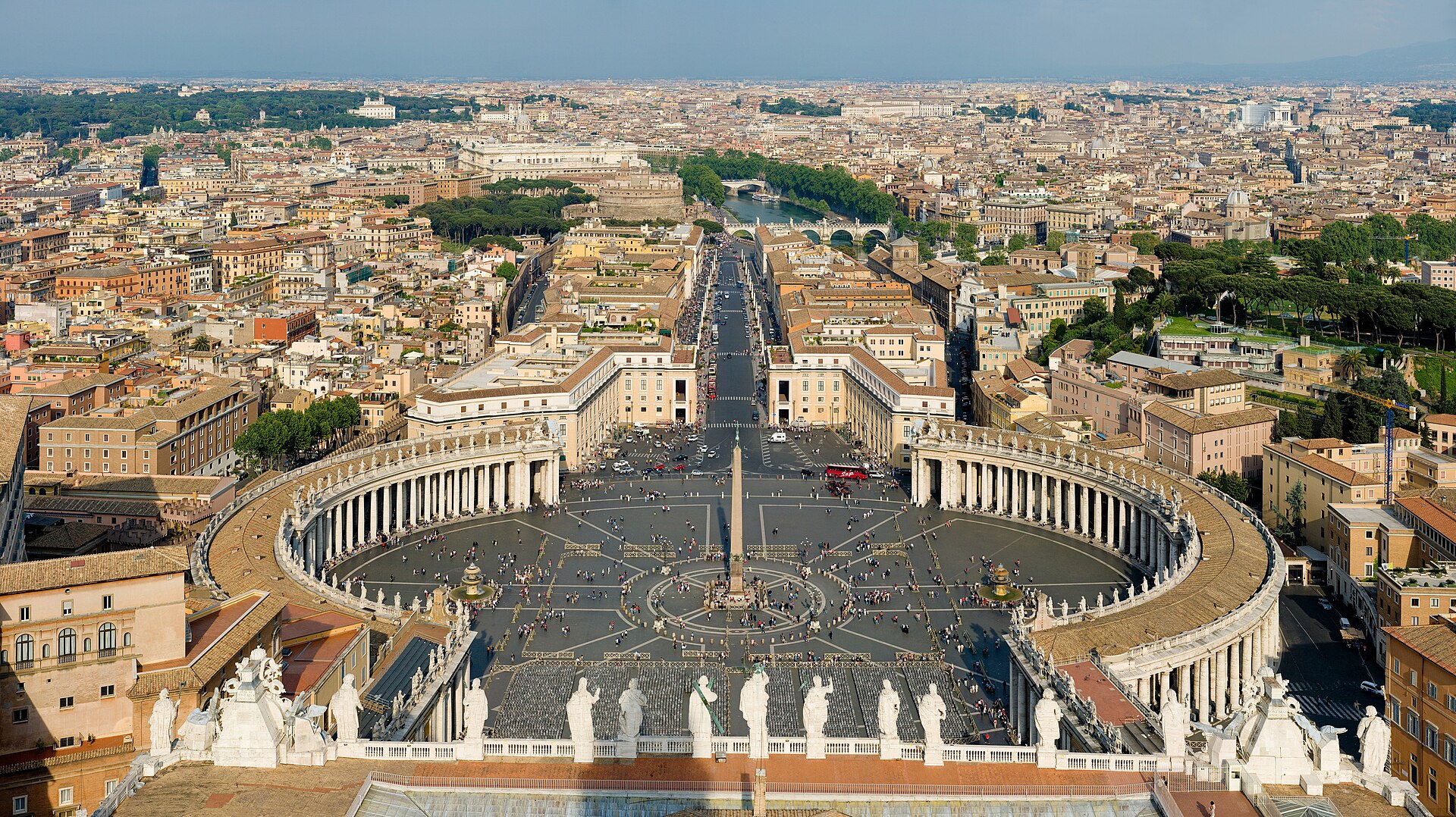
Look at the two great curving arms of columns sweeping around this square. Bernini designed them, and he said out loud what they're meant to be: the arms of Mother Church, reaching out to gather the whole world into an embrace. Two hundred and eighty-four columns, four rows deep. Stand on the right spot and the four rows line up into one, and hundreds of columns vanish into a single row. It's a magic trick worked in stone.
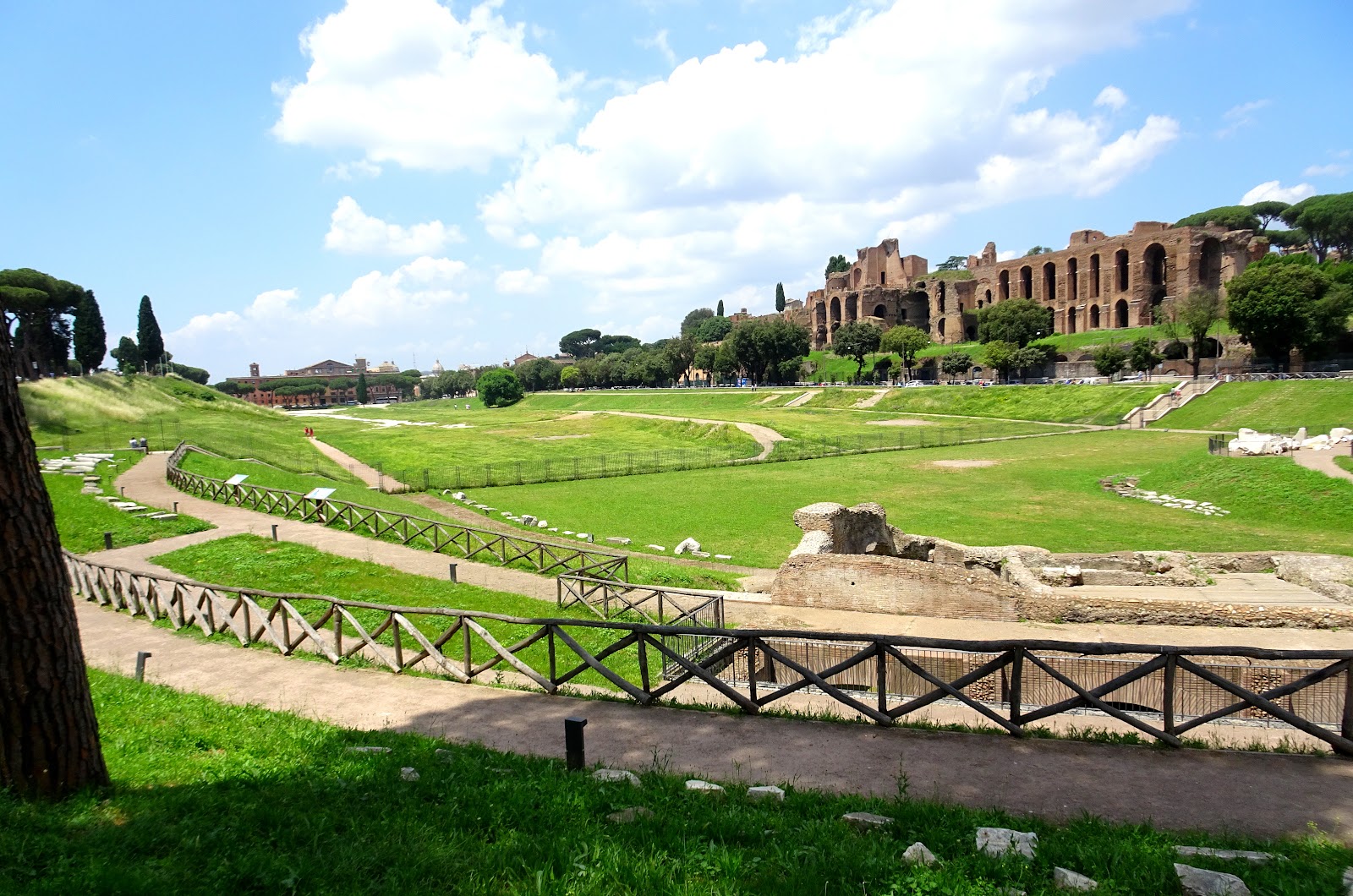
But the real drama here is the obelisk in the center. That single piece of Egyptian granite is over three thousand years old and weighs around three hundred and thirty tons. The emperor Caligula hauled it to Rome to decorate his private racetrack — the same racetrack where, according to tradition, Saint Peter was later executed. So this obelisk quite possibly stood watching the death of the man the whole basilica is named for. And here's the eerie part: this is the only ancient obelisk in Rome that never once fell down. Every other one toppled over the centuries and
had to be dug up and re-raised. This one stood upright, continuously, straight through the fall of the Roman Empire and everything after. It was standing when Peter died beside it, and it has never come down since. If stones remember anything, this one saw all of it.
Moving it into the center of the square, in fifteen eighty-six, was one of the great engineering circuses of all time. The archite