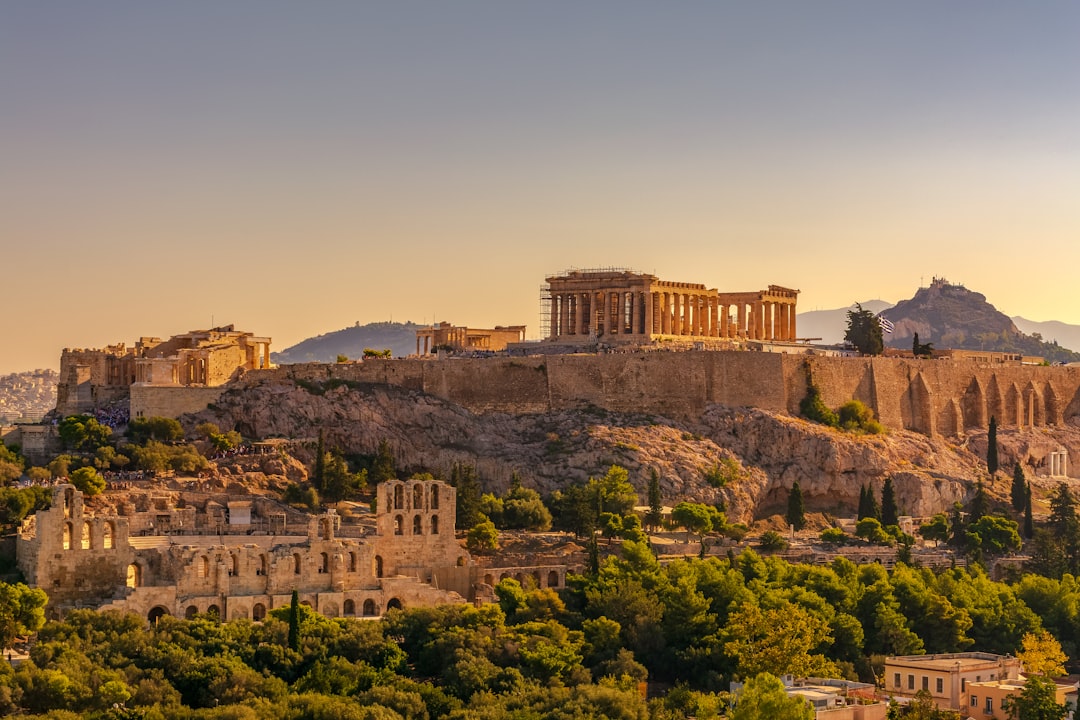
Landmarks in Athens
24 landmarks to discover with Bad Historian in Athens.
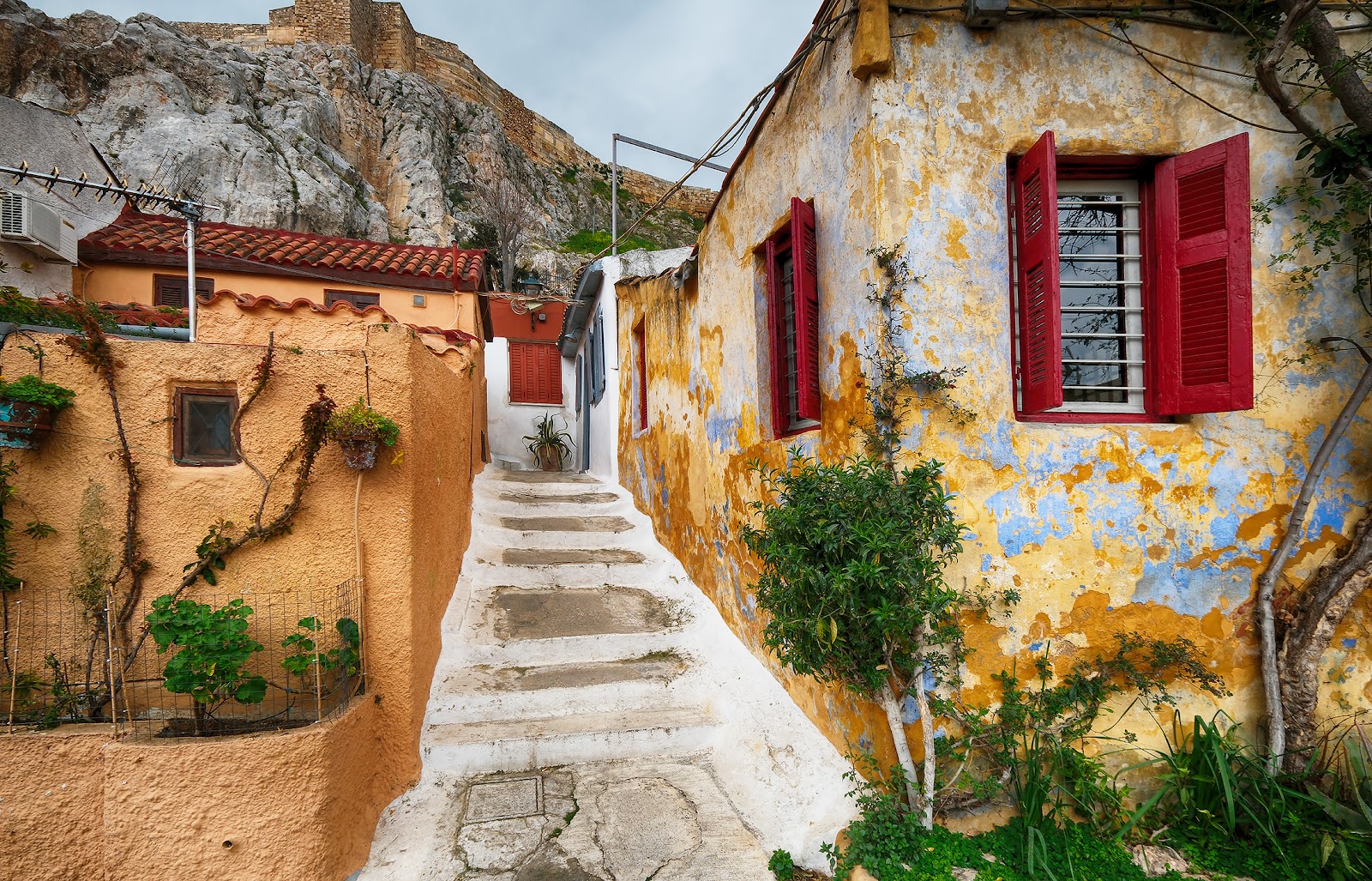
Anafiotika
This is Anafiotika, and you've just walked out of Athens and onto a Greek island. Whitewashed cube houses with flat roofs, blue doors and shutters, pots of geraniums and basil on every step, lanes so narrow two people have to turn sideways…
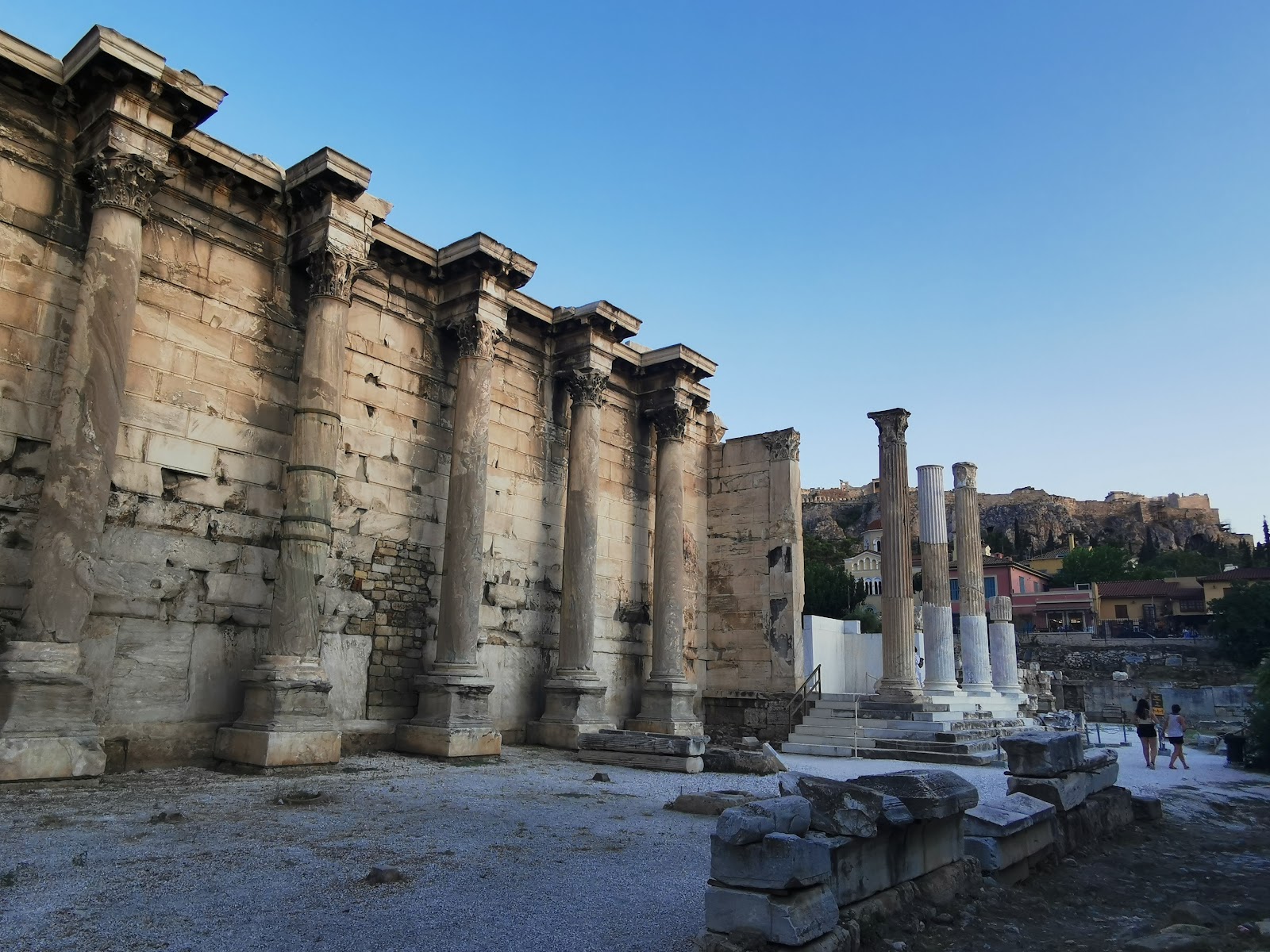
Hadrian's Library
That long grey wall with the row of tall columns standing in front of it is the outside of Hadrian's Library. Count them — seven left of the original fourteen, standing clear of the wall with nothing on top.
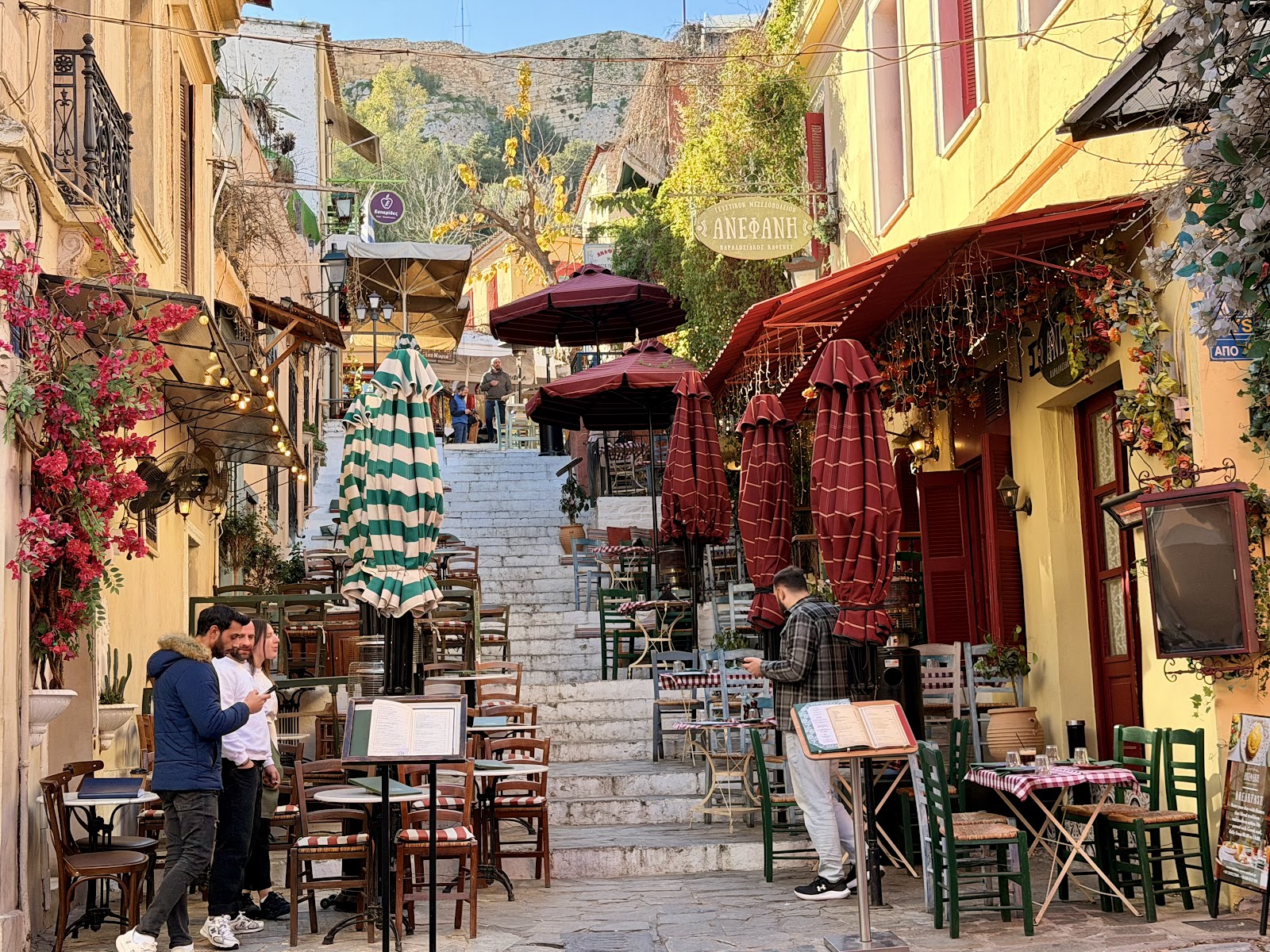
Mnesikleous Street, Plaka
This is Mnesikleous Street, the stepped lane where the cafés set their tables right on the stairs, under bougainvillea, with the wall of the Acropolis rising above.
Monastiraki Square
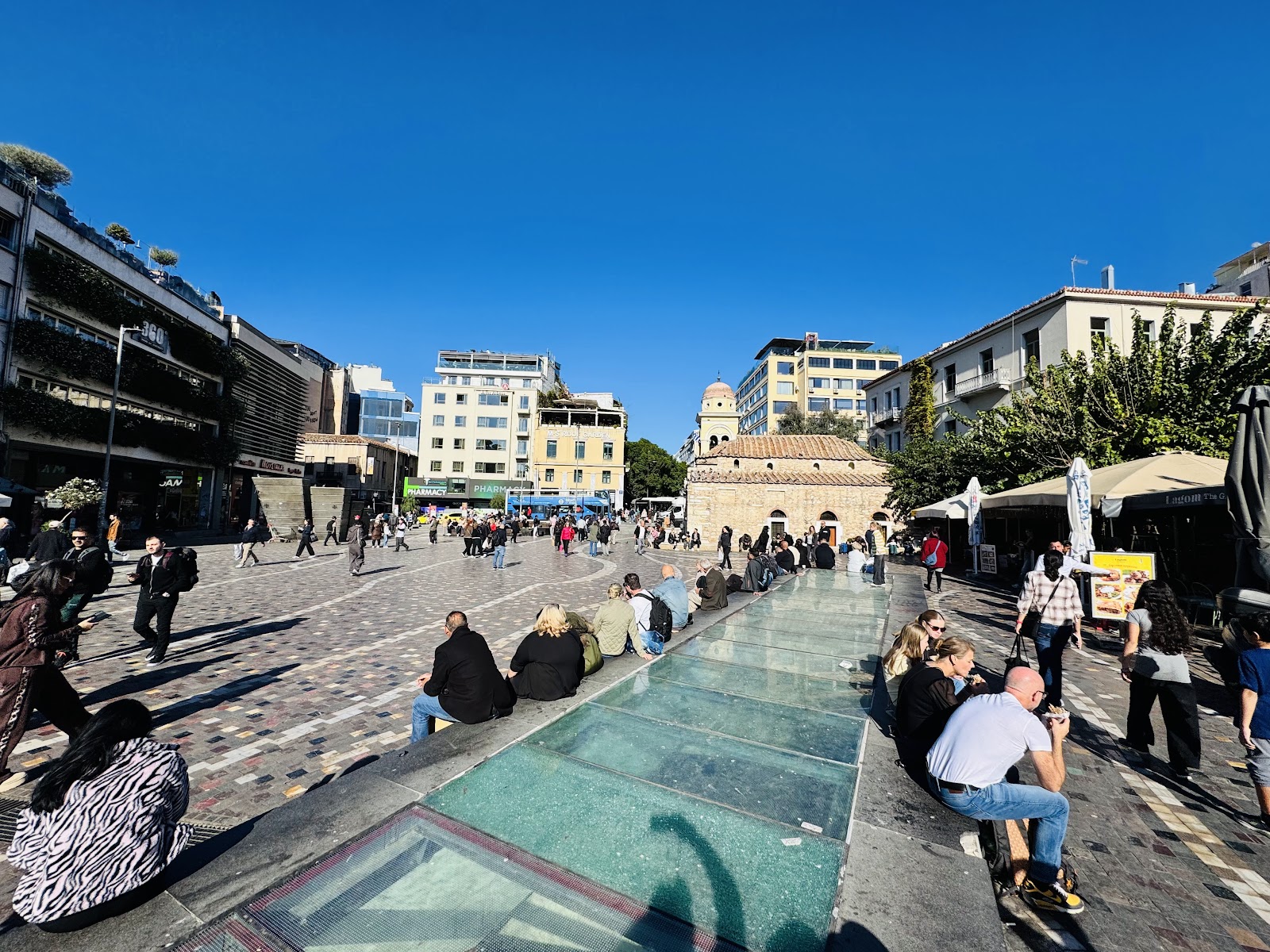
This is Monastiraki Square, and you can probably smell it before you've taken it in.
Syntagma Square, Parliament and the Evzones
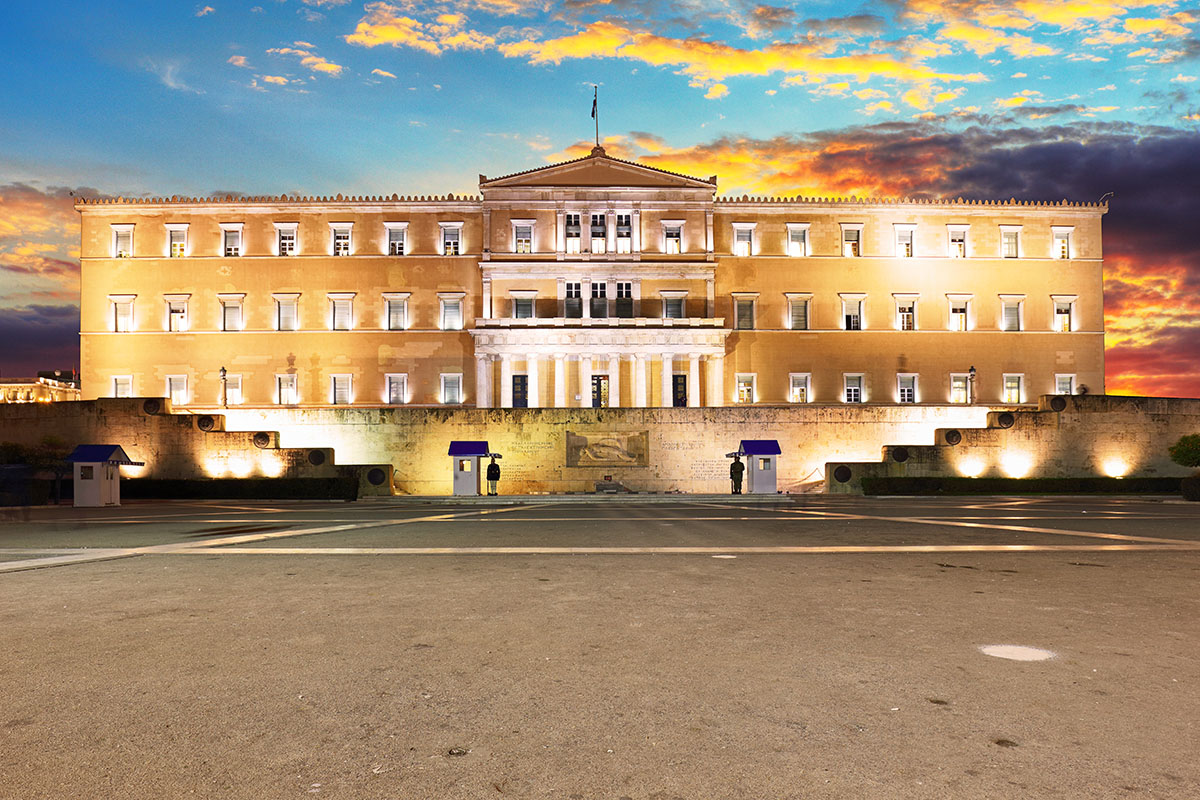
This is Syntagma Square, and the big cream-colored building at the top of it is the Greek Parliament.
The Ancient Agora
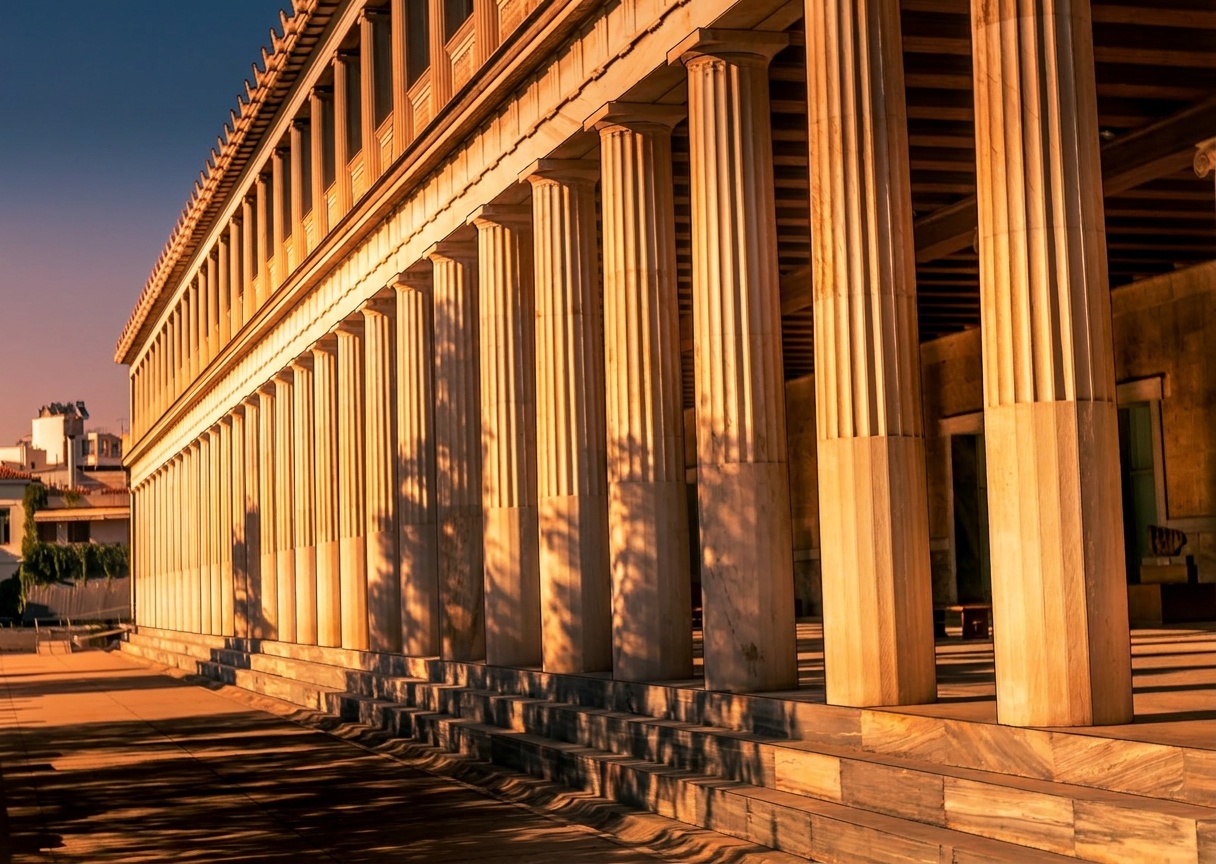
Below you, past the railings, is the Ancient Agora, the square where Athens ran its daily business, and most of it is ankle-high: foundations, stubs of walls, outlines of rooms in the grass.
The Arch of Hadrian
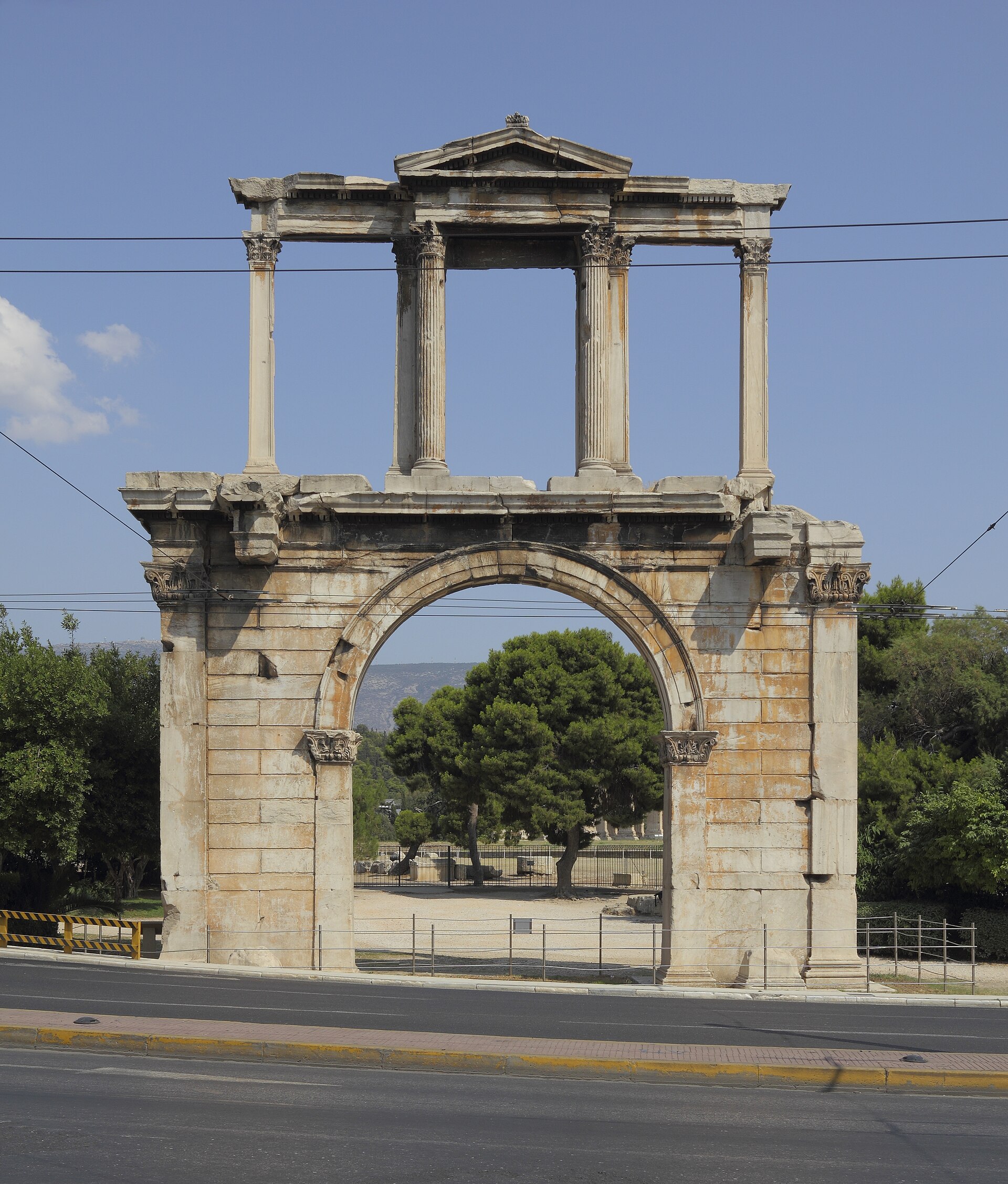
The tall marble gateway standing by itself beside the avenue is the Arch of Hadrian. It's a gate with no wall, with nothing on either side of it but traffic and air.
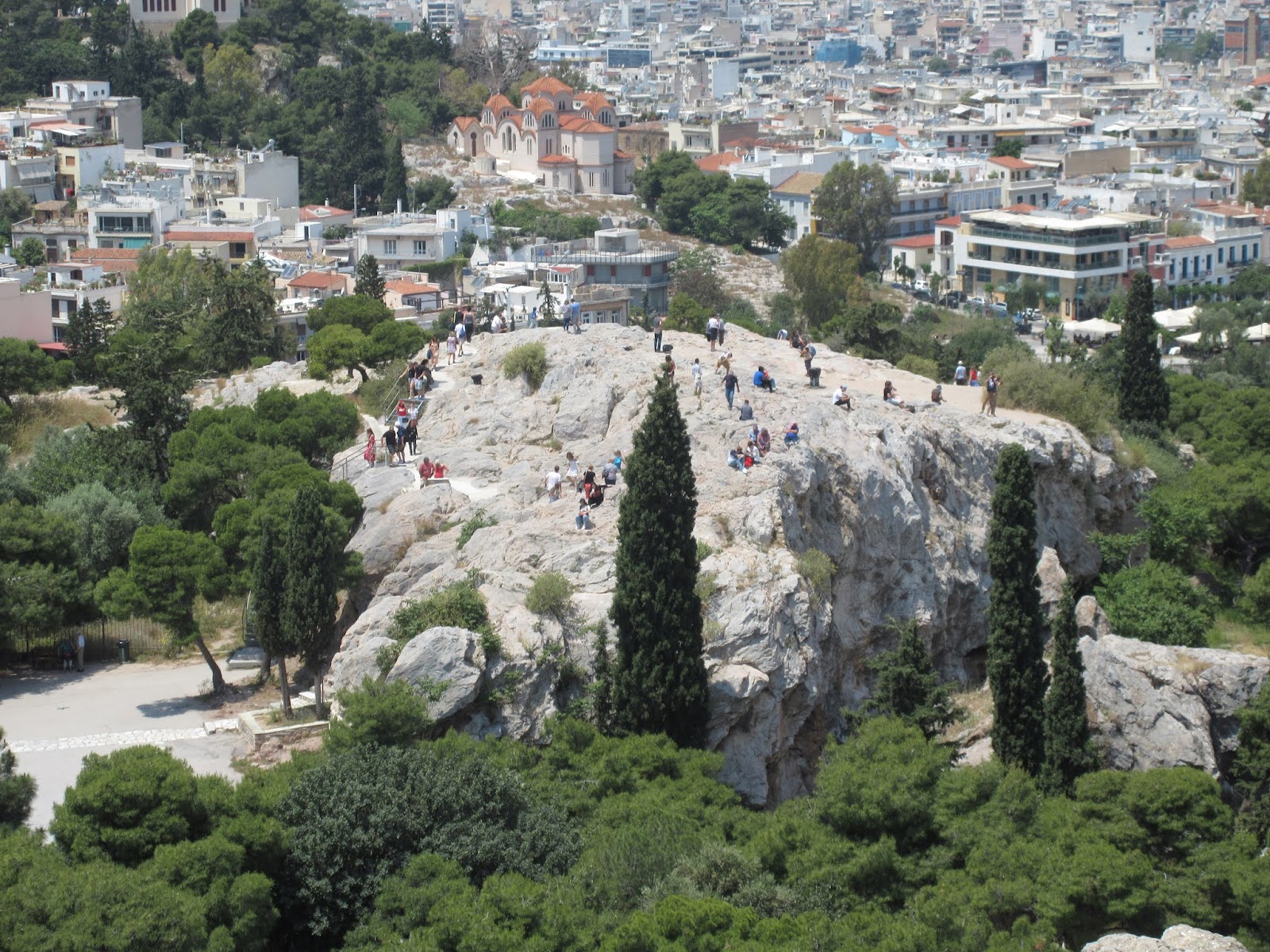
The Areopagus
The bare, shiny hump of rock just below the entrance to the Acropolis is the Areopagus, the Hill of Ares, and the stone is a lot slicker than it looks.
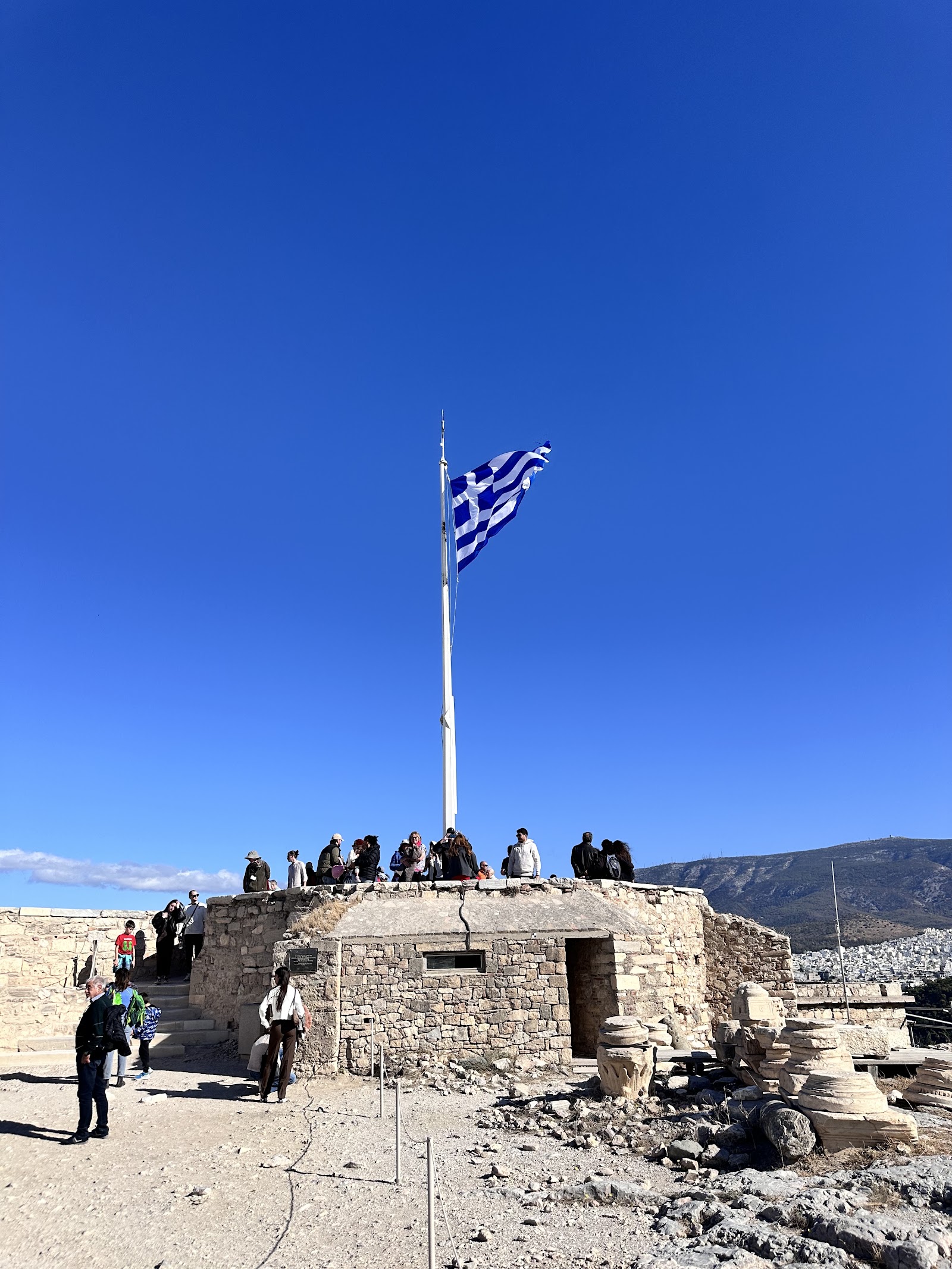
The Belvedere and the Flagpole
Out at the far eastern tip of the rock there's a viewing platform with a big Greek flag on a tall pole and the whole city spread out below it.
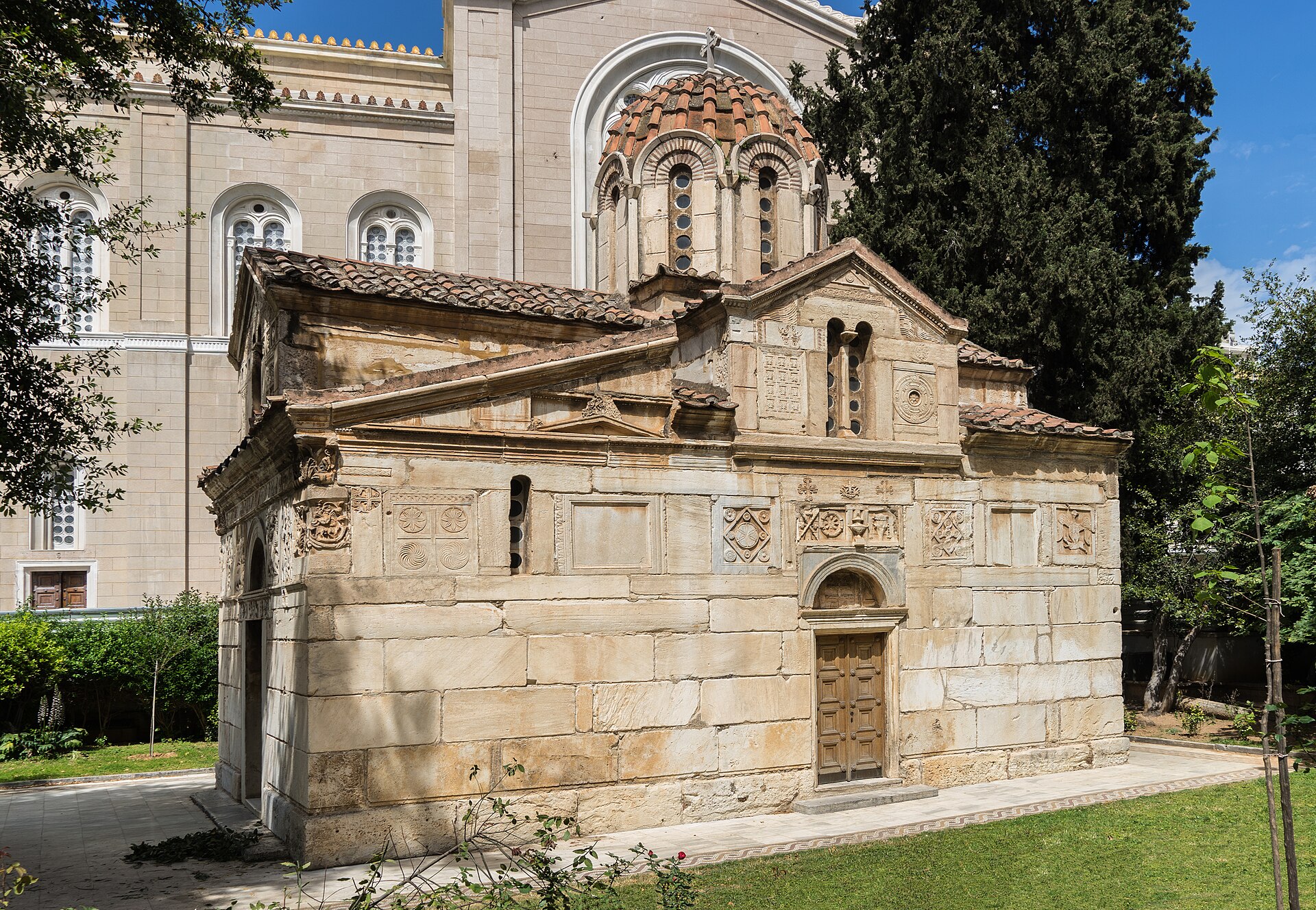
The Cathedral and the Little Metropolis
There are two churches in front of you, and you want the small one. The big pale cathedral is the Metropolis, the main cathedral of Athens.
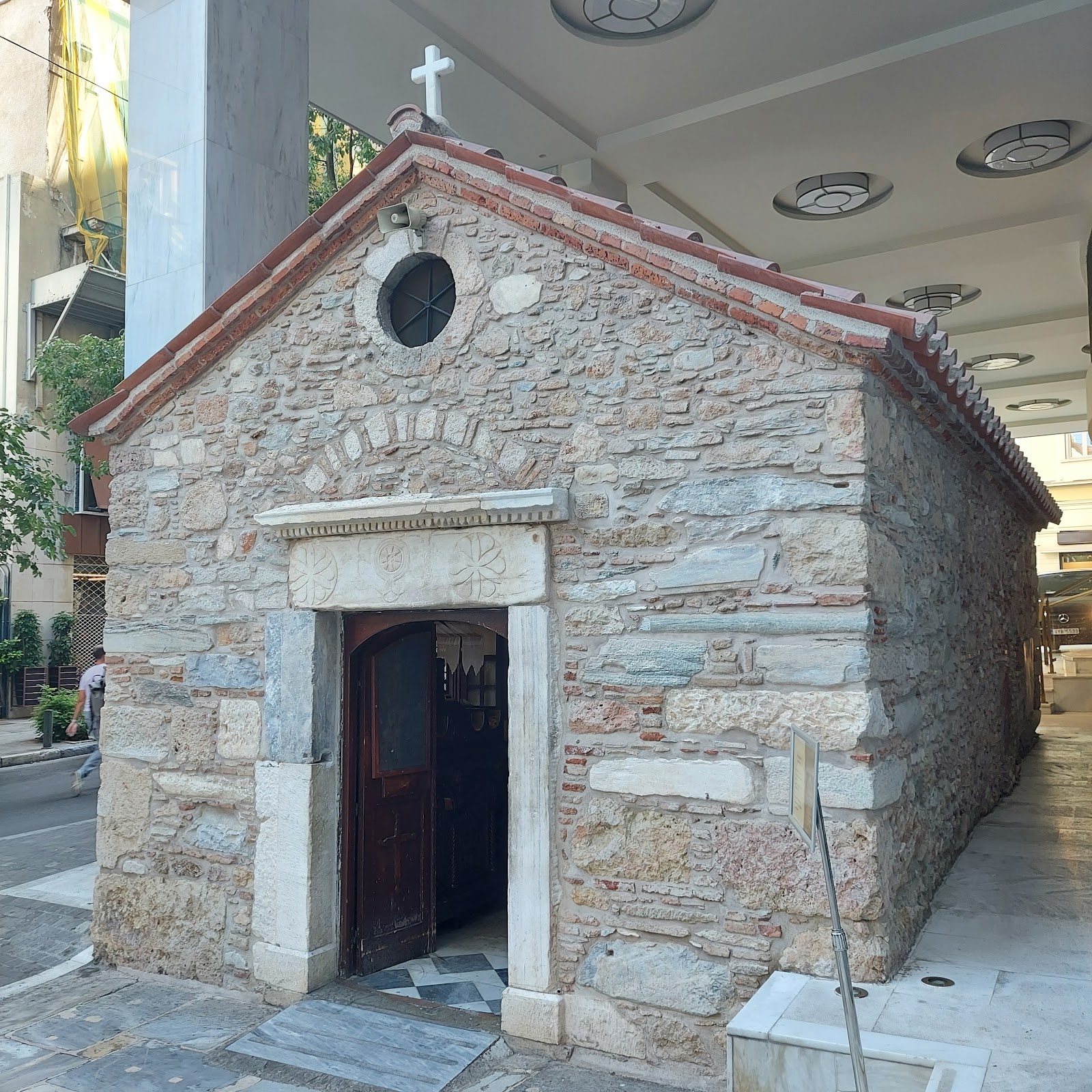
The Church of Agia Dynami
This is the church of Agia Dynami, and it's easy to walk straight past, because there's a hotel standing on top of it. Find the little domed chapel tucked under the overhang, between two big square pillars.
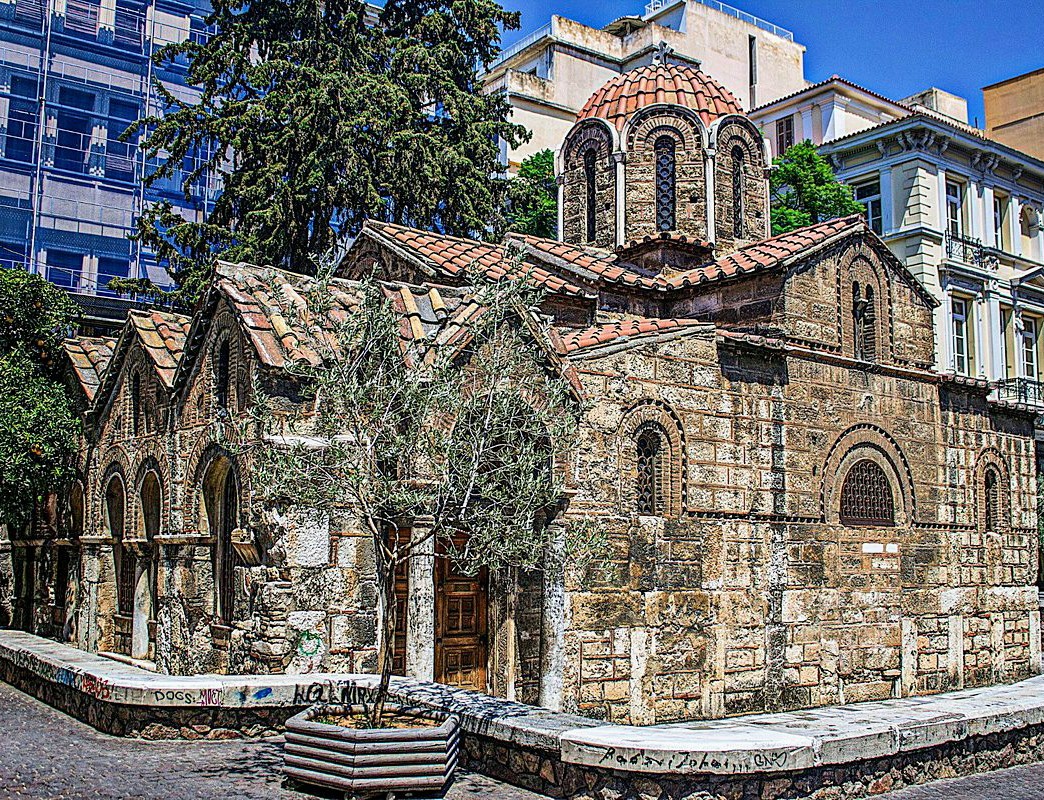
The Church of Kapnikarea
That small domed church sitting in the middle of Ermou Street is Kapnikarea, and the street splits and goes around it on both sides.
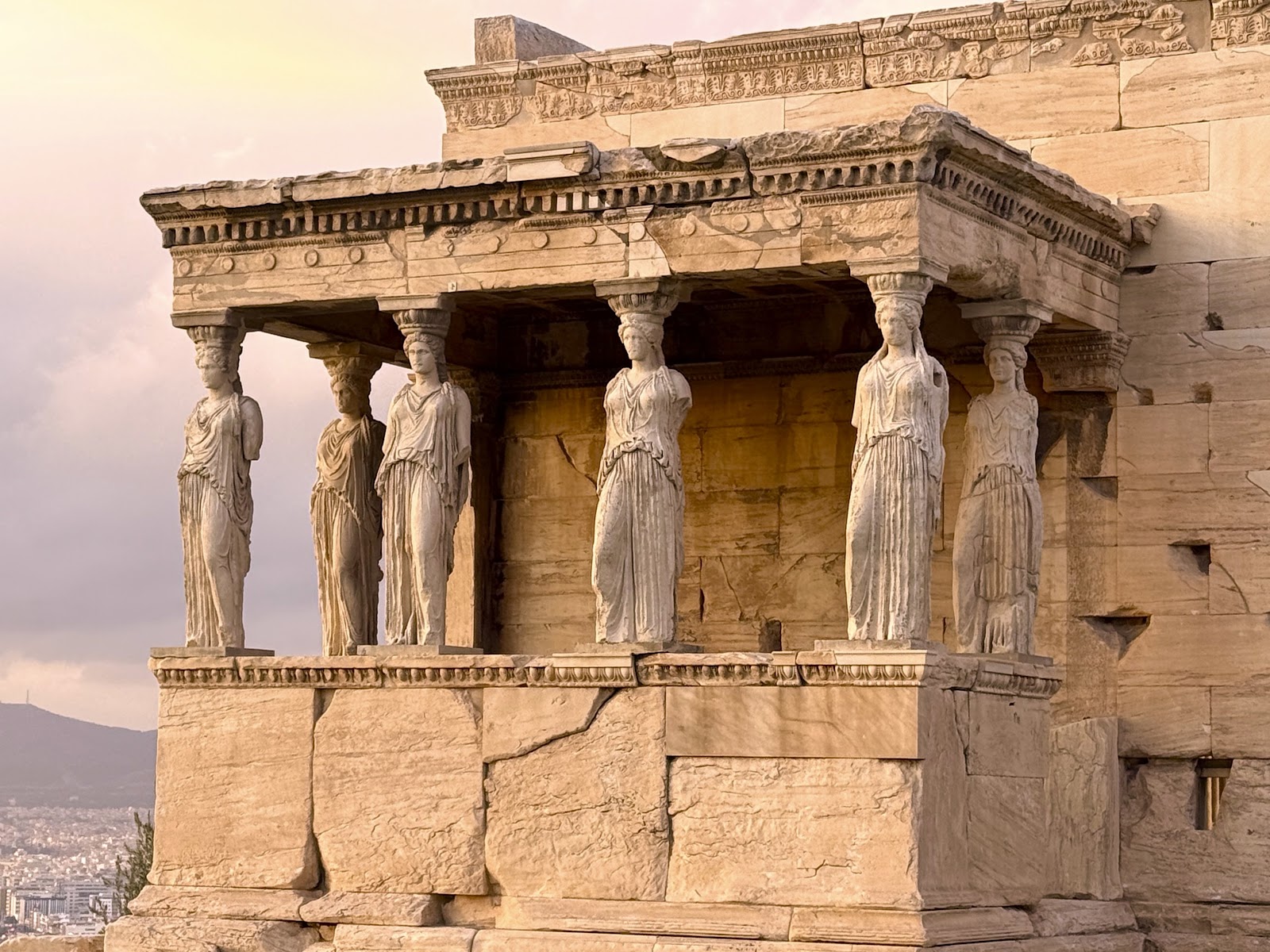
The Erechtheion
The smaller, oddly shaped temple on the north side of the rock, with a porch of six stone women holding up its roof, is the Erechtheion. Those women, the Caryatids, are copies.
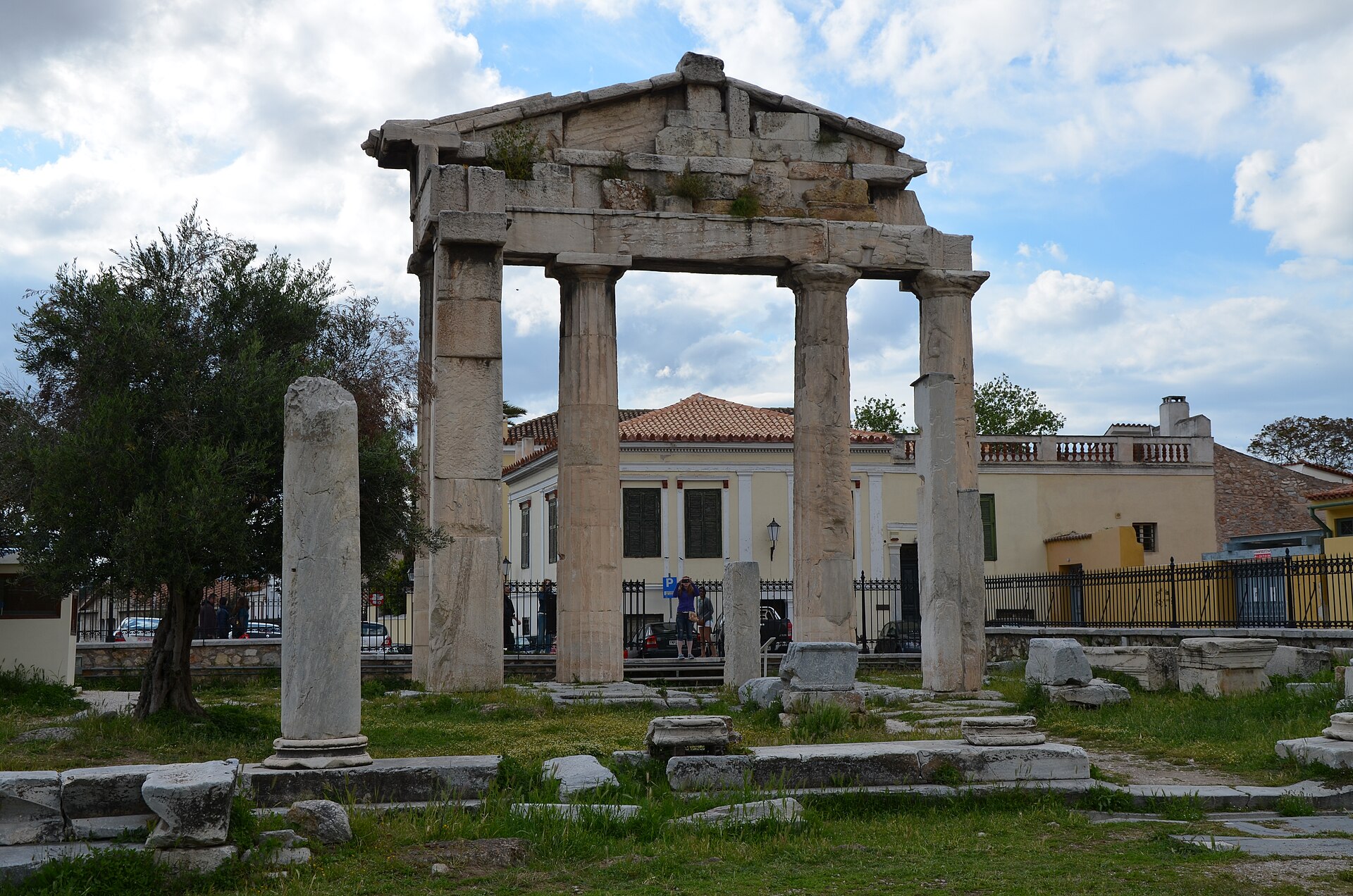
The Gate of Athena Archegetis
Four thick marble columns holding up a plain triangular roof, with a fenced field of ruins behind them: that's the Gate of Athena Archegetis, the front door of the Roman market of Athens.
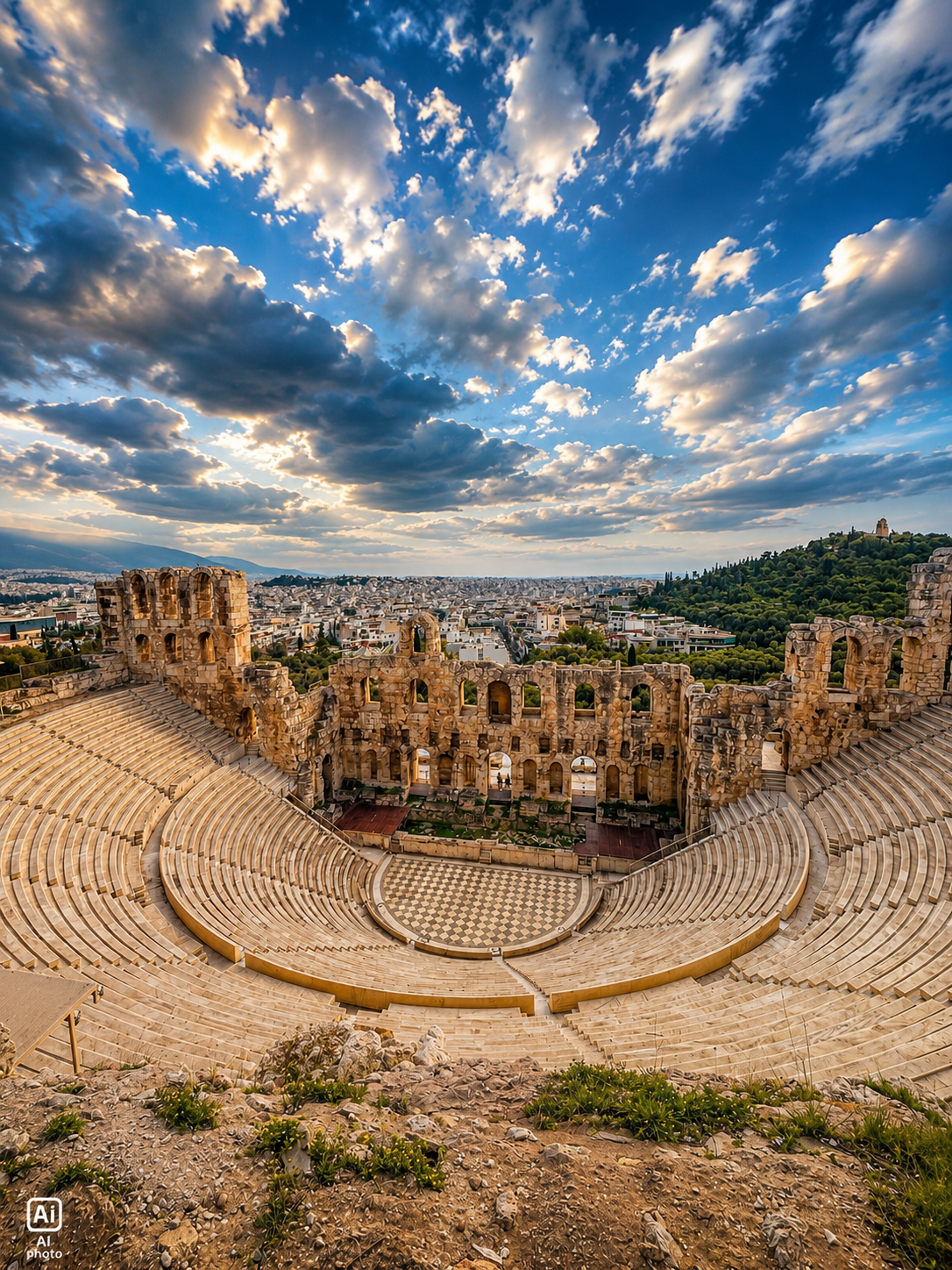
The Odeon of Herodes Atticus
The huge curved stone wall with rows of tall arched windows, built into the slope of the Acropolis, is the Odeon of Herodes Atticus, a Roman theater nearly nineteen hundred years old. It still works.
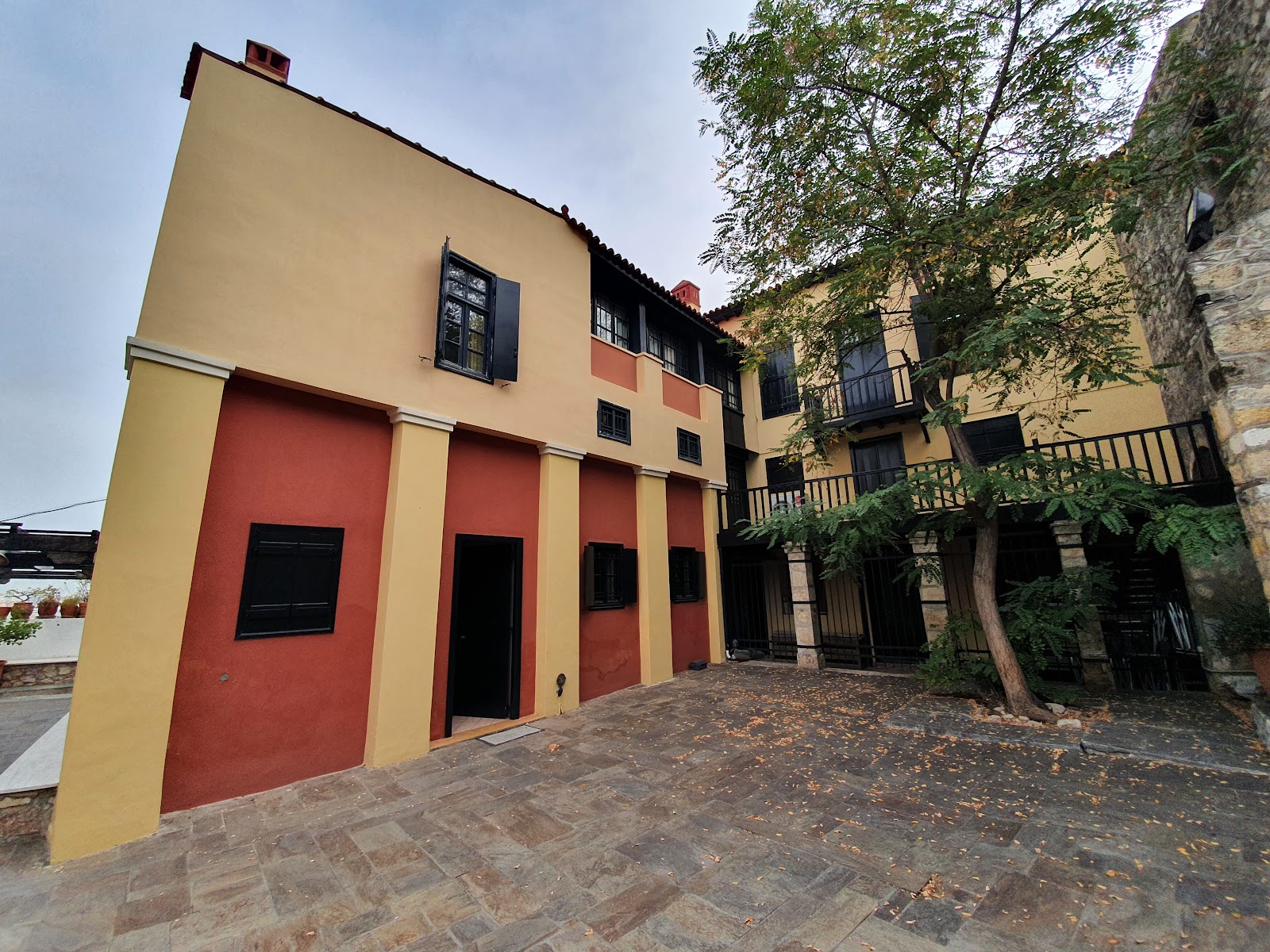
The Old University
The long, low house on Tholou Street, with its wooden upper floor jutting out over the lane and heavy stone walls underneath, is one of the oldest houses in Plaka.
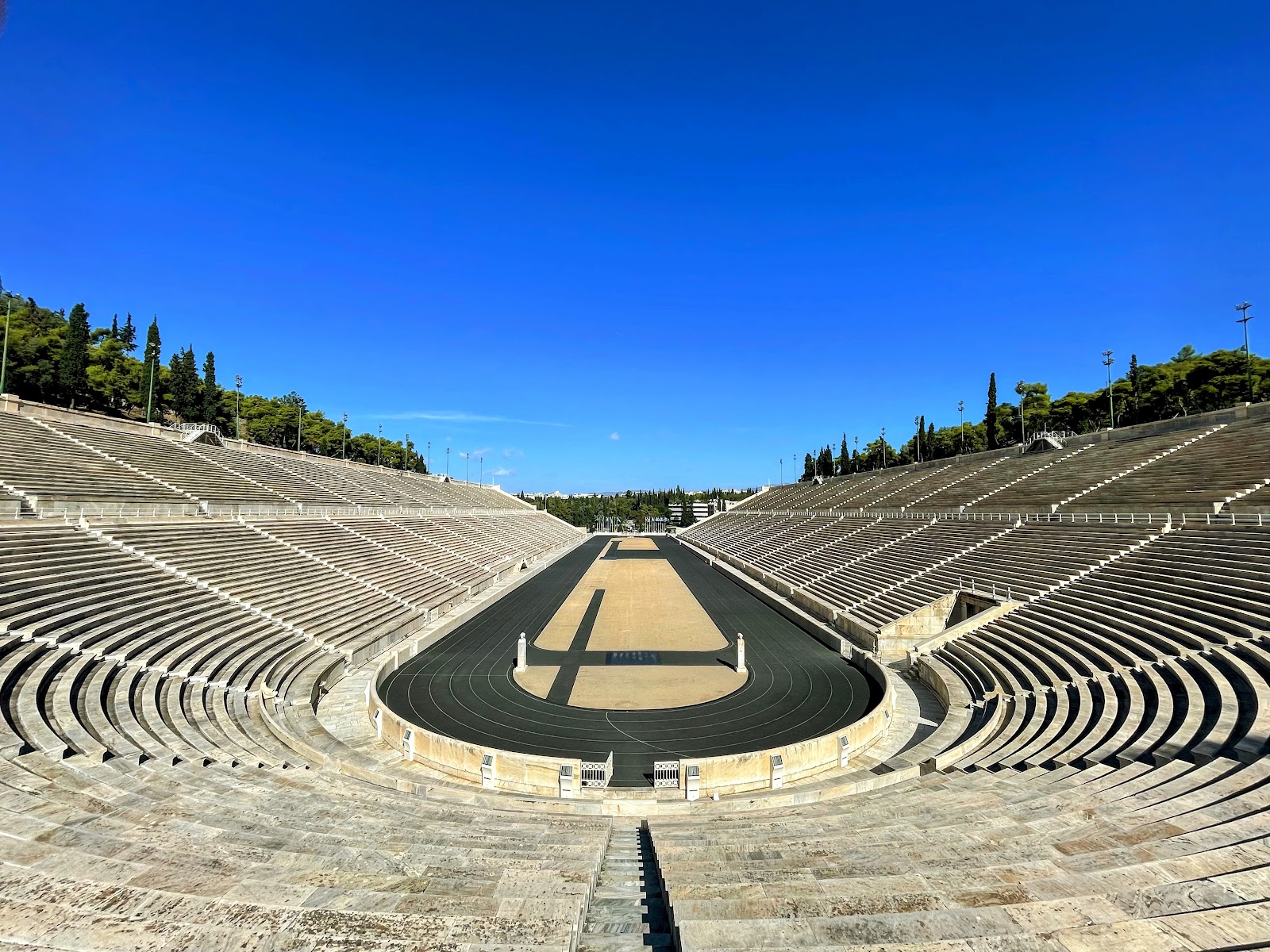
The Panathenaic Stadium
This is the Panathenaic Stadium, and every part of it is marble: the seats, the steps, the whole long bowl. It's the only stadium in the world built entirely that way. Look at the shape, too.
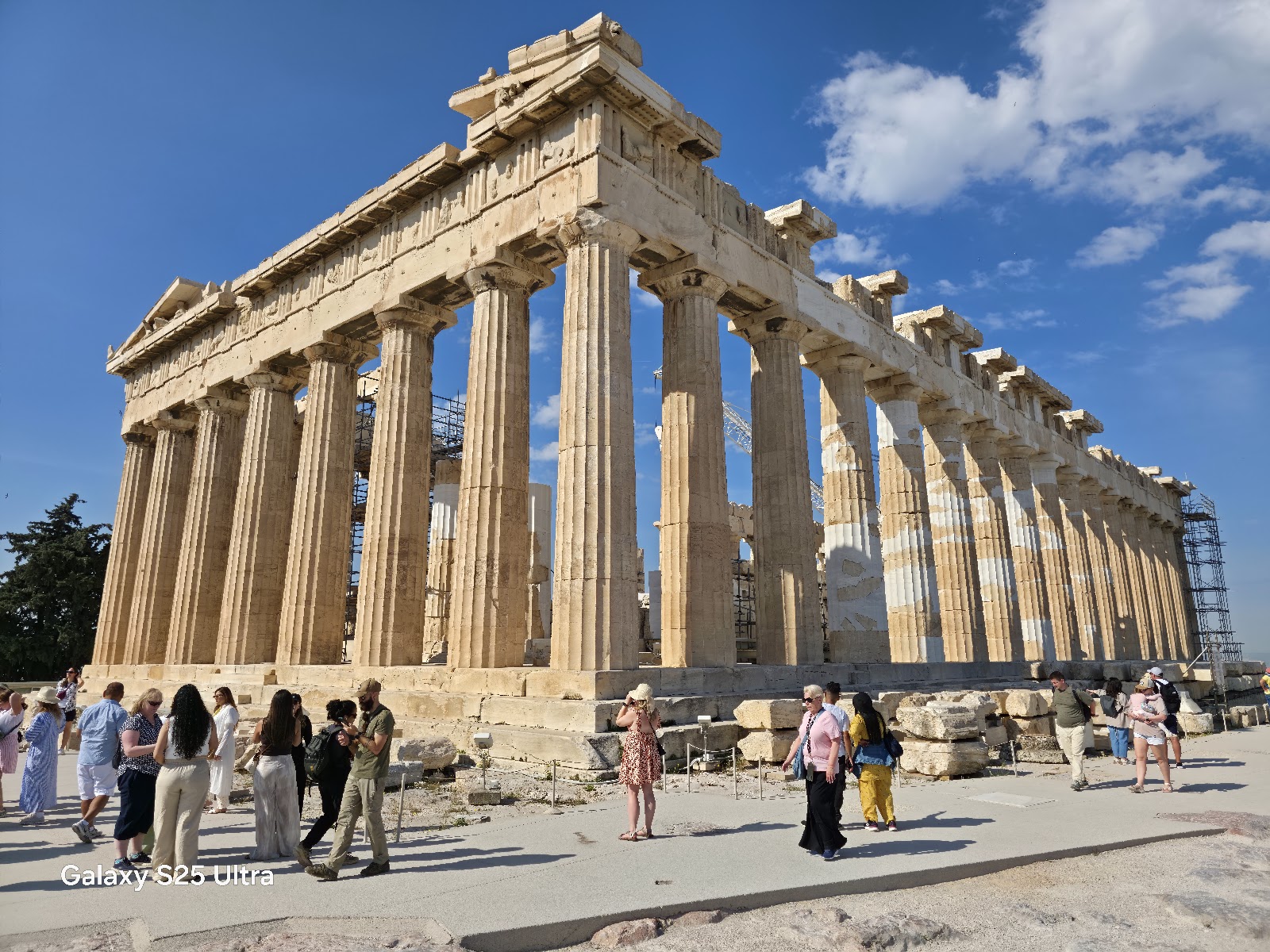
The Parthenon
At this end of the Parthenon, look for the cranes, the scaffolding, and the bright white marble set in among the old honey-colored stone. That white marble is new.
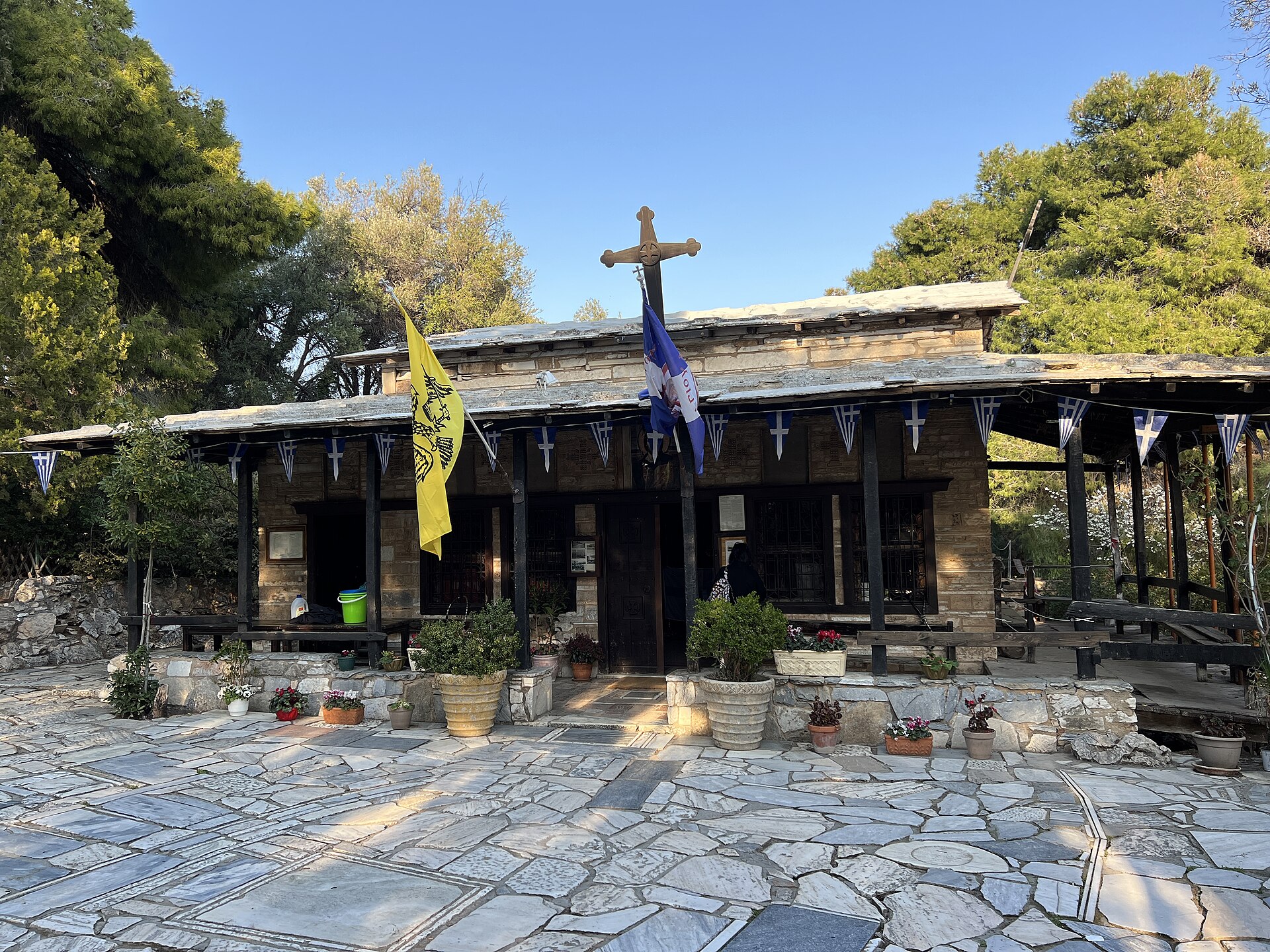
The Pikionis Paths
This winding stone path, and the little church and shelter along it, are the work of an architect named Dimitris Pikionis, and the path is worth looking down at, because almost nobody does. Look at the paving under your feet.
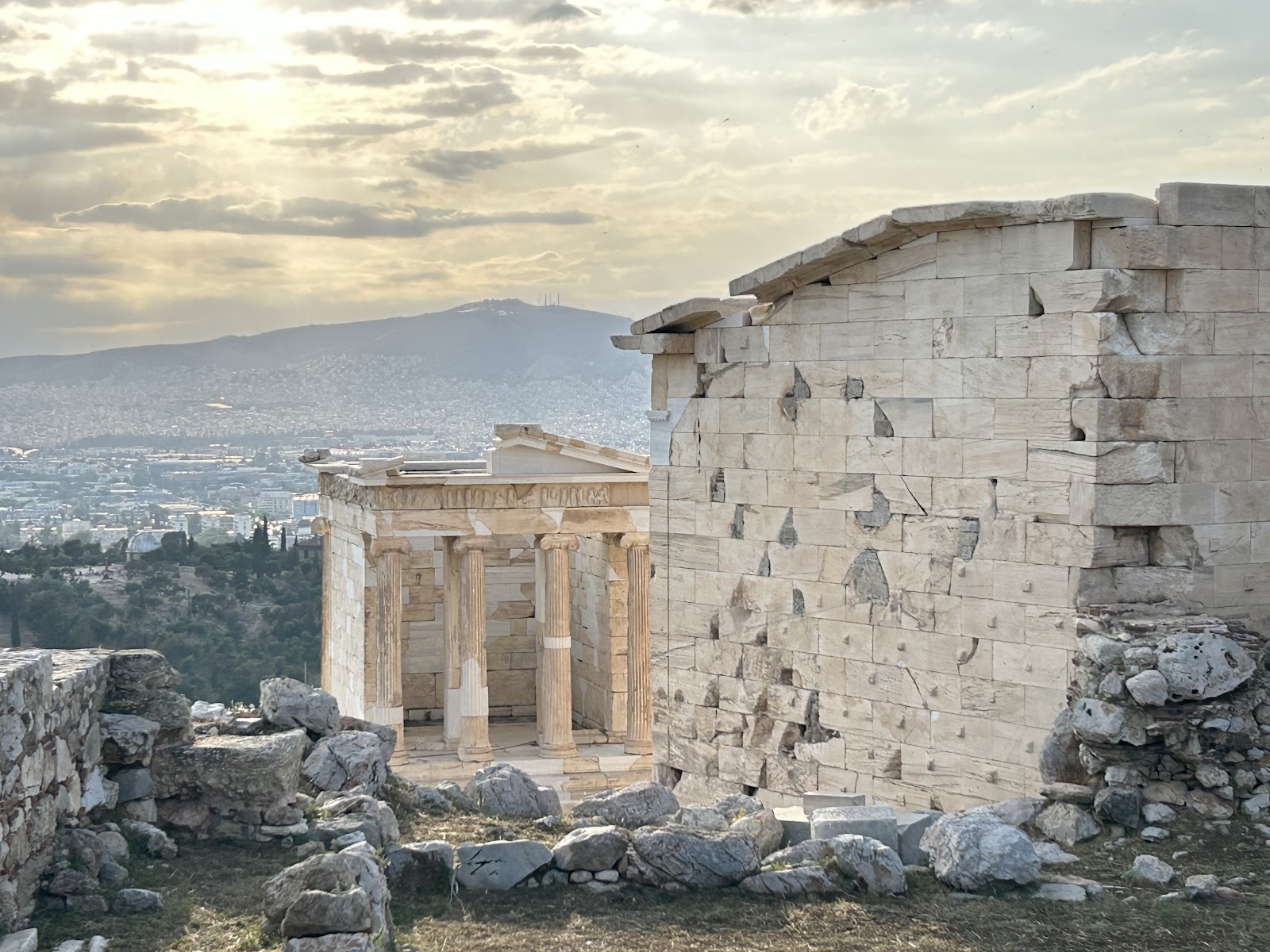
The Propylaea and the Temple of Athena Nike
This is the Propylaea, the great marble gateway to the top of the Acropolis, and perched out on the bastion to its right is the little temple of Athena Nike. Before you go through the gate, look closely at the big blocks in its walls.
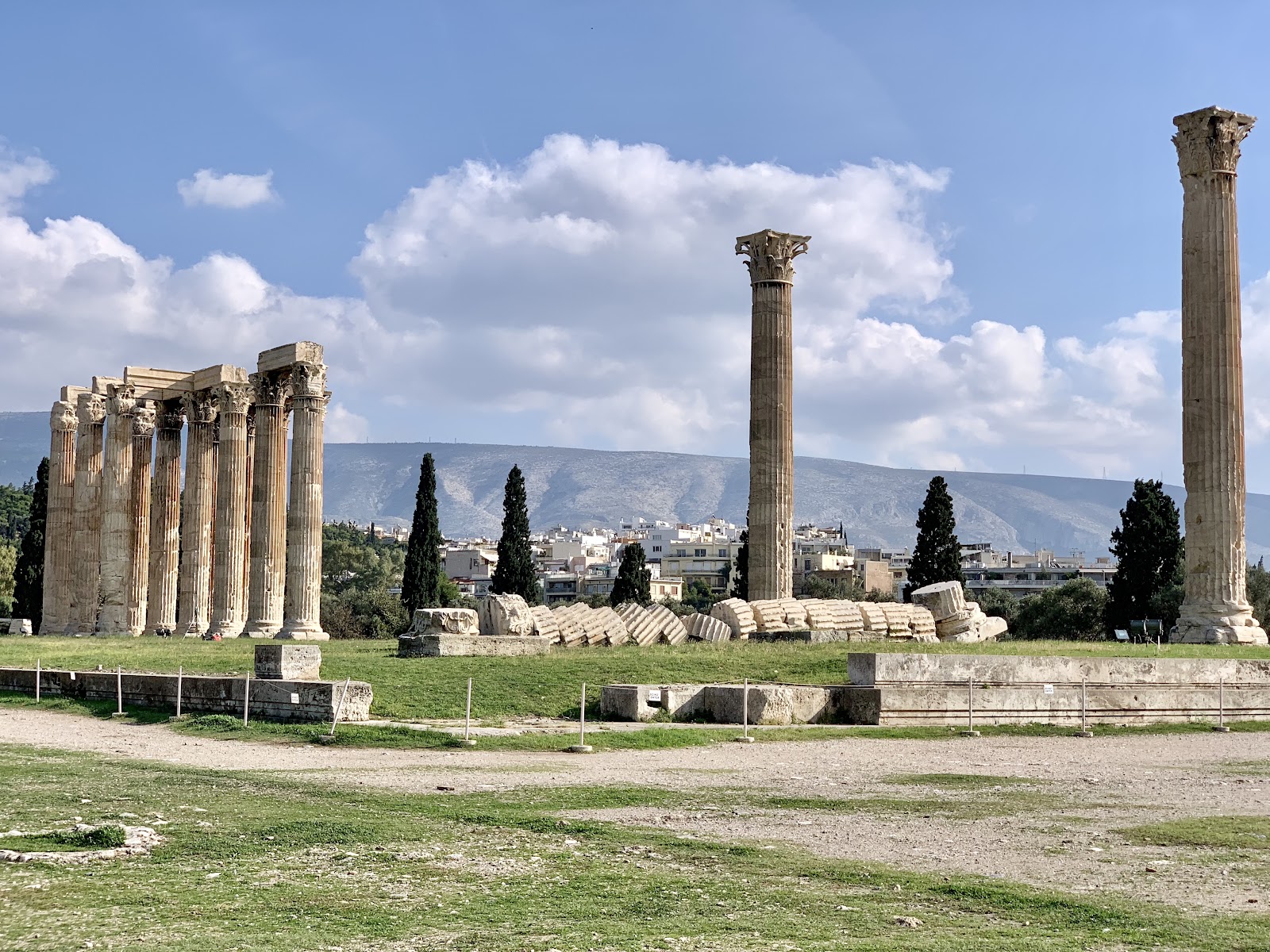
The Temple of Olympian Zeus
Those giant columns standing in the open field are what's left of the Temple of Olympian Zeus. Fifteen are still standing out of a hundred and four, and at about fifty-five feet, they're the tallest columns on any Greek temple anywhere.
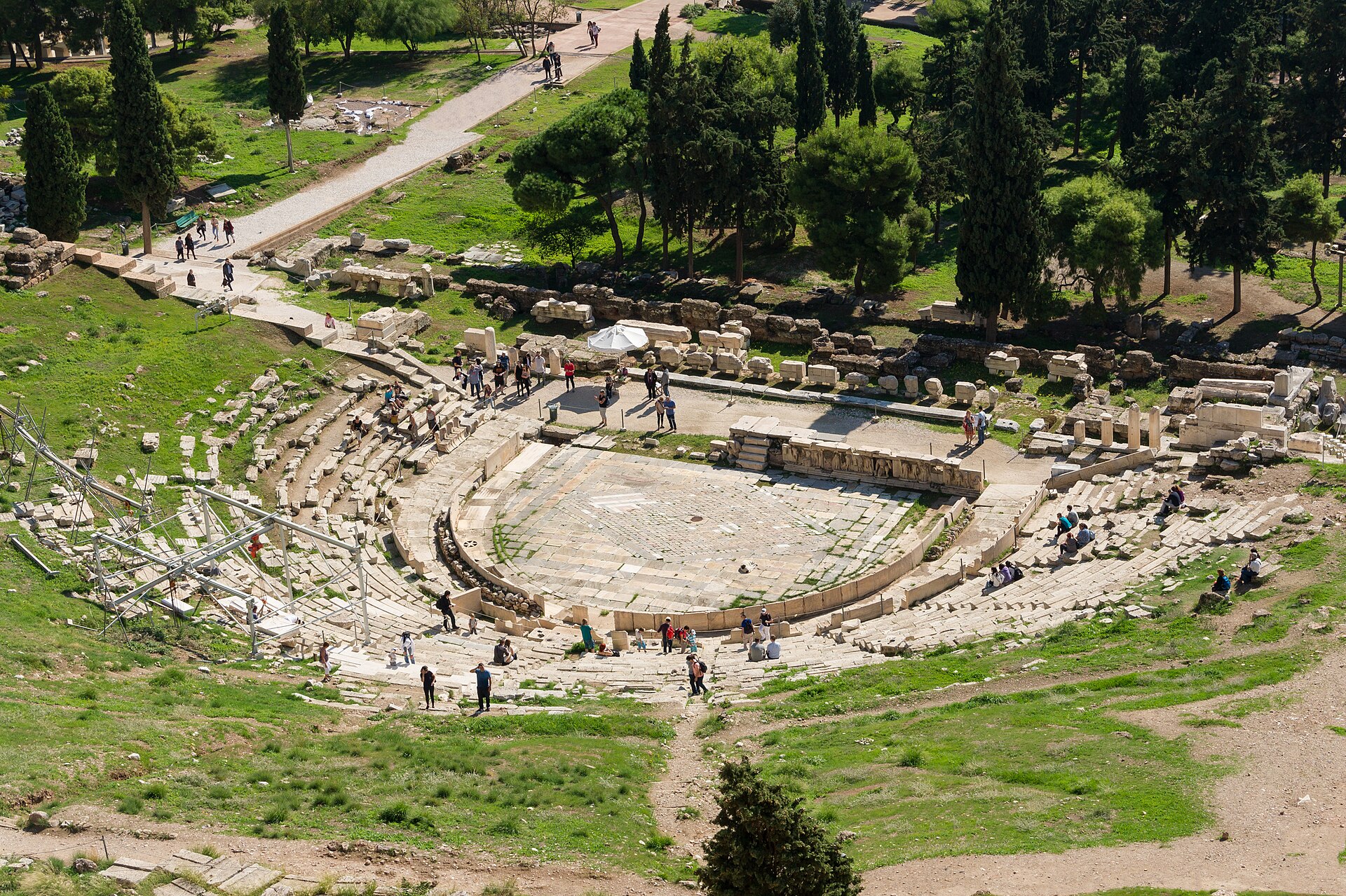
The Theatre of Dionysus
Below the south side of the Acropolis, the half-circle of stone seats climbing the slope is the Theatre of Dionysus. Look at the very front row.
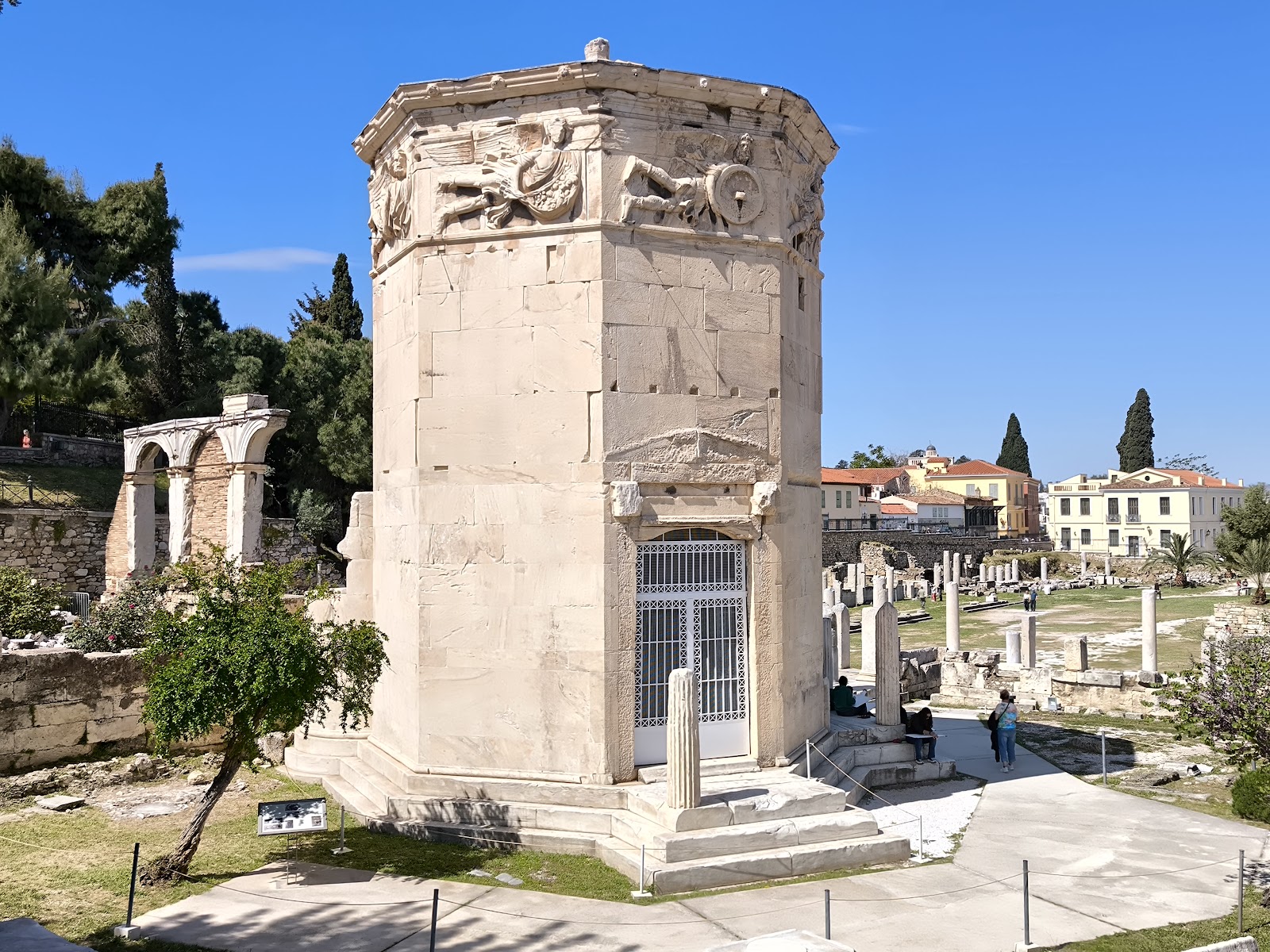
The Tower of the Winds
The eight-sided marble tower is the Tower of the Winds, and it's one of the cleverest buildings in Athens. Look up near the top. Each of the eight sides has a carved winged figure flying sideways across it, and each one is a wind.
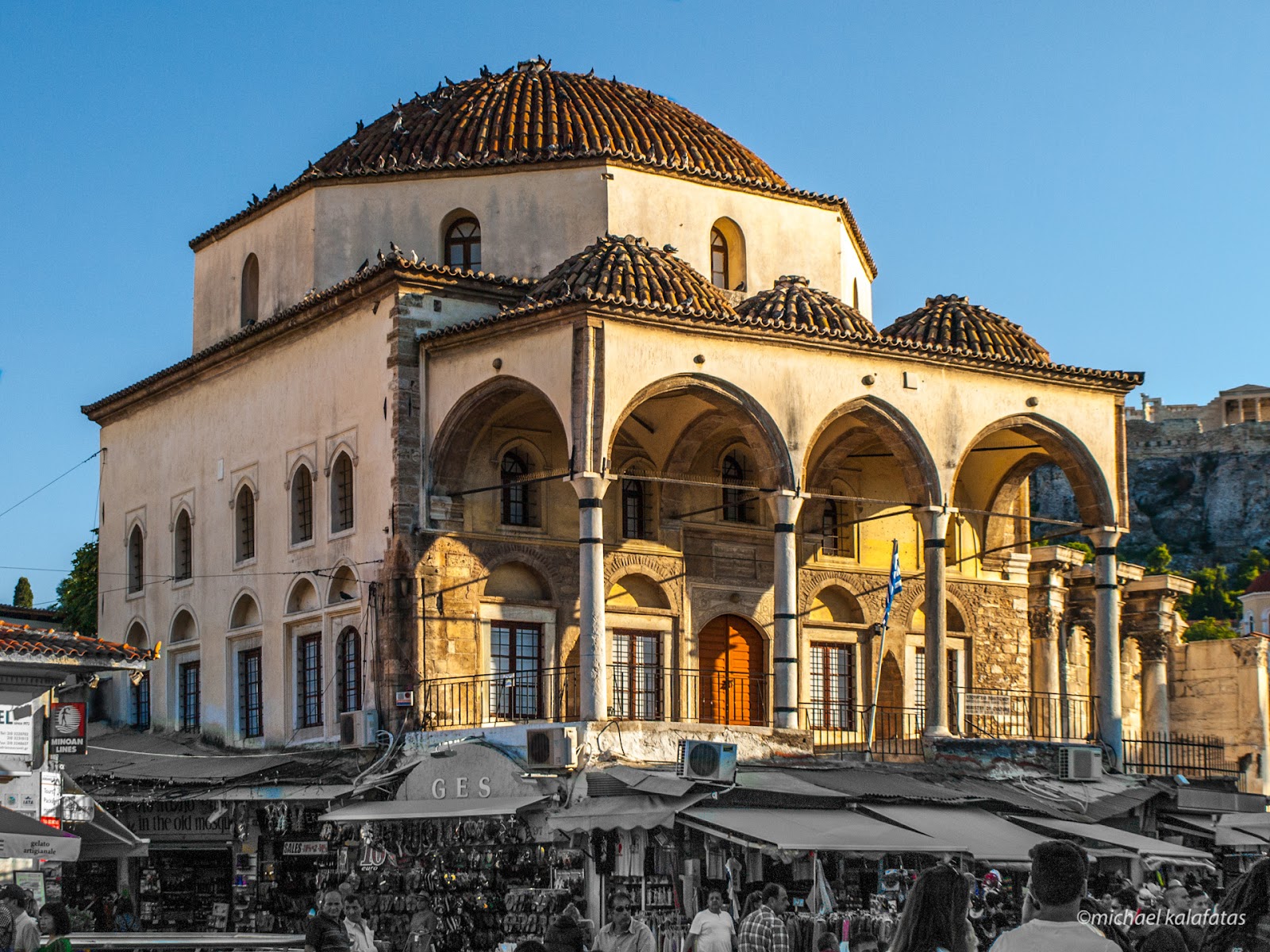
The Tzistarakis Mosque
On the corner of Monastiraki Square, the low building with the arched porch and the small dome is a mosque, built by the Ottoman governor of Athens in seventeen fifty-nine.
Athens Audio Experiences
Visit these landmarks and more on a self-guided audio experience.
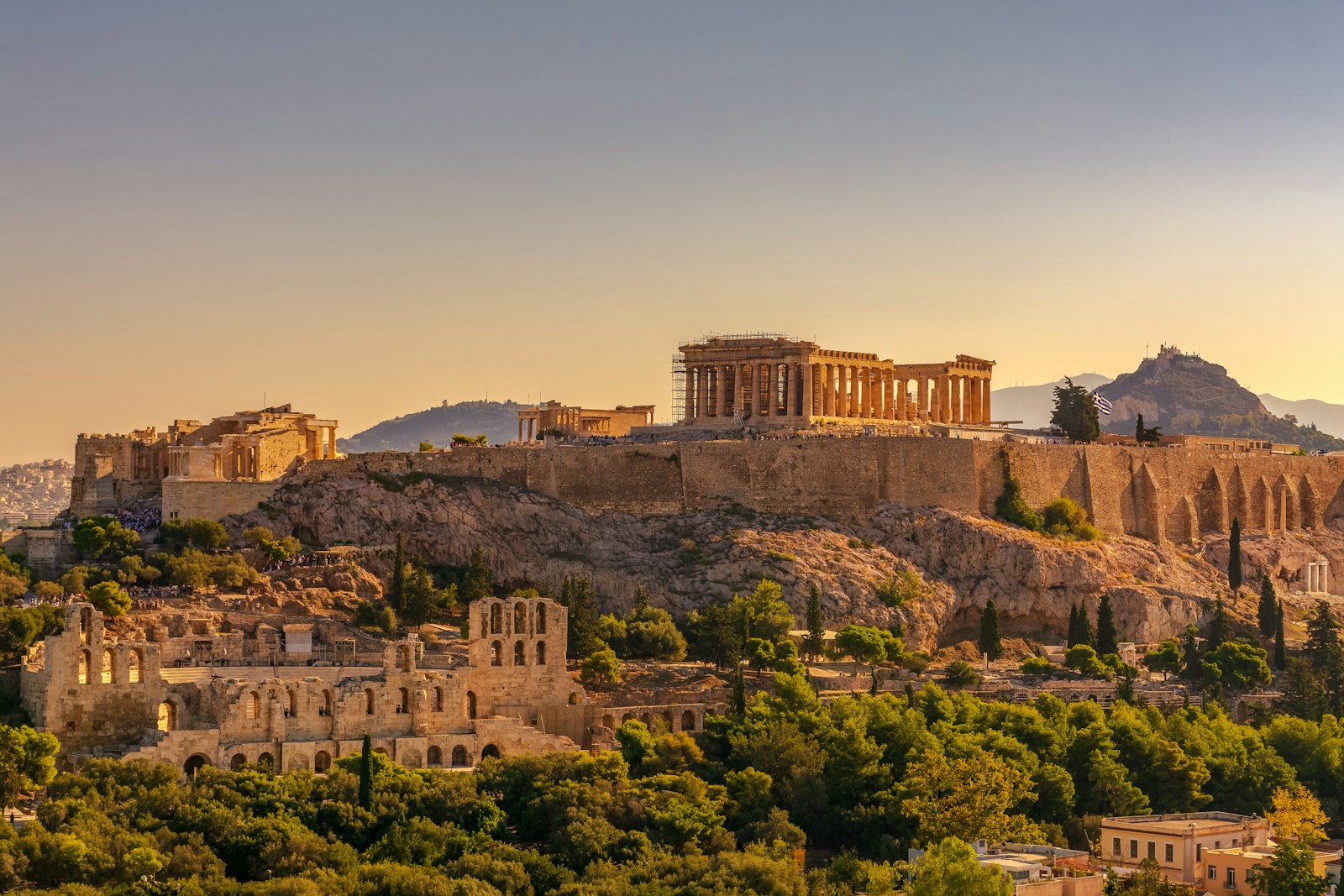
Athens in One Morning
Everybody who ever came through Athens tried to put their name on it. This is the first-timer's walk, from Syntagma Square to the marble Panathenaic Stadium, told through the people the guidebook leaves out: the teenage Bavarian king who lost a country in the square outside his own window, a refugee who renamed himself and brought souvlaki back to Monastiraki, a hundred and ninety ballots found at the bottom of a well with the same name on every one, a Swedish writer who watched the Parthenon blow up and carried a book home from the ruins, the hermits who lived on top of the Temple of Olympian Zeus, and a water carrier who won the first Olympic marathon and asked the King for a cart. Ten stops, about four kilometers, twenty-five centuries. Nearly all of it is true. Five things are mine. The Parthenon stop plays on the Acropolis itself, so bring a ticket if you're going up.
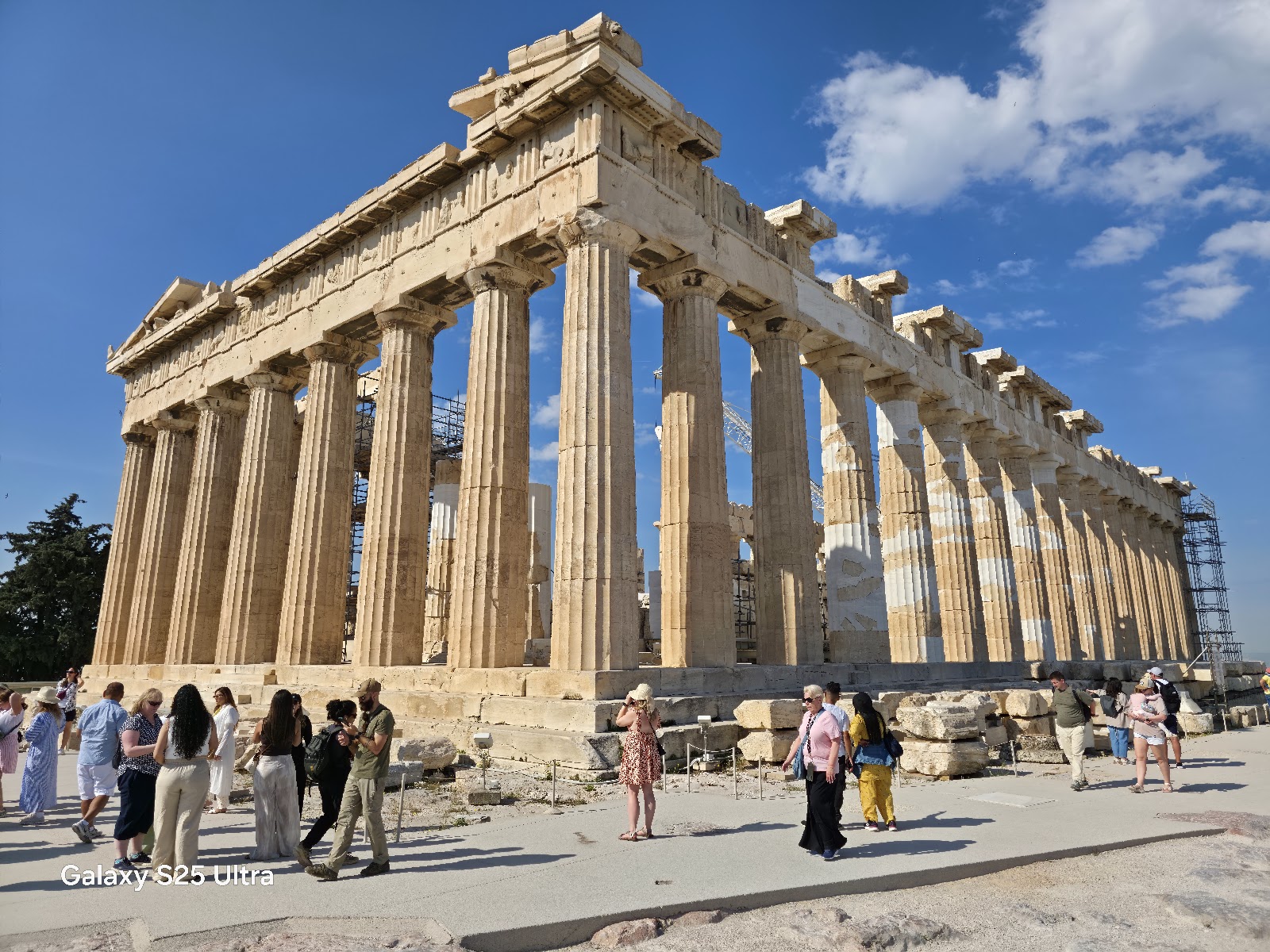
Fingerprints on the Parthenon
Everyone who got their hands on the Acropolis left a mark you can still find. This walk climbs from Dimitris Pikionis's path, paved with the wreckage of demolished Athens, past the Odeon built for a wife whose husband stood trial for her death, through a gate that was never finished, to the Parthenon itself: the sculptor who was tried for putting his own face on the goddess's shield, the engineer whose iron clamps are slowly splitting the marble, and the hole in the Erechtheion's roof left open for a god. It ends where two teenagers took down the swastika in 1941, and in the theater where Socrates stood up in the audience to be laughed at. Eight stops, one hill. Most of this walk is inside the Acropolis site, so you'll need a ticket. Nearly all of it is true. Four things are mine.
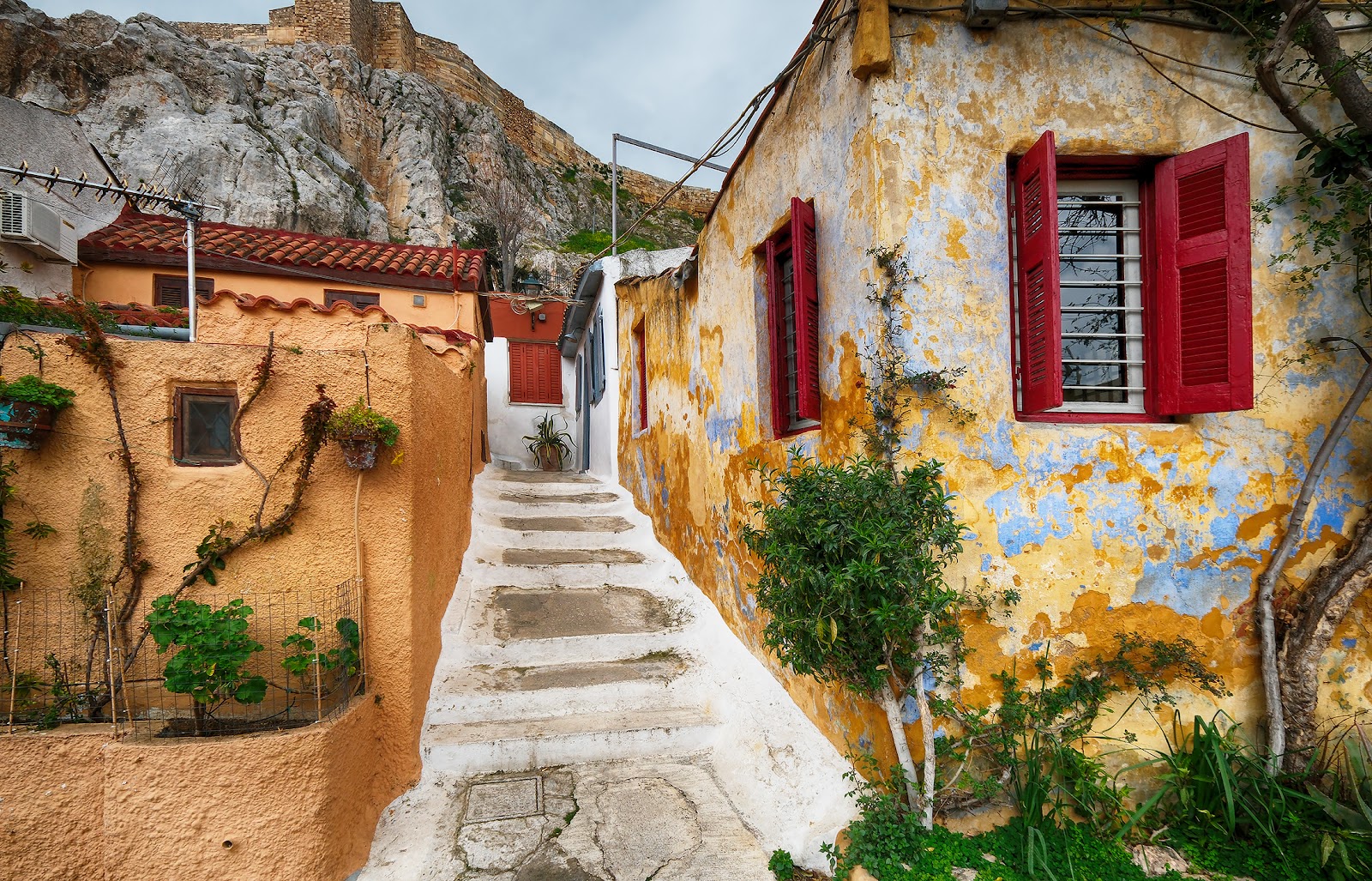
The Village That Appeared Overnight
Almost nothing in Plaka is doing the job it was built for. This walk starts at a chapel with a hotel standing on stilts over it, where, the story goes, a man made the Ottoman army's gunpowder by day and the rebels' by night, and a woman smuggled it out under the dirty laundry. It passes a church with a calendar of pagan holidays over its door, a governor who blew up an ancient column to make plaster, an emperor's olive-oil law that paid informers half, a clock from before Christ with a backup clock inside it, and the house below the Acropolis where a Berlin architect wanted to put the king's palace on top of the rock. It ends in Anafiotika, the island village stonemasons built overnight under the Acropolis, legally, because of a rule about roofs. Nine stops. Nearly all of it is true. Five things are mine.
Hear the stories behind these places
Download the app for audio-guided experiences of Athens's landmarks.
Get the App